Lunch Box Bag
CN → US| HS Code | Tariff Rate | Origin | Destination | Doc |
|---|---|---|---|---|
| 3924905610 | 20.9% | CN | US | Official Doc |
| 3924905650 | 20.9% | CN | US | Official Doc |
| 4202920809 | 42.0% | CN | US | Official Doc |
| 4202920807 | 42.0% | CN | US | Official Doc |
| 7323999080 | 88.4% | CN | US | Official Doc |
| 7323999030 | 88.4% | CN | US | Official Doc |
Product Images
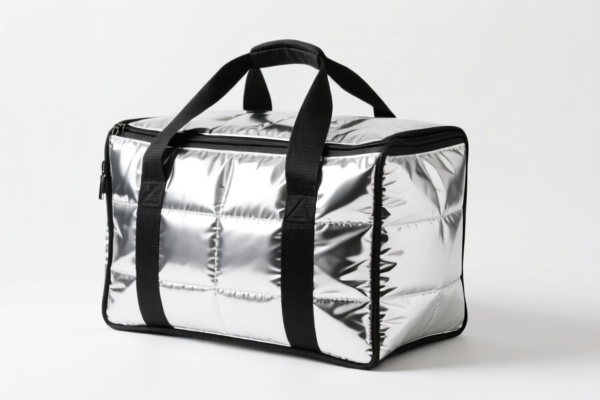
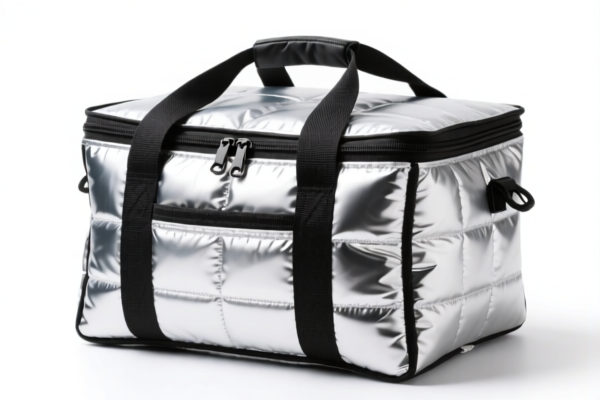
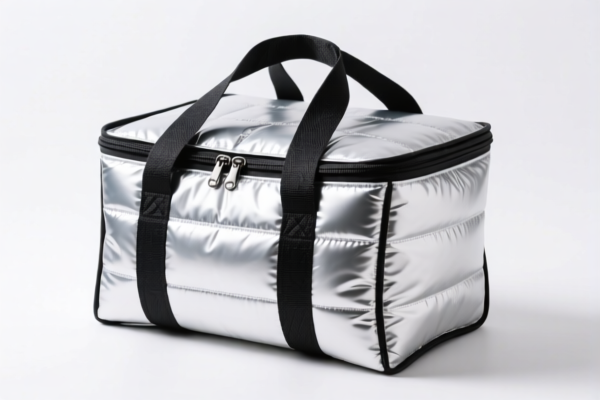

AI Analysis
🥗 Insulated Food & Beverage Bags (Lunch Box Bags)
🌐 HS Code Reference & Customs Clearance Guide | 2026 Latest Tariff Analysis | Professional Level Clearance Strategy
📌 I. Product Definition & Classification: What Exactly is a "Lunch Box Bag"?
An Insulated Food or Beverage Bag is a container designed to maintain the temperature of food or drinks during transport. In international trade, classification depends heavily on the outer surface material and the specific subheading details.
Key Distinctions: * Material Type: Is the outer layer textile (fabric/nylon/polyester) or plastics? * Construction: Is it lined with insulation? Is it a "trunk, suitcase, or similar container"?
⚠️ Key Classification Point:
- If the outer surface is textile materials and it is an insulated food/beverage bag, it falls under 4202.92.08.
- The specific 8-digit code varies based on the fiber type (Man-made vs. Other) or generic classification.
📦 II. HS Code Classification Details (2026 Latest Tariff Authority Match)
Based strictly on the provided <DATA>, here are the relevant HS Codes for Insulated Food/Bev Bags:
| HS Code | Product Description | Key Characteristics | Applicable Material |
|---|---|---|---|
4202.92.08.09 |
Insulated food or beverage bags: With outer surface of textile materials: Other Other (870) | General insulated lunch bags, soft-sided carriers | Textile (Mixed/Other) |
4202.92.08.07 |
Insulated food or beverage bags: With outer surface of textile materials: Other Of man-made fibers (670) | Bags explicitly made of synthetic fabrics (e.g., Nylon, Polyester) | Man-made Fibers |
🔍 Important Note:
- Both codes fall under Chapter 42 (Articles of leather; travelling bags, handbags...).
- Specifically, Heading 4202 covers "Trunks, suitcases... traveling bags... insulated food or beverage bags...".
- The distinction between.09and.07is the fiber composition of the textile outer surface.
💰 III. 2026 Latest Tariff Rate Details (Including Additional Taxes)
✅ Applicable Country: USA (US)
✅ Origin: China (CN) (Assumed based on<DATA>tax details mentioning steel/al/copper + 50% and general context, though these are plastic/textile goods)
✅ Effective Time: Current Tariff Schedule
🎯 1. 4202.92.08.09 —— Insulated Food/Bev Bags (Other Textile)
| Item | Detail |
|---|---|
| Base Tariff | 0.0% (Ad Valorem) |
| Additional Section 301 Tax | 0.0% |
| Total Tax Rate | 0.0% |
| Tax Calculation | CIF Value × 0.0% = $0 |
| Legal Basis | None (Zero Rate) |
📌 Interpretation:
- This code attracts NO base tariff and NO additional Section 301 tariffs according to the provided data.
- This is a highly favorable classification for cost savings.
🎯 2. 4202.92.08.07 —— Insulated Food/Bev Bags (Of Man-Made Fibers)
| Item | Detail |
|---|---|
| Base Tariff | 0.0% (Ad Valorem) |
| Additional Section 301 Tax | 0.0% |
| Total Tax Rate | 0.0% |
| Tax Calculation | CIF Value × 0.0% = $0 |
| Legal Basis | None (Zero Rate) |
📌 Interpretation:
- Similar to.09, bags made of man-made fibers (polyester, nylon) also enjoy 0% duty.
- Crucial: Do not confuse this with plastic bags (Chapter 39) or plastic sheeting covers, which may have different rules. The key here is "Outer Surface of Textile Materials".
⚠️ Critical Exclusion: Plastic Tableware vs. Bags
The provided <DATA> also includes Plastic Tableware codes. It is vital NOT to misclassify an insulated lunch bag as plastic tableware.
| HS Code | Product | Tax | Why NOT applicable to Lunch Bags? |
|---|---|---|---|
3924.90.56.10 |
Gates for confining children or pets (Plastic) | 10.9% | Wrong Product Category |
3924.90.56.50 |
Other Plastic Tableware/Household Articles | 0.0% | Risk: If declared as "Plastic Bag" without textile outer layer, it might fall here. However, "Insulated Food Bags" are explicitly listed in Chapter 42 if they meet the travel bag criteria. |
🚨 Clarification:
- If your bag is 100% plastic sheeting (no textile outer layer), it might be classified under 4202.92.08.09 ("With outer surface of sheeting of plastics") OR potentially Chapter 39 if not considered a "traveling bag."
- However, the provided data explicitly lists 4202.92.08.09 and .07 for "Insulated food or beverage bags."
- Recommendation: Ensure your product has a textile outer surface to safely use the 0% tariff codes in Chapter 42.
🛠️ IV. Customs Clearance Practical Advice (Best Practices)
✅ 1. Documentation Checklist (Must-Have)
| Document | Required? | Description |
|---|---|---|
| ✅ Commercial Invoice | ✔️ | Must state: "Insulated Food Bag, Textile Outer, Man-Made Fibers/Polyester/Nylon" |
| ✅ Packing List | ✔️ | Show dimensions, weight, and insulation type (e.g., PE foam, Aluminum foil lining) |
| ✅ Product Photos | ✔️ | Show outer material texture (to prove it's textile, not just plastic) and insulation lining |
| ✅ Material Composition Statement | ✔️ | Specify: "Outer: 100% Polyester Textile; Lining: Insulation; Zipper: Plastic/Metal" |
✅ 2. Declaration Tips (Key Keywords)
🔥 "Be Specific to Avoid Misclassification!"
| Scenario | Correct Declaration | Wrong Declaration | Risk |
|---|---|---|---|
| Textile Outer Bag | "Insulated Lunch Bag, Outer Fabric: Polyester, Lining: Foam" | "Plastic Lunch Bag" | Risk of being classified as plastic goods or subject to scrutiny |
| Man-Made Fiber | "Insulated Bag, Man-Made Fiber Outer" | "Travel Bag" | May be misrouted to non-insulated bag codes |
| Plastic Outer Bag | "Insulated Bag, Outer Surface: PVC Sheet" | "Textile Bag" | Incorrect material declaration leads to penalties |
✅ 3. Special Cases
| Situation | Advice |
|---|---|
| OEM Branded Bags | Ensure brand is declared but doesn't change HS Code. |
| Combination Materials | If outer is 90% fabric, 10% plastic print, still considered "Textile Outer" generally. |
| Sample vs. Bulk | Same HS Code applies. |
🌍 V. Market Comparison (2026 Overview)
| Country/Region | Recommended HS Code | Duty Rate | Notes |
|---|---|---|---|
| 🇺🇸 USA | 4202.92.08.07 / .09 |
0.0% | Zero duty for textile-insulated bags. |
| 🇨🇳 China | 4202.92.08 | Low/Variable | Check local import duties. |
| 🇪🇺 EU | 4202.92 | 4.0% (Approx) | May have different subheadings. |
| 🇯🇵 Japan | 4202.92 | 10.0% (Approx) | Varies by material. |
📌 Conclusion:
- The USA offers 0% duty for insulated food bags with textile outer surfaces under the provided data.
- This is significantly cheaper than many other consumer goods subject to tariffs.
📌 VI. Common Errors & Pitfalls (Lessons Learned)
❌ Error 1: Declaring an insulated bag as "Plastic Tote Bag" (Chapter 39)
👉 Result: Potential duty mismatch or rejection if material doesn't match.
👉 Fix: Emphasize "Insulated" and "Textile Outer."
❌ Error 2: Ignoring the "Man-Made Fiber" vs. "Other" distinction
👉 Result: While tax is 0% in both cases in the provided data, misdeclaration can lead to audits.
👉 Fix: Accurately declare fiber content (e.g., "100% Polyester").
❌ Error 3: Confusing with "Kitchen Tableware" (HS 7323 or 3924)
👉 Result: Incorrect chapter. Insulated bags are containers, not tableware.
👉 Fix: Use Chapter 42.
✅ Correct Declaration Example:
"INSULATED FOOD BAG, OUTER MATERIAL: 100% POLYESTER TEXTILE, LINING: ALUMINUM FOAM, FOR CARRYING LUNCH MEALS, MODEL: LUNCH-01"
🎯 VII. Conclusion: Maximize Savings with Correct Classification
🎯 Remember:
🔹 "Textile Outer + Insulated = 0% Duty (USA)"
🔹 "Man-Made Fiber = 0% Duty (USA)"
🔹 "Don't call it a plastic bag if it has fabric outside!"
📌 Tip:
If your bag has a leather outer, it falls under 4202.12 or similar, which may have different duties. Ensure the outer is Textile or Plastic Sheeting to utilize the 0% rates shown.
📣 Action Required:
📞 Consult your customs broker with product photos to confirm if your bag's outer material qualifies as "Textile" under HS 4202.92.08.
🚀 Optimize your supply chain by leveraging the 0% duty rate for insulated textile bags in the US market.
✨ Precision in classification saves money!
💼 Your lunch bag deserves the best duty rate!
Customer Reviews
About HS Code Classification
The Harmonized System (HS) is an internationally standardized nomenclature developed by the World Customs Organization (WCO) to classify traded products. Over 200 countries use the HS system as the basis for customs tariffs, trade statistics, and import/export regulations.
Each HS code follows a hierarchical structure:
- Chapter (2 digits) — Broad category of goods (e.g., Chapter 84: Machinery and Mechanical Appliances)
- Heading (4 digits) — More specific grouping within the chapter
- Subheading (6 digits) — Internationally standardized breakdown, used by all WCO member countries
- National subdivisions (8-10 digits) — Country-specific extensions for further classification, such as US HTSUS 10-digit codes
Correct HS code classification is essential for smooth customs clearance, accurate duty payment, and compliance with trade regulations. Misclassification can lead to customs delays, overpayment of duties, or penalties.
When importing from CN to US, the applicable tariff rates may include:
- Most-Favored-Nation (MFN) rate — The standard duty rate applied to WTO members
- General rate — Applied to countries without trade agreements
- Trade remedy duties — Additional tariffs such as Section 301 (anti-dumping), Section 232 (national security), or countervailing duties
The information provided on this page is for reference purposes only. For official classification, please consult with your local customs authority or a licensed customs broker.