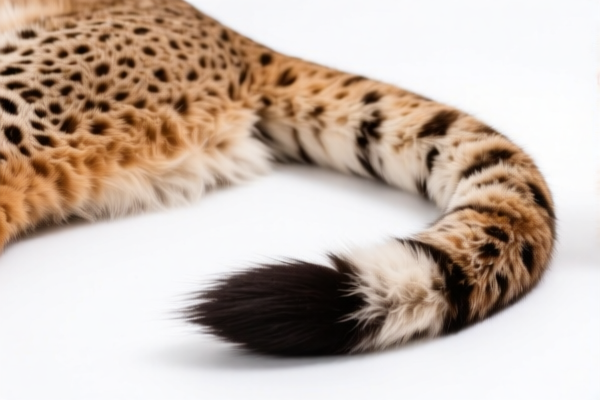
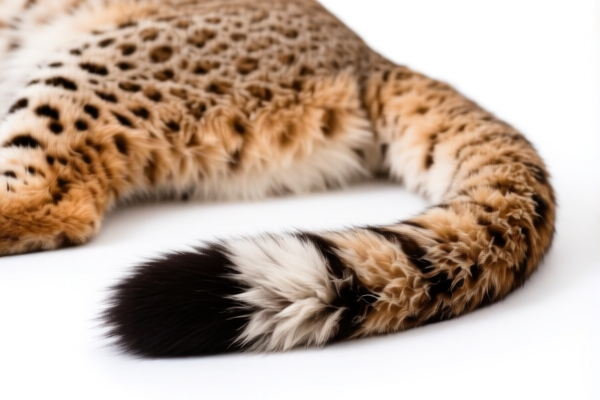
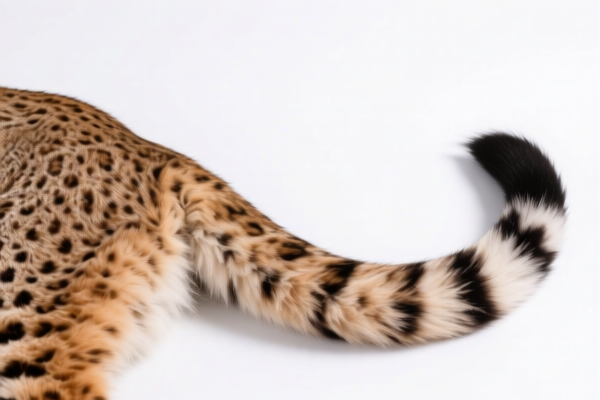
Lynx furskins with tail
CN → US| HS编码 | 关税税率 | 原产国 | 目的国 | 文档 |
|---|---|---|---|---|
| 4302193070 | 36.5% | CN | US | 官方文档 |
| 4302194570 | 37.2% | CN | US | 官方文档 |
商品图片

AI分析
🐾 Lynx Furskins with Tail (Whole Skins, Unassembled)
🌐 HS Code Reference & Customs Clearance Guide | 2026 Latest Tariff Analysis | Professional Clearance Strategy 📌 I. Product Definition & Classification: What exactly is "Lynx Fur"?
In international trade, "Lynx furskins with tail" fall under the category of Tanned or Dressed Furskins. The key distinction here is whether the fur is unassembled (raw whole skin with head/tail intact) or assembled (cut and sewn into a coat/gilet).
Based on the provided data, we are looking at Whole Skins (with or without head/tail) that are not assembled into garments. The classification depends entirely on whether the fur is Dyed or Not Dyed.
⚠️ Key Distinction Point:
- If the fur is Natural/Undyed → Goes to 4302.19.30.70
- If the fur is Dyed (any color, artificial or natural dye) → Goes to 4302.19.45.70
📦 II. HS Code Classification Details (2026 Latest Tariff Authority)
| HS Code | Product Description | Application Scenario | Tax Rate |
|---|---|---|---|
4302.19.30.70 |
Lynx Furskins (With Tail), Not Dyed | Natural color lynx pelts, untreated dye, raw processed skins | 0.0% |
4302.19.45.70 |
Lynx Furskins (With Tail), Dyed | Dyed lynx pelts (black, brown, red, etc.), chemically or naturally dyed | 0.0% |
🔍 Important Note:
- Both codes are under Heading 4302: "Tanned or dressed furskins... other than those of heading 4303."
- Heading 4303 refers to assembled furskins (e.g., coats, hats). Since your product is unassembled (whole skins), it falls under 4302.
- The subheading 4302.19 covers "Other" animals (including Lynx, Fox, Beaver, etc.).
- The distinction is strictly Dyed vs. Not Dyed.
💰 III. 2026 Latest Tariff Rate Detail (Including Surtaxes)
✅ Applicable Country: United States (US)
✅ Origin: Likely China or other major fur-producing regions
✅ Effective Date: 2025–2026 (Current Trade Policy)
🎯 1. 4302.19.30.70 —— Lynx Furskins, Not Dyed
| Item | Content |
|---|---|
| Basic Tariff | 0.0% |
| Section 301 Surtax | 0.0% |
| Total Tax Rate | 0.0% |
| Tax Detail | Basic Tariff: 0.0%, Surtax: 0.0% |
| Is De Minimis Applicable? | ❌ No (Furskins are generally excluded from Section 321 de minimis exemptions due to animal product regulations and high scrutiny) |
| Legal Basis Path | HTSUS:4302.19.30.70 → USITC:4302.19 → USDA/FWS Permits Required |
📌 Explanation:
- Lynx is a protected species under CITES (Convention on International Trade in Endangered Species). This is the most critical factor.
- Even if the tariff is 0%, importing Lynx fur requires strict CITES permits (if wild-caught) or breeding certificates (if captive-bred).
- Without proper documentation, goods will be seized and destroyed, regardless of the 0% tariff.
🎯 2. 4302.19.45.70 —— Lynx Furskins, Dyed
| Item | Content |
|---|---|
| Basic Tariff | 0.0% |
| Section 301 Surtax | 0.0% |
| Total Tax Rate | 0.0% |
| Tax Detail | Basic Tariff: 0.0%, Surtax: 0.0% |
| Is De Minimis Applicable? | ❌ No |
| Legal Basis Path | HTSUS:4302.19.45.70 → USITC:4302.19 → USDA/FWS Permits Required |
📌 Explanation:
- Same as above: Tariff is 0%, but Regulatory Compliance is 100% mandatory.
- Dyeing process does not change the animal origin; CITES rules still apply.
🛠️ IV. Customs Clearance Practical Advice (Real-World Pitfall Guide)
✅ 1. Documentation Checklist (Non-Negotiable)
| Document | Mandatory? | Description |
|---|---|---|
| ✅ CITES Permit | ✔️ YES | Proof that the Lynx was legally bred or sourced. Wild Lynx is BANNED from commercial import in most cases. |
| ✅ USDA Import Permit | ✔️ YES | Required for all animal products entering the US. |
| ✅ Commercial Invoice | ✔️ YES | Must specify "Lynx Furskin, Dyed/Not Dyed, Whole Skin" |
| ✅ Packing List | ✔️ YES | Detail weight, number of skins, and dimensions. |
| ✅ Species Verification Certificate | ✔️ YES | From supplier proving species is Lynx lynx or Lynx rufus and origin (Captive vs. Wild). |
🚨 CRITICAL WARNING:
- Lynx is often confused with other big cats. Mislabeling as "Fox" or "Marten" is a federal offense.
- Wild-caught Lynx fur is generally prohibited for commercial import into the US/EU. Only captive-bred Lynx fur is typically allowed with proper CITES Appendix II permits.
- DO NOT rely on "De Minimis" (under $800) for fur products. Customs aggressively inspects animal products for smuggling and disease control.
✅ 2. Declaration Tips (Key Mnemonics)
🔥 "Species First, Permit Always, Dyed vs. Raw Matters for Code!"
| Scenario | Correct HS Code | Common Mistake |
|---|---|---|
| Lynx Skin, Natural Color | 4302.19.30.70 |
Mislabel as "Other Fur" → Audited for species |
| Lynx Skin, Dyed Black | 4302.19.45.70 |
Mislabel as "Assembled Fur" (4303) → Wrong Heading |
| Lynx Coat (Assembled) | Not in Data (See 4303) | Trying to fit into 4302 → Rejected |
| Any Animal Fur | Always Attach CITES | Forgetting Permit → Seizure & Fine |
🌍 V. Global Market Comparison (2026 Latest)
| Country/Region | Recommended HS Code | Tariff | Regulatory Requirement | Note |
|---|---|---|---|---|
| 🇺🇸 USA | 4302.19.30.70 / 45.70 |
0% | CITES + USDA | Strict species verification. Wild fur banned. |
| 🇪🇺 EU | 4302 similar | 0–2.5% | EU Wildlife Trade Regulations | CITES equivalent. Very strict on proof of captivity. |
| 🇨🇳 China | 4302 similar | 5–10% | CITES + Domestic Wildlife Law | Import of wild fur banned. Captive-bred allowed with permits. |
| 🇯🇵 Japan | 4302 similar | 2.5–4.5% | CITES + Animal Protection Act | Requires species declaration and permit. |
📌 Conclusion:
- Tariff is 0% everywhere in the provided data, but Regulatory Cost is High.
- USA & EU are the most stringent on Lynx specifically due to conservation efforts.
- Do not attempt to bypass CITES by misdeclaring as "Fox" or "Marten." Modern DNA testing can identify species even from processed skins.
📌 VI. Common Errors & Pitfall Guide (Blood & Tears Lessons)
❌ Mistake 1: Declaring "Lynx Fur" without CITES Permit
👉 Consequence: Goods seized, $10,000+ fines, criminal investigation.
❌ Mistake 2: Mislabeling Lynx as "Fox" or "Martens" to avoid permits
👉 Consequence: DNA testing reveals species → Seizure + Blacklist your company.
❌ Mistake 3: Assuming "De Minimis" ($800) applies to fur skins
👉 Consequence: Not applicable. Animal products are always subject to full inspection and permits, regardless of value.
❌ Mistake 4: Confusing "Whole Skin" (4302) with "Assembled Garment" (4303)
👉 Consequence: Wrong HS Code → Delayed clearance, audits, potential reclassification penalties.
✅ Correct Action:
"Lynx Fur Skin, Captive-Bred, Dyed Brown, Whole, With Tail. CITES Permit #XXXX-XXXX Attached. USDA Import Permit #YYYY-YYYY Attached."
🎯 VII. Conclusion: Professional Clearance, Save Time, Avoid Fines!
🎯 Remember the Mantra:
🔹 "Zero Tariff, Full Permit. Lynx is Protected. Don't Risk It."
🔹 "Code is 0%, Compliance is 100%. One Missing Paper, Total Loss."
📌 Pro Tip:
- If you are not 100% sure about the species, hire a specialist wildlife customs broker.
- CITES permits take weeks to obtain. Plan your shipment timeline accordingly.
- Keep digital copies of all permits with the commercial invoice.
📣 Immediate Action:
📞 Contact a Wildlife Trade Compliance Expert
📄 Obtain CITES Appendix II Permit for Captive-Bred Lynx
🚀 Ensure Smooth Clearance, No Seizure, Legal Trade!
✨ Professional Clearance Starts with Precise Compliance!
💼 Your Profit Margin is Safe Only When Your Documentation is Perfect!
用户评价
关于 HS 编码归类
协调制度(HS)是由世界海关组织(WCO)制定的国际贸易商品分类标准。全球 200 多个国家采用 HS 系统作为海关关税、贸易统计和进出口监管的基础。
每个 HS 编码遵循以下层级结构:
- 章(2 位)——商品大类(例如:第 84 章:机器和机械设备)
- 品目(4 位)——章内的更具体分类
- 子目(6 位)——国际通用细分,所有 WCO 成员国统一使用
- 本国细分(8-10 位)——各国自行扩展的细分编码,如美国 HTSUS 10 位编码
正确的 HS 编码归类对于顺利通关、准确缴纳关税和遵守贸易法规至关重要。错误归类可能导致海关延误、多缴关税或罚款。
从CN进口到US时,适用的关税税率可能包括:
- 最惠国(MFN)税率——适用于 WTO 成员国的标准关税税率
- 普通税率——适用于无贸易协定国家
- 贸易救济关税——附加关税,如 301 条款(反倾销)、232 条款(国家安全)或反补贴税
本页内容仅供参考。如需正式归类,请咨询当地海关或持牌报关代理。