Lynx furskins with tail
CN → US| HS Code | Tariff Rate | Origin | Destination | Doc |
|---|---|---|---|---|
| 4302193070 | 36.5% | CN | US | Official Doc |
| 4302194570 | 37.2% | CN | US | Official Doc |
Product Images
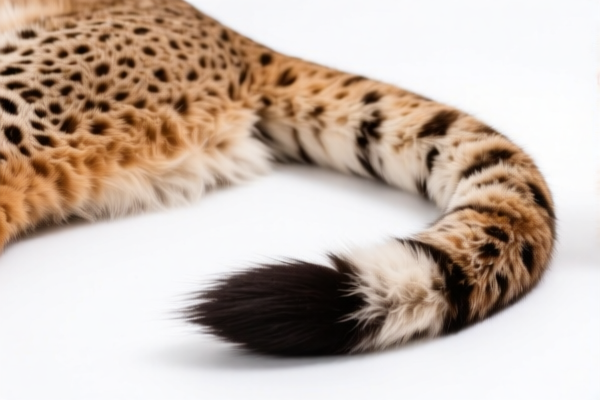
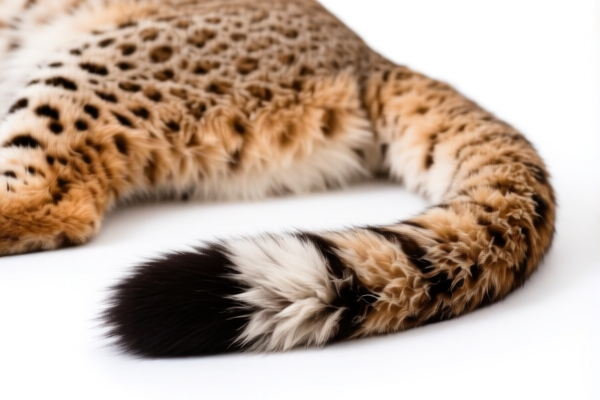
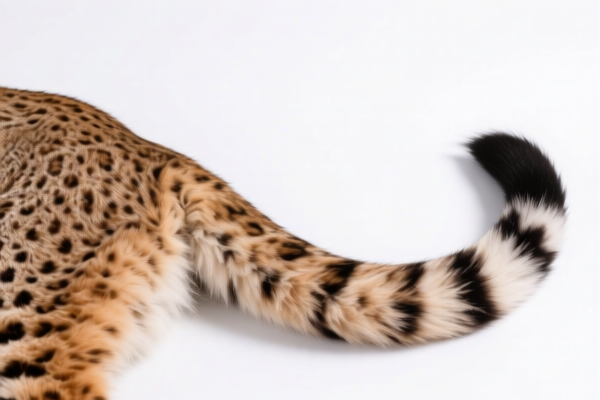

AI Analysis
🐾 Lynx Furskins with Tail (Whole Skins, Unassembled)
🌐 HS Code Reference & Customs Clearance Guide | 2026 Latest Tariff Analysis | Professional Clearance Strategy 📌 I. Product Definition & Classification: What exactly is "Lynx Fur"?
In international trade, "Lynx furskins with tail" fall under the category of Tanned or Dressed Furskins. The key distinction here is whether the fur is unassembled (raw whole skin with head/tail intact) or assembled (cut and sewn into a coat/gilet).
Based on the provided data, we are looking at Whole Skins (with or without head/tail) that are not assembled into garments. The classification depends entirely on whether the fur is Dyed or Not Dyed.
⚠️ Key Distinction Point:
- If the fur is Natural/Undyed → Goes to 4302.19.30.70
- If the fur is Dyed (any color, artificial or natural dye) → Goes to 4302.19.45.70
📦 II. HS Code Classification Details (2026 Latest Tariff Authority)
| HS Code | Product Description | Application Scenario | Tax Rate |
|---|---|---|---|
4302.19.30.70 |
Lynx Furskins (With Tail), Not Dyed | Natural color lynx pelts, untreated dye, raw processed skins | 0.0% |
4302.19.45.70 |
Lynx Furskins (With Tail), Dyed | Dyed lynx pelts (black, brown, red, etc.), chemically or naturally dyed | 0.0% |
🔍 Important Note:
- Both codes are under Heading 4302: "Tanned or dressed furskins... other than those of heading 4303."
- Heading 4303 refers to assembled furskins (e.g., coats, hats). Since your product is unassembled (whole skins), it falls under 4302.
- The subheading 4302.19 covers "Other" animals (including Lynx, Fox, Beaver, etc.).
- The distinction is strictly Dyed vs. Not Dyed.
💰 III. 2026 Latest Tariff Rate Detail (Including Surtaxes)
✅ Applicable Country: United States (US)
✅ Origin: Likely China or other major fur-producing regions
✅ Effective Date: 2025–2026 (Current Trade Policy)
🎯 1. 4302.19.30.70 —— Lynx Furskins, Not Dyed
| Item | Content |
|---|---|
| Basic Tariff | 0.0% |
| Section 301 Surtax | 0.0% |
| Total Tax Rate | 0.0% |
| Tax Detail | Basic Tariff: 0.0%, Surtax: 0.0% |
| Is De Minimis Applicable? | ❌ No (Furskins are generally excluded from Section 321 de minimis exemptions due to animal product regulations and high scrutiny) |
| Legal Basis Path | HTSUS:4302.19.30.70 → USITC:4302.19 → USDA/FWS Permits Required |
📌 Explanation:
- Lynx is a protected species under CITES (Convention on International Trade in Endangered Species). This is the most critical factor.
- Even if the tariff is 0%, importing Lynx fur requires strict CITES permits (if wild-caught) or breeding certificates (if captive-bred).
- Without proper documentation, goods will be seized and destroyed, regardless of the 0% tariff.
🎯 2. 4302.19.45.70 —— Lynx Furskins, Dyed
| Item | Content |
|---|---|
| Basic Tariff | 0.0% |
| Section 301 Surtax | 0.0% |
| Total Tax Rate | 0.0% |
| Tax Detail | Basic Tariff: 0.0%, Surtax: 0.0% |
| Is De Minimis Applicable? | ❌ No |
| Legal Basis Path | HTSUS:4302.19.45.70 → USITC:4302.19 → USDA/FWS Permits Required |
📌 Explanation:
- Same as above: Tariff is 0%, but Regulatory Compliance is 100% mandatory.
- Dyeing process does not change the animal origin; CITES rules still apply.
🛠️ IV. Customs Clearance Practical Advice (Real-World Pitfall Guide)
✅ 1. Documentation Checklist (Non-Negotiable)
| Document | Mandatory? | Description |
|---|---|---|
| ✅ CITES Permit | ✔️ YES | Proof that the Lynx was legally bred or sourced. Wild Lynx is BANNED from commercial import in most cases. |
| ✅ USDA Import Permit | ✔️ YES | Required for all animal products entering the US. |
| ✅ Commercial Invoice | ✔️ YES | Must specify "Lynx Furskin, Dyed/Not Dyed, Whole Skin" |
| ✅ Packing List | ✔️ YES | Detail weight, number of skins, and dimensions. |
| ✅ Species Verification Certificate | ✔️ YES | From supplier proving species is Lynx lynx or Lynx rufus and origin (Captive vs. Wild). |
🚨 CRITICAL WARNING:
- Lynx is often confused with other big cats. Mislabeling as "Fox" or "Marten" is a federal offense.
- Wild-caught Lynx fur is generally prohibited for commercial import into the US/EU. Only captive-bred Lynx fur is typically allowed with proper CITES Appendix II permits.
- DO NOT rely on "De Minimis" (under $800) for fur products. Customs aggressively inspects animal products for smuggling and disease control.
✅ 2. Declaration Tips (Key Mnemonics)
🔥 "Species First, Permit Always, Dyed vs. Raw Matters for Code!"
| Scenario | Correct HS Code | Common Mistake |
|---|---|---|
| Lynx Skin, Natural Color | 4302.19.30.70 |
Mislabel as "Other Fur" → Audited for species |
| Lynx Skin, Dyed Black | 4302.19.45.70 |
Mislabel as "Assembled Fur" (4303) → Wrong Heading |
| Lynx Coat (Assembled) | Not in Data (See 4303) | Trying to fit into 4302 → Rejected |
| Any Animal Fur | Always Attach CITES | Forgetting Permit → Seizure & Fine |
🌍 V. Global Market Comparison (2026 Latest)
| Country/Region | Recommended HS Code | Tariff | Regulatory Requirement | Note |
|---|---|---|---|---|
| 🇺🇸 USA | 4302.19.30.70 / 45.70 |
0% | CITES + USDA | Strict species verification. Wild fur banned. |
| 🇪🇺 EU | 4302 similar | 0–2.5% | EU Wildlife Trade Regulations | CITES equivalent. Very strict on proof of captivity. |
| 🇨🇳 China | 4302 similar | 5–10% | CITES + Domestic Wildlife Law | Import of wild fur banned. Captive-bred allowed with permits. |
| 🇯🇵 Japan | 4302 similar | 2.5–4.5% | CITES + Animal Protection Act | Requires species declaration and permit. |
📌 Conclusion:
- Tariff is 0% everywhere in the provided data, but Regulatory Cost is High.
- USA & EU are the most stringent on Lynx specifically due to conservation efforts.
- Do not attempt to bypass CITES by misdeclaring as "Fox" or "Marten." Modern DNA testing can identify species even from processed skins.
📌 VI. Common Errors & Pitfall Guide (Blood & Tears Lessons)
❌ Mistake 1: Declaring "Lynx Fur" without CITES Permit
👉 Consequence: Goods seized, $10,000+ fines, criminal investigation.
❌ Mistake 2: Mislabeling Lynx as "Fox" or "Martens" to avoid permits
👉 Consequence: DNA testing reveals species → Seizure + Blacklist your company.
❌ Mistake 3: Assuming "De Minimis" ($800) applies to fur skins
👉 Consequence: Not applicable. Animal products are always subject to full inspection and permits, regardless of value.
❌ Mistake 4: Confusing "Whole Skin" (4302) with "Assembled Garment" (4303)
👉 Consequence: Wrong HS Code → Delayed clearance, audits, potential reclassification penalties.
✅ Correct Action:
"Lynx Fur Skin, Captive-Bred, Dyed Brown, Whole, With Tail. CITES Permit #XXXX-XXXX Attached. USDA Import Permit #YYYY-YYYY Attached."
🎯 VII. Conclusion: Professional Clearance, Save Time, Avoid Fines!
🎯 Remember the Mantra:
🔹 "Zero Tariff, Full Permit. Lynx is Protected. Don't Risk It."
🔹 "Code is 0%, Compliance is 100%. One Missing Paper, Total Loss."
📌 Pro Tip:
- If you are not 100% sure about the species, hire a specialist wildlife customs broker.
- CITES permits take weeks to obtain. Plan your shipment timeline accordingly.
- Keep digital copies of all permits with the commercial invoice.
📣 Immediate Action:
📞 Contact a Wildlife Trade Compliance Expert
📄 Obtain CITES Appendix II Permit for Captive-Bred Lynx
🚀 Ensure Smooth Clearance, No Seizure, Legal Trade!
✨ Professional Clearance Starts with Precise Compliance!
💼 Your Profit Margin is Safe Only When Your Documentation is Perfect!
Customer Reviews
About HS Code Classification
The Harmonized System (HS) is an internationally standardized nomenclature developed by the World Customs Organization (WCO) to classify traded products. Over 200 countries use the HS system as the basis for customs tariffs, trade statistics, and import/export regulations.
Each HS code follows a hierarchical structure:
- Chapter (2 digits) — Broad category of goods (e.g., Chapter 84: Machinery and Mechanical Appliances)
- Heading (4 digits) — More specific grouping within the chapter
- Subheading (6 digits) — Internationally standardized breakdown, used by all WCO member countries
- National subdivisions (8-10 digits) — Country-specific extensions for further classification, such as US HTSUS 10-digit codes
Correct HS code classification is essential for smooth customs clearance, accurate duty payment, and compliance with trade regulations. Misclassification can lead to customs delays, overpayment of duties, or penalties.
When importing from CN to US, the applicable tariff rates may include:
- Most-Favored-Nation (MFN) rate — The standard duty rate applied to WTO members
- General rate — Applied to countries without trade agreements
- Trade remedy duties — Additional tariffs such as Section 301 (anti-dumping), Section 232 (national security), or countervailing duties
The information provided on this page is for reference purposes only. For official classification, please consult with your local customs authority or a licensed customs broker.