MOUSSE RING
CN → US| HS编码 | 关税税率 | 原产国 | 目的国 | 文档 |
|---|---|---|---|---|
| 3924104000 | 13.4% | CN | US | 官方文档 |
| 3924101000 | 13.4% | CN | US | 官方文档 |
| 7323930035 | 62.0% | CN | US | 官方文档 |
| 7323915020 | 15.3% | CN | US | 官方文档 |
| 7615103015 | 70.6% | CN | US | 官方文档 |
| 7615107130 | 63.1% | CN | US | 官方文档 |
商品图片

AI分析
🍰 Mousse Ring (Mold/Tool) – The Critical Classification Guide for Kitchenware Imports
🌐 HS Code Reference & Customs Clearance Guide | 2026 Latest Tariff Analysis | Professional Strategy
📌 I. Product Definition: What is a "Mousse Ring"?
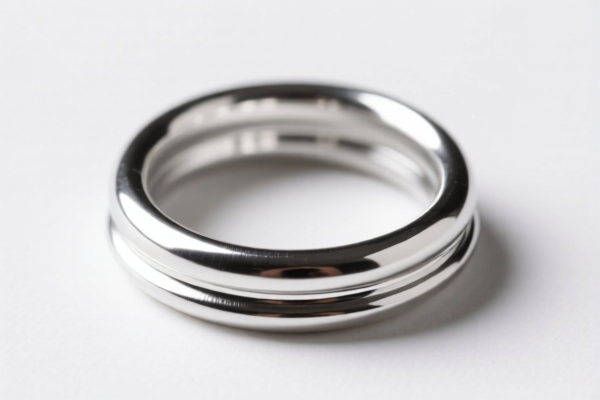
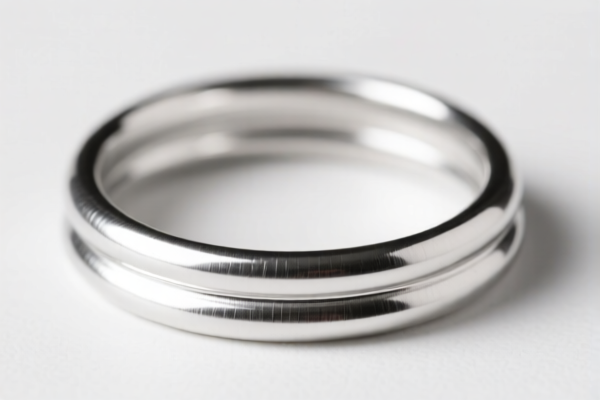
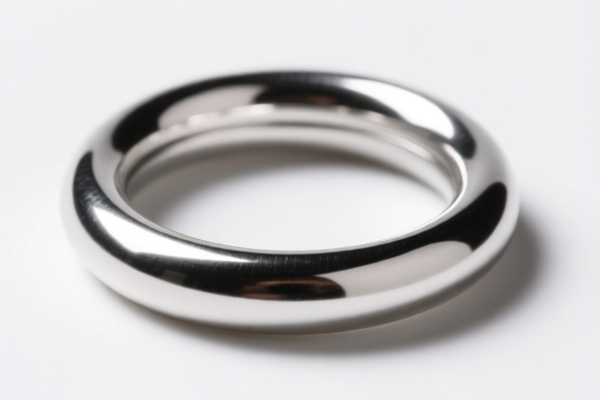
A Mousse Ring is a culinary tool used primarily for shaping desserts like mousses, cheesecakes, or layered cakes. While often made of metal, they can also be made of plastic or silicone.
In international trade, the material determines the HS Code. A "Mousse Ring" is NOT a single classified item; it falls into three distinct categories based on its composition: 1. Stainless Steel/Carbon Steel Rings: Rigid, reusable molds (often with clamps). 2. Cast Iron Rings: Less common, heavy-duty baking rings. 3. Plastic/Silicone Rings: Disposable or flexible molds (often classified as tableware/kitchenware).
⚠️ Key Distinction:
- If it is metal (Iron/Steel/Aluminum) and intended for cooking/baking, it falls under Chapter 73 or 76.
- If it is plastic and functions as a serving dish or dispenser, it falls under Chapter 39.
- Silicone is often grouped with rubber/plastics or specific kitchen articles depending on local interpretation, but in the provided dataset, we focus on Steel, Cast Iron, Aluminum, and Plastic.
📦 II. HS Code Classification Details (Based on Provided Data)
| HS Code | Material Description | Product Type | Key Features |
|---|---|---|---|
7323.93.00.35 |
Stainless Steel | Bakeware (Cookware) | Non-stick or enameled interior; Not suitable for stovetop use. |
7323.91.50.20 |
Cast Iron | Bakeware (Cookware) | Unenameled cast iron; Not suitable for stovetop use. |
3924.10.40.00 |
Plastics | Tableware/Kitchenware | General plastic kitchen items; non-dispensers. |
3924.10.10.00 |
Plastics | Dispensers | Salt, pepper, mustard, or ketchup dispensers (Note: Mousse rings are rarely classified here unless part of a dispenser set, but listed in data). |
7615.10.30.15 |
Aluminum | Bakeware (Cookware) | Enameled/Glazed/Non-stick interior; Not suitable for stovetop use. |
7615.10.71.30 |
Aluminum | Other Cookware | Not enameled/glazed/non-stick; Bakeware. |
🔍 Critical Clarification:
- Most professional chef’s mousse rings are Stainless Steel (7323.93.00.35) because they are durable and reusable.
- Cheap, disposable, or colorful mousse rings are often Plastic (3924.10.40.00).
- Aluminum (7615) is less common for mousse rings due to reactivity, but possible if enameled.
💰 III. 2026 Tariff Rate Breakdown (High Stakes for Metal Imports)
✅ Applicable Country: United States (US)
✅ Origin: China (CN)
✅ Effective Date: Current rates apply
🎯 1. 7323.93.00.35 – Stainless Steel Bakeware (Most Common for Professional Rings)
| Item | Detail |
|---|---|
| Base Tariff | 2.0% |
| Section 301 / Aluminum & Steel Tariff | +50% (Special levy on Steel/Aluminum/Copper products) |
| Total Tariff | 52.0% |
| De Minimis Exemption | ❌ NOT Eligible (deny_de_minimis) |
| Legal Path | Section 301 Steel Tariff → 7323.93.00.35 |
📌 Explanation:
- This is the most likely code for high-quality metal mousse rings.
- The 52% total tariff is extremely high.
- Warning: This applies to steel articles of iron/steel. Do not assume "food grade" exempts you from Section 301.
🎯 2. 7323.91.50.20 – Cast Iron Bakeware
| Item | Detail |
|---|---|
| Base Tariff | 5.3% |
| Section 301 / Aluminum & Steel Tariff | 0% (Note: Cast iron sometimes has different levy rates depending on specific sub-heading nuances, but data shows 0% additional here) |
| Total Tariff | 5.3% |
| De Minimis Exemption | ❌ NOT Eligible |
| Legal Path | 7323.91.50.20 |
📌 Explanation:
- If your mousse ring is made of Cast Iron (heavy, black, rustic style), the tariff is much lower (5.3%).
- Verify material: If it’s mild steel, it might be7323.93(52%). If it’s truly cast iron, it’s7323.91(5.3%).
🎯 3. 7615.10.30.15 – Aluminum Bakeware (Enameled/Non-stick)
| Item | Detail |
|---|---|
| Base Tariff | 3.1% |
| Section 301 / Aluminum & Steel Tariff | +50% |
| Total Tariff | 60.6% |
| De Minimis Exemption | ❌ NOT Eligible |
| Legal Path | Section 301 Aluminum Tariff → 7615.10.30.15 |
📌 Explanation:
- Aluminum items face the highest tariff in the dataset (60.6%).
- Avoid this classification if possible unless the product is uniquely aluminum-based.
🎯 4. 7615.10.71.30 – Aluminum Bakeware (Plain/Unenameled)
| Item | Detail |
|---|---|
| Base Tariff | 3.1% |
| Section 301 / Aluminum & Steel Tariff | +50% |
| Total Tariff | 53.1% |
| De Minimis Exemption | ❌ NOT Eligible |
| Legal Path | Section 301 Aluminum Tariff → 7615.10.71.30 |
📌 Explanation:
- Even plain aluminum bakeware is subject to the 50% surcharge, totaling 53.1%.
🎯 5. 3924.10.40.00 – Plastic Tableware/Kitchenware
| Item | Detail |
|---|---|
| Base Tariff | 3.4% |
| Section 301 / Aluminum & Steel Tariff | 0% (Plastics are not subject to the specific Steel/Aluminum/Copper tariff) |
| Total Tariff | 3.4% |
| De Minimis Exemption | ❌ NOT Eligible (Based on provided data, no exemption listed for this code) |
| Legal Path | 3924.10.40.00 |
📌 Explanation:
- If the mousse ring is Plastic (e.g., colorful, flexible, or disposable), the tariff is very low (3.4%).
- This is the cost-effective classification for non-metal rings.
🛠️ IV. Customs Clearance Practical Advice
✅ 1. Material Verification is Key
| Material | Likely HS Code | Tariff Impact |
|---|---|---|
| Stainless Steel | 7323.93.00.35 |
52.0% (High) |
| Cast Iron | 7323.91.50.20 |
5.3% (Low) |
| Aluminum | 7615.10.30.15 |
60.6% (Highest) |
| Plastic | 3924.10.40.00 |
3.4% (Low) |
🔥 Strategy:
- If you are importing Stainless Steel mousse rings, be prepared for 52% duty.
- Consider if Cast Iron or Plastic alternatives are viable for your market.
- Aluminum should be avoided due to the 60.6% tariff.
✅ 2. Declaration Tips
| Scenario | Correct Declaration | Incorrect Declaration |
|---|---|---|
| Metal Ring | "Stainless Steel Mousse Ring, Bakeware, Not for Stovetop Use" | "Kitchen Tool" (Vague → Potential Re-classification) |
| Plastic Ring | "Plastic Mousse Ring, Tableware/Kitchenware" | "Cookware" (May trigger Chapter 73 scrutiny) |
| Set of Rings | Declare as "Bakeware Set" including all components | Split into individual items if not sold as a set |
📌 Note:
- Ensure the description explicitly states "Not suitable for stovetop use" to qualify for the Bakeware subheading (...35,...20,...15). If it is stovetop safe, it may fall under different cookware codes with different rates.
✅ 3. Documentation Required
| Document | Requirement |
|---|---|
| Commercial Invoice | Must clearly state material (e.g., "18/8 Stainless Steel") |
| Product Photos | Show the ring’s structure (welded seams, handle, clamps) |
| Material Test Report | Proves it is Stainless Steel/Cast Iron/Plastic (critical for Section 301) |
| Usage Statement | Confirm it is for baking/chilling (Bakeware), not direct flame cooking |
🚫 V. Common Pitfalls & Blood Lessons
❌ Pitfall 1: Misclassifying Stainless Steel as "Cast Iron"
👉 Result: If the metal is not cast iron, customs will re-classify to 7323.93.00.35, resulting in a 52% vs 5.3% tariff difference + penalties.
❌ Pitfall 2: Ignoring the Section 301 Surcharge
👉 Result: Declaring only the base rate (2-3%) without the 50% surcharge for steel/aluminum leads to seizure or massive back-taxes.
❌ Pitfall 3: Assuming "Food Grade" Exemptions
👉 Result: No such exemption exists for Section 301 steel/aluminum tariffs. All steel/aluminum kitchenware is subject to the 50% levy.
✅ Correct Approach:
"Stainless Steel Mousse Ring, 10cm, Bakeware, Not for Stovetop Use, Model XYZ"
HS Code:7323.93.00.35
Total Duty: 52.0%
🎯 VI. Conclusion: Cost-Saving Strategy
🎯 Remember:
🔹 Plastic = 3.4% (Cheapest)
🔹 Cast Iron = 5.3% (Low for metal)
🔹 Stainless Steel = 52.0% (Expensive)
🔹 Aluminum = 53-60% (Most Expensive)
📌 Action Item:
- If your product is Stainless Steel, budget for 52% duty.
- If you can switch to Cast Iron or Plastic materials without compromising quality, you can save ~47-50% in tariffs.
- Always request a Material Certificates from suppliers to prove exact composition.
📣 Immediate Action:
📞 Contact a licensed customs broker
📄 Obtain material composition tests
🚀 Apply for Advance Ruling if shipment value is high
✨ Professional clearance starts with precise classification!
💼 Don’t let a 50% surcharge eat your profit margin!
用户评价
关于 HS 编码归类
协调制度(HS)是由世界海关组织(WCO)制定的国际贸易商品分类标准。全球 200 多个国家采用 HS 系统作为海关关税、贸易统计和进出口监管的基础。
每个 HS 编码遵循以下层级结构:
- 章(2 位)——商品大类(例如:第 84 章:机器和机械设备)
- 品目(4 位)——章内的更具体分类
- 子目(6 位)——国际通用细分,所有 WCO 成员国统一使用
- 本国细分(8-10 位)——各国自行扩展的细分编码,如美国 HTSUS 10 位编码
正确的 HS 编码归类对于顺利通关、准确缴纳关税和遵守贸易法规至关重要。错误归类可能导致海关延误、多缴关税或罚款。
从CN进口到US时,适用的关税税率可能包括:
- 最惠国(MFN)税率——适用于 WTO 成员国的标准关税税率
- 普通税率——适用于无贸易协定国家
- 贸易救济关税——附加关税,如 301 条款(反倾销)、232 条款(国家安全)或反补贴税
本页内容仅供参考。如需正式归类,请咨询当地海关或持牌报关代理。