MOUSSE RING
CN → US| HS Code | Tariff Rate | Origin | Destination | Doc |
|---|---|---|---|---|
| 3924104000 | 13.4% | CN | US | Official Doc |
| 3924101000 | 13.4% | CN | US | Official Doc |
| 7323930035 | 62.0% | CN | US | Official Doc |
| 7323915020 | 15.3% | CN | US | Official Doc |
| 7615103015 | 70.6% | CN | US | Official Doc |
| 7615107130 | 63.1% | CN | US | Official Doc |
Product Images
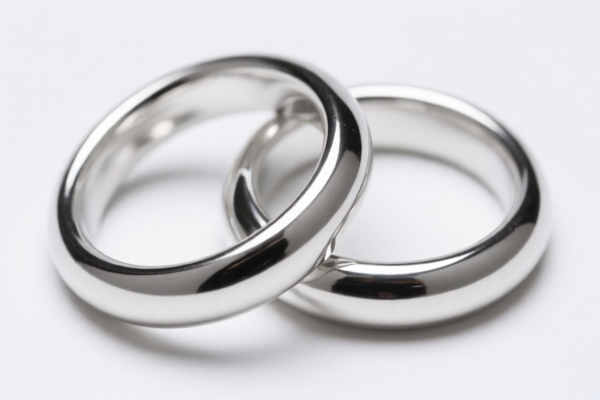
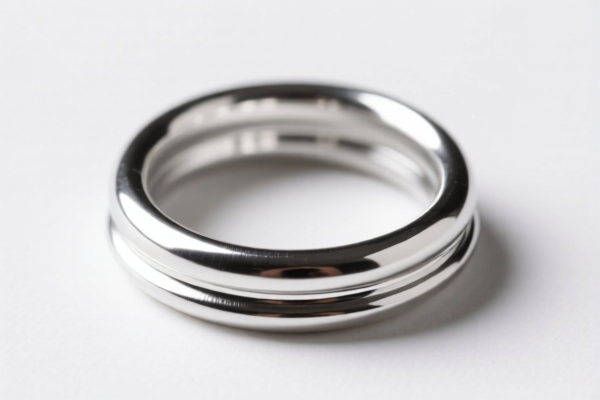
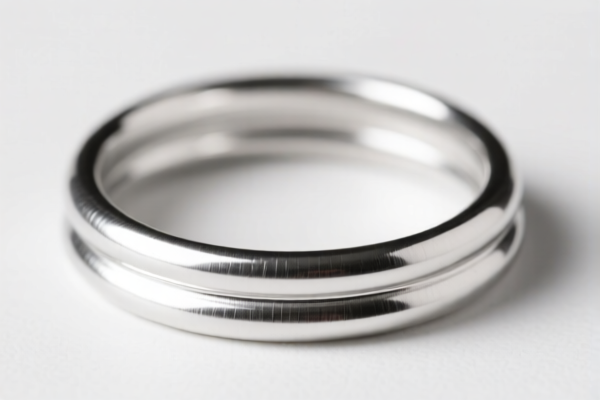
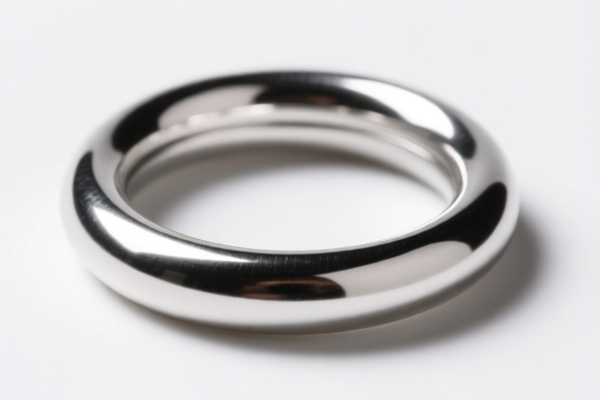
AI Analysis
🍰 Mousse Ring (Mold/Tool) – The Critical Classification Guide for Kitchenware Imports
🌐 HS Code Reference & Customs Clearance Guide | 2026 Latest Tariff Analysis | Professional Strategy
📌 I. Product Definition: What is a "Mousse Ring"?
A Mousse Ring is a culinary tool used primarily for shaping desserts like mousses, cheesecakes, or layered cakes. While often made of metal, they can also be made of plastic or silicone.
In international trade, the material determines the HS Code. A "Mousse Ring" is NOT a single classified item; it falls into three distinct categories based on its composition: 1. Stainless Steel/Carbon Steel Rings: Rigid, reusable molds (often with clamps). 2. Cast Iron Rings: Less common, heavy-duty baking rings. 3. Plastic/Silicone Rings: Disposable or flexible molds (often classified as tableware/kitchenware).
⚠️ Key Distinction:
- If it is metal (Iron/Steel/Aluminum) and intended for cooking/baking, it falls under Chapter 73 or 76.
- If it is plastic and functions as a serving dish or dispenser, it falls under Chapter 39.
- Silicone is often grouped with rubber/plastics or specific kitchen articles depending on local interpretation, but in the provided dataset, we focus on Steel, Cast Iron, Aluminum, and Plastic.
📦 II. HS Code Classification Details (Based on Provided Data)
| HS Code | Material Description | Product Type | Key Features |
|---|---|---|---|
7323.93.00.35 |
Stainless Steel | Bakeware (Cookware) | Non-stick or enameled interior; Not suitable for stovetop use. |
7323.91.50.20 |
Cast Iron | Bakeware (Cookware) | Unenameled cast iron; Not suitable for stovetop use. |
3924.10.40.00 |
Plastics | Tableware/Kitchenware | General plastic kitchen items; non-dispensers. |
3924.10.10.00 |
Plastics | Dispensers | Salt, pepper, mustard, or ketchup dispensers (Note: Mousse rings are rarely classified here unless part of a dispenser set, but listed in data). |
7615.10.30.15 |
Aluminum | Bakeware (Cookware) | Enameled/Glazed/Non-stick interior; Not suitable for stovetop use. |
7615.10.71.30 |
Aluminum | Other Cookware | Not enameled/glazed/non-stick; Bakeware. |
🔍 Critical Clarification:
- Most professional chef’s mousse rings are Stainless Steel (7323.93.00.35) because they are durable and reusable.
- Cheap, disposable, or colorful mousse rings are often Plastic (3924.10.40.00).
- Aluminum (7615) is less common for mousse rings due to reactivity, but possible if enameled.
💰 III. 2026 Tariff Rate Breakdown (High Stakes for Metal Imports)
✅ Applicable Country: United States (US)
✅ Origin: China (CN)
✅ Effective Date: Current rates apply
🎯 1. 7323.93.00.35 – Stainless Steel Bakeware (Most Common for Professional Rings)
| Item | Detail |
|---|---|
| Base Tariff | 2.0% |
| Section 301 / Aluminum & Steel Tariff | +50% (Special levy on Steel/Aluminum/Copper products) |
| Total Tariff | 52.0% |
| De Minimis Exemption | ❌ NOT Eligible (deny_de_minimis) |
| Legal Path | Section 301 Steel Tariff → 7323.93.00.35 |
📌 Explanation:
- This is the most likely code for high-quality metal mousse rings.
- The 52% total tariff is extremely high.
- Warning: This applies to steel articles of iron/steel. Do not assume "food grade" exempts you from Section 301.
🎯 2. 7323.91.50.20 – Cast Iron Bakeware
| Item | Detail |
|---|---|
| Base Tariff | 5.3% |
| Section 301 / Aluminum & Steel Tariff | 0% (Note: Cast iron sometimes has different levy rates depending on specific sub-heading nuances, but data shows 0% additional here) |
| Total Tariff | 5.3% |
| De Minimis Exemption | ❌ NOT Eligible |
| Legal Path | 7323.91.50.20 |
📌 Explanation:
- If your mousse ring is made of Cast Iron (heavy, black, rustic style), the tariff is much lower (5.3%).
- Verify material: If it’s mild steel, it might be7323.93(52%). If it’s truly cast iron, it’s7323.91(5.3%).
🎯 3. 7615.10.30.15 – Aluminum Bakeware (Enameled/Non-stick)
| Item | Detail |
|---|---|
| Base Tariff | 3.1% |
| Section 301 / Aluminum & Steel Tariff | +50% |
| Total Tariff | 60.6% |
| De Minimis Exemption | ❌ NOT Eligible |
| Legal Path | Section 301 Aluminum Tariff → 7615.10.30.15 |
📌 Explanation:
- Aluminum items face the highest tariff in the dataset (60.6%).
- Avoid this classification if possible unless the product is uniquely aluminum-based.
🎯 4. 7615.10.71.30 – Aluminum Bakeware (Plain/Unenameled)
| Item | Detail |
|---|---|
| Base Tariff | 3.1% |
| Section 301 / Aluminum & Steel Tariff | +50% |
| Total Tariff | 53.1% |
| De Minimis Exemption | ❌ NOT Eligible |
| Legal Path | Section 301 Aluminum Tariff → 7615.10.71.30 |
📌 Explanation:
- Even plain aluminum bakeware is subject to the 50% surcharge, totaling 53.1%.
🎯 5. 3924.10.40.00 – Plastic Tableware/Kitchenware
| Item | Detail |
|---|---|
| Base Tariff | 3.4% |
| Section 301 / Aluminum & Steel Tariff | 0% (Plastics are not subject to the specific Steel/Aluminum/Copper tariff) |
| Total Tariff | 3.4% |
| De Minimis Exemption | ❌ NOT Eligible (Based on provided data, no exemption listed for this code) |
| Legal Path | 3924.10.40.00 |
📌 Explanation:
- If the mousse ring is Plastic (e.g., colorful, flexible, or disposable), the tariff is very low (3.4%).
- This is the cost-effective classification for non-metal rings.
🛠️ IV. Customs Clearance Practical Advice
✅ 1. Material Verification is Key
| Material | Likely HS Code | Tariff Impact |
|---|---|---|
| Stainless Steel | 7323.93.00.35 |
52.0% (High) |
| Cast Iron | 7323.91.50.20 |
5.3% (Low) |
| Aluminum | 7615.10.30.15 |
60.6% (Highest) |
| Plastic | 3924.10.40.00 |
3.4% (Low) |
🔥 Strategy:
- If you are importing Stainless Steel mousse rings, be prepared for 52% duty.
- Consider if Cast Iron or Plastic alternatives are viable for your market.
- Aluminum should be avoided due to the 60.6% tariff.
✅ 2. Declaration Tips
| Scenario | Correct Declaration | Incorrect Declaration |
|---|---|---|
| Metal Ring | "Stainless Steel Mousse Ring, Bakeware, Not for Stovetop Use" | "Kitchen Tool" (Vague → Potential Re-classification) |
| Plastic Ring | "Plastic Mousse Ring, Tableware/Kitchenware" | "Cookware" (May trigger Chapter 73 scrutiny) |
| Set of Rings | Declare as "Bakeware Set" including all components | Split into individual items if not sold as a set |
📌 Note:
- Ensure the description explicitly states "Not suitable for stovetop use" to qualify for the Bakeware subheading (...35,...20,...15). If it is stovetop safe, it may fall under different cookware codes with different rates.
✅ 3. Documentation Required
| Document | Requirement |
|---|---|
| Commercial Invoice | Must clearly state material (e.g., "18/8 Stainless Steel") |
| Product Photos | Show the ring’s structure (welded seams, handle, clamps) |
| Material Test Report | Proves it is Stainless Steel/Cast Iron/Plastic (critical for Section 301) |
| Usage Statement | Confirm it is for baking/chilling (Bakeware), not direct flame cooking |
🚫 V. Common Pitfalls & Blood Lessons
❌ Pitfall 1: Misclassifying Stainless Steel as "Cast Iron"
👉 Result: If the metal is not cast iron, customs will re-classify to 7323.93.00.35, resulting in a 52% vs 5.3% tariff difference + penalties.
❌ Pitfall 2: Ignoring the Section 301 Surcharge
👉 Result: Declaring only the base rate (2-3%) without the 50% surcharge for steel/aluminum leads to seizure or massive back-taxes.
❌ Pitfall 3: Assuming "Food Grade" Exemptions
👉 Result: No such exemption exists for Section 301 steel/aluminum tariffs. All steel/aluminum kitchenware is subject to the 50% levy.
✅ Correct Approach:
"Stainless Steel Mousse Ring, 10cm, Bakeware, Not for Stovetop Use, Model XYZ"
HS Code:7323.93.00.35
Total Duty: 52.0%
🎯 VI. Conclusion: Cost-Saving Strategy
🎯 Remember:
🔹 Plastic = 3.4% (Cheapest)
🔹 Cast Iron = 5.3% (Low for metal)
🔹 Stainless Steel = 52.0% (Expensive)
🔹 Aluminum = 53-60% (Most Expensive)
📌 Action Item:
- If your product is Stainless Steel, budget for 52% duty.
- If you can switch to Cast Iron or Plastic materials without compromising quality, you can save ~47-50% in tariffs.
- Always request a Material Certificates from suppliers to prove exact composition.
📣 Immediate Action:
📞 Contact a licensed customs broker
📄 Obtain material composition tests
🚀 Apply for Advance Ruling if shipment value is high
✨ Professional clearance starts with precise classification!
💼 Don’t let a 50% surcharge eat your profit margin!
Customer Reviews
About HS Code Classification
The Harmonized System (HS) is an internationally standardized nomenclature developed by the World Customs Organization (WCO) to classify traded products. Over 200 countries use the HS system as the basis for customs tariffs, trade statistics, and import/export regulations.
Each HS code follows a hierarchical structure:
- Chapter (2 digits) — Broad category of goods (e.g., Chapter 84: Machinery and Mechanical Appliances)
- Heading (4 digits) — More specific grouping within the chapter
- Subheading (6 digits) — Internationally standardized breakdown, used by all WCO member countries
- National subdivisions (8-10 digits) — Country-specific extensions for further classification, such as US HTSUS 10-digit codes
Correct HS code classification is essential for smooth customs clearance, accurate duty payment, and compliance with trade regulations. Misclassification can lead to customs delays, overpayment of duties, or penalties.
When importing from CN to US, the applicable tariff rates may include:
- Most-Favored-Nation (MFN) rate — The standard duty rate applied to WTO members
- General rate — Applied to countries without trade agreements
- Trade remedy duties — Additional tariffs such as Section 301 (anti-dumping), Section 232 (national security), or countervailing duties
The information provided on this page is for reference purposes only. For official classification, please consult with your local customs authority or a licensed customs broker.