Matcha Bowl
CN → US| HS编码 | 关税税率 | 原产国 | 目的国 | 文档 |
|---|---|---|---|---|
| 6911108010 | 38.3% | CN | US | 官方文档 |
| 7013496010 | 24.7% | CN | US | 官方文档 |
| 6911108090 | 38.3% | CN | US | 官方文档 |
| 6912003510 | 19.8% | CN | US | 官方文档 |
| 6912003550 | 19.8% | CN | US | 官方文档 |
商品图片
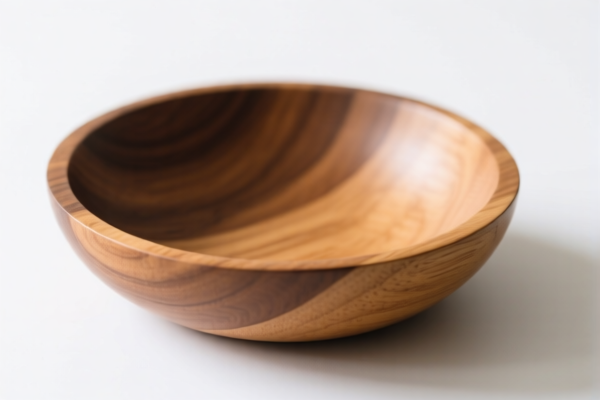
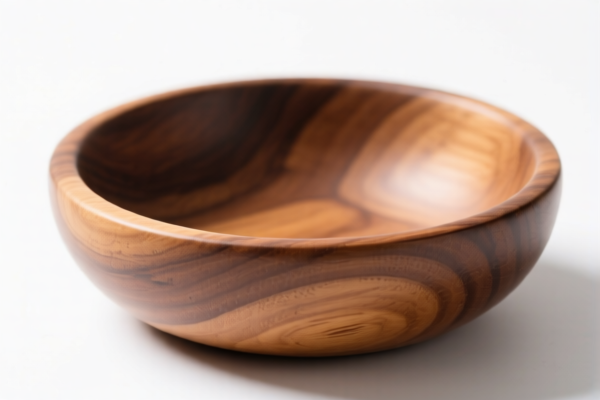
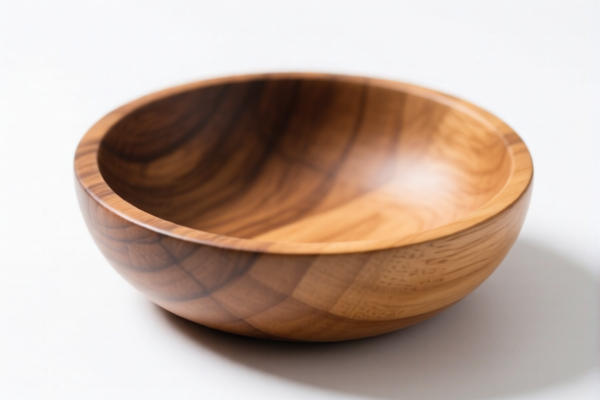
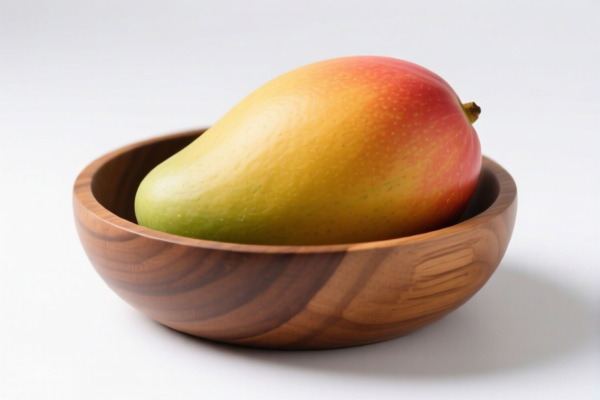
AI分析
🍵 Matcha Bowl (Chawan) – HS Code Classification & US Customs Clearance Guide
🌐 HS Code Reference & Customs Clearance Guide | 2026 Latest Tariff Analysis | Professional Entry Strategy
📌 I. Product Definition & Classification: What Exactly is a "Matcha Bowl"?
The Matcha Bowl (Chawan) is a specialized ceramic vessel used in the traditional Japanese tea ceremony (Chanoyu) for whisking and drinking matcha green tea. In international trade, its classification depends heavily on material (porcelain vs. non-porous ceramic) and intended use (food contact vs. general kitchenware).
⚠️ Key Distinction Point:
- Porcelain Tableware (6911): Made from refined clay, fired at high temperatures, translucent, and non-porous. Classified as "Tableware, kitchenware, other household articles of porcelain."
- Non-Porous Ceramic/Tableware (6912): Made from earthenware or stoneware, opaque, porous but glazed for food safety. Classified as "Tableware, kitchenware, other household articles of ceramic other than porcelain."
- Glassware (7013): If the bowl is made of glass or crystal (rare for traditional matcha, but possible for modern design). Classified as "Glassware of a kind used for table, kitchen, toilet, office, indoor decoration or similar purposes."
📦 II. HS Code Classification Details (2026 Latest Tariff Authority Comparison)
| HS Code | Product Description | Material/Type | Food Contact? | Tax Detail Summary |
|---|---|---|---|---|
6911.10.80.10 |
Porcelain tableware; of a kind used for food contact | Porcelain | ✅ Yes | Base: 20.8%, Add'l: 7.5%, Section 301: 10% → Total: 38.3% |
7013.49.60.10 |
Glass tableware; not for use as laboratory, pharmaceutical, medical, or technical/industrial glassware | Glass/Crystal | ✅ Yes | Base: 7.2%, Add'l: 7.5%, Section 301: 10% → Total: 24.7% |
6911.10.80.90 |
Porcelain tableware; other | Porcelain | ✅ Yes | Base: 20.8%, Add'l: 7.5%, Section 301: 10% → Total: 38.3% |
6912.00.35.10 |
Tableware, kitchenware, other household articles of ceramic other than porcelain; of a kind used for food contact | Non-Porous Ceramic | ✅ Yes | Base: 9.8%, Add'l: 0.0%, Section 301: 10% → Total: 19.8% |
6912.00.35.50 |
Tableware, kitchenware, other household articles of ceramic other than porcelain; other | Non-Porous Ceramic | ✅ Yes | Base: 9.8%, Add'l: 0.0%, Section 301: 10% → Total: 19.8% |
🔍 Critical Note:
- Porcelain (6911) incurs a higher base tariff (20.8%) compared to non-porous ceramic (6912) (9.8%).
- Glass (7013) has the lowest base tariff (7.2%) but is less common for traditional matcha bowls.
- All classifications assume origin: China (CN) and import into the USA (US).
💰 III. 2026 Latest Tariff Rate Breakdown (Including Supplementary Taxes)
✅ Applicable Country: United States (US)
✅ Country of Origin: China (CN)
✅ Effective Date: November 10, 2025 (and onwards)
🎯 1. 6911.10.80.10 & 6911.10.80.90 —— Porcelain Tableware
| Item | Details |
|---|---|
| Base Tariff | 20.8% (ad valorem) |
| Section 301 Tariff (122-Clause) | +10% (Targeting Chinese goods) |
| USITC Supplementary Tariff | +7.5% |
| Total Tariff Rate | 38.3% |
| Calculation | CIF Value × 38.3% |
| De Minimis Exemption? | ❌ No (denied_de_minimis) |
| Legal Basis Path | IEEPA:9903.01.25 → IEEPA:9903.01.24 → USITC:6911.10.80.10 → FOOTNOTE:9903.88.01 |
📌 Explanation:
- Base Tariff (20.8%): Applies to porcelain tableware under HTSUS Chapter 69.
- Section 301 (10%): Added due to "122-Clause" provisions targeting Chinese imports.
- USITC Supplementary (7.5%): Additional duty imposed by the U.S. International Trade Commission.
- Total 38.3%: High cost for porcelain matcha bowls imported from China.
🎯 2. 7013.49.60.10 —— Glass/Crystal Tableware
| Item | Details |
|---|---|
| Base Tariff | 7.2% |
| Section 301 Tariff (122-Clause) | +10% |
| USITC Supplementary Tariff | +7.5% |
| Total Tariff Rate | 24.7% |
| Calculation | CIF Value × 24.7% |
| De Minimis Exemption? | ❌ No |
| Legal Basis Path | IEEPA:9903.01.25 → IEEPA:9903.01.24 → USITC:7013.49.60.10 → FOOTNOTE:9903.88.01 |
📌 Note:
- Lower base tariff than porcelain, but still subject to both Section 301 and USITC supplementary duties.
- Suitable for modern, western-style matcha bowls made of glass.
🎯 3. 6912.00.35.10 & 6912.00.35.50 —— Non-Porous Ceramic Tableware
| Item | Details |
|---|---|
| Base Tariff | 9.8% |
| Section 301 Tariff (122-Clause) | +10% |
| USITC Supplementary Tariff | +0.0% |
| Total Tariff Rate | 19.8% |
| Calculation | CIF Value × 19.8% |
| De Minimis Exemption? | ❌ No |
| Legal Basis Path | IEEPA:9903.01.25 → IEEPA:9903.01.24 → USITC:6912.00.35.10 → FOOTNOTE:9903.88.01 |
📌 Key Advantage:
- Lowest Total Tariff (19.8%) among all options.
- No USITC Supplementary Tariff (0%) applies to non-porous ceramic tableware, unlike porcelain.
- Ideal for traditional Japanese-style chawan made from stoneware or earthenware.
🛠️ IV. Customs Clearance Practical Advice (Real-World Pitfall Guide)
✅ 1. Documentation Checklist (Mandatory)
| Document | Required? | Description |
|---|---|---|
| ✅ Product Specification Sheet | ✔️ | Must specify material (e.g., "Stoneware," "Porcelain," "Glass"), dimensions, and capacity. |
| ✅ Material Declaration | ✔️ | Explicitly state if the item is "Porcelain" or "Non-Porous Ceramic." Misclassification leads to penalties. |
| ✅ Product Photos (Including Label) | ✔️ | Show the bottom of the bowl for manufacturer marks, and the inside for glaze/finish. |
| ✅ Commercial Invoice | ✔️ | Clearly describe as "Matcha Bowl" or "Chawan," specify material, and state "For Food Contact." |
| ✅ Packing List | ✔️ | Detail quantities, weights, and packaging materials. |
| ✅ FDA Compliance Statement (if applicable) | ✔️ | While not always required for ceramics, a statement confirming food-safe glaze is helpful. |
✅ 2. Declaration Tips (Critical Mnemonics)
🔥 "Material Defines Tariff, 'Other' Saves Money, Don't Split Shipment!"
| Scenario | Correct Declaration | Wrong Practice |
|---|---|---|
| Traditional Japanese Chawan (Stoneware) | 6912.00.35.10 (Ceramic, Food Contact) |
Misdeclare as Porcelain → 38.3% |
| Modern Glass Matcha Bowl | 7013.49.60.10 (Glass) |
Misdeclare as Ceramic → Wrong tax rate |
| Fine White Porcelain Bowl | 6911.10.80.10 (Porcelain, Food Contact) |
Misdeclare as Ceramic → 19.8% (Risk of Audit) |
| Set of Matcha Bowls + Whisk | Declare Set as Tableware | Split into "Bowl" + "Whisk" → Higher combined duties |
✅ 3. Special Case Handling
| Case | Recommendation |
|---|---|
| Mixed Materials | If a bowl has a wooden base or metal rim, it may be classified as a "Composite Good." Declare as the primary material (usually ceramic/glass). |
| Gift Sets | If sold as a set (e.g., Bowl + Whisk + Scoop), declare the set under the primary item (Bowl) if it forms the essential character. |
| Custom Handmade | Provide artisan certification to support "Handcrafted" description, but do not use this to avoid tariffs. |
| Origin Evasion | Attempting to misdeclare origin (e.g., claiming "Vietnamese" when made in China) leads to seizure, fines, and legal action. |
🌍 V. Global Market Customs Comparison (2026 Latest)
| Country/Region | Recommended HS Code | Tariff (China Origin) | Certification | Notes |
|---|---|---|---|---|
| 🇺🇸 USA | 6912.00.35.10 (Ceramic) |
19.8% | FDA Food Contact Safe | Lowest US tariff for ceramics |
| 🇺🇸 USA | 6911.10.80.10 (Porcelain) |
38.3% | FDA Food Contact Safe | High tariff due to base + supplementary |
| 🇨🇳 China | 6912.00.35.10 |
9.8% | CCC (if applicable) | No additional duties |
| 🇪🇺 EU | 6912.00.35.10 |
6.5% | CE + LFGB (Germany) | No US-style supplementary duties |
| 🇬🇧 UK | 6912.00.35.10 |
6.5% | UKCA | Post-Brexit rules apply |
📌 Conclusion:
- USA is the most expensive market due to Section 301 and USITC supplementary tariffs.
- Non-porous ceramic (6912) is the most cost-effective classification for US imports from China.
- Porcelain (6911) should be avoided if cost is a concern, unless branding justifies the 38.3% tariff.
📌 VI. Common Mistakes & Pitfalls (Lessons Learned)
❌ Mistake 1: Declaring a Stoneware Bowl as Porcelain
👉 Consequence: Pay 38.3% instead of 19.8%.
👉 Fix: Verify material composition. Stoneware is opaque and porous; porcelain is translucent and vitrified.
❌ Mistake 2: Splitting a Matcha Set into multiple shipments
👉 Consequence: Each item may be subject to minimum duties or higher combined rates.
👉 Fix: Declare as a single set under the primary item (Bowl).
❌ Mistake 3: Omitting "Food Contact" in description
👉 Consequence: Customs may classify under general household articles, leading to delays or incorrect classification.
👉 Fix: Always specify "For Food Use" or "Food Safe."
❌ Mistake 4: Using Glass HS Code for Ceramic
👉 Consequence: Customs will reclassify and impose back taxes + penalties.
👉 Fix: Ensure material matches the HS code description.
✅ Correct Declaration Example:
"Handcrafted Stoneware Matcha Bowl, Chawan, Non-Porous Ceramic, Food Safe Glaze, Model MC-2026, For Kitchen/Tableware Use"
🎯 VII. Conclusion: Professional Declaration, Cost Optimization
🎯 Remember the Mnemonic:
🔹 "Ceramic is Cheaper, Porcelain is Pricier, Glass is Middle, Always Check Material!"
🔹 "19.8% vs 38.3%, That's a Huge Difference, Declare Correctly or Pay the Price!"
📌 Pro Tip:
If your matcha bowls are originally from Japan, Vietnam, or Thailand, you may qualify for lower or zero tariffs under existing trade agreements. However, for China-origin goods, the 19.8% rate for non-porous ceramic is the best available option.
Recommend Advance Ruling (Pre-classification) with CBP for large shipments to avoid clearance delays.
📣 Immediate Action:
📞 Contact a licensed Customs Broker + Provide Product Material Details + Apply for HS Code Pre-classification
🚀 Ensure Smooth Clearance, Reduced Costs, and Profit Maximization for your Matcha Bowl Business!
✨ Professional Clearance Starts with Accurate Classification!
💼 Every Percent Saved is Pure Profit!
用户评价
关于 HS 编码归类
协调制度(HS)是由世界海关组织(WCO)制定的国际贸易商品分类标准。全球 200 多个国家采用 HS 系统作为海关关税、贸易统计和进出口监管的基础。
每个 HS 编码遵循以下层级结构:
- 章(2 位)——商品大类(例如:第 84 章:机器和机械设备)
- 品目(4 位)——章内的更具体分类
- 子目(6 位)——国际通用细分,所有 WCO 成员国统一使用
- 本国细分(8-10 位)——各国自行扩展的细分编码,如美国 HTSUS 10 位编码
正确的 HS 编码归类对于顺利通关、准确缴纳关税和遵守贸易法规至关重要。错误归类可能导致海关延误、多缴关税或罚款。
从CN进口到US时,适用的关税税率可能包括:
- 最惠国(MFN)税率——适用于 WTO 成员国的标准关税税率
- 普通税率——适用于无贸易协定国家
- 贸易救济关税——附加关税,如 301 条款(反倾销)、232 条款(国家安全)或反补贴税
本页内容仅供参考。如需正式归类,请咨询当地海关或持牌报关代理。