Medical Instruments and Apparatus Other
CN → US| HS编码 | 关税税率 | 原产国 | 目的国 | 文档 |
|---|---|---|---|---|
| 9021908100 | 10.0% | CN | US | 官方文档 |
| 9018195500 | 35.0% | CN | US | 官方文档 |
| 9018907520 | 35.0% | CN | US | 官方文档 |
| 9021908100 | 10.0% | CN | US | 官方文档 |
| 9018195500 | 35.0% | CN | US | 官方文档 |
商品图片
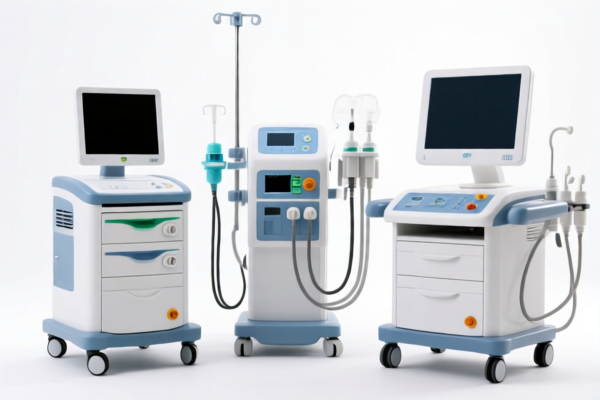
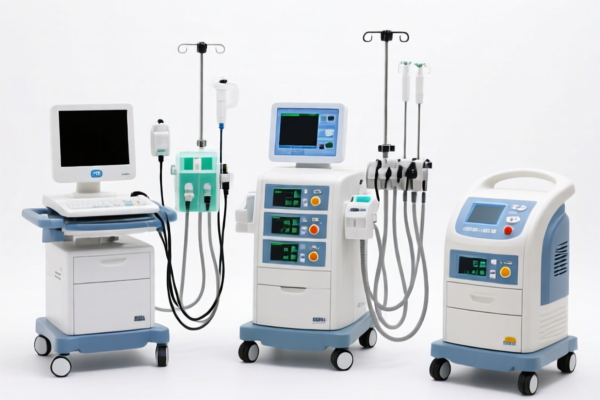
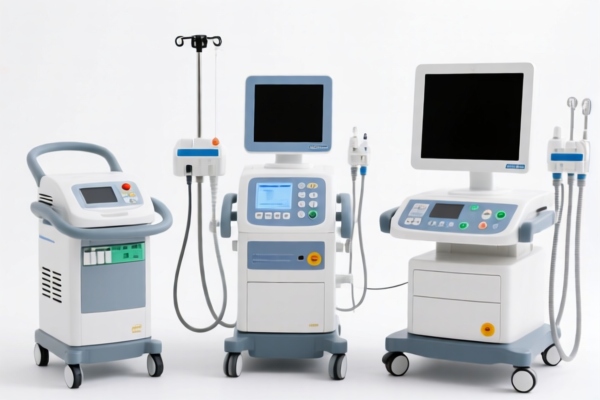
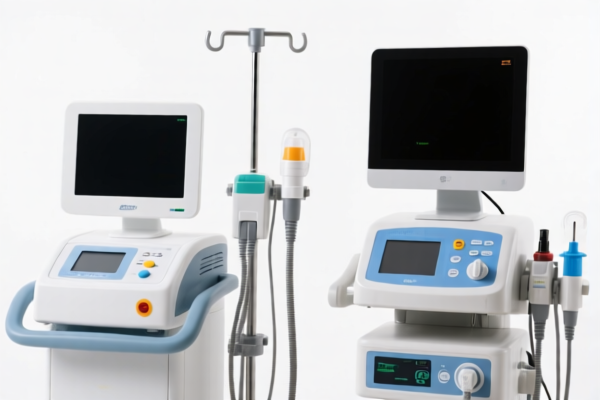
AI分析
🏥 Medical Instruments & Apparatus: The "Other" Dilemma
🌐 HS Code Classification & Customs Clearance Guide | 2026 Latest Tariff Analysis
📌 Critical Insight: Why "Other" is the Most Expensive Category in US Customs
The term "Medical Instruments and Apparatus, Other" is a classic catch-all category in international trade. It refers to medical devices that do not fit neatly into specific sub-categories (like imaging, surgical tools, or prosthetics) or are described too broadly to pinpoint a precise function.
⚠️ The Trap:
Broad descriptions like "Medical Instruments," "Healthcare Devices," or "Apparatus" often trigger high-risk scrutiny.
- If the device is a diagnostic tool, it likely falls under 9018 (35% tariff).
- If it is a prosthetic/orthopedic support, it likely falls under 9021 (10% tariff).
- Misclassification leads to double taxation, delays, and penalties.
📦 1. HS Code Classification Matrix (Based on Provided Data)
The following HS Codes are the most probable classifications for generic "Medical Instruments and Apparatus." The key differentiator is Function vs. Material/Specific Use.
| HS Code | Category Description | Matching Logic from Data | Total Tax Rate |
|---|---|---|---|
| 9018.19.55.00 | Diagnostic/Therapeutic Instruments | Matches "Instruments/equipment for medical, surgical, dental, or veterinary sciences." | 35.0% |
| 9018.90.75.20 | Other Medical Instruments (Generic) | Falls under the "Other/Catch-all" principle for medical devices without specific form/material conflict. | 35.0% |
| 9021.90.81.00 | Orthopedic/Prosthetic Appliances | Matches "Plastic, orthopedic, or hearing aids" and other medical compensatory appliances. | 10.0% |
💰 2. Detailed Tariff Breakdown (US Market)
All tariffs below apply to US Imports from China.
Effective Date: November 10, 2025 (Section 122 / IEEPA provisions).
🎯 A. The 35% Bracket: 9018 Series
(HS Codes: 9018.19.55.00, 9018.90.75.20)
| Component | Rate | Source/Legal Basis |
|---|---|---|
| Base Duty | 0.0% | Harmonized Tariff Schedule (HTSUS) Base Rate |
| Section 301 / USITC | +25.0% | US Trade Representative (USTR) List 3 / Footnote 9903.88.01 |
| Section 122 / IEEPA | +10.0% | International Emergency Economic Powers Act (IEEPA) - China Specific |
| TOTAL EFFECTIVE RATE | 35.0% | High Impact Category |
📌 Why 35%?
These codes fall under Chapter 90 (Optical, Photographic, Cinematographic, Measuring, Checking, Precision, Medical or Surgical Instruments).
- 9018.19.55.00: Specifically for instruments/appliances used in medical/surgical/dental/veterinary sciences that are not elsewhere specified.
- 9018.90.75.20: A generic "other" sub-category within 9018, often used when the specific function (e.g., ultrasound, endoscopy) is not stated but the medical nature is clear.
- Risk: If your device is actually a diagnostic tool (e.g., blood pressure monitor, thermometer, pulse oximeter), this is the correct code.
🎯 B. The 10% Bracket: 9021 Series
(HS Code: 9021.90.81.00)
| Component | Rate | Source/Legal Basis |
|---|---|---|
| Base Duty | 0.0% | Harmonized Tariff Schedule (HTSUS) Base Rate |
| Section 301 / USITC | 0.0% | Exempt from Section 301 List 3 (Historically excluded or lower priority) |
| Section 122 / IEEPA | +10.0% | International Emergency Economic Powers Act (IEEPA) - China Specific |
| TOTAL EFFECTIVE RATE | 10.0% | Lower Impact Category |
📌 Why 10%?
These codes fall under Chapter 90 Part B: Prosthetics; Orthopedic or Fracture Appliances.
- 9021.90.81.00: Covers "Other" orthopedic or fracture appliances, hearing aids, and artificial body parts.
- Key Distinction: If your "Medical Apparatus" is a support device (e.g., knee brace, back support, artificial limb, hearing aid component, or dental implant abutment), it may qualify for this lower rate.
- Logic: The provided data states it matches "Plastic, orthopedic, or hearing aids" and uses the "catch-all" principle.
🛠️ 3. Customs Clearance Strategy: How to Choose & Avoid Penalties
✅ Step 1: Define the Primary Function
The difference between 10% and 35% is Functional Intent.
| Device Type | Likely HS Code | Reasoning |
|---|---|---|
| Diagnostic Tool (e.g., ECG, Ultrasound, Thermometer) | 9018.19.55.00 | Used for diagnosis or treatment via measurement/analysis. |
| Therapeutic Device (e.g., Laser Therapy, TENS Unit) | 9018.90.75.20 | Used for treatment but not specifically listed in 9018.1-9018.14. |
| Orthopedic Support (e.g., Knee Brace, Cervical Collar) | 9021.90.81.00 | Used for support, compensation, or structure. |
| Hearing Aid (Digital/Analog) | 9021.90.81.00 | Explicitly mentioned in 9021 explanatory notes. |
| Surgical Instruments (Scalpels, Forceps) | 9018.90.75.20 | General medical/surgical instruments not elsewhere specified. |
✅ Step 2: Documentation Requirements
| Document | Requirement | Why It Matters |
|---|---|---|
| Product Description | Specific, not generic. Avoid "Medical Apparatus." Use "Digital Blood Pressure Monitor" or "Adjustable Knee Brace." | Generic terms trigger 100% duty rates or manual examination. |
| Technical Specs | Include voltage, frequency, material composition, and intended use. | Proves whether it's diagnostic (9018) or orthopedic (9021). |
| FDA Registration | If sold in the US, provide FDA Establishment Registration & Device Listing numbers. | CBP often verifies medical device status. |
| Labeling | Must indicate "Made in China" and country of origin clearly. | Section 122 taxes apply based on origin. |
✅ Step 3: Common Pitfalls & Solutions
| Pitfall | Consequence | Solution |
|---|---|---|
| Using "Medical Device" as Description | Customs may classify under 9903.88.01 (All other products from China) at 7.5%-25% + 10% IEEPA, or even 25% Section 301 if not exempt. | Be Specific. State the exact medical function. |
| Misclassifying Brace as Diagnostic Tool | Overpayment of 25% (35% vs 10%). | Ensure the device does not measure physiological data. |
| Misclassifying Diagnostic Tool as Brace | Underpayment + Penalties. CBP will audit and demand back duties. | If it measures/analyzes, it must be 9018. |
| Ignoring Section 122 | All medical imports from China face an additional 10% IEEPA tariff. | Factor this into your landed cost calculation. |
🌍 4. Global Context & Recommendations
- US Market:
- 9018 Series (35%): High barrier. Optimize supply chain or price accordingly.
- 9021 Series (10%): More competitive. If your product is a support device, ensure it meets orthopedic definitions.
-
Note: The 10% IEEPA tariff is unavoidable for China-origin goods in both categories.
-
EU/UK Market:
-
Generally 0% duty for medical devices under GSP or bilateral agreements, but strict CE/UKCA marking and MDR/IVDR compliance are required.
-
Other Markets:
- Canada: 0% under CUSMA for many medical devices.
- Mexico: 0% under USMCA for qualified medical instruments.
🎯 5. Final Action Plan
- Audit Your Product: Is it a measuring/diagnostic device (→ 9018) or a support/prosthetic device (→ 9021)?
- Refine Description: Replace "Medical Apparatus" with precise terminology (e.g., "Portable Ultrasound Diagnostic System" or "Elastic Compression Bandage").
- Calculate Landed Cost:
- If 9018: Add 35% to CIF value.
- If 9021: Add 10% to CIF value.
- Consult a Customs Broker: Provide technical manuals to confirm classification.
- Verify FDA Status: Ensure your device is cleared for the US market to avoid seizure.
⚠️ Disclaimer:
This guide is for informational purposes based on the provided DATA. Customs classifications are subject to change and interpretation by CBP. Always consult a licensed customs broker or legal expert for final classification decisions.
🚀 Smart Classification = Lower Duties = Higher Profit Margins.
📞 Partner with experts to navigate the 35% vs. 10% gap.
用户评价
关于 HS 编码归类
协调制度(HS)是由世界海关组织(WCO)制定的国际贸易商品分类标准。全球 200 多个国家采用 HS 系统作为海关关税、贸易统计和进出口监管的基础。
每个 HS 编码遵循以下层级结构:
- 章(2 位)——商品大类(例如:第 84 章:机器和机械设备)
- 品目(4 位)——章内的更具体分类
- 子目(6 位)——国际通用细分,所有 WCO 成员国统一使用
- 本国细分(8-10 位)——各国自行扩展的细分编码,如美国 HTSUS 10 位编码
正确的 HS 编码归类对于顺利通关、准确缴纳关税和遵守贸易法规至关重要。错误归类可能导致海关延误、多缴关税或罚款。
从CN进口到US时,适用的关税税率可能包括:
- 最惠国(MFN)税率——适用于 WTO 成员国的标准关税税率
- 普通税率——适用于无贸易协定国家
- 贸易救济关税——附加关税,如 301 条款(反倾销)、232 条款(国家安全)或反补贴税
本页内容仅供参考。如需正式归类,请咨询当地海关或持牌报关代理。