Medical Instruments and Apparatus Other
CN → US| HS Code | Tariff Rate | Origin | Destination | Doc |
|---|---|---|---|---|
| 9021908100 | 10.0% | CN | US | Official Doc |
| 9018195500 | 35.0% | CN | US | Official Doc |
| 9018907520 | 35.0% | CN | US | Official Doc |
| 9021908100 | 10.0% | CN | US | Official Doc |
| 9018195500 | 35.0% | CN | US | Official Doc |
Product Images
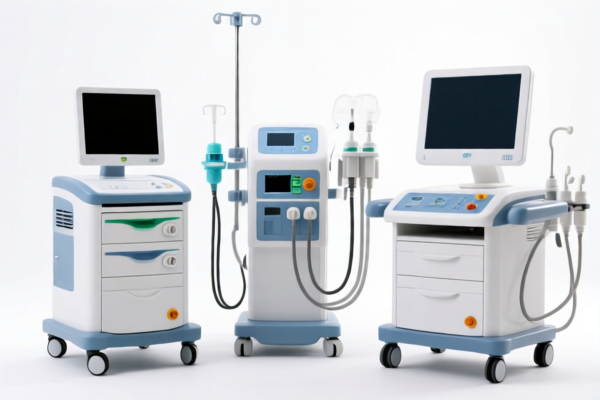
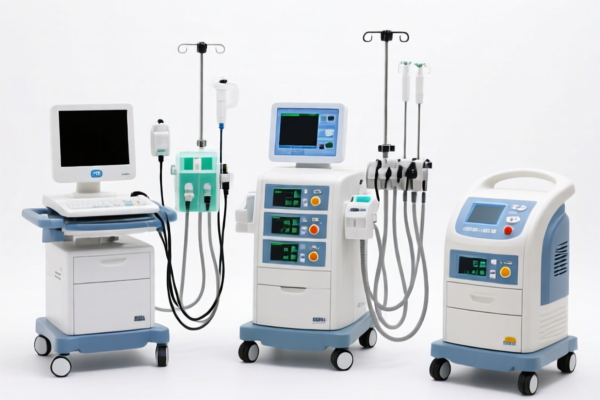
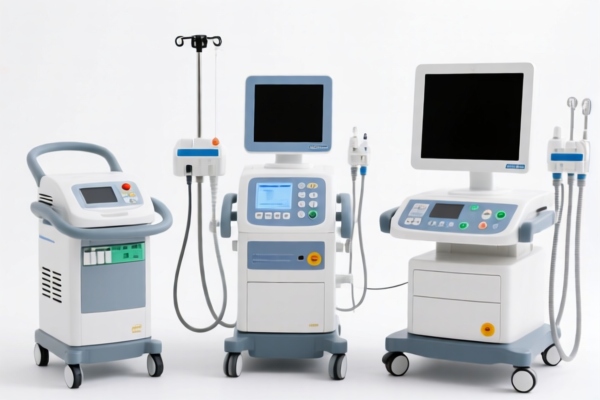
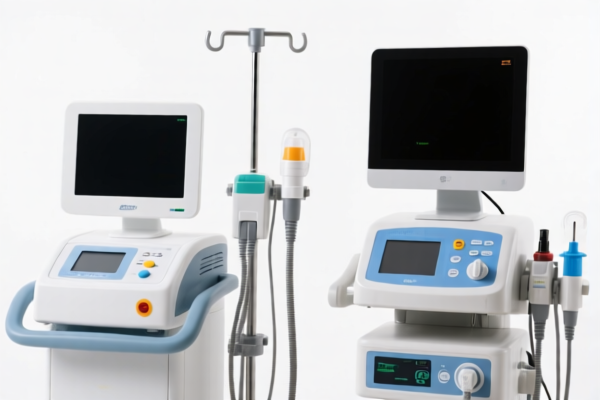
AI Analysis
🏥 Medical Instruments & Apparatus: The "Other" Dilemma
🌐 HS Code Classification & Customs Clearance Guide | 2026 Latest Tariff Analysis
📌 Critical Insight: Why "Other" is the Most Expensive Category in US Customs
The term "Medical Instruments and Apparatus, Other" is a classic catch-all category in international trade. It refers to medical devices that do not fit neatly into specific sub-categories (like imaging, surgical tools, or prosthetics) or are described too broadly to pinpoint a precise function.
⚠️ The Trap:
Broad descriptions like "Medical Instruments," "Healthcare Devices," or "Apparatus" often trigger high-risk scrutiny.
- If the device is a diagnostic tool, it likely falls under 9018 (35% tariff).
- If it is a prosthetic/orthopedic support, it likely falls under 9021 (10% tariff).
- Misclassification leads to double taxation, delays, and penalties.
📦 1. HS Code Classification Matrix (Based on Provided Data)
The following HS Codes are the most probable classifications for generic "Medical Instruments and Apparatus." The key differentiator is Function vs. Material/Specific Use.
| HS Code | Category Description | Matching Logic from Data | Total Tax Rate |
|---|---|---|---|
| 9018.19.55.00 | Diagnostic/Therapeutic Instruments | Matches "Instruments/equipment for medical, surgical, dental, or veterinary sciences." | 35.0% |
| 9018.90.75.20 | Other Medical Instruments (Generic) | Falls under the "Other/Catch-all" principle for medical devices without specific form/material conflict. | 35.0% |
| 9021.90.81.00 | Orthopedic/Prosthetic Appliances | Matches "Plastic, orthopedic, or hearing aids" and other medical compensatory appliances. | 10.0% |
💰 2. Detailed Tariff Breakdown (US Market)
All tariffs below apply to US Imports from China.
Effective Date: November 10, 2025 (Section 122 / IEEPA provisions).
🎯 A. The 35% Bracket: 9018 Series
(HS Codes: 9018.19.55.00, 9018.90.75.20)
| Component | Rate | Source/Legal Basis |
|---|---|---|
| Base Duty | 0.0% | Harmonized Tariff Schedule (HTSUS) Base Rate |
| Section 301 / USITC | +25.0% | US Trade Representative (USTR) List 3 / Footnote 9903.88.01 |
| Section 122 / IEEPA | +10.0% | International Emergency Economic Powers Act (IEEPA) - China Specific |
| TOTAL EFFECTIVE RATE | 35.0% | High Impact Category |
📌 Why 35%?
These codes fall under Chapter 90 (Optical, Photographic, Cinematographic, Measuring, Checking, Precision, Medical or Surgical Instruments).
- 9018.19.55.00: Specifically for instruments/appliances used in medical/surgical/dental/veterinary sciences that are not elsewhere specified.
- 9018.90.75.20: A generic "other" sub-category within 9018, often used when the specific function (e.g., ultrasound, endoscopy) is not stated but the medical nature is clear.
- Risk: If your device is actually a diagnostic tool (e.g., blood pressure monitor, thermometer, pulse oximeter), this is the correct code.
🎯 B. The 10% Bracket: 9021 Series
(HS Code: 9021.90.81.00)
| Component | Rate | Source/Legal Basis |
|---|---|---|
| Base Duty | 0.0% | Harmonized Tariff Schedule (HTSUS) Base Rate |
| Section 301 / USITC | 0.0% | Exempt from Section 301 List 3 (Historically excluded or lower priority) |
| Section 122 / IEEPA | +10.0% | International Emergency Economic Powers Act (IEEPA) - China Specific |
| TOTAL EFFECTIVE RATE | 10.0% | Lower Impact Category |
📌 Why 10%?
These codes fall under Chapter 90 Part B: Prosthetics; Orthopedic or Fracture Appliances.
- 9021.90.81.00: Covers "Other" orthopedic or fracture appliances, hearing aids, and artificial body parts.
- Key Distinction: If your "Medical Apparatus" is a support device (e.g., knee brace, back support, artificial limb, hearing aid component, or dental implant abutment), it may qualify for this lower rate.
- Logic: The provided data states it matches "Plastic, orthopedic, or hearing aids" and uses the "catch-all" principle.
🛠️ 3. Customs Clearance Strategy: How to Choose & Avoid Penalties
✅ Step 1: Define the Primary Function
The difference between 10% and 35% is Functional Intent.
| Device Type | Likely HS Code | Reasoning |
|---|---|---|
| Diagnostic Tool (e.g., ECG, Ultrasound, Thermometer) | 9018.19.55.00 | Used for diagnosis or treatment via measurement/analysis. |
| Therapeutic Device (e.g., Laser Therapy, TENS Unit) | 9018.90.75.20 | Used for treatment but not specifically listed in 9018.1-9018.14. |
| Orthopedic Support (e.g., Knee Brace, Cervical Collar) | 9021.90.81.00 | Used for support, compensation, or structure. |
| Hearing Aid (Digital/Analog) | 9021.90.81.00 | Explicitly mentioned in 9021 explanatory notes. |
| Surgical Instruments (Scalpels, Forceps) | 9018.90.75.20 | General medical/surgical instruments not elsewhere specified. |
✅ Step 2: Documentation Requirements
| Document | Requirement | Why It Matters |
|---|---|---|
| Product Description | Specific, not generic. Avoid "Medical Apparatus." Use "Digital Blood Pressure Monitor" or "Adjustable Knee Brace." | Generic terms trigger 100% duty rates or manual examination. |
| Technical Specs | Include voltage, frequency, material composition, and intended use. | Proves whether it's diagnostic (9018) or orthopedic (9021). |
| FDA Registration | If sold in the US, provide FDA Establishment Registration & Device Listing numbers. | CBP often verifies medical device status. |
| Labeling | Must indicate "Made in China" and country of origin clearly. | Section 122 taxes apply based on origin. |
✅ Step 3: Common Pitfalls & Solutions
| Pitfall | Consequence | Solution |
|---|---|---|
| Using "Medical Device" as Description | Customs may classify under 9903.88.01 (All other products from China) at 7.5%-25% + 10% IEEPA, or even 25% Section 301 if not exempt. | Be Specific. State the exact medical function. |
| Misclassifying Brace as Diagnostic Tool | Overpayment of 25% (35% vs 10%). | Ensure the device does not measure physiological data. |
| Misclassifying Diagnostic Tool as Brace | Underpayment + Penalties. CBP will audit and demand back duties. | If it measures/analyzes, it must be 9018. |
| Ignoring Section 122 | All medical imports from China face an additional 10% IEEPA tariff. | Factor this into your landed cost calculation. |
🌍 4. Global Context & Recommendations
- US Market:
- 9018 Series (35%): High barrier. Optimize supply chain or price accordingly.
- 9021 Series (10%): More competitive. If your product is a support device, ensure it meets orthopedic definitions.
-
Note: The 10% IEEPA tariff is unavoidable for China-origin goods in both categories.
-
EU/UK Market:
-
Generally 0% duty for medical devices under GSP or bilateral agreements, but strict CE/UKCA marking and MDR/IVDR compliance are required.
-
Other Markets:
- Canada: 0% under CUSMA for many medical devices.
- Mexico: 0% under USMCA for qualified medical instruments.
🎯 5. Final Action Plan
- Audit Your Product: Is it a measuring/diagnostic device (→ 9018) or a support/prosthetic device (→ 9021)?
- Refine Description: Replace "Medical Apparatus" with precise terminology (e.g., "Portable Ultrasound Diagnostic System" or "Elastic Compression Bandage").
- Calculate Landed Cost:
- If 9018: Add 35% to CIF value.
- If 9021: Add 10% to CIF value.
- Consult a Customs Broker: Provide technical manuals to confirm classification.
- Verify FDA Status: Ensure your device is cleared for the US market to avoid seizure.
⚠️ Disclaimer:
This guide is for informational purposes based on the provided DATA. Customs classifications are subject to change and interpretation by CBP. Always consult a licensed customs broker or legal expert for final classification decisions.
🚀 Smart Classification = Lower Duties = Higher Profit Margins.
📞 Partner with experts to navigate the 35% vs. 10% gap.
Customer Reviews
About HS Code Classification
The Harmonized System (HS) is an internationally standardized nomenclature developed by the World Customs Organization (WCO) to classify traded products. Over 200 countries use the HS system as the basis for customs tariffs, trade statistics, and import/export regulations.
Each HS code follows a hierarchical structure:
- Chapter (2 digits) — Broad category of goods (e.g., Chapter 84: Machinery and Mechanical Appliances)
- Heading (4 digits) — More specific grouping within the chapter
- Subheading (6 digits) — Internationally standardized breakdown, used by all WCO member countries
- National subdivisions (8-10 digits) — Country-specific extensions for further classification, such as US HTSUS 10-digit codes
Correct HS code classification is essential for smooth customs clearance, accurate duty payment, and compliance with trade regulations. Misclassification can lead to customs delays, overpayment of duties, or penalties.
When importing from CN to US, the applicable tariff rates may include:
- Most-Favored-Nation (MFN) rate — The standard duty rate applied to WTO members
- General rate — Applied to countries without trade agreements
- Trade remedy duties — Additional tariffs such as Section 301 (anti-dumping), Section 232 (national security), or countervailing duties
The information provided on this page is for reference purposes only. For official classification, please consult with your local customs authority or a licensed customs broker.