Milk Frother
CN → US| HS编码 | 关税税率 | 原产国 | 目的国 | 文档 |
|---|---|---|---|---|
| 8210000000 | 38.7% | CN | US | 官方文档 |
| 8479820040 | 35.0% | CN | US | 官方文档 |
| 8479896500 | 20.3% | CN | US | 官方文档 |
| 8509805095 | 14.2% | CN | US | 官方文档 |
| 8509400025 | 14.2% | CN | US | 官方文档 |
商品图片
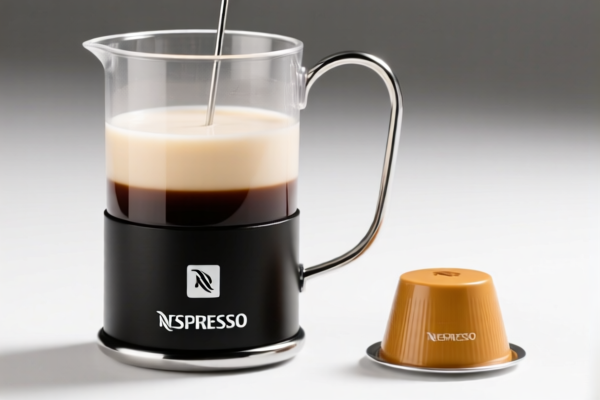
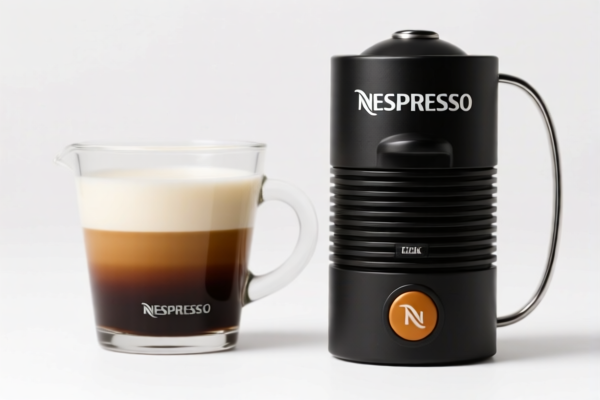
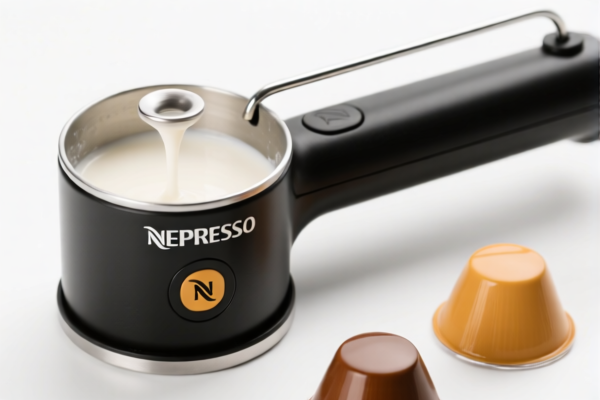
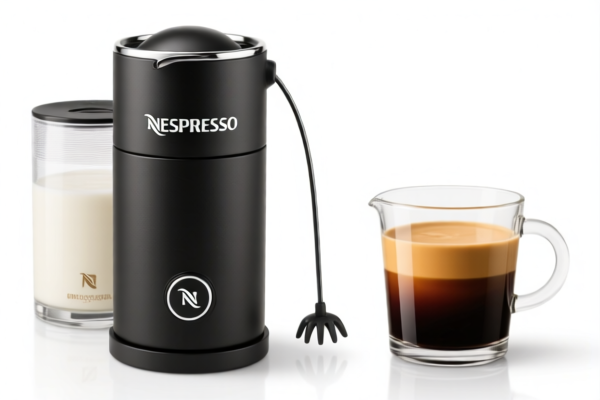
AI分析
🥛 Milk Frother (Milk Frothers for Beverage Preparation)
🌐 HS Code Classification & Customs Clearance Guide | 2026 Tax Analysis | Strategic Import Strategies
📌 I. Product Definition: What Exactly is a "Milk Frother"?
A milk frother is a small kitchen appliance designed to aerate and heat milk, typically for coffee beverages like lattes and cappuccinos. In international trade, its classification hinges on two critical factors: 1. Function: Is it merely a mixing tool, or does it contain an integrated motor? 2. Mechanism: Does it rely on manual whisking, or does it have an internal electric motor for rotation/heating?
⚠️ Key Classification Divergence:
- If viewed as a simple mechanical utensil (non-electric or basic manual): Classified under 8210 (Manual appliances).
- If viewed as a mixing machine (general industrial/commercial style): Classified under 8479 (Machines for mixing/kneading).
- If viewed as a household appliance (consumer-grade, electric): Classified under 8509 (Electro-mechanical domestic appliances).
📦 II. HS Code Classification Matrix (2026 Latest Tariff Schedule)
Based on the provided data, here are the five potential classifications for a Milk Frother, ranging from manual utensils to integrated electric appliances.
| HS Code | Product Description | Logic / Justification | Primary Tax Rate |
|---|---|---|---|
8210.00.00.00 |
Manual Appliances: Hand-operated or mechanically driven appliances for preparing food/liquid (e.g., manual whisks, simple frothers). | Viewed as a "mechanical utensil" for beverage preparation. No complex motor implied. | 38.7% |
8479.82.00.40 |
Mixing Machines: Machines for mixing, kneading, or stirring (non-domestic or general purpose). | Classified as a "stirring machine." Focuses on the mechanical action of rotation/stirring. | 35.0% |
8479.89.65.00 |
Other Machines with Self-Contained Motors: Electric machinery not specified elsewhere. | Assumes an internal motor drives the frothing mechanism, but does not fit strictly into "domestic appliances" or standard "mixers." | 20.3% |
8509.80.50.95 |
Other Domestic Electro-Mechanical Appliances: Electric household appliances with self-contained motor. | Classified as a general "household appliance" with a motor. Broad category for small kitchen electric gadgets. | 14.2% |
8509.40.00.25 |
Domestic Food Mixers/Grinders: Specific subset of domestic appliances for food processing. | Classified specifically as a "food mixer/blender" type appliance. Most precise fit for electric frothers intended for home use. | 14.2% |
🔍 Critical Insight:
- The biggest tax difference is between Manual/Mechanical classifications (8210,8479) which range from 20.3% to 38.7%, and Electric Domestic classifications (8509) which are significantly lower at 14.2%. - Why? US Tariff schedules often favor finished consumer electronics (8509) over generic mechanical parts or general-purpose machinery (8479) or manual tools (8210).
💰 III. Detailed Tax Breakdown (2026 US Import Tariffs)
✅ Applicable Country: United States (US)
✅ Origin: China (CN)
✅ Effective Date: Current rates apply (including Section 301 & IEEPA surcharges)
🎯 1. The High-Cost Paths: Manual & General Machinery
HS Codes: 8210.00.00.00 / 8479.82.00.40 / 8479.89.65.00
| Tax Component | 8210.00.00.00 (Manual Tool) |
8479.82.00.40 (Mixing Machine) |
8479.89.65.00 (Other Motorized) |
|---|---|---|---|
| Base Tariff (MFN) | 3.7% | 0.0% | 2.8% |
| Section 301 (Trade War) | 25.0% | 25.0% | 7.5% |
| IEEPA (122 Clause) | 10.0% | 10.0% | 10.0% |
| TOTAL EFFECTIVE RATE | 38.7% | 35.0% | 20.3% |
📌 Analysis:
-8210(38.7%): Highest tax. Misclassifying an electric frother as a "manual tool" is risky because if CBP detects a motor, you face penalties. However, if it is truly manual, the 25% Section 301 tax still applies heavily.
-8479.82(35.0%): Generic mixing machines attract the full 25% Section 301 tariff.
-8479.89(20.3%): Lower Section 301 duty (7.5%) makes this a "middle ground" option, but it is less precise than8509.
🎯 2. The Optimal Paths: Domestic Electro-Mechanical Appliances
HS Codes: 8509.80.50.95 / 8509.40.00.25
| Tax Component | 8509.80.50.95 (Other Domestic Appliance) |
8509.40.00.25 (Domestic Food Mixer) |
|---|---|---|
| Base Tariff (MFN) | 4.2% | 4.2% |
| Section 301 (Trade War) | 0.0% | 0.0% |
| IEEPA (122 Clause) | 10.0% | 10.0% |
| TOTAL EFFECTIVE RATE | 14.2% | 14.2% |
📌 Analysis:
- 🏆 WINNER: Both8509codes carry 0% Section 301 tariff. This is a massive savings compared to the 25% in8210or8479.
- Why 0%? Many consumer electro-mechanical appliances are exempt from the aggressive Section 301 lists, retaining only the base tariff and the lower IEEPA surcharge.
- Recommendation: Always classify electric milk frothers under Chapter 85 (Electrical Machinery) rather than Chapter 82 (Tools) or 84 (Machinery).
🛠️ IV. Customs Clearance Strategy & Practical Advice
✅ 1. Product Description & Documentation Checklist
To secure the 14.2% rate under 8509, your documentation must prove it is a Domestic Electrical Appliance.
| Document | Required Content | Purpose |
|---|---|---|
| Product Specs | Voltage (110V-120V), Wattage, Material (Plastic/Metal), Internal Motor Type. | Proves it is electric and for household use. |
| Commercial Invoice | Description: "Electric Milk Frother, Domestic Use, Model XYZ" | Avoid vague terms like "Kitchen Tool" or "Stirrer." |
| Photos | Clear shot of power cord, switch, brand logo, and interior structure (if possible). | CBP may require proof of motor presence to justify Chapter 85. |
| Origin Certificate | Standard Certificate of Origin (if applicable for any regional trade benefits). | Confirms CN origin for IEEPA calculation. |
✅ 2. Classification Logic Flowchart
mermaid graph TD A[Milk Frother] --> B{Is it Electric?} B -- No / Manual --> C[HS 8210.00.00.00] C --> D[Tax: 38.7% ⚠️ HIGH] B -- Yes --> E{Is it for Household Use?} E -- Yes --> F{Intended Function} F -- Mixing/Stirring --> G[HS 8509.40.00.25] F -- General Appliance --> H[HS 8509.80.50.95] G --> I[Tax: 14.2% ✅ BEST] H --> I[Tax: 14.2% ✅ BEST] E -- No / Industrial --> J[HS 8479...] J --> K[Tax: 20.3% - 35.0% ⚠️ MEDIUM]
✅ 3. Critical Customs Tips (Avoiding Pitfalls)
- ❌ Don't call it a "Kitchen Utensil": If you describe it as a simple utensil, CBP might assign it to
8210(38.7%). While the description might seem safe, if they inspect and find a motor, they may reclassify it to8509(14.2%) and refund the difference, OR if they suspect intent to evade, they may penalize. However, proactively declaring it as an electric appliance (8509) is safer and cheaper. - ✅ Emphasize "Domestic Use": The key to the 0% Section 301 tariff is that it falls under Chapter 85 (Electrical Machinery) for household purposes. Ensure your invoice states "For Home/Kitchen Use."
- ⚠️ Beware of
8479Traps: Do not use8479(Machinery) unless necessary. It carries a 25% Section 301 tax. Only use it if the device is truly industrial-grade and not a consumer appliance. - IEEPA is Unavoidable: Regardless of the HS Code, the 10% IEEPA (122 Clause) tariff applies to Chinese-origin goods. This is a fixed cost you cannot eliminate.
🌍 V. Global Market Comparison (Snapshot)
| Market | Recommended HS Code | Est. Total Duty | Notes |
|---|---|---|---|
| 🇺🇸 USA | 8509.40.00.25 |
14.2% | Best rate due to 0% Sec 301. Avoid 8210 (38.7%). |
| 🇨🇳 China | 8509.40.00.25 |
~5-10% | Standard MFN rate applies. |
| 🇪🇺 EU | 8509.40 |
0-2% | Generally low duties for small appliances. |
| 🇨🇦 Canada | 8509.40 |
0% | Many Chinese goods have CUSMA/other exemptions, but check specific lists. |
📌 VI. Summary & Final Recommendation
For Exporters/Importers of Milk Frothers:
- Target HS Code:
8509.40.00.25(Domestic Food Mixer) or8509.80.50.95(Other Domestic Appliance). - Expected Duty: 14.2% (Base 4.2% + IEEPA 10%).
- Avoid:
8210.00.00.00(38.7%) and8479.82.00.40(35.0%). The savings of ~24% make the correct classification crucial. - Action Item: Update your commercial invoices to explicitly state: "Electric Domestic Milk Frother, 110V, Model ABC." Do not use generic terms like "Frothing Tool."
💡 Pro Tip: If you are unsure if your specific frother has a motor (e.g., battery-operated vs. plug-in), default to
8509. Even battery-operated frothers are often classified as electro-mechanical domestic appliances, still enjoying the lower Section 301 treatment compared to manual tools.
✨ Classify Correctly, Save 24% in Duties!
💼 Precision in HS Codes = Profit in Your Pocket.
用户评价
关于 HS 编码归类
协调制度(HS)是由世界海关组织(WCO)制定的国际贸易商品分类标准。全球 200 多个国家采用 HS 系统作为海关关税、贸易统计和进出口监管的基础。
每个 HS 编码遵循以下层级结构:
- 章(2 位)——商品大类(例如:第 84 章:机器和机械设备)
- 品目(4 位)——章内的更具体分类
- 子目(6 位)——国际通用细分,所有 WCO 成员国统一使用
- 本国细分(8-10 位)——各国自行扩展的细分编码,如美国 HTSUS 10 位编码
正确的 HS 编码归类对于顺利通关、准确缴纳关税和遵守贸易法规至关重要。错误归类可能导致海关延误、多缴关税或罚款。
从CN进口到US时,适用的关税税率可能包括:
- 最惠国(MFN)税率——适用于 WTO 成员国的标准关税税率
- 普通税率——适用于无贸易协定国家
- 贸易救济关税——附加关税,如 301 条款(反倾销)、232 条款(国家安全)或反补贴税
本页内容仅供参考。如需正式归类,请咨询当地海关或持牌报关代理。