Milk Frother
CN → US| HS Code | Tariff Rate | Origin | Destination | Doc |
|---|---|---|---|---|
| 8210000000 | 38.7% | CN | US | Official Doc |
| 8479820040 | 35.0% | CN | US | Official Doc |
| 8479896500 | 20.3% | CN | US | Official Doc |
| 8509805095 | 14.2% | CN | US | Official Doc |
| 8509400025 | 14.2% | CN | US | Official Doc |
Product Images
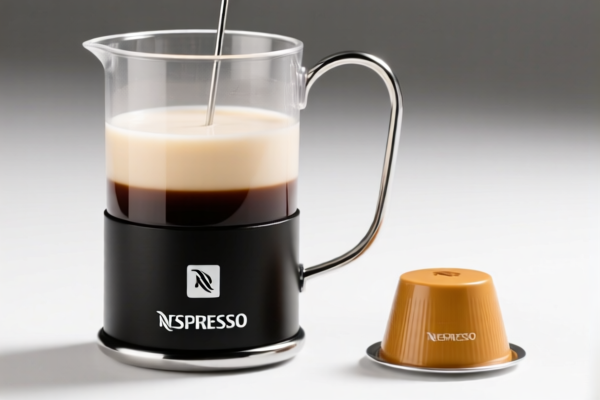
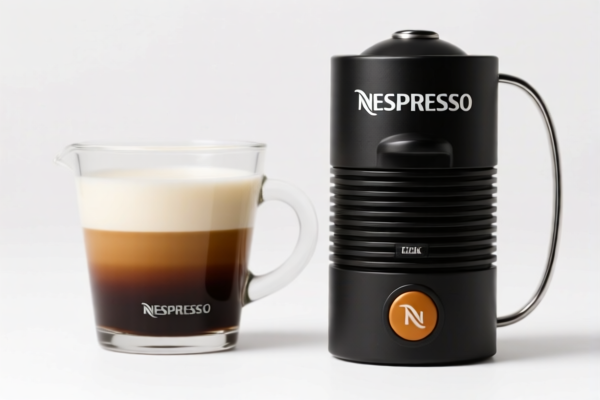
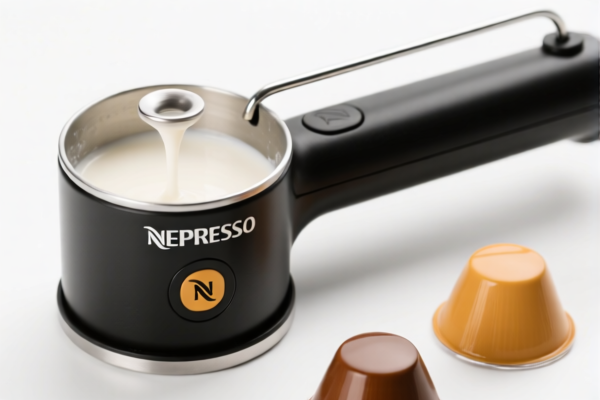
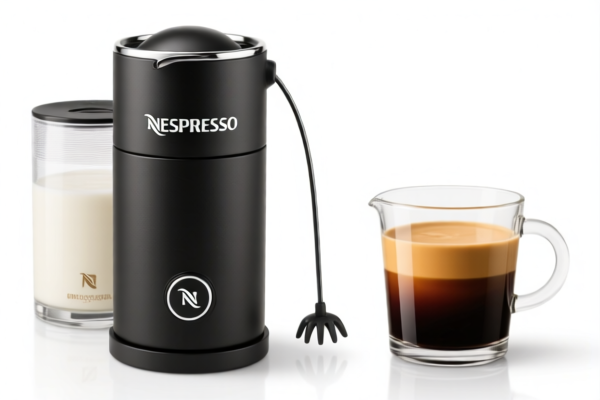
AI Analysis
🥛 Milk Frother (Milk Frothers for Beverage Preparation)
🌐 HS Code Classification & Customs Clearance Guide | 2026 Tax Analysis | Strategic Import Strategies
📌 I. Product Definition: What Exactly is a "Milk Frother"?
A milk frother is a small kitchen appliance designed to aerate and heat milk, typically for coffee beverages like lattes and cappuccinos. In international trade, its classification hinges on two critical factors: 1. Function: Is it merely a mixing tool, or does it contain an integrated motor? 2. Mechanism: Does it rely on manual whisking, or does it have an internal electric motor for rotation/heating?
⚠️ Key Classification Divergence:
- If viewed as a simple mechanical utensil (non-electric or basic manual): Classified under 8210 (Manual appliances).
- If viewed as a mixing machine (general industrial/commercial style): Classified under 8479 (Machines for mixing/kneading).
- If viewed as a household appliance (consumer-grade, electric): Classified under 8509 (Electro-mechanical domestic appliances).
📦 II. HS Code Classification Matrix (2026 Latest Tariff Schedule)
Based on the provided data, here are the five potential classifications for a Milk Frother, ranging from manual utensils to integrated electric appliances.
| HS Code | Product Description | Logic / Justification | Primary Tax Rate |
|---|---|---|---|
8210.00.00.00 |
Manual Appliances: Hand-operated or mechanically driven appliances for preparing food/liquid (e.g., manual whisks, simple frothers). | Viewed as a "mechanical utensil" for beverage preparation. No complex motor implied. | 38.7% |
8479.82.00.40 |
Mixing Machines: Machines for mixing, kneading, or stirring (non-domestic or general purpose). | Classified as a "stirring machine." Focuses on the mechanical action of rotation/stirring. | 35.0% |
8479.89.65.00 |
Other Machines with Self-Contained Motors: Electric machinery not specified elsewhere. | Assumes an internal motor drives the frothing mechanism, but does not fit strictly into "domestic appliances" or standard "mixers." | 20.3% |
8509.80.50.95 |
Other Domestic Electro-Mechanical Appliances: Electric household appliances with self-contained motor. | Classified as a general "household appliance" with a motor. Broad category for small kitchen electric gadgets. | 14.2% |
8509.40.00.25 |
Domestic Food Mixers/Grinders: Specific subset of domestic appliances for food processing. | Classified specifically as a "food mixer/blender" type appliance. Most precise fit for electric frothers intended for home use. | 14.2% |
🔍 Critical Insight:
- The biggest tax difference is between Manual/Mechanical classifications (8210,8479) which range from 20.3% to 38.7%, and Electric Domestic classifications (8509) which are significantly lower at 14.2%. - Why? US Tariff schedules often favor finished consumer electronics (8509) over generic mechanical parts or general-purpose machinery (8479) or manual tools (8210).
💰 III. Detailed Tax Breakdown (2026 US Import Tariffs)
✅ Applicable Country: United States (US)
✅ Origin: China (CN)
✅ Effective Date: Current rates apply (including Section 301 & IEEPA surcharges)
🎯 1. The High-Cost Paths: Manual & General Machinery
HS Codes: 8210.00.00.00 / 8479.82.00.40 / 8479.89.65.00
| Tax Component | 8210.00.00.00 (Manual Tool) |
8479.82.00.40 (Mixing Machine) |
8479.89.65.00 (Other Motorized) |
|---|---|---|---|
| Base Tariff (MFN) | 3.7% | 0.0% | 2.8% |
| Section 301 (Trade War) | 25.0% | 25.0% | 7.5% |
| IEEPA (122 Clause) | 10.0% | 10.0% | 10.0% |
| TOTAL EFFECTIVE RATE | 38.7% | 35.0% | 20.3% |
📌 Analysis:
-8210(38.7%): Highest tax. Misclassifying an electric frother as a "manual tool" is risky because if CBP detects a motor, you face penalties. However, if it is truly manual, the 25% Section 301 tax still applies heavily.
-8479.82(35.0%): Generic mixing machines attract the full 25% Section 301 tariff.
-8479.89(20.3%): Lower Section 301 duty (7.5%) makes this a "middle ground" option, but it is less precise than8509.
🎯 2. The Optimal Paths: Domestic Electro-Mechanical Appliances
HS Codes: 8509.80.50.95 / 8509.40.00.25
| Tax Component | 8509.80.50.95 (Other Domestic Appliance) |
8509.40.00.25 (Domestic Food Mixer) |
|---|---|---|
| Base Tariff (MFN) | 4.2% | 4.2% |
| Section 301 (Trade War) | 0.0% | 0.0% |
| IEEPA (122 Clause) | 10.0% | 10.0% |
| TOTAL EFFECTIVE RATE | 14.2% | 14.2% |
📌 Analysis:
- 🏆 WINNER: Both8509codes carry 0% Section 301 tariff. This is a massive savings compared to the 25% in8210or8479.
- Why 0%? Many consumer electro-mechanical appliances are exempt from the aggressive Section 301 lists, retaining only the base tariff and the lower IEEPA surcharge.
- Recommendation: Always classify electric milk frothers under Chapter 85 (Electrical Machinery) rather than Chapter 82 (Tools) or 84 (Machinery).
🛠️ IV. Customs Clearance Strategy & Practical Advice
✅ 1. Product Description & Documentation Checklist
To secure the 14.2% rate under 8509, your documentation must prove it is a Domestic Electrical Appliance.
| Document | Required Content | Purpose |
|---|---|---|
| Product Specs | Voltage (110V-120V), Wattage, Material (Plastic/Metal), Internal Motor Type. | Proves it is electric and for household use. |
| Commercial Invoice | Description: "Electric Milk Frother, Domestic Use, Model XYZ" | Avoid vague terms like "Kitchen Tool" or "Stirrer." |
| Photos | Clear shot of power cord, switch, brand logo, and interior structure (if possible). | CBP may require proof of motor presence to justify Chapter 85. |
| Origin Certificate | Standard Certificate of Origin (if applicable for any regional trade benefits). | Confirms CN origin for IEEPA calculation. |
✅ 2. Classification Logic Flowchart
mermaid graph TD A[Milk Frother] --> B{Is it Electric?} B -- No / Manual --> C[HS 8210.00.00.00] C --> D[Tax: 38.7% ⚠️ HIGH] B -- Yes --> E{Is it for Household Use?} E -- Yes --> F{Intended Function} F -- Mixing/Stirring --> G[HS 8509.40.00.25] F -- General Appliance --> H[HS 8509.80.50.95] G --> I[Tax: 14.2% ✅ BEST] H --> I[Tax: 14.2% ✅ BEST] E -- No / Industrial --> J[HS 8479...] J --> K[Tax: 20.3% - 35.0% ⚠️ MEDIUM]
✅ 3. Critical Customs Tips (Avoiding Pitfalls)
- ❌ Don't call it a "Kitchen Utensil": If you describe it as a simple utensil, CBP might assign it to
8210(38.7%). While the description might seem safe, if they inspect and find a motor, they may reclassify it to8509(14.2%) and refund the difference, OR if they suspect intent to evade, they may penalize. However, proactively declaring it as an electric appliance (8509) is safer and cheaper. - ✅ Emphasize "Domestic Use": The key to the 0% Section 301 tariff is that it falls under Chapter 85 (Electrical Machinery) for household purposes. Ensure your invoice states "For Home/Kitchen Use."
- ⚠️ Beware of
8479Traps: Do not use8479(Machinery) unless necessary. It carries a 25% Section 301 tax. Only use it if the device is truly industrial-grade and not a consumer appliance. - IEEPA is Unavoidable: Regardless of the HS Code, the 10% IEEPA (122 Clause) tariff applies to Chinese-origin goods. This is a fixed cost you cannot eliminate.
🌍 V. Global Market Comparison (Snapshot)
| Market | Recommended HS Code | Est. Total Duty | Notes |
|---|---|---|---|
| 🇺🇸 USA | 8509.40.00.25 |
14.2% | Best rate due to 0% Sec 301. Avoid 8210 (38.7%). |
| 🇨🇳 China | 8509.40.00.25 |
~5-10% | Standard MFN rate applies. |
| 🇪🇺 EU | 8509.40 |
0-2% | Generally low duties for small appliances. |
| 🇨🇦 Canada | 8509.40 |
0% | Many Chinese goods have CUSMA/other exemptions, but check specific lists. |
📌 VI. Summary & Final Recommendation
For Exporters/Importers of Milk Frothers:
- Target HS Code:
8509.40.00.25(Domestic Food Mixer) or8509.80.50.95(Other Domestic Appliance). - Expected Duty: 14.2% (Base 4.2% + IEEPA 10%).
- Avoid:
8210.00.00.00(38.7%) and8479.82.00.40(35.0%). The savings of ~24% make the correct classification crucial. - Action Item: Update your commercial invoices to explicitly state: "Electric Domestic Milk Frother, 110V, Model ABC." Do not use generic terms like "Frothing Tool."
💡 Pro Tip: If you are unsure if your specific frother has a motor (e.g., battery-operated vs. plug-in), default to
8509. Even battery-operated frothers are often classified as electro-mechanical domestic appliances, still enjoying the lower Section 301 treatment compared to manual tools.
✨ Classify Correctly, Save 24% in Duties!
💼 Precision in HS Codes = Profit in Your Pocket.
Customer Reviews
About HS Code Classification
The Harmonized System (HS) is an internationally standardized nomenclature developed by the World Customs Organization (WCO) to classify traded products. Over 200 countries use the HS system as the basis for customs tariffs, trade statistics, and import/export regulations.
Each HS code follows a hierarchical structure:
- Chapter (2 digits) — Broad category of goods (e.g., Chapter 84: Machinery and Mechanical Appliances)
- Heading (4 digits) — More specific grouping within the chapter
- Subheading (6 digits) — Internationally standardized breakdown, used by all WCO member countries
- National subdivisions (8-10 digits) — Country-specific extensions for further classification, such as US HTSUS 10-digit codes
Correct HS code classification is essential for smooth customs clearance, accurate duty payment, and compliance with trade regulations. Misclassification can lead to customs delays, overpayment of duties, or penalties.
When importing from CN to US, the applicable tariff rates may include:
- Most-Favored-Nation (MFN) rate — The standard duty rate applied to WTO members
- General rate — Applied to countries without trade agreements
- Trade remedy duties — Additional tariffs such as Section 301 (anti-dumping), Section 232 (national security), or countervailing duties
The information provided on this page is for reference purposes only. For official classification, please consult with your local customs authority or a licensed customs broker.