Mincer
CN → US| HS编码 | 关税税率 | 原产国 | 目的国 | 文档 |
|---|---|---|---|---|
| 8509400040 | 14.2% | CN | US | 官方文档 |
| 8438500090 | 37.8% | CN | US | 官方文档 |
| 8509400025 | 14.2% | CN | US | 官方文档 |
| 8438500010 | 37.8% | CN | US | 官方文档 |
| 8210000000 | 38.7% | CN | US | 官方文档 |
商品图片

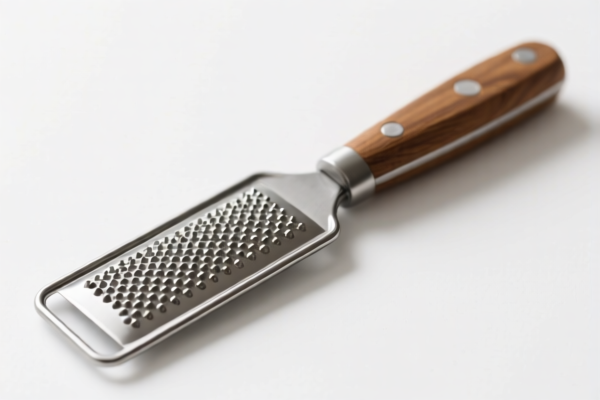
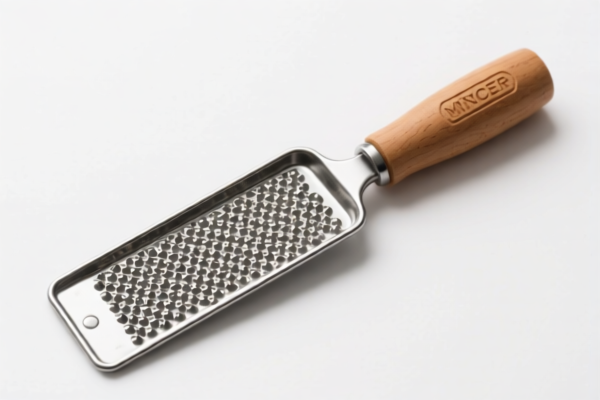

AI分析
🥩 Mincer / Meat Grinder (Food Processing Machinery)
🌐 HS Code Reference & Customs Clearance Guide | 2024 Latest Tariff Analysis | Professional Clearance Strategy
📌 I. Product Definition & Classification: What Exactly is a "Mincer"?
A Mincer (or Meat Grinder) is a mechanical device used to force food through a plate with small holes, typically to prepare minced meat. In international trade, classification depends heavily on the power source and intended use:
1. Household Electric Mincers: Portable, electric appliances designed for home use to grind meat or process vegetables. These fall under Chapter 85. 2. Industrial/Commercial Meat Preparers: Large-scale, often manual or heavy-duty electric machines used in slaughterhouses or food processing plants. These fall under Chapter 84. 3. Manual Mechanical Mincers: Hand-cranked or foot-pedal operated devices, classified as simple mechanical tools. These fall under Chapter 82.
⚠️ Key Distinction Point:
- If it is electric and meant for home/kitchen use (even if metal) → Chapter 85 (Electrical Appliances)
- If it is for industrial meat preparation (even if electric) → Chapter 84 (Machinery for preparing meat)
- If it is manual (no electricity) → Chapter 82 (Hand Tools)
📦 II. HS Code Classification Matrix (Based on Provided Data)
| HS Code | Product Description | Application Scenario | Power Source |
|---|---|---|---|
8509.40.00.40 |
Iron Mincer, for food grinding/handling | Home electric household appliance | ⚡ Electric |
8509.40.00.25 |
Iron Mincer, for meat grinding | Food grinding, handling & stirring equipment | ⚡ Electric |
8438.50.00.90 |
Iron Mincer, for meat preparation | Meat/ poultry preparation machinery | ⚡ Electric (Industrial) |
8438.50.00.10 |
Iron Mincer, for meat preparation | Meat or poultry preparation machinery | ⚡ Electric (Industrial) |
8210.00.00.00 |
Iron Mincer, for food preparation | Manual mechanical utensils | 🖐️ Manual |
🔍 Critical Alert:
- Electric Home Use vs. Electric Industrial Use is the biggest pitfall.
-8509items have low base tariffs but are subject to Section 122 duties.
-8438and8210items are subject to Section 301 (25%) + Section 122 (10%), leading to high total duties.
💰 III. 2024 Tariff Rate Breakdown (Detailed Tax Clauses)
✅ Applicable Country: United States (US)
✅ Origin: China (CN)
✅ Applicable Time: Current effective rates (Post-2024 Adjustments)
🎯 1. Household Electric Miners (8509.40.00.40 & 8509.40.00.25)
| Item | Details |
|---|---|
| Base Tariff | 4.2% |
| Section 301 Tariff | 0.0% (Excluded from high-tier 301 list) |
| Section 122 Tariff | 10% |
| Total Tax Rate | 14.2% |
| Tax Calculation | CIF Value × 14.2% |
| De Minimis Eligibility | ❌ No (Usually exceeds $800 threshold for personal use if commercial) |
| Legal Basis | Base Tariff (4.2%) + Section 122 (10%) |
📌 Explanation:
- These codes classify electric household appliances.
- While they avoid the heavy 25% Section 301 tariff, they are still subject to 10% Section 122 (additional duties on specific Chinese goods).
- Total Effective Rate: 14.2%. This is the most cost-effective classification for electric mincers.
🎯 2. Industrial/Commercial Meat Preparers (8438.50.00.90 & 8438.50.00.10)
| Item | Details |
|---|---|
| Base Tariff | 2.8% |
| Section 301 Tariff | 25.0% |
| Section 122 Tariff | 10% |
| Total Tax Rate | 37.8% |
| Tax Calculation | CIF Value × 37.8% |
| De Minimis Eligibility | ❌ No |
| Legal Basis | Base Tariff (2.8%) + Section 301 (25%) + Section 122 (10%) |
📌 Explanation:
- If your electric mincer is deemed industrial grade or used for commercial meat preparation, it falls here.
- It incurs the full 25% Section 301 tariff PLUS the 10% Section 122 tariff.
- Total Effective Rate: 37.8%. This is nearly 2.7x higher than the household version.
🎯 3. Manual Mechanical Miners (8210.00.00.00)
| Item | Details |
|---|---|
| Base Tariff | 3.7% |
| Section 301 Tariff | 25.0% |
| Section 122 Tariff | 10% |
| Total Tax Rate | 38.7% |
| Tax Calculation | CIF Value × 38.7% |
| De Minimis Eligibility | ❌ No |
| Legal Basis | Base Tariff (3.7%) + Section 301 (25%) + Section 122 (10%) |
📌 Explanation:
- Hand-cranked or pedal-powered mincers fall under Manual Mechanical Utensils.
- They are subject to all surcharges.
- Total Effective Rate: 38.7%. This is the highest cost option.
🛠️ IV. Customs Clearance Practical Advice (Battle-Tested Guide)
✅ 1. Document Checklist (Non-Negotiable)
| Document | Required? | Notes |
|---|---|---|
| ✅ Product Specification Sheet | ✔️ | Must specify: Voltage, Wattage, Material (Iron), Function (Grind/Minse). |
| ✅ User Manual / Photos | ✔️ | Crucial: Show controls, power cord, and brand. Distinguish from industrial models. |
| ✅ Commercial Invoice | ✔️ | Clearly state: "Electric Household Meat Mincer, Not for Industrial Use". |
| ✅ Packing List | ✔️ | List all accessories (grinding plates, pusher). Do not split shipments unnecessarily. |
| ✅ Country of Origin Cert. | ✔️ | Required for Section 122 & 301 duty calculations. |
✅ 2. Declaration Strategy (Key Mnemonic)
🔥 “Household Electric? Go 8509. Industrial? Pay 37%. Manual? Pay 38%!”
| Scenario | Recommended HS Code | Total Tax | Risk Level |
|---|---|---|---|
| Electric Home Mincer | 8509.40.00.40 or 8509.40.00.25 |
14.2% | ✅ Low (Best Option) |
| Electric Commercial Mincer | 8438.50.00.90 or 8438.50.00.10 |
37.8% | ⚠️ High (Verify use case) |
| Manual Crank Mincer | 8210.00.00.00 |
38.7% | ⚠️ High (Avoid if electric possible) |
📌 Important Tip:
- If you sell an electric mincer, always strive to classify it under 8509.
- Ensure your marketing materials describe it as a "Kitchen Appliance" or "Household Item", not "Food Processing Equipment".
- Industrial classifiers often look for continuous operation, large capacity, or specialized safety features. If yours is a standard home appliance, emphasize portability and home use.
✅ 3. Special Cases & Pitfalls
| Situation | Advice |
|---|---|
| "Industrial-Style" Home Mincer | Even if it looks heavy-duty, if it plugs into a standard 110V/220V outlet and is sold for home use, argue for 8509. Provide proof of retail packaging. |
| Missing Power Cord | If shipped without a cord, customs may still classify based on design intent. Provide wiring diagrams showing standard household voltage compatibility. |
| Mixed Orders | If shipping both electric and manual mincers, declare separately. Do not mix, as rates differ significantly (14.2% vs 38.7%). |
| Section 122 Applicability | Remember: Both 8509 and 8438/8210 are subject to the 10% Section 122 tariff. There is no way to avoid this 10% surcharge on Chinese-made mincers currently. |
🌍 V. Global Market Comparison (2024 Snapshot)
| Market | Recommended HS Code | Base Tariff | Additional Duties (China) | Total Est. Rate |
|---|---|---|---|---|
| 🇺🇸 USA | 8509.40.00.40 |
4.2% | Sec 301 (0%) + Sec 122 (10%) | 14.2% |
| 🇪🇺 EU | 8543.70.90 (Similar) |
~3-4% | No Section 301/122 | ~4% |
| 🇨🇳 China | 8509.40.00 |
0-10% | N/A | 0-10% |
| 🇬🇧 UK | 8543.70.90 |
~3-4% | No Section 301/122 | ~4% |
📌 Conclusion:
- The US is the most expensive market due to Section 122 (10%) and potential Section 301 (25%).
- European and UK markets are significantly cheaper, as they do not impose these specific punitive tariffs.
📌 VI. Common Errors & Pitfalls (Lessons Learned)
❌ Mistake 1: Classifying an Electric Home Mincer as 8438 (Industrial)
👉 Consequence: Tax jumps from 14.2% to 37.8%. Loss of Profit!
❌ Mistake 2: Classifying a Manual Mincer as 8509
👉 Consequence: Customs rejection. Manual tools cannot be electrical appliances. Fine + Delay.
❌ Mistake 3: Ignoring Section 122
👉 Consequence: Underestimating landed cost. All these codes include 10% Sec 122. Plan your pricing accordingly.
❌ Mistake 4: Vague Description ("Meat Chopper")
👉 Consequence: Customs ambiguity. Use precise terms: "Electric Household Meat Mincer, 200W, Iron Body".
✅ Correct Approach:
"Electric Household Meat Mincer, Model XYZ, 110V, 200W, For Home Kitchen Use Only, Iron Construction."
🎯 VII. Conclusion: Professional Declaration, Cost Optimization!
🎯 Remember the Rule of Thumb:
🔹 "Home Electric = 8509 (14.2%) | Industrial Electric = 8438 (37.8%) | Manual = 8210 (38.7%)"
🔹 "Every percentage point counts. Classify correctly, save thousands."
📌 Pro Tip:
If your product is exported to non-US markets, you can avoid the Section 122 (10%) and Section 301 (25%) tariffs entirely, reducing your duty burden significantly.
Consider market diversification to mitigate US tariff risks.
📣 Take Action Now:
📞 Consult a licensed customs broker to apply for an Advance Ruling on your specific model.
📸 Document your product’s home-use features (compact size, standard plug, retail box).
🚀 Clear goods faster, pay less tax, and maximize your margins!
✨ Precision Classification is the Key to Profit!
💼 Your Bottom Line Depends on the HS Code.
用户评价
关于 HS 编码归类
协调制度(HS)是由世界海关组织(WCO)制定的国际贸易商品分类标准。全球 200 多个国家采用 HS 系统作为海关关税、贸易统计和进出口监管的基础。
每个 HS 编码遵循以下层级结构:
- 章(2 位)——商品大类(例如:第 84 章:机器和机械设备)
- 品目(4 位)——章内的更具体分类
- 子目(6 位)——国际通用细分,所有 WCO 成员国统一使用
- 本国细分(8-10 位)——各国自行扩展的细分编码,如美国 HTSUS 10 位编码
正确的 HS 编码归类对于顺利通关、准确缴纳关税和遵守贸易法规至关重要。错误归类可能导致海关延误、多缴关税或罚款。
从CN进口到US时,适用的关税税率可能包括:
- 最惠国(MFN)税率——适用于 WTO 成员国的标准关税税率
- 普通税率——适用于无贸易协定国家
- 贸易救济关税——附加关税,如 301 条款(反倾销)、232 条款(国家安全)或反补贴税
本页内容仅供参考。如需正式归类,请咨询当地海关或持牌报关代理。