Mini Handheld Sewing Machine
CN → US| HS编码 | 关税税率 | 原产国 | 目的国 | 文档 |
|---|---|---|---|---|
| 8509805095 | 14.2% | CN | US | 官方文档 |
| 8452100090 | 10.0% | CN | US | 官方文档 |
| 8452299000 | 10.0% | CN | US | 官方文档 |
| 8467895090 | 17.5% | CN | US | 官方文档 |
| 8509805080 | 14.2% | CN | US | 官方文档 |
商品图片
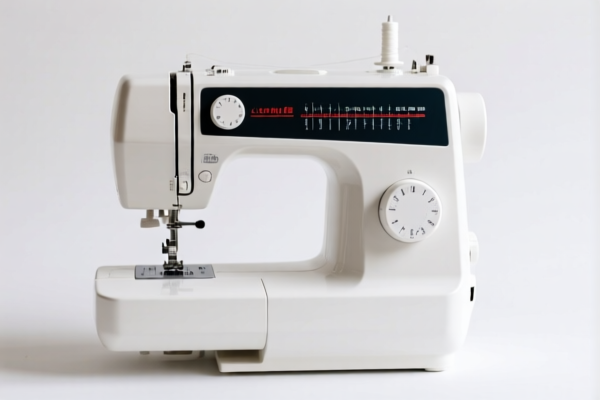


AI分析
✂️ Mini Handheld Sewing Machine (Portable & Cordless Sewing Solutions)
🌐 HS Code Reference & Clearance Guide | 2026 Tariff Analysis | Strategic Import Strategy
📌 I. Product Definition & Classification: What is a "Mini Handheld Sewing Machine"?
The "Mini Handheld Sewing Machine" is a compact, portable device designed for quick repairs, tailoring, and crafting on the go. It is typically battery-powered (cordless) or plug-in, featuring a lightweight, ergonomic "pencil-like" or "gun-like" form factor.
In international trade, these devices face a critical classification dilemma due to their hybrid nature: * Is it a "Sewing Machine" (Category 8452)? → Focus on the function (stitching fabric). * Is it a "Handheld Power Tool" (Category 8467)? → Focus on the form factor (portable, manual operation). * Is it a "Household Appliance" (Category 8509)? → Focus on the electricity source (self-contained motor) and intended use (home use).
⚠️ Critical Distinction:
- If the machine is small, electric, and marketed for home use, it may fall under 8509 (High Tariff ~14.2%).
- If it is strictly classified as a mechanical sewing device (regardless of size), it falls under 8452 (Lower Tariff ~10.0%).
- If customs views it as a "Handheld Tool" (like a drill), it triggers 8467 (Highest Tariff ~17.5% + 7.5% additional).
The classification choice can shift your tax bill by up to 7.5% (2x difference)!
📦 II. HS Code Classification Details (2026 Tariff Authority)
Based on the specific attributes of your product, here are the four potential classifications provided in the reference data:
| HS Code | Product Description | Classification Logic | Applicable Tax Rate |
|---|---|---|---|
8509.80.50.95 |
Home Appliance (Sewing Machine Class) | Logic: Fits "Household Appliances" with self-contained electric motors. Classified under "Other" (8509). | 14.2% |
8452.10.00.90 |
Domestic Sewing Machine | Logic: "Sewing" function matches "Domestic Sewing Machine" (8452). Form fits "Other" catch-all. | 10.0% |
8452.29.90.00 |
Other Sewing Machines (Mini/Handheld) | Logic: "Sewing" function matches "Sewing Machine". "Mini/Handheld" falls under "Other Sewing Machines" (8452). | 10.0% |
8467.89.50.90 |
Handheld Power Tools | Logic: "Handheld" form factor matches "Handheld Tools" (8467). Treated as a general tool, not a dedicated sewing machine. | 17.5% |
8509.80.50.80 |
Household Appliance (Electric) | Logic: "Self-contained electric motor" + "Mini Sewing Machine" form. Fits "Other" household appliances. | 14.2% |
🔍 Key Insight:
-8452(10.0%) is generally the most favorable classification for sewing machines, as it is the specific chapter for sewing equipment.
-8509(14.2%) applies if the product is heavily marketed as a "Home Appliance" rather than a "Machine".
-8467(17.5%) is the riskiest classification, applying if customs agents view it primarily as a "power tool" rather than a "sewing machine".
💰 III. 2026 Tariff Rate Breakdown (Detailed Tax Clause Analysis)
✅ Applicable Country: United States (US)
✅ Origin: China (CN)
✅ Effective Time: 2025/2026 Import Regulations
🎯 Scenario A: The "Best Case" - Sewing Machine Classification (8452)
Codes: 8452.10.00.90 & 8452.29.90.00
Total Tax: 10.0%
| Tax Component | Rate | Details & Legal Basis |
|---|---|---|
| Base Tariff | 0.0% | Standard Most-Favored-Nation (MFN) rate for sewing machines is often duty-free. |
| Section 301 / "Add-on" | 0.0% | No additional Section 301 tariffs listed for these specific subheadings in the source data. |
| Section 122 Tariff | 10.0% | Special Addition: A 10% tariff applied specifically under the "122 Clause" (likely referring to Section 232 or specific China add-on measures). |
| Total Effective Rate | 10.0% | Formula: CIF Value × 10% |
📌 Interpretation:
- The "0%" base tariff suggests the US encourages the import of sewing equipment.
- The 10% comes entirely from the "122 Clause Tariff" (a specific punitive measure on Chinese goods).
- Strategy: Ensure your product is described as a "Domestic Sewing Machine" to leverage the 0% base.
🎯 Scenario B: The "Middle Case" - Household Appliance Classification (8509)
Codes: 8509.80.50.95 & 8509.80.50.80
Total Tax: 14.2%
| Tax Component | Rate | Details & Legal Basis |
|---|---|---|
| Base Tariff | 4.2% | Standard MFN duty for "Other Household Appliances" (8509). |
| Section 301 / "Add-on" | 0.0% | No additional tariff listed. |
| Section 122 Tariff | 10.0% | Same 10% "122 Clause" applied as above. |
| Total Effective Rate | 14.2% | Formula: CIF Value × 14.2% |
📌 Interpretation:
- The tax is 4.2% higher than the8452category solely due to the Base Tariff.
- This happens if customs classifies the item as a "Small Electric Appliance" rather than a "Machine".
- Strategy: Avoid marketing terms that emphasize "Appliance" or "Gadget" without mentioning "Sewing Machine".
🎯 Scenario C: The "Worst Case" - Handheld Tool Classification (8467)
Code: 8467.89.50.90
Total Tax: 17.5%
| Tax Component | Rate | Details & Legal Basis |
|---|---|---|
| Base Tariff | 0.0% | Base rate for "Other Handheld Tools" is 0%. |
| Section 301 / "Add-on" | 7.5% | Significant Penalty: An extra 7.5% tariff applied to handheld tools (likely Section 301 retaliation). |
| Section 122 Tariff | 10.0% | The standard 10% "122 Clause" applies. |
| Total Effective Rate | 17.5% | Formula: CIF Value × 17.5% |
📌 Interpretation:
- This is the most expensive classification.
- The 7.5% "Add-on" tariff is the main culprit. Customs may view the "Handheld" nature as "Tool" rather than "Sewing Machine".
- Strategy: Crucial! Prove the device's primary function is sewing, not general cutting/drilling.
🛠️ IV. Practical Clearance & Strategy Recommendations
✅ 1. Documentation Checklist (Mandatory)
| Document | Requirement | Why? |
|---|---|---|
| Product Brochure | Must explicitly state: "Domestic Sewing Machine" or "Portable Sewing Device". | Avoids classification as "Handheld Tool" (8467). |
| Instruction Manual | Show step-by-step sewing processes (threading, stitching). | Proves "Sewing Function" over "General Tool Function". |
| Circuit Diagram | Highlight the stitching motor and needle mechanism. | Distinguishes from generic power tools (8467). |
| Photographs | Show the machine in use on fabric. | Visual proof of the "Sewing" application. |
| Commercial Invoice | Use precise description: "Mini Handheld Sewing Machine". | Avoid vague terms like "Mini Tool" or "Stitcher". |
✅ 2. Declaration Strategy (The "Golden Rule")
🔥 Rule of Thumb: "Function Over Form!"
Do NOT declare as "Handheld Power Tool" (8467).
DO declare as "Domestic Sewing Machine" (8452).
| Scenario | Correct Declaration | Result |
|---|---|---|
| Product is Electric + Sewing | 8452.10.00.90 or 8452.29.90.00 |
10.0% Tax ✅ (Best Option) |
| Product is Appliance + Home Use | 8509.80.50.95 |
14.2% Tax ⚠️ (Acceptable) |
| Product is Handheld + General Use | 8467.89.50.90 |
17.5% Tax ❌ (Avoid!) |
✅ 3. Special Handling for "Mini/Handheld" Products
| Risk Factor | Mitigation Strategy |
|---|---|
| "Handheld" Trigger | Customs officers often default to 8467 for handheld items. Solution: Emphasize "Sewing" in the HS Code description and invoice. |
| "Home Appliance" Trigger | If the product looks like a "gadget", it might go to 8509. Solution: Ensure the manual highlights industrial/semi-industrial sewing capabilities. |
| "122 Clause" Risk | The 10% tariff is unavoidable if origin is China. Solution: Check if you can qualify for Exclusion List (if applicable for specific models). |
✅ 4. Pro Tip: The "Pre-Ruling" Advantage
🚀 Action: Apply for a Binding Tariff Ruling (BTR) from CBP before shipping.
- Why: Get a written confirmation that your "Mini Handheld" device is classified under 8452 (10%) and NOT 8467 (17.5%).
- Cost: Low administrative cost vs. potential 7.5% tax loss on large shipments.
🌍 V. Summary of Tax Impact
| HS Code Category | Classification Basis | Total Tax | Savings vs. Worst Case |
|---|---|---|---|
| 8452 (Sewing Machine) | Function: Sewing | 10.0% | Save 7.5% |
| 8509 (Appliance) | Function: Home Use | 14.2% | Save 3.3% |
| 8467 (Handheld Tool) | Form: Tool | 17.5% | Baseline (Worst) |
🎯 VI. Conclusion: Don't Let "Handheld" Cost You Profit!
📢 Final Advice:
The term "Handheld" is a double-edged sword. While it's a great marketing feature for consumers, it can trigger higher tariffs in customs.
Your Goal: Prove that SEWING is the primary function, not "holding a tool".
Target HS Code:8452(Total Tax: 10.0%).
Avoid:8467(Total Tax: 17.5%).✨ Expert Tip:
If you are a new exporter, consider applying for a Pre-classification Ruling. It is the only way to lock in the 10% rate and avoid the surprise 17.5% tax bill at the US border!
📌 Need Help?
👉 Contact a Licensed Customs Broker to review your product photos and manuals.
👉 Double-check your Invoice Description against the HS Code 8452.
🚀 Ship Smarter, Pay Less, Clear Faster!
用户评价
关于 HS 编码归类
协调制度(HS)是由世界海关组织(WCO)制定的国际贸易商品分类标准。全球 200 多个国家采用 HS 系统作为海关关税、贸易统计和进出口监管的基础。
每个 HS 编码遵循以下层级结构:
- 章(2 位)——商品大类(例如:第 84 章:机器和机械设备)
- 品目(4 位)——章内的更具体分类
- 子目(6 位)——国际通用细分,所有 WCO 成员国统一使用
- 本国细分(8-10 位)——各国自行扩展的细分编码,如美国 HTSUS 10 位编码
正确的 HS 编码归类对于顺利通关、准确缴纳关税和遵守贸易法规至关重要。错误归类可能导致海关延误、多缴关税或罚款。
从CN进口到US时,适用的关税税率可能包括:
- 最惠国(MFN)税率——适用于 WTO 成员国的标准关税税率
- 普通税率——适用于无贸易协定国家
- 贸易救济关税——附加关税,如 301 条款(反倾销)、232 条款(国家安全)或反补贴税
本页内容仅供参考。如需正式归类,请咨询当地海关或持牌报关代理。