Mini Non stick Frying Pan
CN → US| HS编码 | 关税税率 | 原产国 | 目的国 | 文档 |
|---|---|---|---|---|
| 7323997000 | 65.3% | CN | US | 官方文档 |
| 7323930045 | 62.0% | CN | US | 官方文档 |
| 7615102025 | 63.1% | CN | US | 官方文档 |
商品图片
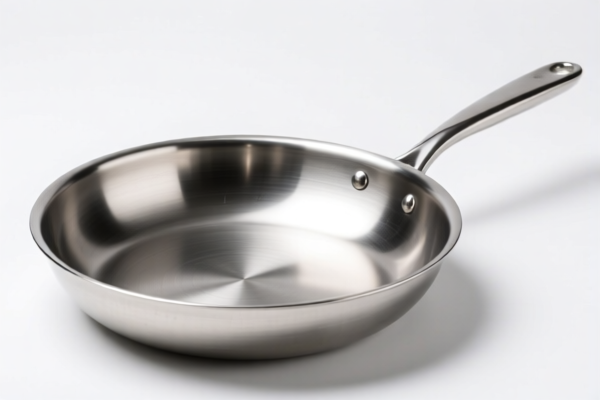
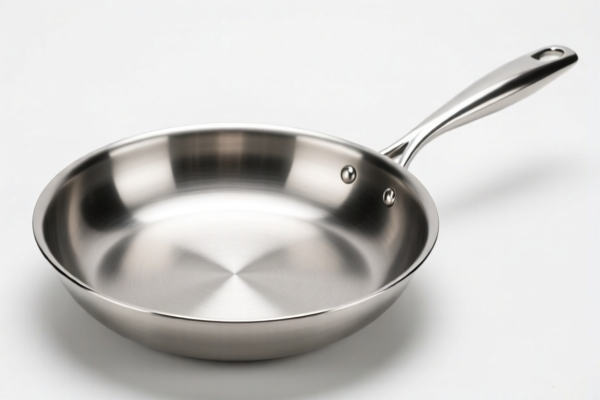
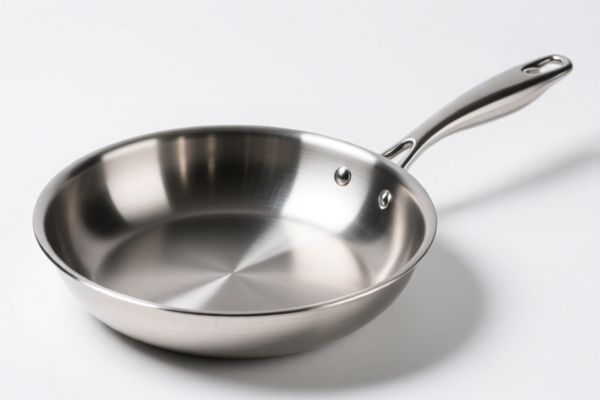
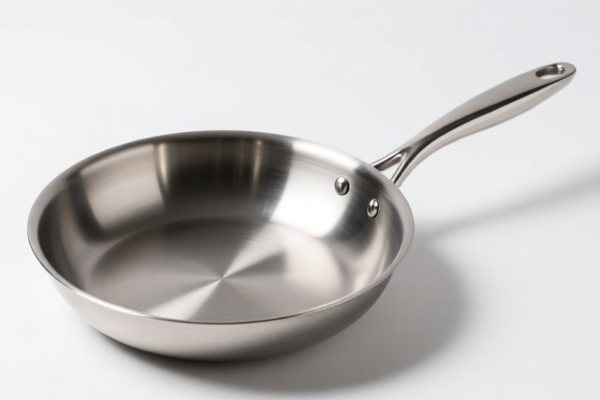
AI分析
🍳 Mini Non-stick Frying Pan (The "Space-Saver" Cookware)
🌐 HS Code Reference & Customs Clearance Guide | 2026 Latest Tariff Analysis | Professional Clearance Strategy
📌 I. Product Definition & Classification: What Exactly is a "Mini Non-stick Pan"?
The Mini Non-stick Frying Pan is a compact cooking utensil, typically used for single-serving meals, camping, or small kitchen spaces. In international trade, its classification hinges strictly on Material and Surface Treatment. It is not a generic "pan"; it is a specific metal product with a non-stick coating.
Key Distinction Criteria: * Iron/Steel Base: If the pan is made of cast iron or steel with a non-stick layer → HS Code 7323.99.70.00 * Stainless Steel or Aluminum Base: If the pan is stainless steel or aluminum alloy → HS Code 7323.93.00.45 (Steel) or 7615.10.20.25 (Aluminum)
⚠️ Critical Note:
- The presence of a non-stick coating does not change the base material classification.
- Aluminum products fall under Chapter 76, while Iron/Steel fall under Chapter 73. Misclassifying Aluminum as Steel (or vice versa) can lead to significant tax discrepancies and customs delays.
📦 II. HS Code Classification Details (2026 Latest Tariff Authority)
Based on the provided data, here are the three possible classifications for Mini Non-stick Frying Pans:
| HS Code | Product Description | Applicable Scenario | Base Material |
|---|---|---|---|
| 7323.99.70.00 | Non-stick pan, iron/steel material, kitchenware, non-precious metal coated | Cast iron skillet, steel frying pan with PTFE/Teflon coating | Iron/Steel |
| 7323.93.00.45 | Non-stick pan, stainless steel or aluminum alloy, cooking utensil | Stainless steel non-stick pan (rare) or Aluminum alloy pan classified under steel subheading | Stainless Steel/Alloy |
| 7615.10.20.25 | Non-stick pan, aluminum or other metal, cooking utensil, non-stick coating特征 | Pure aluminum non-stick frying pan, lightweight cookware | Aluminum |
🔍 Key Reminder:
- 7615 is for articles of aluminum. If your pan is aluminum, you must use7615.10.20.25or7323.93.00.45(if deemed alloy/steel-like).
- 7323.99 is for other articles of iron or steel. If your pan is iron/steel, use7323.99.70.00.
- Do not mix materials: An aluminum pan declared as iron will trigger an automatic audit.
💰 III. 2026 Latest Tariff Rate Breakdown (Including Surcharges & Policy Add-ons)
✅ Applicable Country: United States (US)
✅ Origin: China (CN)
✅ Effective Date: Ongoing (including subsequent imports)
The tax structure for these cookware items is complex and high due to Section 301 and Section 232 tariffs.
🎯 1. 7323.99.70.00 — Non-stick Pan (Iron/Steel)
| Item | Content |
|---|---|
| Base Tariff | 5.3% |
| Section 301 Surcharge | 0.0% (Standard 301 may not apply to all sub-codes, but see below) |
| Section 232 Surcharge (122 Clause) | +50% (On Steel/Aluminum/Copper articles) |
| Total Tax Rate | 65.3% |
| Tax Calculation | CIF Value × 65.3% |
| De Minimis Eligibility | ❌ Not Eligible (deny_de_minimis) |
| Legal Path | USITC:7323.99.70.00 → FOOTNOTE:232.3 (Steel Surcharge) |
📌 Explanation:
- The 50% surcharge is applied under Section 232 (National Security) for steel products.
- Since the pan is iron/steel, it is subject to this heavy penalty.
- Total effective rate: 65.3%. This is extremely high and significantly impacts profit margins.
🎯 2. 7323.93.00.45 — Non-stick Pan (Stainless Steel/Alloy)
| Item | Content |
|---|---|
| Base Tariff | 2.0% |
| Section 301 Surcharge | 0.0% |
| Section 232 Surcharge (122 Clause) | +50% (On Steel/Aluminum/Copper articles) |
| Total Tax Rate | 62.0% |
| Tax Calculation | CIF Value × 62.0% |
| De Minimis Eligibility | ❌ Not Eligible (deny_de_minimis) |
| Legal Path | USITC:7323.93.00.45 → FOOTNOTE:232.3 |
📌 Note:
- Even though the base rate is lower (2.0%), the 50% Section 232 surcharge still applies because stainless steel is a steel product.
- Total effective rate: 62.0%.
🎯 3. 7615.10.20.25 — Non-stick Pan (Aluminum)
| Item | Content |
|---|---|
| Base Tariff | 3.1% |
| Section 301 Surcharge | 0.0% |
| Section 232 Surcharge (122 Clause) | +50% (On Steel/Aluminum/Copper articles) |
| Total Tax Rate | 63.1% |
| Tax Calculation | CIF Value × 63.1% |
| De Minimis Eligibility | ❌ Not Eligible (deny_de_minimis) |
| Legal Path | USITC:7615.10.20.25 → FOOTNOTE:232.4 (Aluminum Surcharge) |
📌 Note:
- Aluminum products are also subject to Section 232 tariffs.
- The surcharge is 50% on top of the 3.1% base rate.
- Total effective rate: 63.1%.⚠️ Critical Observation:
All three classifications result in total tax rates between 62% and 65.3%.
The difference is negligible for profit calculation purposes, but accurate material declaration is mandatory to avoid penalties.
🛠️ IV. Customs Clearance Practical Advice (Real-World Pitfall Avoidance)
✅ 1. Required Documentation Checklist (Non-negotiable)
| Document | Mandatory? | Description |
|---|---|---|
| ✅ Product Specification Sheet | ✔️ | Must specify Base Material (Iron, Steel, or Aluminum) and Coating Type (PTFE, Ceramic, etc.). |
| ✅ Material Certificate | ✔️ | Proof of material composition (e.g., Alloy percentage) to distinguish between Steel (7323) and Aluminum (7615). |
| ✅ Product Photos (Clear Label) | ✔️ | Must show the pan, handle, and any branding. Coating should be visible or described. |
| ✅ Commercial Invoice | ✔️ | Must explicitly state "Non-stick Frying Pan, [Material]" and not just "Cookware". |
| ✅ Packing List | ✔️ | Clear itemization of quantity, weight, and dimensions. |
| ✅ FCC/ROHS (if applicable) | ✔️ | While cookware doesn’t need FCC, if the product includes electronic components (e.g., smart pan), certification is needed. For standard pans, LFGB/FDA food safety compliance is often requested by US customs or retailers. |
✅ 2. Declaration Tips (Key Mnemonic)
🔥 “Material First, Coating Second, 232 Surcharge is Real!”
| Scenario | Correct Declaration | Incorrect Practice |
|---|---|---|
| Aluminum Pan | 7615.10.20.25 |
Declaring as Steel → Misclassification penalty |
| Steel/Iron Pan | 7323.99.70.00 |
Declaring as Aluminum → Tax discrepancy |
| Non-stick Coating | Must be declared in description | Hiding coating → Risk of being classified as "uncoated" (lower tax but false declaration) |
| Set vs. Single | Declare per unit | Packing multiple pans as one unit → Complex valuation issues |
✅ 3. Special Cases Handling
| Situation | Handling Advice |
|---|---|
| OEM Customized Pan | Provide customer design drawings. Ensure the material matches the declared HS code. |
| Pan with Wooden Handle | Still classified under metal cookware (7323/7615). The wood is incidental. |
| Pan with Electronic Sensor | If it has temperature sensors, it may be reclassified as a "smart appliance" (Chapter 85), which has different tariffs. Consult a specialist! |
| Origin: Vietnam/Mexico | If manufactured in these countries, Section 232 surcharges may not apply (or are lower). Check for Free Trade Agreements (FTA). |
🌍 V. Global Market Comparison (2026 Latest)
| Country/Region | Recommended HS Code | Tariff (China Origin) | Certification | Remarks |
|---|---|---|---|---|
| 🇺🇸 USA | 7323.99.70.00 / 7615.10.20.25 |
62% - 65.3% (High!) | FDA/LFGB | Section 232 surcharges are massive. |
| 🇨🇳 China | 7323.99.70.00 |
~10-13% (Import) | CCC (if applicable) | Domestic production avoids export tariffs. |
| 🇪🇺 EU | 7323.99 / 7615.10 |
0% | CE + REACH | No Section 232 equivalent. Much lower cost. |
| 🇬🇧 UK | 7323.99 |
~12-17% | UKCA | Post-Brexit tariffs apply. |
| 🇦🇺 Australia | 7323.99 |
~5% | RCM | Moderate tariffs. |
📌 Conclusion:
- USA is the most expensive market due to Section 232 tariffs.
- EU and Australia are far more competitive for Chinese cookware exports.
- If targeting the US, consider transshipment (with caution) or local assembly to mitigate Section 232 costs.
📌 VI. Common Mistakes & Pitfalls (Blood & Tears Lessons)
❌ Mistake 1: Declaring an Aluminum pan as Iron/Steel to try to "simplify" documentation.
👉 Consequence: Customs will test the material. If found mismatched, you face fines + back taxes + potential import ban.
❌ Mistake 2: Ignoring the Section 232 Surcharge.
👉 Consequence: Budgeting for 5% tax when the real cost is 65% → Massive profit loss.
❌ Mistake 3: Using "Cookware" as a generic description without specifying material.
👉 Consequence: Customs will assign a default HS code, which may be incorrect and higher, leading to delays.
❌ Mistake 4: Assuming De Minimis ($800) applies.
👉 Consequence: Cookware from China is explicitly denied De Minimis benefits under Section 232/301. Every shipment will be taxed.
✅ Correct Approach:
"Non-stick Frying Pan, 8-inch, Aluminum Alloy, PTFE Coating, Model XYZ, FDA Compliant"
🎯 VII. Conclusion: Professional Declaration, Cost Control, Efficiency!
🎯 Remember the Mnemonic:
🔹 "Material is King: Steel/Aluminum determines the Code."
🔹 "Section 232 is Real: 50% Surcharge is unavoidable for Steel/Aluminum from China."
🔹 "Total Tax ~63%: Plan your pricing accordingly!"
📌 Tips:
- If you are exporting to the US, consider pre-paying duties or using a tariff engineering strategy (e.g., adding non-metal components to change classification, though difficult for pans).
- Always request a Certificate of Origin and Material Composition Report from your supplier.
- For high-volume shipments, apply for an Advance Ruling from US CBP to confirm the HS code and tariff application.
📣 Immediate Action:
📞 Contact a licensed customs broker + Provide Material Spec Sheet + Verify Section 232 Exclusions.
🚀 Ensure your Mini Non-stick Pans clear customs smoothly, avoid costly delays, and protect your profit margins!
✨ Professional Clearance Starts with Accurate Classification!
💼 Every percent of tax saved is pure profit!
用户评价
关于 HS 编码归类
协调制度(HS)是由世界海关组织(WCO)制定的国际贸易商品分类标准。全球 200 多个国家采用 HS 系统作为海关关税、贸易统计和进出口监管的基础。
每个 HS 编码遵循以下层级结构:
- 章(2 位)——商品大类(例如:第 84 章:机器和机械设备)
- 品目(4 位)——章内的更具体分类
- 子目(6 位)——国际通用细分,所有 WCO 成员国统一使用
- 本国细分(8-10 位)——各国自行扩展的细分编码,如美国 HTSUS 10 位编码
正确的 HS 编码归类对于顺利通关、准确缴纳关税和遵守贸易法规至关重要。错误归类可能导致海关延误、多缴关税或罚款。
从CN进口到US时,适用的关税税率可能包括:
- 最惠国(MFN)税率——适用于 WTO 成员国的标准关税税率
- 普通税率——适用于无贸易协定国家
- 贸易救济关税——附加关税,如 301 条款(反倾销)、232 条款(国家安全)或反补贴税
本页内容仅供参考。如需正式归类,请咨询当地海关或持牌报关代理。