Mini Non stick Frying Pan
CN → US| HS Code | Tariff Rate | Origin | Destination | Doc |
|---|---|---|---|---|
| 7323997000 | 65.3% | CN | US | Official Doc |
| 7323930045 | 62.0% | CN | US | Official Doc |
| 7615102025 | 63.1% | CN | US | Official Doc |
Product Images
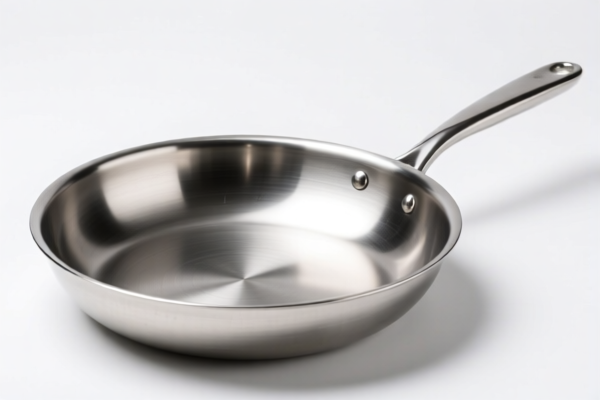
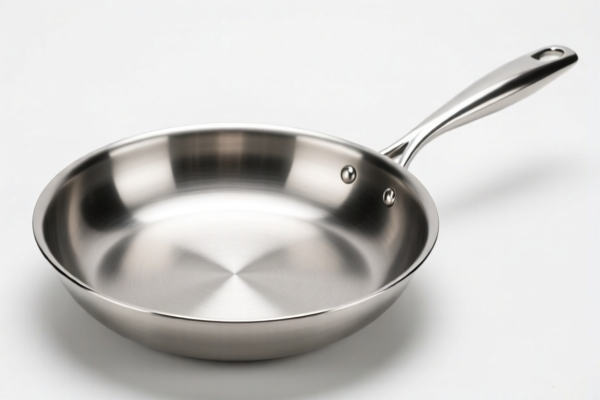
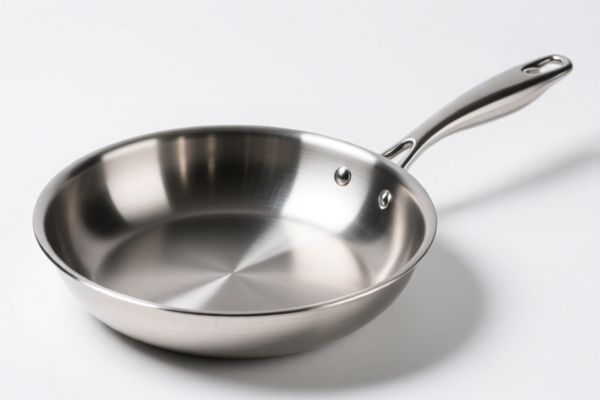
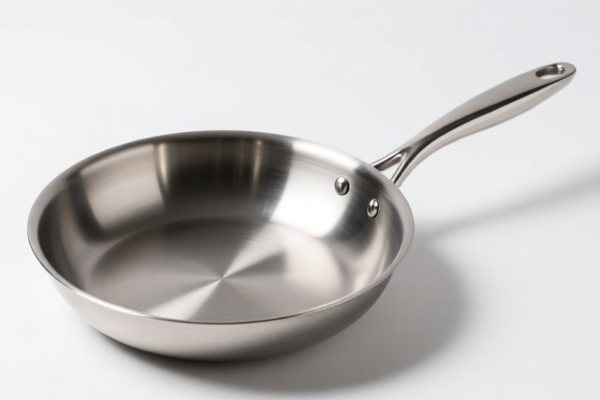
AI Analysis
🍳 Mini Non-stick Frying Pan (The "Space-Saver" Cookware)
🌐 HS Code Reference & Customs Clearance Guide | 2026 Latest Tariff Analysis | Professional Clearance Strategy
📌 I. Product Definition & Classification: What Exactly is a "Mini Non-stick Pan"?
The Mini Non-stick Frying Pan is a compact cooking utensil, typically used for single-serving meals, camping, or small kitchen spaces. In international trade, its classification hinges strictly on Material and Surface Treatment. It is not a generic "pan"; it is a specific metal product with a non-stick coating.
Key Distinction Criteria: * Iron/Steel Base: If the pan is made of cast iron or steel with a non-stick layer → HS Code 7323.99.70.00 * Stainless Steel or Aluminum Base: If the pan is stainless steel or aluminum alloy → HS Code 7323.93.00.45 (Steel) or 7615.10.20.25 (Aluminum)
⚠️ Critical Note:
- The presence of a non-stick coating does not change the base material classification.
- Aluminum products fall under Chapter 76, while Iron/Steel fall under Chapter 73. Misclassifying Aluminum as Steel (or vice versa) can lead to significant tax discrepancies and customs delays.
📦 II. HS Code Classification Details (2026 Latest Tariff Authority)
Based on the provided data, here are the three possible classifications for Mini Non-stick Frying Pans:
| HS Code | Product Description | Applicable Scenario | Base Material |
|---|---|---|---|
| 7323.99.70.00 | Non-stick pan, iron/steel material, kitchenware, non-precious metal coated | Cast iron skillet, steel frying pan with PTFE/Teflon coating | Iron/Steel |
| 7323.93.00.45 | Non-stick pan, stainless steel or aluminum alloy, cooking utensil | Stainless steel non-stick pan (rare) or Aluminum alloy pan classified under steel subheading | Stainless Steel/Alloy |
| 7615.10.20.25 | Non-stick pan, aluminum or other metal, cooking utensil, non-stick coating特征 | Pure aluminum non-stick frying pan, lightweight cookware | Aluminum |
🔍 Key Reminder:
- 7615 is for articles of aluminum. If your pan is aluminum, you must use7615.10.20.25or7323.93.00.45(if deemed alloy/steel-like).
- 7323.99 is for other articles of iron or steel. If your pan is iron/steel, use7323.99.70.00.
- Do not mix materials: An aluminum pan declared as iron will trigger an automatic audit.
💰 III. 2026 Latest Tariff Rate Breakdown (Including Surcharges & Policy Add-ons)
✅ Applicable Country: United States (US)
✅ Origin: China (CN)
✅ Effective Date: Ongoing (including subsequent imports)
The tax structure for these cookware items is complex and high due to Section 301 and Section 232 tariffs.
🎯 1. 7323.99.70.00 — Non-stick Pan (Iron/Steel)
| Item | Content |
|---|---|
| Base Tariff | 5.3% |
| Section 301 Surcharge | 0.0% (Standard 301 may not apply to all sub-codes, but see below) |
| Section 232 Surcharge (122 Clause) | +50% (On Steel/Aluminum/Copper articles) |
| Total Tax Rate | 65.3% |
| Tax Calculation | CIF Value × 65.3% |
| De Minimis Eligibility | ❌ Not Eligible (deny_de_minimis) |
| Legal Path | USITC:7323.99.70.00 → FOOTNOTE:232.3 (Steel Surcharge) |
📌 Explanation:
- The 50% surcharge is applied under Section 232 (National Security) for steel products.
- Since the pan is iron/steel, it is subject to this heavy penalty.
- Total effective rate: 65.3%. This is extremely high and significantly impacts profit margins.
🎯 2. 7323.93.00.45 — Non-stick Pan (Stainless Steel/Alloy)
| Item | Content |
|---|---|
| Base Tariff | 2.0% |
| Section 301 Surcharge | 0.0% |
| Section 232 Surcharge (122 Clause) | +50% (On Steel/Aluminum/Copper articles) |
| Total Tax Rate | 62.0% |
| Tax Calculation | CIF Value × 62.0% |
| De Minimis Eligibility | ❌ Not Eligible (deny_de_minimis) |
| Legal Path | USITC:7323.93.00.45 → FOOTNOTE:232.3 |
📌 Note:
- Even though the base rate is lower (2.0%), the 50% Section 232 surcharge still applies because stainless steel is a steel product.
- Total effective rate: 62.0%.
🎯 3. 7615.10.20.25 — Non-stick Pan (Aluminum)
| Item | Content |
|---|---|
| Base Tariff | 3.1% |
| Section 301 Surcharge | 0.0% |
| Section 232 Surcharge (122 Clause) | +50% (On Steel/Aluminum/Copper articles) |
| Total Tax Rate | 63.1% |
| Tax Calculation | CIF Value × 63.1% |
| De Minimis Eligibility | ❌ Not Eligible (deny_de_minimis) |
| Legal Path | USITC:7615.10.20.25 → FOOTNOTE:232.4 (Aluminum Surcharge) |
📌 Note:
- Aluminum products are also subject to Section 232 tariffs.
- The surcharge is 50% on top of the 3.1% base rate.
- Total effective rate: 63.1%.⚠️ Critical Observation:
All three classifications result in total tax rates between 62% and 65.3%.
The difference is negligible for profit calculation purposes, but accurate material declaration is mandatory to avoid penalties.
🛠️ IV. Customs Clearance Practical Advice (Real-World Pitfall Avoidance)
✅ 1. Required Documentation Checklist (Non-negotiable)
| Document | Mandatory? | Description |
|---|---|---|
| ✅ Product Specification Sheet | ✔️ | Must specify Base Material (Iron, Steel, or Aluminum) and Coating Type (PTFE, Ceramic, etc.). |
| ✅ Material Certificate | ✔️ | Proof of material composition (e.g., Alloy percentage) to distinguish between Steel (7323) and Aluminum (7615). |
| ✅ Product Photos (Clear Label) | ✔️ | Must show the pan, handle, and any branding. Coating should be visible or described. |
| ✅ Commercial Invoice | ✔️ | Must explicitly state "Non-stick Frying Pan, [Material]" and not just "Cookware". |
| ✅ Packing List | ✔️ | Clear itemization of quantity, weight, and dimensions. |
| ✅ FCC/ROHS (if applicable) | ✔️ | While cookware doesn’t need FCC, if the product includes electronic components (e.g., smart pan), certification is needed. For standard pans, LFGB/FDA food safety compliance is often requested by US customs or retailers. |
✅ 2. Declaration Tips (Key Mnemonic)
🔥 “Material First, Coating Second, 232 Surcharge is Real!”
| Scenario | Correct Declaration | Incorrect Practice |
|---|---|---|
| Aluminum Pan | 7615.10.20.25 |
Declaring as Steel → Misclassification penalty |
| Steel/Iron Pan | 7323.99.70.00 |
Declaring as Aluminum → Tax discrepancy |
| Non-stick Coating | Must be declared in description | Hiding coating → Risk of being classified as "uncoated" (lower tax but false declaration) |
| Set vs. Single | Declare per unit | Packing multiple pans as one unit → Complex valuation issues |
✅ 3. Special Cases Handling
| Situation | Handling Advice |
|---|---|
| OEM Customized Pan | Provide customer design drawings. Ensure the material matches the declared HS code. |
| Pan with Wooden Handle | Still classified under metal cookware (7323/7615). The wood is incidental. |
| Pan with Electronic Sensor | If it has temperature sensors, it may be reclassified as a "smart appliance" (Chapter 85), which has different tariffs. Consult a specialist! |
| Origin: Vietnam/Mexico | If manufactured in these countries, Section 232 surcharges may not apply (or are lower). Check for Free Trade Agreements (FTA). |
🌍 V. Global Market Comparison (2026 Latest)
| Country/Region | Recommended HS Code | Tariff (China Origin) | Certification | Remarks |
|---|---|---|---|---|
| 🇺🇸 USA | 7323.99.70.00 / 7615.10.20.25 |
62% - 65.3% (High!) | FDA/LFGB | Section 232 surcharges are massive. |
| 🇨🇳 China | 7323.99.70.00 |
~10-13% (Import) | CCC (if applicable) | Domestic production avoids export tariffs. |
| 🇪🇺 EU | 7323.99 / 7615.10 |
0% | CE + REACH | No Section 232 equivalent. Much lower cost. |
| 🇬🇧 UK | 7323.99 |
~12-17% | UKCA | Post-Brexit tariffs apply. |
| 🇦🇺 Australia | 7323.99 |
~5% | RCM | Moderate tariffs. |
📌 Conclusion:
- USA is the most expensive market due to Section 232 tariffs.
- EU and Australia are far more competitive for Chinese cookware exports.
- If targeting the US, consider transshipment (with caution) or local assembly to mitigate Section 232 costs.
📌 VI. Common Mistakes & Pitfalls (Blood & Tears Lessons)
❌ Mistake 1: Declaring an Aluminum pan as Iron/Steel to try to "simplify" documentation.
👉 Consequence: Customs will test the material. If found mismatched, you face fines + back taxes + potential import ban.
❌ Mistake 2: Ignoring the Section 232 Surcharge.
👉 Consequence: Budgeting for 5% tax when the real cost is 65% → Massive profit loss.
❌ Mistake 3: Using "Cookware" as a generic description without specifying material.
👉 Consequence: Customs will assign a default HS code, which may be incorrect and higher, leading to delays.
❌ Mistake 4: Assuming De Minimis ($800) applies.
👉 Consequence: Cookware from China is explicitly denied De Minimis benefits under Section 232/301. Every shipment will be taxed.
✅ Correct Approach:
"Non-stick Frying Pan, 8-inch, Aluminum Alloy, PTFE Coating, Model XYZ, FDA Compliant"
🎯 VII. Conclusion: Professional Declaration, Cost Control, Efficiency!
🎯 Remember the Mnemonic:
🔹 "Material is King: Steel/Aluminum determines the Code."
🔹 "Section 232 is Real: 50% Surcharge is unavoidable for Steel/Aluminum from China."
🔹 "Total Tax ~63%: Plan your pricing accordingly!"
📌 Tips:
- If you are exporting to the US, consider pre-paying duties or using a tariff engineering strategy (e.g., adding non-metal components to change classification, though difficult for pans).
- Always request a Certificate of Origin and Material Composition Report from your supplier.
- For high-volume shipments, apply for an Advance Ruling from US CBP to confirm the HS code and tariff application.
📣 Immediate Action:
📞 Contact a licensed customs broker + Provide Material Spec Sheet + Verify Section 232 Exclusions.
🚀 Ensure your Mini Non-stick Pans clear customs smoothly, avoid costly delays, and protect your profit margins!
✨ Professional Clearance Starts with Accurate Classification!
💼 Every percent of tax saved is pure profit!
Customer Reviews
About HS Code Classification
The Harmonized System (HS) is an internationally standardized nomenclature developed by the World Customs Organization (WCO) to classify traded products. Over 200 countries use the HS system as the basis for customs tariffs, trade statistics, and import/export regulations.
Each HS code follows a hierarchical structure:
- Chapter (2 digits) — Broad category of goods (e.g., Chapter 84: Machinery and Mechanical Appliances)
- Heading (4 digits) — More specific grouping within the chapter
- Subheading (6 digits) — Internationally standardized breakdown, used by all WCO member countries
- National subdivisions (8-10 digits) — Country-specific extensions for further classification, such as US HTSUS 10-digit codes
Correct HS code classification is essential for smooth customs clearance, accurate duty payment, and compliance with trade regulations. Misclassification can lead to customs delays, overpayment of duties, or penalties.
When importing from CN to US, the applicable tariff rates may include:
- Most-Favored-Nation (MFN) rate — The standard duty rate applied to WTO members
- General rate — Applied to countries without trade agreements
- Trade remedy duties — Additional tariffs such as Section 301 (anti-dumping), Section 232 (national security), or countervailing duties
The information provided on this page is for reference purposes only. For official classification, please consult with your local customs authority or a licensed customs broker.