Mini Plastic Electronic Keyboard
CN → US| HS编码 | 关税税率 | 原产国 | 目的国 | 文档 |
|---|---|---|---|---|
| 9503000073 | 10.0% | CN | US | 官方文档 |
| 9503000071 | 10.0% | CN | US | 官方文档 |
| 9207100065 | 22.9% | CN | US | 官方文档 |
| 9207100060 | 22.9% | CN | US | 官方文档 |
| 8543709860 | 37.6% | CN | US | 官方文档 |
商品图片
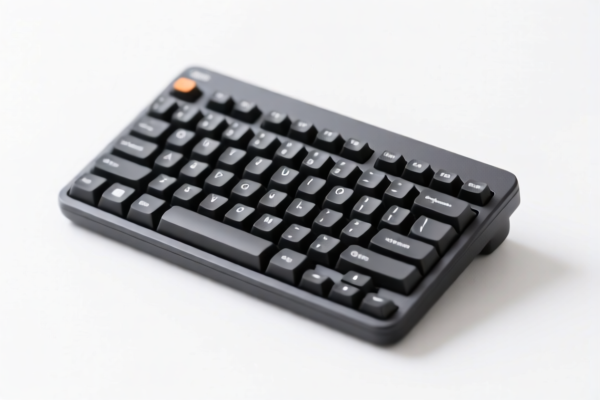
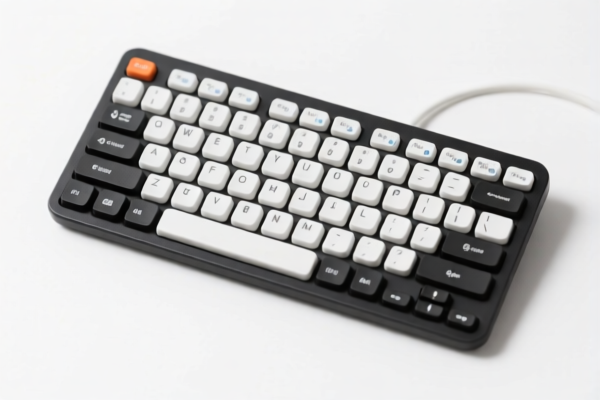
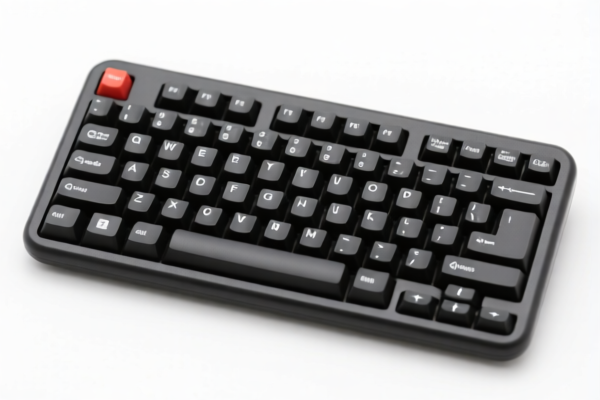
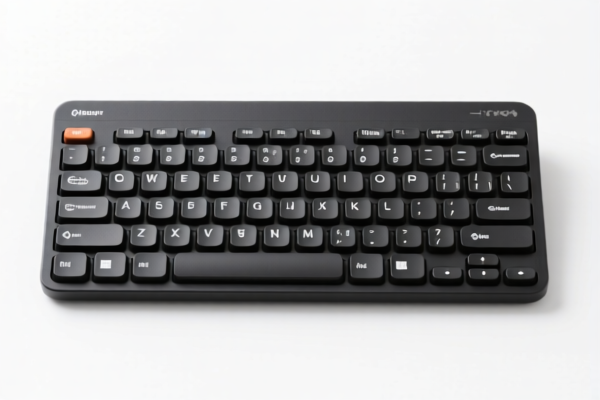
AI分析
🎹 Mini Plastic Electronic Keyboard (Toy Edition)
🌐 HS Code Reference & Customs Clearance Guide | 2026 Latest Tariff Analysis | Professional Entry Strategies
📌 I. Product Definition & Classification: What Exactly is a "Mini Electronic Keyboard"?
A Mini Plastic Electronic Keyboard is a small, portable musical device designed primarily for entertainment, education, or recreational use. In international trade, its classification hinges on two critical factors:
1. Primary Purpose: Is it primarily a toy (for children/play) or a musical instrument (for artistic/performance use)?
2. Construction: Is it made of plastic/simple materials (suggesting toy status) or professional-grade components?
⚠️ Key Distinction:
- If marketed as a toy (e.g., colorful plastic casing, simplified keys, durable for rough handling) → It may fall under Chapter 95 (Toys).
- If marketed as a musical instrument (e.g., weighted keys, professional sound synthesis, durable for regular use) → It may fall under Chapter 92 (Musical Instruments).
- Note: The data provided shows that even "toy-like" keyboards can be classified as musical instruments if they meet the definition of a "keyboard instrument." However, HS 9503.00.00 is specifically for toys.
📦 II. HS Code Classification Details (2026 Latest Tariff Authority Comparison)
| HS Code | Product Description | Applicable Scenario | Tax Rate | Key Classification Basis |
|---|---|---|---|---|
9503.00.00.73 |
Toy Electronic Keyboard – Classified as a toy, suitable for children's play, no material conflict. | Children's educational toys, colorful plastic designs, simplified functions. | 10.0% | "Toy" designation matches category and entertainment purpose. |
9503.00.00.71 |
Toy Electronic Keyboard – Name contains "toy," consistent with classification use, fits toy category. | General toy keyboards, marketed explicitly as toys. | 10.0% | Explicitly labeled as a toy in product naming. |
9207.10.00.65 |
Keyboard Musical Instrument – Fits definition of single-keyboard non-accordion, based on toy attributes. | Small portable keyboards, potentially used for learning music. | 22.9% | Classified as a musical instrument despite "toy" attributes. |
9207.10.00.60 |
Electric Sound-Producing Keyboard Instrument – Fits description of portable single-keyboard device. | Portable electronic keyboards, professional or semi-professional use. | 22.9% | Defined as an electric musical instrument. |
8543.70.98.60 |
Electro-acoustic Device – Classified under other machines/devices, material: plastic & electronic components. | General electronic devices, not specifically toys or instruments. | 37.6% | Broad category for electronic apparatus, highest tax burden. |
🔍 Key Takeaway:
- Toys (9503): Lowest tax rate (10%). Best for products clearly marketed as children's toys.
- Musical Instruments (9207): Medium tax rate (22.9%). For keyboards that are functional instruments, even if small.
- Other Electronics (8543): Highest tax rate (37.6%). Avoid unless the product doesn't fit toy or instrument definitions.
💰 III. 2026 Latest Tariff Rate Details (Including Surcharges, Policy Add-ons)
✅ Applicable Country: United States (US)
✅ Origin: China (CN)
✅ Effective Date: November 10, 2025 (and subsequent imports)
🎯 1. 9503.00.00.73 & 9503.00.00.71 – Toy Electronic Keyboards
| Item | Content |
|---|---|
| Base Tariff | 0% (ad valorem) |
| Section 301 Surcharge | 0% (No additional tariff from Section 301 for this subheading) |
| Section 122 Tariff | +10% (Specific to certain toy categories from China) |
| Total Tariff | 10.0% |
| Tax Calculation | CIF Value × 10% |
| De Minimis Eligibility | ❌ No (denied for Section 122 items) |
| Legal Basis Path | IEEPA:9903.01.25 → USITC:9503.00.00.73 → FOOTNOTE:122 |
📌 Explanation:
- Base Tariff 0%: Toys often have low base rates.
- Section 122 Tariff 10%: This is a specific surcharge applied to certain Chinese-origin toys.
- No Section 301 Surcharge: Unlike electronics, many toys are exempt from the 25% Section 301 tariff, but Section 122 still applies.
- Total 10%: This is the lowest among the options, making it the most cost-effective if the product qualifies as a toy.
🎯 2. 9207.10.00.65 & 9207.10.00.60 – Electronic Keyboard Instruments
| Item | Content |
|---|---|
| Base Tariff | 5.4% |
| Section 301 Surcharge | +7.5% |
| Section 122 Tariff | +10% |
| Total Tariff | 22.9% |
| Tax Calculation | CIF Value × 22.9% |
| De Minimis Eligibility | ❌ No |
| Legal Basis Path | IEEPA:9903.01.24 → USITC:9207.10.00.65 → FOOTNOTE:301 & 122 |
📌 Explanation:
- Base Tariff 5.4%: Musical instruments have a higher base rate than toys.
- Section 301 Surcharge 7.5%: Applies to Chinese-origin musical instruments.
- Section 122 Tariff 10%: Also applies to these instruments.
- Total 22.9%: Significantly higher than toys. Only choose this if the product is clearly a musical instrument and not a toy.
🎯 3. 8543.70.98.60 – Other Electro-acoustic Devices
| Item | Content |
|---|---|
| Base Tariff | 2.6% |
| Section 301 Surcharge | +25.0% |
| Section 122 Tariff | +10% |
| Total Tariff | 37.6% |
| Tax Calculation | CIF Value × 37.6% |
| De Minimis Eligibility | ❌ No |
| Legal Basis Path | IEEPA:9903.01.25 → USITC:8543.70.98.60 → FOOTNOTE:301 & 122 |
📌 Explanation:
- Base Tariff 2.6%: Low base rate, but...
- Section 301 Surcharge 25%: High surcharge for Chinese-origin electronics.
- Section 122 Tariff 10%: Additional surcharge.
- Total 37.6%: Highest tax rate. Avoid this classification unless the product cannot be classified as a toy or musical instrument.
🛠️ IV. Customs Clearance Practical Advice (Expert Pitfall Prevention Guide)
✅ 1. Documentation Checklist (Must-Have)
| Document | Required | Notes |
|---|---|---|
| ✅ Product Specifications | ✔️ | Dimensions, number of keys, power source, material composition |
| ✅ Product Photos | ✔️ | Clear images of the keyboard, packaging, and any branding |
| ✅ Commercial Invoice | ✔️ | Clearly state "Toy Electronic Keyboard" or "Electronic Keyboard Instrument" |
| ✅ Packing List | ✔️ | Detail items included (e.g., power adapter, manual, stand) |
| ✅ Certificate of Origin | ✔️ | If applicable for preferential treatment |
| ✅ Third-Party Test Reports | ✔️ | FCC, CE, RoHS, ASTM F963 (for toys) |
✅ 2. Declaration Tips (Key Mantra)
🔥 "Toy Design, Toy HS Code; Instrument Features, Instrument HS Code; Be Specific, Save Money!"
| Scenario | Correct Declaration | Incorrect Practice |
|---|---|---|
| Product marketed as a child's toy | 9503.00.00.73 or 9503.00.00.71 |
Misdeclare as instrument → 22.9% |
| Product is a functional keyboard for learning music | 9207.10.00.65 or 9207.10.00.60 |
Misdeclare as toy → 10% (but risk of penalty) |
| Product is a generic electronic device | 8543.70.98.60 |
High risk, high tax → 37.6% |
✅ 3. Special Case Handling
| Scenario | Handling Advice |
|---|---|
| OEM Custom Keyboards | Provide client order + design drawings. If designed for children, classify as toy. |
| Keyboards with "Toy-like" Features | If marketed as toys, use 9503. If marketed as instruments, use 9207. Consistency is key. |
| Keyboards with Professional Features | If it has weighted keys, multiple voices, and MIDI ports, classify as 9207. |
| Keyboards with No Clear Purpose | Use 8543 as a last resort, but expect higher taxes and scrutiny. |
🌍 V. Global Market Customs Comparison (2026 Latest)
| Country/Region | Recommended HS Code | Tariff | Certification Requirements | Notes |
|---|---|---|---|---|
| 🇺🇸 United States | 9503.00.00.73 (Toy) |
10% | FCC + ASTM F963 | Toy classification is most cost-effective. |
| 🇺🇸 United States | 9207.10.00.65 (Instrument) |
22.9% | FCC + CE | Higher tax, but acceptable for professional instruments. |
| 🇪🇺 European Union | 9207.10.00 |
0% | CE + RoHS | No additional surcharges for toys/instruments. |
| 🇨🇳 China | 9503.00.00 |
5% | CCC (if applicable) | Low base tariff. |
| 🇯🇵 Japan | 9207.10.00 |
0% | PSE | No additional surcharges. |
📌 Conclusion:
- USA: Toy classification (9503) is the most cost-effective at 10%.
- EU/Japan: No significant surcharges, so HS Code choice is less critical for tax purposes.
- China: Low base tariffs, but verify local regulations.
📌 VI. Common Mistakes & Pitfall Prevention (Lessons Learned)
❌ Mistake 1: Classifying a toy keyboard as an instrument (9207)
👉 Consequence: Higher tax rate (22.9% vs. 10%) → Unnecessary cost.
❌ Mistake 2: Classifying an instrument as a toy (9503)
👉 Consequence: Customs may reject the declaration, leading to delays, penalties, and back taxes.
❌ Mistake 3: Using vague terms like "Electronic Device"
👉 Consequence: May be classified under 8543 (37.6%) → Highest tax.
❌ Mistake 4: Ignoring Section 122 Tariffs
👉 Consequence: Underestimating total costs. Always account for all surcharges.
✅ Correct Approach:
"Mini Electronic Keyboard, Plastic, 37 Keys, Battery Operated, For Children's Play, Model XYZ, FCC & ASTM F963 Certified"
🎯 VII. Conclusion: Professional Declaration, Save Time and Money!
🎯 Remember the Mantra:
🔹 "Toy = 10%, Instrument = 22.9%, Other = 37.6%. Choose Wisely!"
🔹 "HS Code Determines Cost, Precision Saves Thousands!"
📌 Pro Tip:
If your keyboard is originally manufactured in Vietnam, Mexico, or Thailand, you may qualify for IEEPA Exemptions or Section 301 Exclusions, potentially reducing tariffs to 0%~5%.
Recommend Applying for an Advance Ruling to avoid customs risks.
📣 Take Action Now:
📞 Contact a Professional Customs Broker + Provide Product Images + Apply for HS Code Advance Ruling
🚀 Let Your Keyboard Clear Customs Smoothly, Boost Profits, and Expand Markets!
✨ Professional Customs Clearance Starts with Precise Classification!
💼 Every Penny of Your Cost Deserves to Be Calculated Accurately!
用户评价
关于 HS 编码归类
协调制度(HS)是由世界海关组织(WCO)制定的国际贸易商品分类标准。全球 200 多个国家采用 HS 系统作为海关关税、贸易统计和进出口监管的基础。
每个 HS 编码遵循以下层级结构:
- 章(2 位)——商品大类(例如:第 84 章:机器和机械设备)
- 品目(4 位)——章内的更具体分类
- 子目(6 位)——国际通用细分,所有 WCO 成员国统一使用
- 本国细分(8-10 位)——各国自行扩展的细分编码,如美国 HTSUS 10 位编码
正确的 HS 编码归类对于顺利通关、准确缴纳关税和遵守贸易法规至关重要。错误归类可能导致海关延误、多缴关税或罚款。
从CN进口到US时,适用的关税税率可能包括:
- 最惠国(MFN)税率——适用于 WTO 成员国的标准关税税率
- 普通税率——适用于无贸易协定国家
- 贸易救济关税——附加关税,如 301 条款(反倾销)、232 条款(国家安全)或反补贴税
本页内容仅供参考。如需正式归类,请咨询当地海关或持牌报关代理。