Mini Plastic Electronic Keyboard
CN → US| HS Code | Tariff Rate | Origin | Destination | Doc |
|---|---|---|---|---|
| 9503000073 | 10.0% | CN | US | Official Doc |
| 9503000071 | 10.0% | CN | US | Official Doc |
| 9207100065 | 22.9% | CN | US | Official Doc |
| 9207100060 | 22.9% | CN | US | Official Doc |
| 8543709860 | 37.6% | CN | US | Official Doc |
Product Images
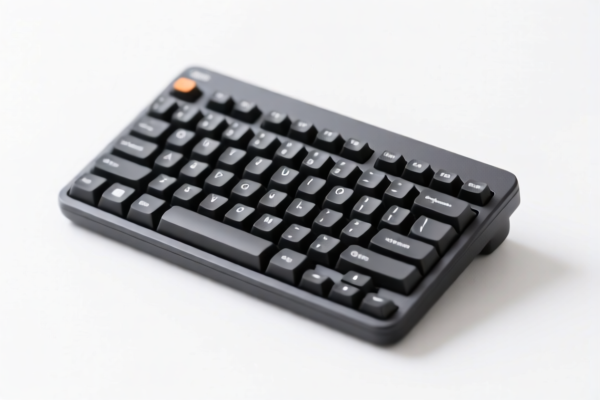
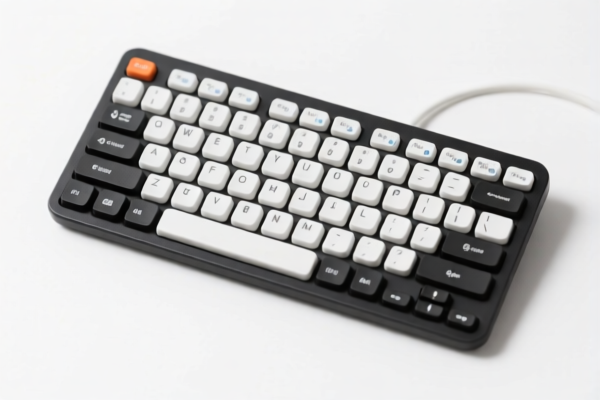
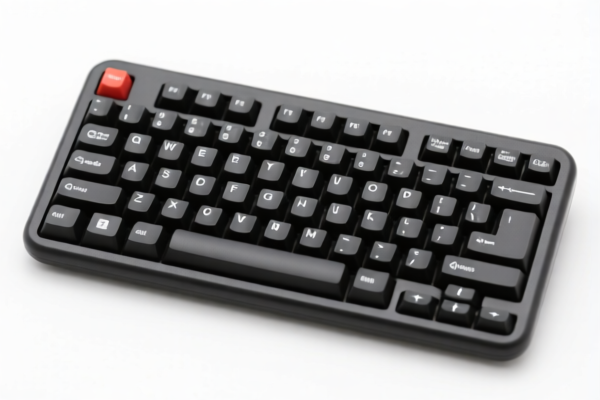
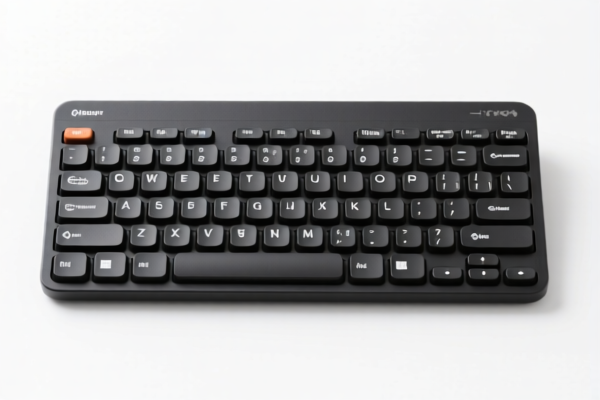
AI Analysis
🎹 Mini Plastic Electronic Keyboard (Toy Edition)
🌐 HS Code Reference & Customs Clearance Guide | 2026 Latest Tariff Analysis | Professional Entry Strategies
📌 I. Product Definition & Classification: What Exactly is a "Mini Electronic Keyboard"?
A Mini Plastic Electronic Keyboard is a small, portable musical device designed primarily for entertainment, education, or recreational use. In international trade, its classification hinges on two critical factors:
1. Primary Purpose: Is it primarily a toy (for children/play) or a musical instrument (for artistic/performance use)?
2. Construction: Is it made of plastic/simple materials (suggesting toy status) or professional-grade components?
⚠️ Key Distinction:
- If marketed as a toy (e.g., colorful plastic casing, simplified keys, durable for rough handling) → It may fall under Chapter 95 (Toys).
- If marketed as a musical instrument (e.g., weighted keys, professional sound synthesis, durable for regular use) → It may fall under Chapter 92 (Musical Instruments).
- Note: The data provided shows that even "toy-like" keyboards can be classified as musical instruments if they meet the definition of a "keyboard instrument." However, HS 9503.00.00 is specifically for toys.
📦 II. HS Code Classification Details (2026 Latest Tariff Authority Comparison)
| HS Code | Product Description | Applicable Scenario | Tax Rate | Key Classification Basis |
|---|---|---|---|---|
9503.00.00.73 |
Toy Electronic Keyboard – Classified as a toy, suitable for children's play, no material conflict. | Children's educational toys, colorful plastic designs, simplified functions. | 10.0% | "Toy" designation matches category and entertainment purpose. |
9503.00.00.71 |
Toy Electronic Keyboard – Name contains "toy," consistent with classification use, fits toy category. | General toy keyboards, marketed explicitly as toys. | 10.0% | Explicitly labeled as a toy in product naming. |
9207.10.00.65 |
Keyboard Musical Instrument – Fits definition of single-keyboard non-accordion, based on toy attributes. | Small portable keyboards, potentially used for learning music. | 22.9% | Classified as a musical instrument despite "toy" attributes. |
9207.10.00.60 |
Electric Sound-Producing Keyboard Instrument – Fits description of portable single-keyboard device. | Portable electronic keyboards, professional or semi-professional use. | 22.9% | Defined as an electric musical instrument. |
8543.70.98.60 |
Electro-acoustic Device – Classified under other machines/devices, material: plastic & electronic components. | General electronic devices, not specifically toys or instruments. | 37.6% | Broad category for electronic apparatus, highest tax burden. |
🔍 Key Takeaway:
- Toys (9503): Lowest tax rate (10%). Best for products clearly marketed as children's toys.
- Musical Instruments (9207): Medium tax rate (22.9%). For keyboards that are functional instruments, even if small.
- Other Electronics (8543): Highest tax rate (37.6%). Avoid unless the product doesn't fit toy or instrument definitions.
💰 III. 2026 Latest Tariff Rate Details (Including Surcharges, Policy Add-ons)
✅ Applicable Country: United States (US)
✅ Origin: China (CN)
✅ Effective Date: November 10, 2025 (and subsequent imports)
🎯 1. 9503.00.00.73 & 9503.00.00.71 – Toy Electronic Keyboards
| Item | Content |
|---|---|
| Base Tariff | 0% (ad valorem) |
| Section 301 Surcharge | 0% (No additional tariff from Section 301 for this subheading) |
| Section 122 Tariff | +10% (Specific to certain toy categories from China) |
| Total Tariff | 10.0% |
| Tax Calculation | CIF Value × 10% |
| De Minimis Eligibility | ❌ No (denied for Section 122 items) |
| Legal Basis Path | IEEPA:9903.01.25 → USITC:9503.00.00.73 → FOOTNOTE:122 |
📌 Explanation:
- Base Tariff 0%: Toys often have low base rates.
- Section 122 Tariff 10%: This is a specific surcharge applied to certain Chinese-origin toys.
- No Section 301 Surcharge: Unlike electronics, many toys are exempt from the 25% Section 301 tariff, but Section 122 still applies.
- Total 10%: This is the lowest among the options, making it the most cost-effective if the product qualifies as a toy.
🎯 2. 9207.10.00.65 & 9207.10.00.60 – Electronic Keyboard Instruments
| Item | Content |
|---|---|
| Base Tariff | 5.4% |
| Section 301 Surcharge | +7.5% |
| Section 122 Tariff | +10% |
| Total Tariff | 22.9% |
| Tax Calculation | CIF Value × 22.9% |
| De Minimis Eligibility | ❌ No |
| Legal Basis Path | IEEPA:9903.01.24 → USITC:9207.10.00.65 → FOOTNOTE:301 & 122 |
📌 Explanation:
- Base Tariff 5.4%: Musical instruments have a higher base rate than toys.
- Section 301 Surcharge 7.5%: Applies to Chinese-origin musical instruments.
- Section 122 Tariff 10%: Also applies to these instruments.
- Total 22.9%: Significantly higher than toys. Only choose this if the product is clearly a musical instrument and not a toy.
🎯 3. 8543.70.98.60 – Other Electro-acoustic Devices
| Item | Content |
|---|---|
| Base Tariff | 2.6% |
| Section 301 Surcharge | +25.0% |
| Section 122 Tariff | +10% |
| Total Tariff | 37.6% |
| Tax Calculation | CIF Value × 37.6% |
| De Minimis Eligibility | ❌ No |
| Legal Basis Path | IEEPA:9903.01.25 → USITC:8543.70.98.60 → FOOTNOTE:301 & 122 |
📌 Explanation:
- Base Tariff 2.6%: Low base rate, but...
- Section 301 Surcharge 25%: High surcharge for Chinese-origin electronics.
- Section 122 Tariff 10%: Additional surcharge.
- Total 37.6%: Highest tax rate. Avoid this classification unless the product cannot be classified as a toy or musical instrument.
🛠️ IV. Customs Clearance Practical Advice (Expert Pitfall Prevention Guide)
✅ 1. Documentation Checklist (Must-Have)
| Document | Required | Notes |
|---|---|---|
| ✅ Product Specifications | ✔️ | Dimensions, number of keys, power source, material composition |
| ✅ Product Photos | ✔️ | Clear images of the keyboard, packaging, and any branding |
| ✅ Commercial Invoice | ✔️ | Clearly state "Toy Electronic Keyboard" or "Electronic Keyboard Instrument" |
| ✅ Packing List | ✔️ | Detail items included (e.g., power adapter, manual, stand) |
| ✅ Certificate of Origin | ✔️ | If applicable for preferential treatment |
| ✅ Third-Party Test Reports | ✔️ | FCC, CE, RoHS, ASTM F963 (for toys) |
✅ 2. Declaration Tips (Key Mantra)
🔥 "Toy Design, Toy HS Code; Instrument Features, Instrument HS Code; Be Specific, Save Money!"
| Scenario | Correct Declaration | Incorrect Practice |
|---|---|---|
| Product marketed as a child's toy | 9503.00.00.73 or 9503.00.00.71 |
Misdeclare as instrument → 22.9% |
| Product is a functional keyboard for learning music | 9207.10.00.65 or 9207.10.00.60 |
Misdeclare as toy → 10% (but risk of penalty) |
| Product is a generic electronic device | 8543.70.98.60 |
High risk, high tax → 37.6% |
✅ 3. Special Case Handling
| Scenario | Handling Advice |
|---|---|
| OEM Custom Keyboards | Provide client order + design drawings. If designed for children, classify as toy. |
| Keyboards with "Toy-like" Features | If marketed as toys, use 9503. If marketed as instruments, use 9207. Consistency is key. |
| Keyboards with Professional Features | If it has weighted keys, multiple voices, and MIDI ports, classify as 9207. |
| Keyboards with No Clear Purpose | Use 8543 as a last resort, but expect higher taxes and scrutiny. |
🌍 V. Global Market Customs Comparison (2026 Latest)
| Country/Region | Recommended HS Code | Tariff | Certification Requirements | Notes |
|---|---|---|---|---|
| 🇺🇸 United States | 9503.00.00.73 (Toy) |
10% | FCC + ASTM F963 | Toy classification is most cost-effective. |
| 🇺🇸 United States | 9207.10.00.65 (Instrument) |
22.9% | FCC + CE | Higher tax, but acceptable for professional instruments. |
| 🇪🇺 European Union | 9207.10.00 |
0% | CE + RoHS | No additional surcharges for toys/instruments. |
| 🇨🇳 China | 9503.00.00 |
5% | CCC (if applicable) | Low base tariff. |
| 🇯🇵 Japan | 9207.10.00 |
0% | PSE | No additional surcharges. |
📌 Conclusion:
- USA: Toy classification (9503) is the most cost-effective at 10%.
- EU/Japan: No significant surcharges, so HS Code choice is less critical for tax purposes.
- China: Low base tariffs, but verify local regulations.
📌 VI. Common Mistakes & Pitfall Prevention (Lessons Learned)
❌ Mistake 1: Classifying a toy keyboard as an instrument (9207)
👉 Consequence: Higher tax rate (22.9% vs. 10%) → Unnecessary cost.
❌ Mistake 2: Classifying an instrument as a toy (9503)
👉 Consequence: Customs may reject the declaration, leading to delays, penalties, and back taxes.
❌ Mistake 3: Using vague terms like "Electronic Device"
👉 Consequence: May be classified under 8543 (37.6%) → Highest tax.
❌ Mistake 4: Ignoring Section 122 Tariffs
👉 Consequence: Underestimating total costs. Always account for all surcharges.
✅ Correct Approach:
"Mini Electronic Keyboard, Plastic, 37 Keys, Battery Operated, For Children's Play, Model XYZ, FCC & ASTM F963 Certified"
🎯 VII. Conclusion: Professional Declaration, Save Time and Money!
🎯 Remember the Mantra:
🔹 "Toy = 10%, Instrument = 22.9%, Other = 37.6%. Choose Wisely!"
🔹 "HS Code Determines Cost, Precision Saves Thousands!"
📌 Pro Tip:
If your keyboard is originally manufactured in Vietnam, Mexico, or Thailand, you may qualify for IEEPA Exemptions or Section 301 Exclusions, potentially reducing tariffs to 0%~5%.
Recommend Applying for an Advance Ruling to avoid customs risks.
📣 Take Action Now:
📞 Contact a Professional Customs Broker + Provide Product Images + Apply for HS Code Advance Ruling
🚀 Let Your Keyboard Clear Customs Smoothly, Boost Profits, and Expand Markets!
✨ Professional Customs Clearance Starts with Precise Classification!
💼 Every Penny of Your Cost Deserves to Be Calculated Accurately!
Customer Reviews
About HS Code Classification
The Harmonized System (HS) is an internationally standardized nomenclature developed by the World Customs Organization (WCO) to classify traded products. Over 200 countries use the HS system as the basis for customs tariffs, trade statistics, and import/export regulations.
Each HS code follows a hierarchical structure:
- Chapter (2 digits) — Broad category of goods (e.g., Chapter 84: Machinery and Mechanical Appliances)
- Heading (4 digits) — More specific grouping within the chapter
- Subheading (6 digits) — Internationally standardized breakdown, used by all WCO member countries
- National subdivisions (8-10 digits) — Country-specific extensions for further classification, such as US HTSUS 10-digit codes
Correct HS code classification is essential for smooth customs clearance, accurate duty payment, and compliance with trade regulations. Misclassification can lead to customs delays, overpayment of duties, or penalties.
When importing from CN to US, the applicable tariff rates may include:
- Most-Favored-Nation (MFN) rate — The standard duty rate applied to WTO members
- General rate — Applied to countries without trade agreements
- Trade remedy duties — Additional tariffs such as Section 301 (anti-dumping), Section 232 (national security), or countervailing duties
The information provided on this page is for reference purposes only. For official classification, please consult with your local customs authority or a licensed customs broker.