Modal Blackout Fabric
CN → US| HS编码 | 关税税率 | 原产国 | 目的国 | 文档 |
|---|---|---|---|---|
| 5408229030 | 49.9% | CN | US | 官方文档 |
| 5408229060 | 49.9% | CN | US | 官方文档 |
| 5407309000 | 43.0% | CN | US | 官方文档 |
| 5407912090 | 49.9% | CN | US | 官方文档 |
| 6004100085 | 47.3% | CN | US | 官方文档 |
商品图片
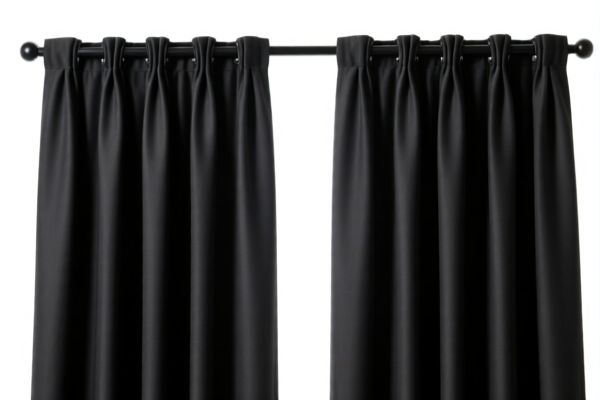
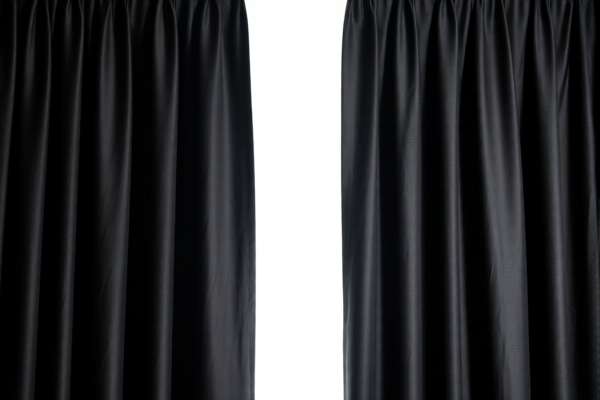
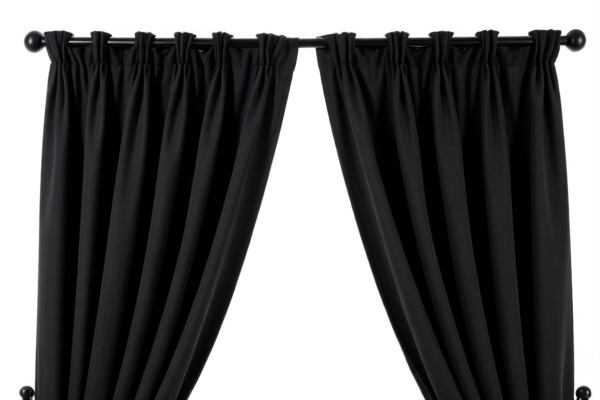
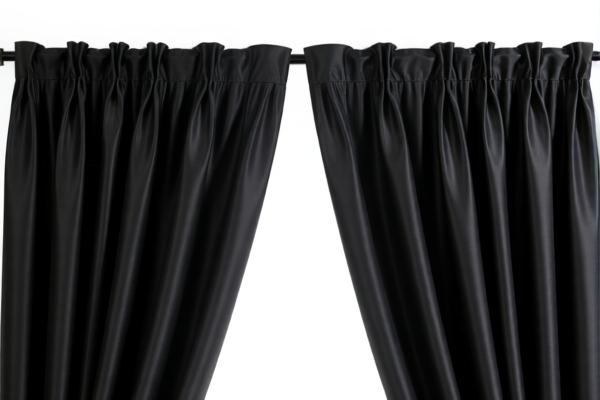
AI分析
🧵 Modal Blackout Fabric (The "Soft Shield" for Light Control)
🌐 HS Code Reference & Customs Clearance Guide | 2026 Latest Tariff Analysis | Professional Strategy
📌 I. Product Definition & Classification: What is "Modal Blackout Fabric"?
Modal is a semi-synthetic fiber made from the pulp of beech trees (regenerated cellulose), known for its extreme softness, breathability, and silk-like drape.
Blackout Fabric refers to textile material treated or woven to block out light.
In international trade, "Modal Blackout Fabric" is not a single HS code but depends heavily on: 1. Fiber Composition Classification: Is it classified as Man-Made Filaments (long fibers) or Man-Made Staple Fibers/Synthetics? 2. Weaving/Knitting Structure: Is it woven, knitted, or non-woven? 3. Width & Specification: Specific dimensions can trigger different sub-headings.
⚠️ Critical Distinction:
- If classified under Chapter 54 (Filaments): Higher base duty due to "synthetic filament" logic in some interpretations.
- If classified under Chapter 54/55 (Staples/Synthetics): Potentially lower base duty.
- Note: Modal is technically a "Regenerated Cellulose Fiber" (Ch 54 or 55 depending on form). The data provided suggests conflicting interpretations (Filament vs. Synthetic/Staple), leading to different tax outcomes.
📦 II. HS Code Classification Matrix (2026 Tariff Data)
| HS Code | Product Description & Logic | Total Tax Rate | Tax Breakdown |
|---|---|---|---|
5408.22.90.30 |
Modal (Man-Made Filament) Fabric Classified as "Other woven fabrics of man-made filaments." Logic: Treats Modal as Filament. |
49.9% | Base: 14.9% Section 301: 25.0% Section 122: 10.0% |
5408.22.90.60 |
Modal (Man-Made/Long Staple) Fabric Based on "Other categories" logic. Logic: Ambiguous filament/staple classification. |
49.9% | Base: 14.9% Section 301: 25.0% Section 122: 10.0% |
5407.30.90.00 |
Modal (Synthetic/Long Fiber) Fabric Classified as "Woven fabrics of synthetic filament." Logic: Treats Modal under Synthetic Filament bucket. |
43.0% | Base: 8.0% Section 301: 25.0% Section 122: 10.0% |
5407.91.20.90 |
Modal (Man-Made/Synthetic) Fabric Classified as "Other woven fabrics of synthetic filaments." Logic: Broad synthetic category. |
49.9% | Base: 14.9% Section 301: 25.0% Section 122: 10.0% |
6004.10.00.85 |
Modal (Knitted Fabric) Classified under "Knitted or crocheted fabrics." Logic: Width & component features trigger Knitted chapter. |
47.3% | Base: 12.3% Section 301: 25.0% Section 122: 10.0% |
🔍 Key Insight:
- The lowest tax rate (43.0%) applies if the fabric is strictly classified as5407.30.90.00(Synthetic Filament Woven).
- Most other classifications jump to 49.9% due to a higher Base Duty (14.9%).
- If the fabric is Knitted (6004.10.00.85), the rate is 47.3% (Base 12.3%).
- Section 301 (25%) and Section 122 (10%) are FIXED across all codes in this dataset (assuming China origin).
💰 III. 2026 Detailed Tariff Breakdown (US Market)
✅ Applicable Country: United States (US)
✅ Origin: China (CN) (Implied by Section 122 & 301 structure)
✅ Effective Date: 2025/2026 (Current Tariff Regime)
🎯 1. The "Premium" Bucket: 49.9% Total Rate
HS Codes: 5408.22.90.30, 5408.22.90.60, 5407.91.20.90
| Component | Rate | Legal Basis |
|---|---|---|
| Base Duty | 14.9% | HTSUS Chapter 54/55 Standard Rate for "Other Woven Fabrics" |
| Section 301 | 25.0% | US Trade Act of 1974, Section 301 (China-specific tariffs) |
| Section 122 | 10.0% | Recent Executive Order / IEEPA Provision (Section 122 of FY24/25 NDAA or similar emergency provision) |
| Total | 49.9% | 14.9 + 25.0 + 10.0 |
📌 Interpretation:
- This is the worst-case scenario.
- It applies when customs interprets Modal as a generic "Other Man-Made Filament" or "Synthetic" with a higher base duty.
- Risk: High cost impact on high-value, soft-touch luxury blackout curtains.
🎯 2. The "Optimized" Bucket: 43.0% Total Rate
HS Code: 5407.30.90.00
| Component | Rate | Legal Basis |
|---|---|---|
| Base Duty | 8.0% | HTSUS 5407.30 (Woven fabrics of synthetic filament, ≥85% by weight of synthetic filament) |
| Section 301 | 25.0% | US Trade Act of 1974, Section 301 |
| Section 122 | 10.0% | Recent Executive Order / IEEPA Provision |
| Total | 43.0% | 8.0 + 25.0 + 10.0 |
📌 Interpretation:
- This is the most favorable code in the dataset.
- It requires proving that the fabric is ≥85% synthetic filament (or treated under the synthetic filament subheading).
- Savings: 6.9% lower than the 49.9% bucket. On a $100,000 shipment, this saves $6,900.
🎯 3. The "Knitted" Bucket: 47.3% Total Rate
HS Code: 6004.10.00.85
| Component | Rate | Legal Basis |
|---|---|---|
| Base Duty | 12.3% | HTSUS 6004 (Knitted fabrics, of man-made fibers, width > 30cm) |
| Section 301 | 25.0% | US Trade Act of 1974, Section 301 |
| Section 122 | 10.0% | Recent Executive Order / IEEPA Provision |
| Total | 47.3% | 12.3 + 25.0 + 10.0 |
📌 Interpretation:
- Applies if the Modal fabric is Knitted (e.g., jersey, tricot) rather than Woven.
- Blackout fabrics are often woven for structure, but some lightweight blackout modal is knitted. Verify your fabric structure!
🛠️ IV. Customs Clearance Practical Advice (Avoid Pitfalls)
✅ 1. Documentation Checklist (Must-Haves)
| Document | Requirement | Why It Matters |
|---|---|---|
| 🧵 Fiber Content Certificate | Must state: "100% Modal" or "Modal Blend %". Crucial: Define Modal as "Regenerated Cellulose Filament/Staple". | Determines if you fall under Ch 54 (Filament) or Ch 55 (Staple). |
| 🧶 Fabric Construction Spec | Clearly state: Woven or Knitted? Plain, Twill, Satin? | 6004 (Knitted) vs 5407/5408 (Woven) is a major HS split. |
| 📏 Width Measurement | Exact width in cm/inches. | Some codes (6004.10) have specific width thresholds. |
| 🖼️ Product Photos | Show close-up of weave/knit and label. | Customs may inspect physically to verify "Blackout" coating or backing. |
| 📄 Commercial Invoice | Describe as: "Modal Woven Blackout Fabric, 100% Regenerated Cellulose, Width 150cm" | Vague descriptions like "Textile" lead to audits. Be specific. |
✅ 2. Declaration Strategy (Key Mnemonic)
🔥 "Knit vs Woven, Filament vs Staple, Base Duty is the Key!"
| Scenario | Recommended HS Code | Tax Rate | Action |
|---|---|---|---|
| Woven, ≥85% Synthetic/Modal Filament | 5407.30.90.00 |
43.0% | 🏆 BEST OPTION. Prove it's filament, not staple. |
| Knitted Fabric | 6004.10.00.85 |
47.3% | Acceptable if fabric is actually knitted. |
| Woven, But Classified as "Other" | 5408.22.90.30 / 5407.91.20.90 |
49.9% | ⚠️ High Risk. Only use if other codes are invalid. |
✅ 3. Special Case Handling
| Situation | Solution |
|---|---|
| "Blackout" Coating | If the blackout effect is from a chemical coating (not woven density), ensure the invoice mentions "Coated Woven Fabric". This usually stays in Ch 54/55, not Ch 39 (Plastics). |
| Blended Fabrics | If Modal is blended with Polyester, check the dominant fiber by weight. If Modal is <85%, you might lose the 5407.30 benefit. |
| Small Samples | De Minimis may still apply for samples under $800 (Section 321), but large shipments will face the full ~43-49% duty. |
🌍 V. Global Market Comparison (2026 Outlook)
| Region | Recommended HS Code | Est. Duty (Excl. S301) | Notes |
|---|---|---|---|
| 🇺🇸 USA | 5407.30.90.00 |
43.0% | Highest barrier due to S301 + S122. Optimize base duty. |
| 🇨🇳 China | 5407.30.90.00 |
~8-10% | Low import duty. Focus on quality control. |
| 🇪🇺 EU | 5407.30.90 |
0-4% | No Section 301/122 equivalent. Much cheaper to export here. |
| 🇬🇧 UK | 5407.30.90 |
0-4% | Post-Brexit tariffs similar to EU for textiles. |
| 🇨🇦 Canada | 5407.30.90 |
0% | CUSMA/USMCA benefits may apply if manufactured in North America. |
📌 Conclusion:
- The US market is the most expensive due to layered punitive tariffs.
- Optimizing the Base Duty from 14.9% to 8.0% is the only way to mitigate costs significantly in the US.
📌 VI. Common Errors & Pitfalls (Lessons Learned)
❌ Error 1: Calling it "Cotton Modal"
👉 Reality: Modal is not cotton; it is regenerated cellulose (like rayon/viscose). Misclassification leads to duty underestimation and penalties.
❌ Error 2: Confusing "Blackout" with "Plastic"
👉 Reality: Even with a backing, if the primary character is textile, it remains in Chapter 54/55/60. Do NOT declare as "Plastic Sheet" (Ch 39) unless it's >50% plastic by weight.
❌ Error 3: Ignoring the Knitted vs. Woven Distinction
👉 Reality: A knitted modal fabric (6004) has a different base duty (12.3%) than a woven one (5407/5408). If you ship knitted but declare woven, you risk an audit.
✅ Correct Declaration Example:
"Woven Blackout Fabric, 100% Modal (Regenerated Cellulose Filament), Width 150cm, HS Code 5407.30.90.00"
🎯 VII. Final Verdict: Strategic Recommendation
🎯 For US Importers:
1. Prioritize 5407.30.90.00 (43.0%): Ensure your fabric is Woven and meets the ≥85% Synthetic/Modal Filament criteria. Provide lab reports confirming fiber structure.
2. Avoid 5408 and 5407.91 (49.9%): These have a 6.9% higher base duty. Only use if your fabric is explicitly "Other" or non-standard filament.
3. Check Knitted Options: If your modal fabric is knitted, 6004.10.00.85 (47.3%) is a middle ground.
💡 Pro Tip:
Apply for a Binding Ruling (Pre-Ruling) with US CBP before shipping large volumes. This locks in the HS Code and prevents surprise duties.
📣 Immediate Action:
📞 Contact your supplier: Ask for the "Fiber Structure Report" (Filament vs. Staple) and "Weave Type" (Woven vs. Knitted).
📝 Update your Invoice: Be specific! "Modal Woven Blackout Fabric" vs. "Modal Fabric".
🚀 Save 6.9%: The difference between $49.9k and $43k on a $100k shipment is significant!
✨ Precision Classification = Profit Protection
💼 Don't let vague descriptions cost you thousands!
用户评价
关于 HS 编码归类
协调制度(HS)是由世界海关组织(WCO)制定的国际贸易商品分类标准。全球 200 多个国家采用 HS 系统作为海关关税、贸易统计和进出口监管的基础。
每个 HS 编码遵循以下层级结构:
- 章(2 位)——商品大类(例如:第 84 章:机器和机械设备)
- 品目(4 位)——章内的更具体分类
- 子目(6 位)——国际通用细分,所有 WCO 成员国统一使用
- 本国细分(8-10 位)——各国自行扩展的细分编码,如美国 HTSUS 10 位编码
正确的 HS 编码归类对于顺利通关、准确缴纳关税和遵守贸易法规至关重要。错误归类可能导致海关延误、多缴关税或罚款。
从CN进口到US时,适用的关税税率可能包括:
- 最惠国(MFN)税率——适用于 WTO 成员国的标准关税税率
- 普通税率——适用于无贸易协定国家
- 贸易救济关税——附加关税,如 301 条款(反倾销)、232 条款(国家安全)或反补贴税
本页内容仅供参考。如需正式归类,请咨询当地海关或持牌报关代理。