Modal Blackout Fabric
CN → US| HS Code | Tariff Rate | Origin | Destination | Doc |
|---|---|---|---|---|
| 5408229030 | 49.9% | CN | US | Official Doc |
| 5408229060 | 49.9% | CN | US | Official Doc |
| 5407309000 | 43.0% | CN | US | Official Doc |
| 5407912090 | 49.9% | CN | US | Official Doc |
| 6004100085 | 47.3% | CN | US | Official Doc |
Product Images
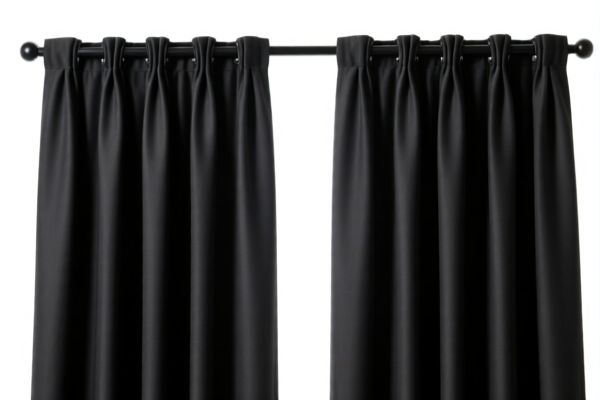
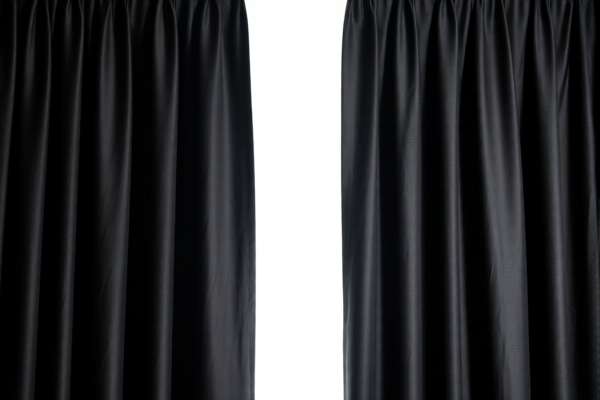
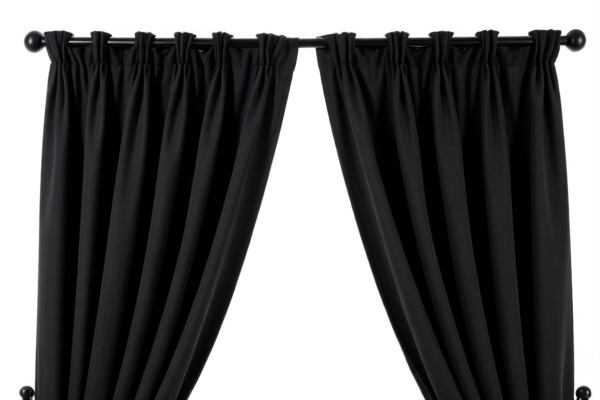
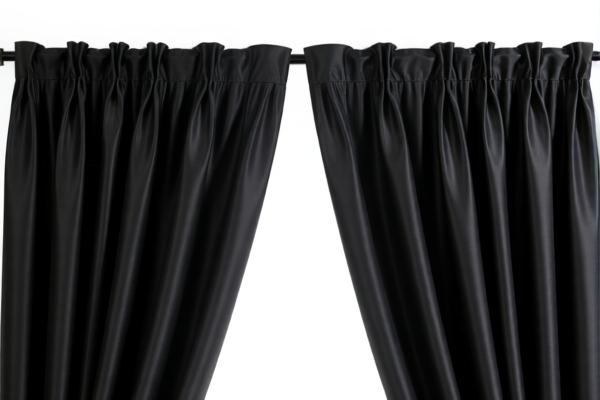
AI Analysis
🧵 Modal Blackout Fabric (The "Soft Shield" for Light Control)
🌐 HS Code Reference & Customs Clearance Guide | 2026 Latest Tariff Analysis | Professional Strategy
📌 I. Product Definition & Classification: What is "Modal Blackout Fabric"?
Modal is a semi-synthetic fiber made from the pulp of beech trees (regenerated cellulose), known for its extreme softness, breathability, and silk-like drape.
Blackout Fabric refers to textile material treated or woven to block out light.
In international trade, "Modal Blackout Fabric" is not a single HS code but depends heavily on: 1. Fiber Composition Classification: Is it classified as Man-Made Filaments (long fibers) or Man-Made Staple Fibers/Synthetics? 2. Weaving/Knitting Structure: Is it woven, knitted, or non-woven? 3. Width & Specification: Specific dimensions can trigger different sub-headings.
⚠️ Critical Distinction:
- If classified under Chapter 54 (Filaments): Higher base duty due to "synthetic filament" logic in some interpretations.
- If classified under Chapter 54/55 (Staples/Synthetics): Potentially lower base duty.
- Note: Modal is technically a "Regenerated Cellulose Fiber" (Ch 54 or 55 depending on form). The data provided suggests conflicting interpretations (Filament vs. Synthetic/Staple), leading to different tax outcomes.
📦 II. HS Code Classification Matrix (2026 Tariff Data)
| HS Code | Product Description & Logic | Total Tax Rate | Tax Breakdown |
|---|---|---|---|
5408.22.90.30 |
Modal (Man-Made Filament) Fabric Classified as "Other woven fabrics of man-made filaments." Logic: Treats Modal as Filament. |
49.9% | Base: 14.9% Section 301: 25.0% Section 122: 10.0% |
5408.22.90.60 |
Modal (Man-Made/Long Staple) Fabric Based on "Other categories" logic. Logic: Ambiguous filament/staple classification. |
49.9% | Base: 14.9% Section 301: 25.0% Section 122: 10.0% |
5407.30.90.00 |
Modal (Synthetic/Long Fiber) Fabric Classified as "Woven fabrics of synthetic filament." Logic: Treats Modal under Synthetic Filament bucket. |
43.0% | Base: 8.0% Section 301: 25.0% Section 122: 10.0% |
5407.91.20.90 |
Modal (Man-Made/Synthetic) Fabric Classified as "Other woven fabrics of synthetic filaments." Logic: Broad synthetic category. |
49.9% | Base: 14.9% Section 301: 25.0% Section 122: 10.0% |
6004.10.00.85 |
Modal (Knitted Fabric) Classified under "Knitted or crocheted fabrics." Logic: Width & component features trigger Knitted chapter. |
47.3% | Base: 12.3% Section 301: 25.0% Section 122: 10.0% |
🔍 Key Insight:
- The lowest tax rate (43.0%) applies if the fabric is strictly classified as5407.30.90.00(Synthetic Filament Woven).
- Most other classifications jump to 49.9% due to a higher Base Duty (14.9%).
- If the fabric is Knitted (6004.10.00.85), the rate is 47.3% (Base 12.3%).
- Section 301 (25%) and Section 122 (10%) are FIXED across all codes in this dataset (assuming China origin).
💰 III. 2026 Detailed Tariff Breakdown (US Market)
✅ Applicable Country: United States (US)
✅ Origin: China (CN) (Implied by Section 122 & 301 structure)
✅ Effective Date: 2025/2026 (Current Tariff Regime)
🎯 1. The "Premium" Bucket: 49.9% Total Rate
HS Codes: 5408.22.90.30, 5408.22.90.60, 5407.91.20.90
| Component | Rate | Legal Basis |
|---|---|---|
| Base Duty | 14.9% | HTSUS Chapter 54/55 Standard Rate for "Other Woven Fabrics" |
| Section 301 | 25.0% | US Trade Act of 1974, Section 301 (China-specific tariffs) |
| Section 122 | 10.0% | Recent Executive Order / IEEPA Provision (Section 122 of FY24/25 NDAA or similar emergency provision) |
| Total | 49.9% | 14.9 + 25.0 + 10.0 |
📌 Interpretation:
- This is the worst-case scenario.
- It applies when customs interprets Modal as a generic "Other Man-Made Filament" or "Synthetic" with a higher base duty.
- Risk: High cost impact on high-value, soft-touch luxury blackout curtains.
🎯 2. The "Optimized" Bucket: 43.0% Total Rate
HS Code: 5407.30.90.00
| Component | Rate | Legal Basis |
|---|---|---|
| Base Duty | 8.0% | HTSUS 5407.30 (Woven fabrics of synthetic filament, ≥85% by weight of synthetic filament) |
| Section 301 | 25.0% | US Trade Act of 1974, Section 301 |
| Section 122 | 10.0% | Recent Executive Order / IEEPA Provision |
| Total | 43.0% | 8.0 + 25.0 + 10.0 |
📌 Interpretation:
- This is the most favorable code in the dataset.
- It requires proving that the fabric is ≥85% synthetic filament (or treated under the synthetic filament subheading).
- Savings: 6.9% lower than the 49.9% bucket. On a $100,000 shipment, this saves $6,900.
🎯 3. The "Knitted" Bucket: 47.3% Total Rate
HS Code: 6004.10.00.85
| Component | Rate | Legal Basis |
|---|---|---|
| Base Duty | 12.3% | HTSUS 6004 (Knitted fabrics, of man-made fibers, width > 30cm) |
| Section 301 | 25.0% | US Trade Act of 1974, Section 301 |
| Section 122 | 10.0% | Recent Executive Order / IEEPA Provision |
| Total | 47.3% | 12.3 + 25.0 + 10.0 |
📌 Interpretation:
- Applies if the Modal fabric is Knitted (e.g., jersey, tricot) rather than Woven.
- Blackout fabrics are often woven for structure, but some lightweight blackout modal is knitted. Verify your fabric structure!
🛠️ IV. Customs Clearance Practical Advice (Avoid Pitfalls)
✅ 1. Documentation Checklist (Must-Haves)
| Document | Requirement | Why It Matters |
|---|---|---|
| 🧵 Fiber Content Certificate | Must state: "100% Modal" or "Modal Blend %". Crucial: Define Modal as "Regenerated Cellulose Filament/Staple". | Determines if you fall under Ch 54 (Filament) or Ch 55 (Staple). |
| 🧶 Fabric Construction Spec | Clearly state: Woven or Knitted? Plain, Twill, Satin? | 6004 (Knitted) vs 5407/5408 (Woven) is a major HS split. |
| 📏 Width Measurement | Exact width in cm/inches. | Some codes (6004.10) have specific width thresholds. |
| 🖼️ Product Photos | Show close-up of weave/knit and label. | Customs may inspect physically to verify "Blackout" coating or backing. |
| 📄 Commercial Invoice | Describe as: "Modal Woven Blackout Fabric, 100% Regenerated Cellulose, Width 150cm" | Vague descriptions like "Textile" lead to audits. Be specific. |
✅ 2. Declaration Strategy (Key Mnemonic)
🔥 "Knit vs Woven, Filament vs Staple, Base Duty is the Key!"
| Scenario | Recommended HS Code | Tax Rate | Action |
|---|---|---|---|
| Woven, ≥85% Synthetic/Modal Filament | 5407.30.90.00 |
43.0% | 🏆 BEST OPTION. Prove it's filament, not staple. |
| Knitted Fabric | 6004.10.00.85 |
47.3% | Acceptable if fabric is actually knitted. |
| Woven, But Classified as "Other" | 5408.22.90.30 / 5407.91.20.90 |
49.9% | ⚠️ High Risk. Only use if other codes are invalid. |
✅ 3. Special Case Handling
| Situation | Solution |
|---|---|
| "Blackout" Coating | If the blackout effect is from a chemical coating (not woven density), ensure the invoice mentions "Coated Woven Fabric". This usually stays in Ch 54/55, not Ch 39 (Plastics). |
| Blended Fabrics | If Modal is blended with Polyester, check the dominant fiber by weight. If Modal is <85%, you might lose the 5407.30 benefit. |
| Small Samples | De Minimis may still apply for samples under $800 (Section 321), but large shipments will face the full ~43-49% duty. |
🌍 V. Global Market Comparison (2026 Outlook)
| Region | Recommended HS Code | Est. Duty (Excl. S301) | Notes |
|---|---|---|---|
| 🇺🇸 USA | 5407.30.90.00 |
43.0% | Highest barrier due to S301 + S122. Optimize base duty. |
| 🇨🇳 China | 5407.30.90.00 |
~8-10% | Low import duty. Focus on quality control. |
| 🇪🇺 EU | 5407.30.90 |
0-4% | No Section 301/122 equivalent. Much cheaper to export here. |
| 🇬🇧 UK | 5407.30.90 |
0-4% | Post-Brexit tariffs similar to EU for textiles. |
| 🇨🇦 Canada | 5407.30.90 |
0% | CUSMA/USMCA benefits may apply if manufactured in North America. |
📌 Conclusion:
- The US market is the most expensive due to layered punitive tariffs.
- Optimizing the Base Duty from 14.9% to 8.0% is the only way to mitigate costs significantly in the US.
📌 VI. Common Errors & Pitfalls (Lessons Learned)
❌ Error 1: Calling it "Cotton Modal"
👉 Reality: Modal is not cotton; it is regenerated cellulose (like rayon/viscose). Misclassification leads to duty underestimation and penalties.
❌ Error 2: Confusing "Blackout" with "Plastic"
👉 Reality: Even with a backing, if the primary character is textile, it remains in Chapter 54/55/60. Do NOT declare as "Plastic Sheet" (Ch 39) unless it's >50% plastic by weight.
❌ Error 3: Ignoring the Knitted vs. Woven Distinction
👉 Reality: A knitted modal fabric (6004) has a different base duty (12.3%) than a woven one (5407/5408). If you ship knitted but declare woven, you risk an audit.
✅ Correct Declaration Example:
"Woven Blackout Fabric, 100% Modal (Regenerated Cellulose Filament), Width 150cm, HS Code 5407.30.90.00"
🎯 VII. Final Verdict: Strategic Recommendation
🎯 For US Importers:
1. Prioritize 5407.30.90.00 (43.0%): Ensure your fabric is Woven and meets the ≥85% Synthetic/Modal Filament criteria. Provide lab reports confirming fiber structure.
2. Avoid 5408 and 5407.91 (49.9%): These have a 6.9% higher base duty. Only use if your fabric is explicitly "Other" or non-standard filament.
3. Check Knitted Options: If your modal fabric is knitted, 6004.10.00.85 (47.3%) is a middle ground.
💡 Pro Tip:
Apply for a Binding Ruling (Pre-Ruling) with US CBP before shipping large volumes. This locks in the HS Code and prevents surprise duties.
📣 Immediate Action:
📞 Contact your supplier: Ask for the "Fiber Structure Report" (Filament vs. Staple) and "Weave Type" (Woven vs. Knitted).
📝 Update your Invoice: Be specific! "Modal Woven Blackout Fabric" vs. "Modal Fabric".
🚀 Save 6.9%: The difference between $49.9k and $43k on a $100k shipment is significant!
✨ Precision Classification = Profit Protection
💼 Don't let vague descriptions cost you thousands!
Customer Reviews
About HS Code Classification
The Harmonized System (HS) is an internationally standardized nomenclature developed by the World Customs Organization (WCO) to classify traded products. Over 200 countries use the HS system as the basis for customs tariffs, trade statistics, and import/export regulations.
Each HS code follows a hierarchical structure:
- Chapter (2 digits) — Broad category of goods (e.g., Chapter 84: Machinery and Mechanical Appliances)
- Heading (4 digits) — More specific grouping within the chapter
- Subheading (6 digits) — Internationally standardized breakdown, used by all WCO member countries
- National subdivisions (8-10 digits) — Country-specific extensions for further classification, such as US HTSUS 10-digit codes
Correct HS code classification is essential for smooth customs clearance, accurate duty payment, and compliance with trade regulations. Misclassification can lead to customs delays, overpayment of duties, or penalties.
When importing from CN to US, the applicable tariff rates may include:
- Most-Favored-Nation (MFN) rate — The standard duty rate applied to WTO members
- General rate — Applied to countries without trade agreements
- Trade remedy duties — Additional tariffs such as Section 301 (anti-dumping), Section 232 (national security), or countervailing duties
The information provided on this page is for reference purposes only. For official classification, please consult with your local customs authority or a licensed customs broker.