Modal Synthetic Short Fiber Blended Furniture Fabric
CN → US| HS编码 | 关税税率 | 原产国 | 目的国 | 文档 |
|---|---|---|---|---|
| 5407922010 | 49.9% | CN | US | 官方文档 |
| 5407912010 | 49.9% | CN | US | 官方文档 |
| 5903902500 | 42.5% | CN | US | 官方文档 |
| 5903902000 | 35.0% | CN | US | 官方文档 |
| 5911900080 | 38.8% | CN | US | 官方文档 |
商品图片
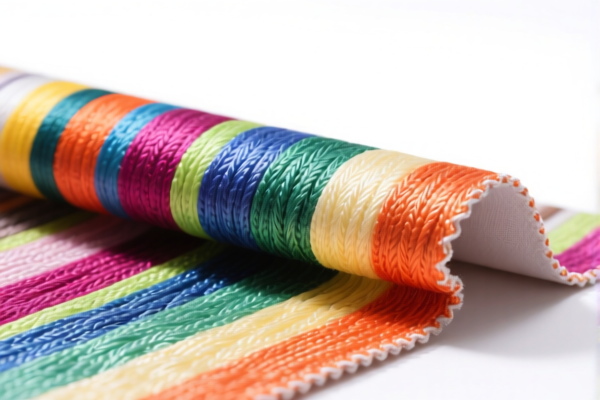
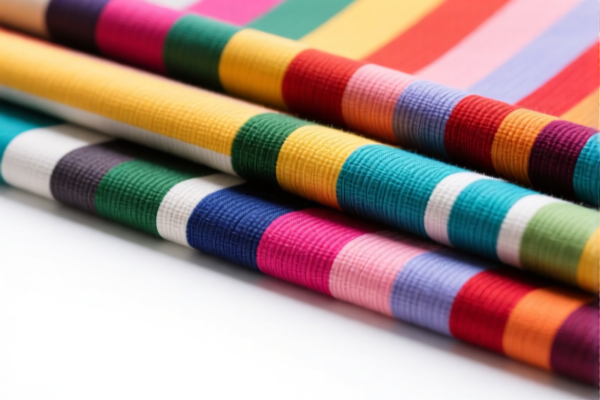
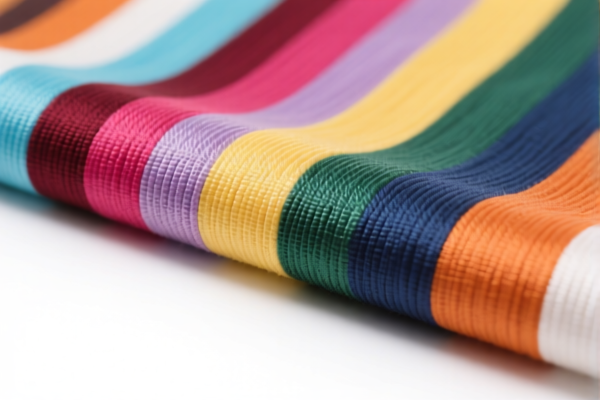
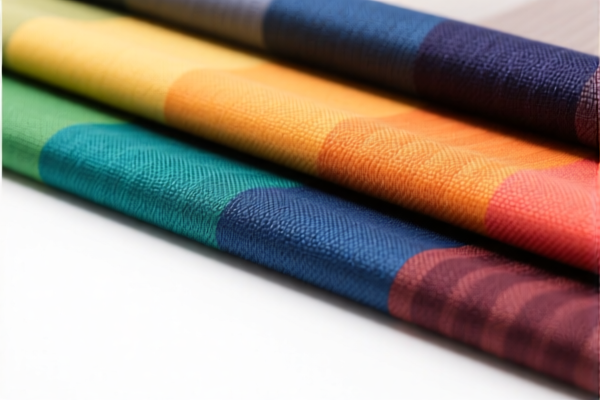
AI分析
🛋️ Modal & Synthetic Short Fiber Blended Furniture Fabric
🌐 HS Code Reference & Customs Clearance Guide | 2026 Latest Tariff Full Analysis | Professional Level Clearance Strategy
📌 Part 1: Product Definition & Classification: Do You Really Understand "Furniture Fabric"?
Modal and synthetic short fiber blended fabrics are high-performance textile materials widely used in home furniture, automotive upholstery, and commercial interior design. In international trade, they are classified based on their end-use and processing method:
1. General Apparel/Home Textile Wovens (Garment/Home Use):
Standard woven fabrics made from Modal (a type of regenerated cellulose fiber) mixed with synthetic short fibers (like polyester or nylon short staples). These are typically used for clothing or general home textiles unless specifically certified for industrial/technical use.
2. Industrial/Technical Fabrics:
Fabrics treated with impregnation, coating, or lamination processes, or explicitly designed for technical applications (e.g., reinforced upholstery, heavy-duty industrial covers). These fall under Chapter 59 headings.
⚠️ Key Distinction Point:
- If the fabric is plain woven, uncoated/unimpregnated, and intended for general upholstery or apparel →归入 Chapter 54 (Wovens of Synthetic Staple Fibers).
- If the fabric has been impregnated, coated, covered, or laminated →归入 Chapter 59 (Textile Fabrics Impregnated, Coated, Covered or Laminated).
- If classified as specialized technical textiles not covered elsewhere →归入 Chapter 59.11.
📦 Part 2: HS Code Classification Details (2026 Latest Tariff Authority Comparison)
Based on the provided data, here are the specific HS Codes for Modal/Synthetic Short Fiber Blended Fabrics:
| HS Code | Product Description | Application Scenario | Processing Status |
|---|---|---|---|
5407.92.20.10 |
Woven fabric of synthetic staple fibers, mainly Modal blended | General upholstery, apparel, home textiles | ✅ Uncoated/Woven only |
5407.91.20.10 |
Woven fabric of synthetic staple fibers, Modal blended | General woven textiles, similar to above | ✅ Uncoated/Woven only |
5903.90.25.00 |
Industrial fabric, synthetic short fiber blend, Modal | Heavy-duty industrial use, reinforced upholstery | ✅ Impregnated/Coated/Laminated |
5903.90.20.00 |
Industrial fabric, synthetic short fiber blend, Modal | Specialized impregnated/coated technical fabric | ✅ Impregnated/Coated/Laminated |
5911.90.00.80 |
Technical textile articles, synthetic short fiber blend, Modal | Niche technical applications, specialized filtration or reinforcement | ✅ Technical/Other |
🔍 Key Reminder:
- Chapter 54 (5407.91/92): For uncoated, woven fabrics. These are the most common for standard "furniture fabric" if no special treatment is applied.
- Chapter 59 (5903): For fabrics that have undergone impregnation, coating, or lamination. This adds durability, water resistance, or fire retardancy, common in high-end furniture.
- Chapter 59 (5911): For technical textiles that do not fit standard apparel or general industrial categories.
💰 Part 3: 2026 Latest Tariff Rate Details (Including Additional Taxes & Policy Surcharges)
✅ Applicable Country: United States (US)
✅ Origin: China (CN)
✅ Effective Time: Ongoing (Based on 301 Duties & IEEPA Surcharges)
🎯 1. 5407.92.20.10 & 5407.91.20.10 —— Woven Fabrics (Uncoated)
These two codes are very similar, differing mainly in specific sub-category definitions within Chapter 54. Both carry the highest combined tax rate due to lack of additional value-added processing exemptions.
| Item | Content |
|---|---|
| Base Duty Rate | 14.9% (Standard MFN Rate for Synthetic Staple Fiber Wovens) |
| Section 301 Additional Duty | +25.0% (USITC 301 Duties for Chinese Origin) |
| Section 122/IIEPA Surcharge | +10.0% (Specific surcharge for this category, effective from Nov 10, 2025) |
| Total Tax Rate | 49.9% |
| Tax Calculation | CIF Value × 49.9% |
| De Minimis Exemption | ❌ Not Available (Denied for fabrics under this classification from China) |
| Legal Basis Path | HTSUS:5407.92.20.10 → USITC Footnote 9903.88.01 → IEEPA:9903.01.24 |
📌 Explanation:
- Base 14.9%: Standard duty for woven fabrics of synthetic staple fibers.
- 301 Duty 25%: Applies to almost all textile products from China as part of trade tensions.
- 122/IIEPA 10%: An additional surcharge specifically targeting certain textile categories.
- Total 49.9%: This is a very high tariff rate. Importers must carefully calculate landed costs.
🎯 2. 5903.90.25.00 —— Industrial Fabric (Impregnated/Coated)
Fabrics in Chapter 59 often benefit from lower base duties due to the added manufacturing value (coating/impregnation), but still face significant additional taxes.
| Item | Content |
|---|---|
| Base Duty Rate | 7.5% (Standard MFN Rate for Impregnated/Coated Textiles) |
| Section 301 Additional Duty | +25.0% (USITC 301 Duties) |
| Section 122/IIEPA Surcharge | +10.0% |
| Total Tax Rate | 42.5% |
| Tax Calculation | CIF Value × 42.5% |
| De Minimis Exemption | ❌ Not Available |
| Legal Basis Path | HTSUS:5903.90.25.00 → USITC Footnote 9903.88.01 → IEEPA:9903.01.24 |
📌 Note:
- The base duty drops from 14.9% to 7.5% because the fabric is considered "processed" (impregnated/coated).
- However, the 301 and 122 duties remain the same, resulting in a total of 42.5%.
- This is 7.4% cheaper than the uncoated fabric (5407), making it a strategic advantage if the product allows for coating.
🎯 3. 5903.90.20.00 —— Industrial Fabric (Other Impregnated/Coated)
Similar to above, but for different types of impregnation/coating processes.
| Item | Content |
|---|---|
| Base Duty Rate | 0.0% (Duty-free Base Rate for Specific Impregnated Textiles) |
| Section 301 Additional Duty | +25.0% |
| Section 122/IIEPA Surcharge | +10.0% |
| Total Tax Rate | 35.0% |
| Tax Calculation | CIF Value × 35.0% |
| De Minimis Exemption | ❌ Not Available |
| Legal Basis Path | HTSUS:5903.90.20.00 → USITC Footnote 9903.88.01 → IEEPA:9903.01.24 |
📌 Critical Advantage:
- Base Duty is 0%! This is the most tariff-efficient option if the fabric qualifies for this sub-heading.
- Total Rate is only 35.0%, which is 14.9% lower than the standard woven fabric (5407).
- Strategy: If your furniture fabric can be classified here (e.g., specific coating types), prioritize this HS code.
🎯 4. 5911.90.00.80 —— Technical Textiles
For specialized technical uses that don't fit general industrial categories.
| Item | Content |
|---|---|
| Base Duty Rate | 3.8% |
| Section 301 Additional Duty | +25.0% |
| Section 122/IIEPA Surcharge | +10.0% |
| Total Tax Rate | 38.8% |
| Tax Calculation | CIF Value × 38.8% |
| De Minimis Exemption | ❌ Not Available |
| Legal Basis Path | HTSUS:5911.90.00.80 → USITC Footnote 9903.88.01 → IEEPA:9903.01.24 |
📌 Note:
- Slightly higher than5903.90.20.00(35.0%) but lower than uncoated fabrics.
- Requires proof of technical application (e.g., filtration, medical, specialized reinforcement).
🛠️ Part 4: Customs Clearance Practical Advice (Real-World Pitfall Avoidance Guide)
✅ 1. Preparation Checklist (No Missing Items)
| Document | Required | Explanation |
|---|---|---|
| ✅ Product Specification Sheet | ✔️ | Must detail: Fiber content (Modal %, Synthetic %), Fabric Weight (GSM), Width, Weave Type. |
| ✅ Processing Description | ✔️ | Clearly state: "Woven Only" (for 5407) OR "Impregnated/Coated with [Substance]" (for 5903). Crucial for correct HS code. |
| ✅ Product Photos | ✔️ | Show texture, finish, and any labels indicating technical use. |
| ✅ Commercial Invoice | ✔️ | Must accurately describe the item as "Modal/Synthetic Blended Woven Fabric" or "Impregnated Industrial Fabric." |
| ✅ Packing List | ✔️ | Standard commercial invoice format. |
| ✅ Certificate of Origin (CO) | ✔️ | To prove Chinese origin (and thus applicability of 301/122 duties). |
✅ 2. Declaration Tips (Key Mantras)
🔥 “Woven No Coating, 5407; Coated Yes, 5903; Technical Use, 5911. Pick Wrong, Pay More!”
| Scenario | Correct Declaration | Incorrect Action | Consequence |
|---|---|---|---|
| Standard Woven Fabric | 5407.92.20.10 or 5407.91.20.10 |
Claiming it's "Coated" to get lower duty | ❌ Misclassification: Penalty + Back Taxes |
| Coated/Impregnated Fabric | 5903.90.20.00 (if eligible) |
Declaring as simple 5407 Woven |
✅ Lower Duty (35%): You pay more unnecessarily if you misdeclare as 5407 (49.9%) |
| Technical Textile | 5911.90.00.80 |
Declaring as general apparel fabric | ❌ Audit Risk: Customs may challenge technical claim |
✅ 3. Special Cases Handling
| Scenario | Handling Advice |
|---|---|
| Mixed Shipments | If you ship both coated and uncoated fabrics, split the invoice and HS codes. Do not mix them under one code. |
| Sample Shipments | Even samples are subject to duties. Use correct HS code to avoid delays. |
| New Coating Technology | If using a new type of coating, provide technical data sheets to prove it qualifies for Chapter 59. |
| Modal Fiber Definition | Ensure "Modal" is declared as Regenerated Cellulose (not Cotton) to fit Chapter 54/59 synthetic staple fiber rules. |
🌍 Part 5: Global Market Customs Comparison (2026 Latest)
| Country/Region | Recommended HS Code | Base Duty | Additional Taxes | Note |
|---|---|---|---|---|
| 🇺🇸 USA | 5903.90.20.00 |
0% | +35% (301+122) | Best rate: 35% |
| 🇺🇸 USA | 5407.92.20.10 |
14.9% | +35% (301+122) | Worst rate: 49.9% |
| 🇨🇳 China | 5407.92.20.10 |
9-14% | 0% | Low import duty for China |
| 🇪🇺 EU | 5407.92.20.10 |
6-12% | 0% | No 301 duties, but VAT applies |
| 🇦🇺 Australia | 5407.92.20.10 |
5% | 0% | Low tariff, GST applies |
📌 Conclusion:
- USA is the only major market with severe additional tariffs (301+122) for Chinese textile products.
- Strategy for USA Market:
- Avoid5407(Uncoated) if possible due to 49.9% total tax.
- Aim for5903.90.20.00if the fabric can be coated/impregnated, reducing total tax to 35%.
- Consider sourcing from Vietnam/Mexico if eligible for USMCA/EFTA preferences to bypass 301 duties entirely.
📌 Part 6: Common Errors & Pitfall Guide (Blood & Tears Lessons)
❌ Error 1: Declaring coated fabric as "Uncoated Woven Fabric" (5407) to avoid inspection
👉 Consequence: Customs finds coating during inspection → Penalty + Back Taxes (49.9% instead of 35%).
❌ Error 2: Misidentifying "Modal" as "Cotton"
👉 Consequence: Modal is regenerated cellulose (synthetic staple fiber category), not natural fiber. Wrong classification → Audit & Delay.
❌ Error 3: Not providing coating details for Chapter 59 claims
👉 Consequence: Customs cannot verify "impregnated/coated" status → Reclassified to higher-duty Chapter 54.
❌ Error 4: Ignoring Section 122 Surcharge
👉 Consequence: Underpaying by 10% → Interest + Penalties on the shortfall.
✅ Correct Practice:
"Woven Fabric, 60% Modal, 40% Polyester Staple, 200 GSM, Uncoated, for Upholstery" →
5407.92.20.10
"Impregnated Fabric, Modal/Polyester Blend, PVC Coated, Fire-Retardant, for Automotive Interior" →5903.90.20.00
🎯 Part 7: Conclusion: Professional Declaration Saves Money!
🎯 Remember the Mantra:
🔹 "Uncoated = 49.9% (Painful); Coated = 35% (Savings); Technical = 38.8% (Middle).
🔹 "Prove the Coating! Prove the Technical Use! Avoid Chapter 54 if You Can!"**
📌 Tip:
If your furniture fabric is high-value and can be coated, invest in the coating process not just for durability, but for 14.9% tariff savings in the US market.
For large volume imports, consider Advance Rulings (Pre-classification) from US Customs to confirm HS code eligibility for 5903.90.20.00.
📣 Immediate Action:
📞 Contact your customs broker with technical specs (especially coating/impregnation details).
🚀 Optimize your landed cost by choosing the right HS code!
✨ Professional clearance starts with precise classification!
💼 Every percentage point saved is pure profit!
用户评价
关于 HS 编码归类
协调制度(HS)是由世界海关组织(WCO)制定的国际贸易商品分类标准。全球 200 多个国家采用 HS 系统作为海关关税、贸易统计和进出口监管的基础。
每个 HS 编码遵循以下层级结构:
- 章(2 位)——商品大类(例如:第 84 章:机器和机械设备)
- 品目(4 位)——章内的更具体分类
- 子目(6 位)——国际通用细分,所有 WCO 成员国统一使用
- 本国细分(8-10 位)——各国自行扩展的细分编码,如美国 HTSUS 10 位编码
正确的 HS 编码归类对于顺利通关、准确缴纳关税和遵守贸易法规至关重要。错误归类可能导致海关延误、多缴关税或罚款。
从CN进口到US时,适用的关税税率可能包括:
- 最惠国(MFN)税率——适用于 WTO 成员国的标准关税税率
- 普通税率——适用于无贸易协定国家
- 贸易救济关税——附加关税,如 301 条款(反倾销)、232 条款(国家安全)或反补贴税
本页内容仅供参考。如需正式归类,请咨询当地海关或持牌报关代理。