Modal Woven Fabric
CN → US| HS编码 | 关税税率 | 原产国 | 目的国 | 文档 |
|---|---|---|---|---|
| 5407912010 | 49.9% | CN | US | 官方文档 |
| 5407922010 | 49.9% | CN | US | 官方文档 |
| 5408312020 | 49.9% | CN | US | 官方文档 |
| 6004100085 | 47.3% | CN | US | 官方文档 |
商品图片
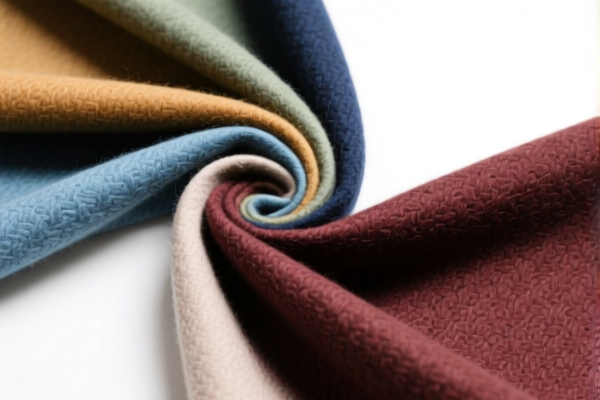
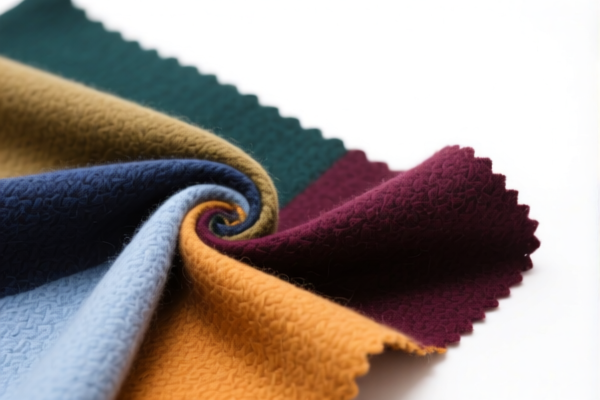
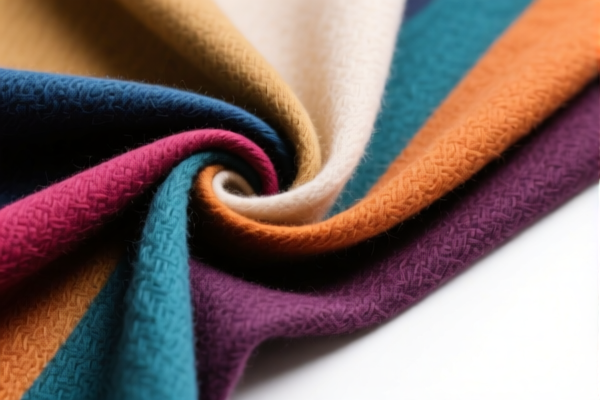
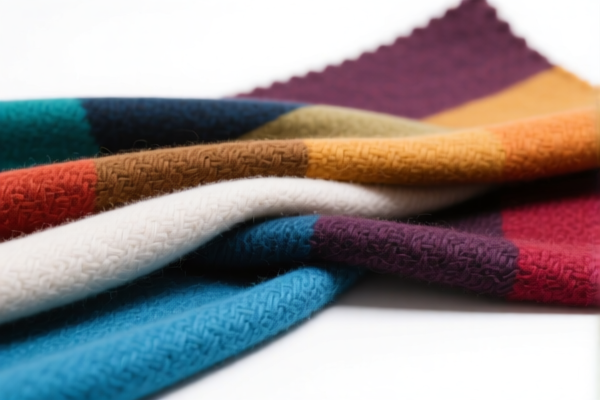
AI分析
🧵 Modal Woven Fabric (莫代尔梭织面料)
🌐 HS Code Reference & Customs Clearance Guide | 2026 Latest Tariff Analysis | Professional Clearance Strategy
📌 I. Product Definition & Classification: What Exactly is "Modal Woven Fabric"?
Modal fabric is a type of semi-synthetic regenerated cellulose fiber made from beech tree pulp. It is known for its softness, high absorbency, and drapability. In international trade, "Modal Woven Fabric" is not a single HS Code but a category that varies based on: 1. Fiber Composition: Whether it is pure Modal or a blend with other synthetic fibers (Viscose, Polyester, etc.). 2. Weave Structure: Warp, weft, or other woven structures. 3. End Use: Clothing, footwear, or other applications.
⚠️ Key Distinction Point:
- If the fabric is pure Modal or Modal-dominant, it falls under Chapter 54 (Man-made filaments) or Chapter 55 (Man-made staple fibers), depending on whether Modal is processed as filament or staple.
- If the fabric is used for footwear uppers, it may fall under Chapter 60 (Knitted/Crocheted Fabrics) or specific footwear parts, but Modal is typically woven, so it often remains in Chapter 54/55 unless specifically declared as a shoe part.
- Customs often scrutinizes Modal fabrics due to high tariffs on Chinese textile imports.
📦 II. HS Code Classification Details (2026 Latest Tariff Authority Mapping)
Based on the provided data, here are the specific HS Codes for Modal Woven Fabrics, their descriptions, and tax implications.
| HS Code | Product Description | Applicable Scenario | Fiber Type | Tax Rate |
|---|---|---|---|---|
| 5407.91.20.10 | Modal Woven Fabric (for Clothing), Material: Man-made Fiber, Form: Woven Fabric, Used for Clothing | General apparel fabrics (shirts, dresses, linings) | Man-made (Filament-based) | 49.9% |
| 5407.92.20.10 | Modal Staple Fiber Woven Fabric (for Clothing), Material: Man-made Fiber, Form: Woven Fabric, Used for Clothing | Blended or staple-fiber Modal fabrics for clothing | Man-made (Staple-based) | 49.9% |
| 5408.31.20.20 | Modal Staple Fiber Woven Fabric (Clothing), Material: Man-made Fiber, Form: Woven Fabric, Used for Clothing | Similar to above, specific sub-category for staple modal | Man-made (Staple-based) | 49.9% |
| 6004.10.00.85 | Modal Shoe Upper Fabric, Material: Fiber, Form: Fabric, Used for Shoe Uppers | Footwear components, specifically shoe uppers | Fiber (Mixed/Specific) | 47.3% |
🔍 Critical Note:
- 5407 and 5408 chapters relate to Woven Fabrics of Man-Made Filaments/Staples. Modal is a regenerated cellulose fiber, often classified under "Man-made Filaments" if processed as such (5407) or "Staple Fibers" if cut (5408).
- 6004 is unusual for "Woven" fabrics as Chapter 60 is typically Knitted/Crocheted. However, if the fabric is specifically declared as "Shoe Upper Fabric" and meets specific criteria, it may fall here. Clarify with customs if the fabric is truly woven or if it is a non-woven/knitted alternative misclassified as woven.
- All codes listed above are subject to significant additional tariffs due to US-China trade policies.
💰 III. 2026 Latest Tariff Rate Breakdown (Including Surcharges & Policy Add-ons)
✅ Applicable Country: United States (US)
✅ Country of Origin: China (CN)
✅ Effective Date: 2025/2026 (Current Trade Policy)
🎯 1. HS Codes 5407.91.20.10, 5407.92.20.10, 5408.31.20.20 — Modal Woven Fabrics for Clothing
| Item | Content |
|---|---|
| Base Tariff Rate | 14.9% (Most Favored Nation - MFN) |
| Section 301 Surcharge | +25.0% (USITC Footnote 9903.88.01 / Trade Act of 1974) |
| 122-Clause Tariff | +10.0% (Specific legislative add-on for certain textiles) |
| Total Tariff Rate | 49.9% |
| Tax Calculation | CIF Value × 49.9% |
| De Minimis Exemption | ❌ Not Applicable (Deny de minimis) |
| Legal Basis Path | MFN:5407/5408 → Section 301:25% → 122-Clause:10% |
📌 Explanation:
- Base Rate (14.9%): Standard MFN rate for woven fabrics of synthetic fibers.
- Section 301 (25%): Applies to most Chinese textile imports due to trade tensions.
- 122-Clause (10%): A specific additional tariff layer for certain textile products under US legislation.
- Total 49.9%: This is a very high tariff, significantly impacting profit margins.
- No De Minimis: Shipments under $800 do not qualify for tax exemption. Full duties apply.
🎯 2. HS Code 6004.10.00.85 — Modal Shoe Upper Fabric
| Item | Content |
|---|---|
| Base Tariff Rate | 12.3% |
| Section 301 Surcharge | +25.0% |
| 122-Clause Tariff | +10.0% |
| Total Tariff Rate | 47.3% |
| Tax Calculation | CIF Value × 47.3% |
| De Minimis Exemption | ❌ Not Applicable (Deny de minimis) |
| Legal Basis Path | MFN:6004 → Section 301:25% → 122-Clause:10% |
📌 Note:
- Slightly lower than clothing fabrics (47.3% vs 49.9%) due to a lower base rate (12.3% vs 14.9%).
- Still subject to all surcharges.
- Critical: Ensure the fabric is correctly identified as "Shoe Upper" and not general clothing fabric to avoid misclassification penalties.
🛠️ IV. Customs Clearance Practical Advice (Real-World Pitfall Avoidance Guide)
✅ 1. Required Documentation Checklist (No Exceptions)
| Document | Mandatory? | Explanation |
|---|---|---|
| ✅ Product Specification Sheet | ✔️ | Must detail: Fiber composition (Modal %, other fibers), weave type, GSM, width, end-use (Clothing/Shoes). |
| ✅ Commercial Invoice | ✔️ | Clearly state: "Modal Woven Fabric for [Clothing/Shoes]", HS Code, CIF Value, Country of Origin (China). |
| ✅ Packing List | ✔️ | Detail rolls, weight, dimensions. Avoid mixing different HS Codes in one shipment without clear separation. |
| ✅ Certificate of Origin (CO) | ✔️ | Proof of Chinese origin. Required for 301 tariff application. |
| ✅ Test Report (Fiber Content) | ✔️ | Third-party lab report confirming Modal content. Misdeclaration leads to heavy fines. |
| ✅ Product Photos | ✔️ | Clear images of fabric roll, label, and close-up of weave. |
✅ 2. Declaration Tips (Key Mantras)
🔥 "Accurate Composition, Clear End-Use, No Hiding from 301!"
| Scenario | Correct Declaration | Incorrect Practice |
|---|---|---|
| Pure Modal Woven Fabric | HS 5407.91.20.10 + "100% Modal Woven Fabric for Clothing" |
Vague "Synthetic Fabric" → 100% Audit Risk |
| Modal Blend (e.g., 70% Modal, 30% Polyester) | HS 5407.92.20.10 + "70% Modal/30% Polyester Woven Fabric" |
Declare as "100% Modal" → Fraud |
| Fabric for Shoe Uppers | HS 6004.10.00.85 + "Woven Fabric for Shoe Uppers" |
Declare as clothing fabric → Overpay by 2.6% + Audit Risk |
| Knitted Modal Fabric | NOT in this list (Chapter 60 Knitting) | Declare as "Woven" → Wrong HS Code → Penalties |
✅ 3. Special Circumstances Handling
| Situation | Handling Advice |
|---|---|
| OEM/ODM Orders | Provide end-user contract or design specs to prove end-use (Clothing vs. Shoes). |
| Mixed Shipments | Do not mix HS Codes in one BL. Separate shipments for Clothing Fabric (5407/5408) and Shoe Fabric (6004). |
| Origin Denial | If fabric is woven in Vietnam but dyed in China, Chinese origin still applies due to "Substantial Transformation" rules for textiles. Tariffs still apply. |
| Pre-Ruling Application | Strongly Recommended: Apply for a Customs Ruling before shipment to confirm HS Code and avoid disputes. |
🌍 V. Global Market Comparison (2026 Latest)
| Country/Region | Recommended HS Code | Tariff (China Origin) | Certification | Notes |
|---|---|---|---|---|
| 🇺🇸 USA | 5407.91.20.10 / 6004.10.00.85 |
49.9% / 47.3% | N/A | Highest tariffs due to Section 301 + 122-Clause |
| 🇨🇳 China | 5407.91.20.10 |
8% | N/A | Low import tariff, but high export pressure |
| 🇪🇺 EU | 5407.52.00 (Example) |
0% | REACH, OEKO-TEX | No Section 301 equivalent, but strict chemical standards |
| 🇬🇧 UK | 5407.52.00 (Example) |
0% | UKCA, REACH | Post-Brexit, tariffs aligned with EU mostly |
| 🇨🇦 Canada | 5407.52.00 (Example) |
0% | CE, CAN/CGSB | No Section 301, low tariffs |
📌 Conclusion:
- USA is the most challenging market for Modal Woven Fabrics due to ~50% tariffs.
- EU/UK/Canada offer near-zero tariffs but have strict environmental and chemical compliance (REACH, OEKO-TEX).
- Supply Chain Strategy: Consider sourcing from Vietnam, Bangladesh, or India to bypass US Section 301 tariffs, but ensure "Substantial Transformation" occurs.
📌 VI. Common Mistakes & Pitfalls (Blood & Tears Lessons)
❌ Mistake 1: Declaring "Modal" as "Viscose" to avoid higher rates
👉 Consequence: Customs Fraud. Penalties up to 3x value + seizure. Modal and Viscose are chemically similar but tariff lines may differ.
❌ Mistake 2: Not specifying "Woven" vs "Knitted"
👉 Consequence: Wrong HS Code. Knitted fabrics (Chapter 60) have different base rates. Misdeclaration leads to reclassification and delays.
❌ Mistake 3: Ignoring the 122-Clause Tariff
👉 Consequence: Underpayment by 10%. Customs will audit and demand back payment + interest.
❌ Mistake 4: Using De Minimis for B2B Shipments
👉 Consequence: Denied Entry. De Minimis ($800) only applies to personal imports. B2B commercial shipments pay full duties.
✅ Correct Practice:
"100% Modal Woven Fabric, 150 GSM, Grey Color, For Mens Shirts, Chinese Origin, CIF $10,000"
🎯 VII. Conclusion: Professional Declaration, Cost Control, Compliance!
🎯 Remember the Mantra:
🔹 "Modal is Special, 50% Tax in USA."
🔹 "Woven vs Knitted, Get It Right or Pay the Price."
🔹 "De Minimis is for Personal, Not for Business."
📌 Pro Tip:
If your Modal Fabric is blended (e.g., Modal + Cotton, Modal + Polyester), the HS Code changes based on the dominant fiber by weight. Always declare exact composition.
Consider Pre-Ruling with US Customs (CBP) to lock in the HS Code and avoid post-shipment audits.
📣 Immediate Action:
📞 Contact a US Customs Broker + Provide Lab Test Report + Apply for Pre-Ruling
🚀 Navigate US Tariffs Efficiently, Protect Margins, Ensure Smooth Clearance!
✨ Professional Clearance Starts with Accurate Classification!
💼 Every Percentage Point Counts in Global Trade!
用户评价
关于 HS 编码归类
协调制度(HS)是由世界海关组织(WCO)制定的国际贸易商品分类标准。全球 200 多个国家采用 HS 系统作为海关关税、贸易统计和进出口监管的基础。
每个 HS 编码遵循以下层级结构:
- 章(2 位)——商品大类(例如:第 84 章:机器和机械设备)
- 品目(4 位)——章内的更具体分类
- 子目(6 位)——国际通用细分,所有 WCO 成员国统一使用
- 本国细分(8-10 位)——各国自行扩展的细分编码,如美国 HTSUS 10 位编码
正确的 HS 编码归类对于顺利通关、准确缴纳关税和遵守贸易法规至关重要。错误归类可能导致海关延误、多缴关税或罚款。
从CN进口到US时,适用的关税税率可能包括:
- 最惠国(MFN)税率——适用于 WTO 成员国的标准关税税率
- 普通税率——适用于无贸易协定国家
- 贸易救济关税——附加关税,如 301 条款(反倾销)、232 条款(国家安全)或反补贴税
本页内容仅供参考。如需正式归类,请咨询当地海关或持牌报关代理。