Modal Woven Fabric
CN → US| HS Code | Tariff Rate | Origin | Destination | Doc |
|---|---|---|---|---|
| 5407912010 | 49.9% | CN | US | Official Doc |
| 5407922010 | 49.9% | CN | US | Official Doc |
| 5408312020 | 49.9% | CN | US | Official Doc |
| 6004100085 | 47.3% | CN | US | Official Doc |
Product Images
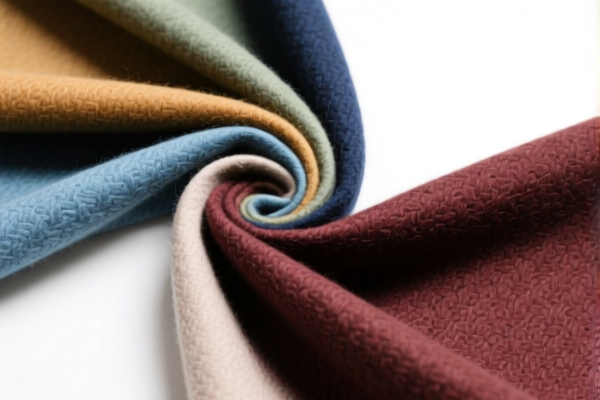
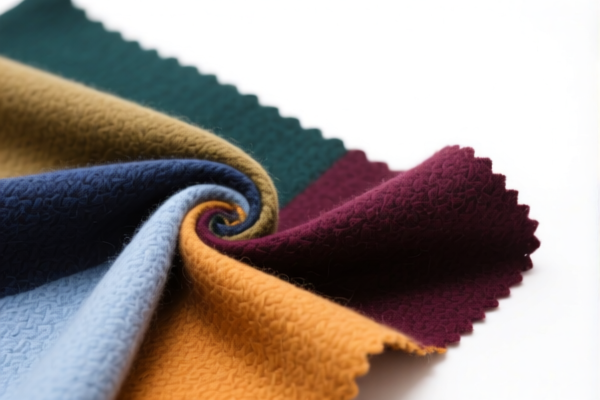
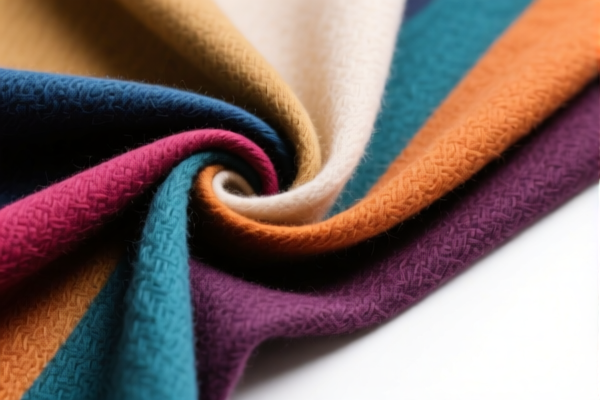
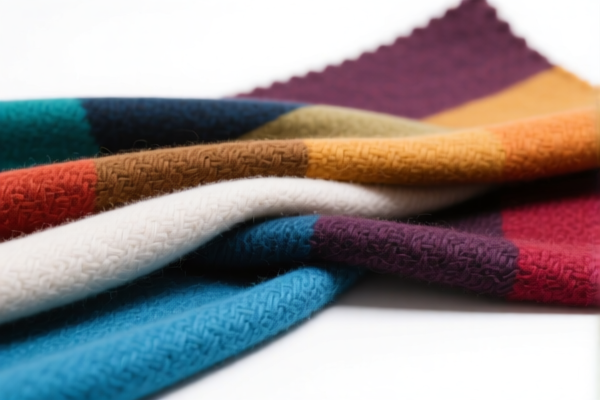
AI Analysis
🧵 Modal Woven Fabric (莫代尔梭织面料)
🌐 HS Code Reference & Customs Clearance Guide | 2026 Latest Tariff Analysis | Professional Clearance Strategy
📌 I. Product Definition & Classification: What Exactly is "Modal Woven Fabric"?
Modal fabric is a type of semi-synthetic regenerated cellulose fiber made from beech tree pulp. It is known for its softness, high absorbency, and drapability. In international trade, "Modal Woven Fabric" is not a single HS Code but a category that varies based on: 1. Fiber Composition: Whether it is pure Modal or a blend with other synthetic fibers (Viscose, Polyester, etc.). 2. Weave Structure: Warp, weft, or other woven structures. 3. End Use: Clothing, footwear, or other applications.
⚠️ Key Distinction Point:
- If the fabric is pure Modal or Modal-dominant, it falls under Chapter 54 (Man-made filaments) or Chapter 55 (Man-made staple fibers), depending on whether Modal is processed as filament or staple.
- If the fabric is used for footwear uppers, it may fall under Chapter 60 (Knitted/Crocheted Fabrics) or specific footwear parts, but Modal is typically woven, so it often remains in Chapter 54/55 unless specifically declared as a shoe part.
- Customs often scrutinizes Modal fabrics due to high tariffs on Chinese textile imports.
📦 II. HS Code Classification Details (2026 Latest Tariff Authority Mapping)
Based on the provided data, here are the specific HS Codes for Modal Woven Fabrics, their descriptions, and tax implications.
| HS Code | Product Description | Applicable Scenario | Fiber Type | Tax Rate |
|---|---|---|---|---|
| 5407.91.20.10 | Modal Woven Fabric (for Clothing), Material: Man-made Fiber, Form: Woven Fabric, Used for Clothing | General apparel fabrics (shirts, dresses, linings) | Man-made (Filament-based) | 49.9% |
| 5407.92.20.10 | Modal Staple Fiber Woven Fabric (for Clothing), Material: Man-made Fiber, Form: Woven Fabric, Used for Clothing | Blended or staple-fiber Modal fabrics for clothing | Man-made (Staple-based) | 49.9% |
| 5408.31.20.20 | Modal Staple Fiber Woven Fabric (Clothing), Material: Man-made Fiber, Form: Woven Fabric, Used for Clothing | Similar to above, specific sub-category for staple modal | Man-made (Staple-based) | 49.9% |
| 6004.10.00.85 | Modal Shoe Upper Fabric, Material: Fiber, Form: Fabric, Used for Shoe Uppers | Footwear components, specifically shoe uppers | Fiber (Mixed/Specific) | 47.3% |
🔍 Critical Note:
- 5407 and 5408 chapters relate to Woven Fabrics of Man-Made Filaments/Staples. Modal is a regenerated cellulose fiber, often classified under "Man-made Filaments" if processed as such (5407) or "Staple Fibers" if cut (5408).
- 6004 is unusual for "Woven" fabrics as Chapter 60 is typically Knitted/Crocheted. However, if the fabric is specifically declared as "Shoe Upper Fabric" and meets specific criteria, it may fall here. Clarify with customs if the fabric is truly woven or if it is a non-woven/knitted alternative misclassified as woven.
- All codes listed above are subject to significant additional tariffs due to US-China trade policies.
💰 III. 2026 Latest Tariff Rate Breakdown (Including Surcharges & Policy Add-ons)
✅ Applicable Country: United States (US)
✅ Country of Origin: China (CN)
✅ Effective Date: 2025/2026 (Current Trade Policy)
🎯 1. HS Codes 5407.91.20.10, 5407.92.20.10, 5408.31.20.20 — Modal Woven Fabrics for Clothing
| Item | Content |
|---|---|
| Base Tariff Rate | 14.9% (Most Favored Nation - MFN) |
| Section 301 Surcharge | +25.0% (USITC Footnote 9903.88.01 / Trade Act of 1974) |
| 122-Clause Tariff | +10.0% (Specific legislative add-on for certain textiles) |
| Total Tariff Rate | 49.9% |
| Tax Calculation | CIF Value × 49.9% |
| De Minimis Exemption | ❌ Not Applicable (Deny de minimis) |
| Legal Basis Path | MFN:5407/5408 → Section 301:25% → 122-Clause:10% |
📌 Explanation:
- Base Rate (14.9%): Standard MFN rate for woven fabrics of synthetic fibers.
- Section 301 (25%): Applies to most Chinese textile imports due to trade tensions.
- 122-Clause (10%): A specific additional tariff layer for certain textile products under US legislation.
- Total 49.9%: This is a very high tariff, significantly impacting profit margins.
- No De Minimis: Shipments under $800 do not qualify for tax exemption. Full duties apply.
🎯 2. HS Code 6004.10.00.85 — Modal Shoe Upper Fabric
| Item | Content |
|---|---|
| Base Tariff Rate | 12.3% |
| Section 301 Surcharge | +25.0% |
| 122-Clause Tariff | +10.0% |
| Total Tariff Rate | 47.3% |
| Tax Calculation | CIF Value × 47.3% |
| De Minimis Exemption | ❌ Not Applicable (Deny de minimis) |
| Legal Basis Path | MFN:6004 → Section 301:25% → 122-Clause:10% |
📌 Note:
- Slightly lower than clothing fabrics (47.3% vs 49.9%) due to a lower base rate (12.3% vs 14.9%).
- Still subject to all surcharges.
- Critical: Ensure the fabric is correctly identified as "Shoe Upper" and not general clothing fabric to avoid misclassification penalties.
🛠️ IV. Customs Clearance Practical Advice (Real-World Pitfall Avoidance Guide)
✅ 1. Required Documentation Checklist (No Exceptions)
| Document | Mandatory? | Explanation |
|---|---|---|
| ✅ Product Specification Sheet | ✔️ | Must detail: Fiber composition (Modal %, other fibers), weave type, GSM, width, end-use (Clothing/Shoes). |
| ✅ Commercial Invoice | ✔️ | Clearly state: "Modal Woven Fabric for [Clothing/Shoes]", HS Code, CIF Value, Country of Origin (China). |
| ✅ Packing List | ✔️ | Detail rolls, weight, dimensions. Avoid mixing different HS Codes in one shipment without clear separation. |
| ✅ Certificate of Origin (CO) | ✔️ | Proof of Chinese origin. Required for 301 tariff application. |
| ✅ Test Report (Fiber Content) | ✔️ | Third-party lab report confirming Modal content. Misdeclaration leads to heavy fines. |
| ✅ Product Photos | ✔️ | Clear images of fabric roll, label, and close-up of weave. |
✅ 2. Declaration Tips (Key Mantras)
🔥 "Accurate Composition, Clear End-Use, No Hiding from 301!"
| Scenario | Correct Declaration | Incorrect Practice |
|---|---|---|
| Pure Modal Woven Fabric | HS 5407.91.20.10 + "100% Modal Woven Fabric for Clothing" |
Vague "Synthetic Fabric" → 100% Audit Risk |
| Modal Blend (e.g., 70% Modal, 30% Polyester) | HS 5407.92.20.10 + "70% Modal/30% Polyester Woven Fabric" |
Declare as "100% Modal" → Fraud |
| Fabric for Shoe Uppers | HS 6004.10.00.85 + "Woven Fabric for Shoe Uppers" |
Declare as clothing fabric → Overpay by 2.6% + Audit Risk |
| Knitted Modal Fabric | NOT in this list (Chapter 60 Knitting) | Declare as "Woven" → Wrong HS Code → Penalties |
✅ 3. Special Circumstances Handling
| Situation | Handling Advice |
|---|---|
| OEM/ODM Orders | Provide end-user contract or design specs to prove end-use (Clothing vs. Shoes). |
| Mixed Shipments | Do not mix HS Codes in one BL. Separate shipments for Clothing Fabric (5407/5408) and Shoe Fabric (6004). |
| Origin Denial | If fabric is woven in Vietnam but dyed in China, Chinese origin still applies due to "Substantial Transformation" rules for textiles. Tariffs still apply. |
| Pre-Ruling Application | Strongly Recommended: Apply for a Customs Ruling before shipment to confirm HS Code and avoid disputes. |
🌍 V. Global Market Comparison (2026 Latest)
| Country/Region | Recommended HS Code | Tariff (China Origin) | Certification | Notes |
|---|---|---|---|---|
| 🇺🇸 USA | 5407.91.20.10 / 6004.10.00.85 |
49.9% / 47.3% | N/A | Highest tariffs due to Section 301 + 122-Clause |
| 🇨🇳 China | 5407.91.20.10 |
8% | N/A | Low import tariff, but high export pressure |
| 🇪🇺 EU | 5407.52.00 (Example) |
0% | REACH, OEKO-TEX | No Section 301 equivalent, but strict chemical standards |
| 🇬🇧 UK | 5407.52.00 (Example) |
0% | UKCA, REACH | Post-Brexit, tariffs aligned with EU mostly |
| 🇨🇦 Canada | 5407.52.00 (Example) |
0% | CE, CAN/CGSB | No Section 301, low tariffs |
📌 Conclusion:
- USA is the most challenging market for Modal Woven Fabrics due to ~50% tariffs.
- EU/UK/Canada offer near-zero tariffs but have strict environmental and chemical compliance (REACH, OEKO-TEX).
- Supply Chain Strategy: Consider sourcing from Vietnam, Bangladesh, or India to bypass US Section 301 tariffs, but ensure "Substantial Transformation" occurs.
📌 VI. Common Mistakes & Pitfalls (Blood & Tears Lessons)
❌ Mistake 1: Declaring "Modal" as "Viscose" to avoid higher rates
👉 Consequence: Customs Fraud. Penalties up to 3x value + seizure. Modal and Viscose are chemically similar but tariff lines may differ.
❌ Mistake 2: Not specifying "Woven" vs "Knitted"
👉 Consequence: Wrong HS Code. Knitted fabrics (Chapter 60) have different base rates. Misdeclaration leads to reclassification and delays.
❌ Mistake 3: Ignoring the 122-Clause Tariff
👉 Consequence: Underpayment by 10%. Customs will audit and demand back payment + interest.
❌ Mistake 4: Using De Minimis for B2B Shipments
👉 Consequence: Denied Entry. De Minimis ($800) only applies to personal imports. B2B commercial shipments pay full duties.
✅ Correct Practice:
"100% Modal Woven Fabric, 150 GSM, Grey Color, For Mens Shirts, Chinese Origin, CIF $10,000"
🎯 VII. Conclusion: Professional Declaration, Cost Control, Compliance!
🎯 Remember the Mantra:
🔹 "Modal is Special, 50% Tax in USA."
🔹 "Woven vs Knitted, Get It Right or Pay the Price."
🔹 "De Minimis is for Personal, Not for Business."
📌 Pro Tip:
If your Modal Fabric is blended (e.g., Modal + Cotton, Modal + Polyester), the HS Code changes based on the dominant fiber by weight. Always declare exact composition.
Consider Pre-Ruling with US Customs (CBP) to lock in the HS Code and avoid post-shipment audits.
📣 Immediate Action:
📞 Contact a US Customs Broker + Provide Lab Test Report + Apply for Pre-Ruling
🚀 Navigate US Tariffs Efficiently, Protect Margins, Ensure Smooth Clearance!
✨ Professional Clearance Starts with Accurate Classification!
💼 Every Percentage Point Counts in Global Trade!
Customer Reviews
About HS Code Classification
The Harmonized System (HS) is an internationally standardized nomenclature developed by the World Customs Organization (WCO) to classify traded products. Over 200 countries use the HS system as the basis for customs tariffs, trade statistics, and import/export regulations.
Each HS code follows a hierarchical structure:
- Chapter (2 digits) — Broad category of goods (e.g., Chapter 84: Machinery and Mechanical Appliances)
- Heading (4 digits) — More specific grouping within the chapter
- Subheading (6 digits) — Internationally standardized breakdown, used by all WCO member countries
- National subdivisions (8-10 digits) — Country-specific extensions for further classification, such as US HTSUS 10-digit codes
Correct HS code classification is essential for smooth customs clearance, accurate duty payment, and compliance with trade regulations. Misclassification can lead to customs delays, overpayment of duties, or penalties.
When importing from CN to US, the applicable tariff rates may include:
- Most-Favored-Nation (MFN) rate — The standard duty rate applied to WTO members
- General rate — Applied to countries without trade agreements
- Trade remedy duties — Additional tariffs such as Section 301 (anti-dumping), Section 232 (national security), or countervailing duties
The information provided on this page is for reference purposes only. For official classification, please consult with your local customs authority or a licensed customs broker.