Modified Acrylic Short Fiber Blended Yarn (Roving)
CN → US| HS编码 | 关税税率 | 原产国 | 目的国 | 文档 |
|---|---|---|---|---|
| 5502100000 | 42.5% | CN | US | 官方文档 |
| 5502900000 | 42.5% | CN | US | 官方文档 |
商品图片
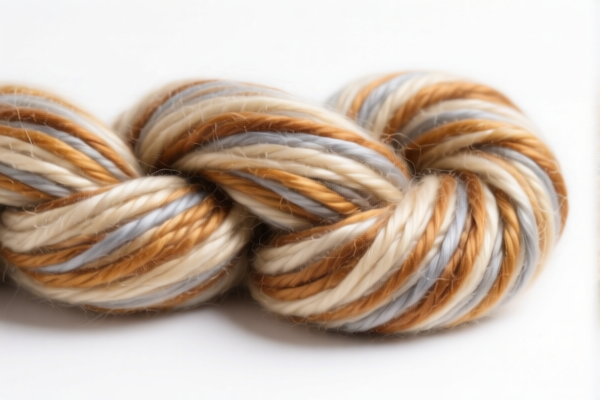
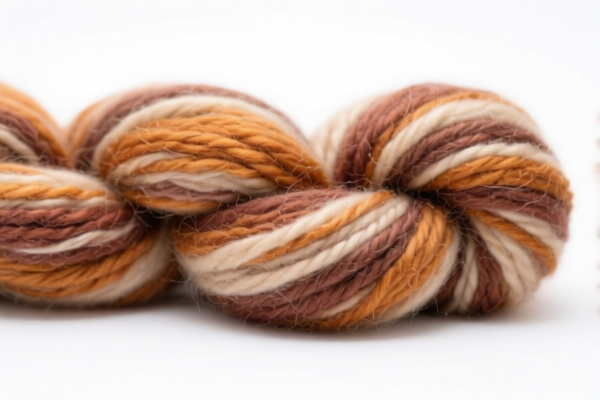
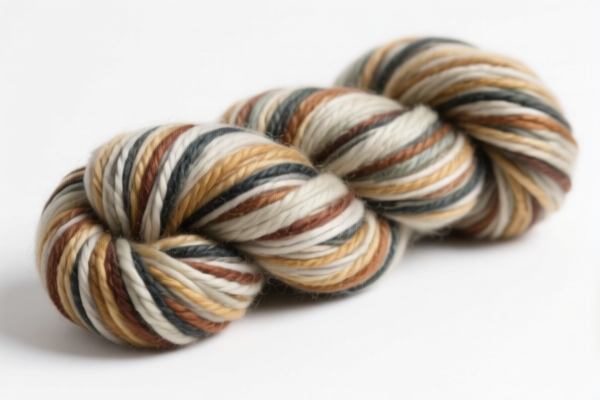
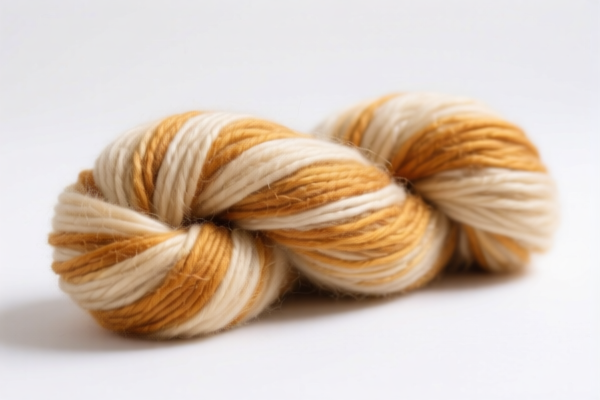
AI分析
🧵 Modified Acrylic Short Fiber Blended Yarn (Roving)
🌐 HS Code Reference & Customs Clearance Guide | 2026 Latest Tariff Analysis | Professional Clearance Strategy
📌 I. Product Definition & Classification: Do You Really Understand "Acrylic Roving"?
Modified Acrylic Short Fiber Blended Yarn (Roving), often referred to as "Roving" in textile manufacturing, is a loose strand of fibers that has been drafted but not yet twisted. It serves as the intermediate stage between spinning and weaving/knitting. In international trade, these products are classified based on their fiber composition (Synthetic/Man-made) and form (Short fiber vs. Continuous filament).
⚠️ Key Distinction Point:
- If the product is short fibers (staples) blended with other fibers → Classified under Chapter 55 (Man-made Staple Fibers) or Chapter 59 (Impregnated/Coated Fabrics if processed further).
- If the product is continuous filaments → Classified under Chapter 54 (Man-made Filaments).
- Crucial Note: The term "Modified Acrylic" implies a chemical modification of the polyacrylonitrile fiber, but for HS Code purposes, it generally falls under "Acrylic Modacrylic" or "Other Synthetic Staple Fibers."
📦 II. HS Code Classification Details (2026 Latest Tariff Authority Comparison)
Based on the provided data, the following HS Codes are relevant for Modified Acrylic Short Fiber/Blended products. Note that HS Codes 5516 and 5903 refer to Fabrics/Materials, not pure Yarn/Roving, suggesting that this product might be declared as a semi-finished textile material or the data provided reflects related end-products. We will analyze the provided codes strictly as per the input.
| HS Code | Product Description | Application Scenario | Fiber Form |
|---|---|---|---|
5516.24.00.95 |
Woven fabrics of acrylic modacrylic staple fibers mixed mainly or only with synthetic staple fibers, other, other, other | Blended woven textile materials; likely includes non-decorative woven fabrics derived from short fibers | ✅ Short Fiber |
5903.90.25.00 |
Textile fabrics impregnated, coated, covered or laminated with plastics, other, of synthetic fibers, other, other | Modified acrylic fabrics treated with plastic/resin for durability or water resistance | ✅ Processed Fabric |
5903.90.20.00 |
Textile fabrics impregnated, coated, covered or laminated with plastics, of synthetic fibers, other, other | General industrial or decorative synthetic fabrics with plastic coating | ✅ Processed Fabric |
5407.94.20.10 |
Woven fabrics of synthetic filaments, other, of synthetic staple fibers mixed mainly or only with synthetic filaments, other, other | Misclassification Risk: This code is for Filament woven fabrics. If "Roving" is mistakenly declared as filament fabric, this code may appear in cross-reference systems. | ❌ Filament (Mismatch) |
🔍 Important Clarification:
- HS 5516.24.00.95 and 5407.94.20.10 refer to Woven Fabrics, not raw Roving/Yarn. If you are importing actual Roving, you must verify if your supplier is declaring it as a semi-finished fabric or if the "Roving" is pre-woven into a non-woven/bonded fabric.
- HS 5903 codes apply only if the acrylic material has been impregnated/coated/laminated. Plain acrylic yarn/roving does not qualify here.
- HS 5407 is for Filament woven fabrics. Acrylic is typically a staple fiber. Using this code for acrylic is highly risky unless the acrylic is blended with filament fibers in a specific woven form.
💰 III. 2026 Latest Tariff Rate Details (Including Additional Duties & Policy Add-ons)
✅ Applicable Country: United States (US)
✅ Origin: China (CN)
✅ Effective Time: From November 10, 2025 (including subsequent imports)
🎯 1. 5516.24.00.95 —— Woven Fabrics of Acrylic Staple Fibers (Blended)
| Item | Content |
|---|---|
| Base Duty Rate | 14.9% (ad valorem) |
| Section 301 Additional Duty | +25.0% (China-specific tariffs) |
| Section 122 Duty | +10.0% (Specific to certain textile categories under Section 122) |
| Total Effective Rate | 49.9% |
| Tax Calculation | CIF Value × 49.9% |
| De Minimis Exemption | ❌ Not Eligible (deny_de_minimis) |
| Legal Basis Path | Section 301: 5516.24.00.95 → Section 122: Textile Add-on → Base Tariff: 14.9% |
📌 Explanation:
- The 14.9% base rate reflects the standard Most Favored Nation (MFN) rate for blended acrylic woven fabrics.
- The 25% Section 301 duty is a significant barrier for Chinese-origin goods.
- The 10% Section 122 duty is a specialized textile surcharge often applied to certain cotton/synthetic blends.
- Total 49.9% is an extremely high duty rate, impacting profit margins significantly.
🎯 2. 5903.90.25.00 —— Impregnated/Coated Acrylic Textile Fabrics
| Item | Content |
|---|---|
| Base Duty Rate | 7.5% (ad valorem) |
| Section 301 Additional Duty | +25.0% (China-specific tariffs) |
| Section 122 Duty | +10.0% |
| Total Effective Rate | 42.5% |
| Tax Calculation | CIF Value × 42.5% |
| De Minimis Exemption | ❌ Not Eligible |
| Legal Basis Path | Section 301: 5903.90.25.00 → Section 122: Textile Add-on → Base Tariff: 7.5% |
📌 Explanation:
- The 7.5% base rate is lower than standard woven fabrics because the product is considered "processed" (impregnated/coated).
- However, the 25% + 10% additional duties still apply, bringing the total to 42.5%.
- Note: This code is only applicable if the acrylic fabric has been physically treated with plastic/resin. Plain acrylic yarn/roving does not qualify.
🎯 3. 5903.90.20.00 —— Other Impregnated/Coated Synthetic Textile Fabrics
| Item | Content |
|---|---|
| Base Duty Rate | 0.0% (ad valorem) |
| Section 301 Additional Duty | +25.0% (China-specific tariffs) |
| Section 122 Duty | +10.0% |
| Total Effective Rate | 35.0% |
| Tax Calculation | CIF Value × 35.0% |
| De Minimis Exemption | ❌ Not Eligible |
| Legal Basis Path | Section 301: 5903.90.20.00 → Section 122: Textile Add-on → Base Tariff: 0.0% |
📌 Explanation:
- The 0.0% base rate suggests a more favorable entry for certain coated synthetic fabrics.
- The 25% + 10% additional duties remain the same, resulting in a 35.0% total rate.
- Critical Risk: Misclassifying plain acrylic yarn as "impregnated fabric" to get 0% base duty will lead to severe penalties. Only use if the product is genuinely coated.
🎯 4. 5407.94.20.10 —— Woven Fabrics of Synthetic Filaments (Mixed)
| Item | Content |
|---|---|
| Base Duty Rate | 14.9% (ad valorem) |
| Section 301 Additional Duty | +25.0% (China-specific tariffs) |
| Section 122 Duty | +10.0% |
| Total Effective Rate | 49.9% |
| Tax Calculation | CIF Value × 49.9% |
| De Minimis Exemption | ❌ Not Eligible |
| Legal Basis Path | Section 301: 5407.94.20.10 → Section 122: Textile Add-on → Base Tariff: 14.9% |
📌 Explanation:
- This code is for filament woven fabrics. Acrylic is typically a staple fiber.
- If your "Roving" is made of continuous acrylic filaments (rare, usually polyester/nylon), this code might apply, but for standard acrylic, it is a misclassification.
- The rate is identical to5516.24.00.95due to the same additional duties.
🛠️ IV. Customs Clearance Practical Advice (Battle-Tested Pitfall Guide)
✅ 1. Required Documentation Checklist (Non-negotiable)
| Document | Mandatory | Description |
|---|---|---|
| ✅ Product Specification Sheet | ✔️ | Must specify: Fiber content (e.g., 100% Modified Acrylic), Form (Roving/Yarn), Denier, Twist, Length |
| ✅ Material Safety Data Sheet (MSDS) | ✔️ | If the acrylic is impregnated/coated, MSDS is required for chemical content verification |
| ✅ Product Photos (Label/Packaging) | ✔️ | Clear images showing "Roving," "Acrylic," and "China Origin" |
| ✅ Commercial Invoice | ✔️ | Must explicitly state: "Modified Acrylic Short Fiber Blended Yarn/Roving" — Do NOT use vague terms like "Textile Material" |
| ✅ Certificate of Origin (CO) | ✔️ | Essential for proving Chinese origin (and applying Section 301 duties correctly) |
| ✅ Packing List | ✔️ | Detail net/gross weight, number of spools/bobbins |
✅ 2. Declaration Tips (Key Mnemonics)
🔥 "Form Determines Code, Origin Determines Tax, Description Determines Clarity!"
| Scenario | Correct Declaration Approach | Wrong Practice |
|---|---|---|
| Pure Roving/Yarn | Declare as Yarn/Roving under Chapter 54/55 (if applicable). If no direct yarn code in provided list, verify if it's actually a non-woven fabric. | Declaring "Roving" as "Impregnated Fabric" (5903) to get lower tax → High Risk of Audit |
| Blended Yarn | Specify blend ratio (e.g., "80% Acrylic, 20% Polyester"). Use 5516 if woven fabric; if yarn, check Chapter 54/55. | Vague description: "Synthetic Yarn" |
| Coated/Treated Fabric | Use 5903.90.20.00 or 5903.90.25.00 ONLY if coated. Provide proof of coating process. | Declaring plain yarn as coated to save base duty |
| Filament vs. Staple | Acrylic is usually staple. If you declare 5407 (filament), you must prove continuous filament structure. |
Misusing 5407 for staple acrylic |
✅ 3. Special Case Handling
| Situation | Handling Advice |
|---|---|
| OEM Roving for Weaving | Provide downstream weaving contract to prove end-use, but HS Code is based on physical form, not end-use. Stick to Chapter 54/55 yarn codes if possible. |
| Modified Acrylic Definition | Ensure "Modified" is documented (e.g., fire-resistant, anti-static). Some modifications may qualify for different subheadings, but base duty structure remains similar. |
| Section 122 Duty Application | Section 122 duties are specific to certain textile categories. Verify if your specific blend qualifies. If not, the 10% may not apply, potentially lowering the rate to 25% (Section 301 only). |
| Transshipment | Do NOT transship through Vietnam/Malaysia to avoid Section 301. US Customs has strict anti-circumvention rules. Substantial transformation must occur. |
🌍 V. Global Market Clearance Comparison (2026 Latest)
| Country/Region | Recommended HS Code | Tariff Rate (China Origin) | Certification Requirements | Notes |
|---|---|---|---|---|
| 🇺🇸 USA | 5516.24.00.95 (if fabric) / Chapter 55 (if yarn) |
49.9% (Fabric) / Varies (Yarn) | None specific for acrylic | High Section 301 + Section 122 duties |
| 🇨🇳 China | 5510.21.00 (Acrylic Yarn) |
8.0% - 10.0% | None | Lower import tariff than US |
| 🇪🇺 EU | 5509.21.00 (Acrylic Yarn) |
0% - 4.5% | REACH Compliance | No Section 301; Lower base rate |
| 🇬🇧 UK | 5509.21.00 |
0% - 4.5% | UKCA/REACH | Post-Brexit, similar to EU |
| 🇯🇵 Japan | 5509.21.00 |
3.9% - 6.0% | JIS Standards | No major anti-dumping on acrylic |
📌 Conclusion:
- USA is the most expensive market due to Section 301 (25%) and Section 122 (10%) duties.
- Acrylic Roving in the US faces effective rates of 49.9% if classified as blended woven fabric. If classified as pure yarn, rates may differ, but Section 301 still applies.
- Diversify sourcing to non-China origins (e.g., India, Vietnam) if possible to mitigate Section 301 tariffs.
📌 VI. Common Errors & Pitfalls (Lessons Learned)
❌ Error 1: Declaring "Roving" as "Impregnated Fabric" (5903) to get 0% base duty
👉 Consequence: Customs audit reveals no coating → Back taxes + 25% penalty
❌ Error 2: Misclassifying Acrylic (Staple) as Filament (5407)
👉 Consequence: Classification error → Delay in clearance + Re-inspection fees
❌ Error 3: Ignoring Section 122 Duties
👉 Consequence: Underpayment of 10% duty → Lien on goods or fines
❌ Error 4: Vague Product Description: "Synthetic Yarn"
👉 Consequence: Customs assigns highest possible duty rate → 49.9% or higher
✅ Correct Practice:
"Modified Acrylic Short Fiber Blended Yarn (Roving), 100% Modified Acrylic, Staple Fiber Form, Spooled, China Origin, for Textile Weaving Only"
🎯 VII. Conclusion: Professional Declaration, Save Costs, Ensure Smooth Clearance!
🎯 Remember the Mnemonic:
🔹 "Form First, Origin Second, Description Precise!"
🔹 "Roving is Yarn, Not Fabric! Don't use 5903 unless Coated!"
🔹 "Section 301 + 122 = 35%~50% Extra Cost in USA!"
📌 Pro Tip:
If your "Roving" is actually a non-woven fabric or pre-pelleted, the HS Code may change. Consult a licensed customs broker to determine if your product qualifies for a lower duty rate under Chapter 56 (Non-wovens) or Chapter 55 (Staple Fibers) for yarn.
📣 Immediate Action:
📞 Contact a licensed Customs Broker + Provide Product Samples + Request Binding Tariff Information (BTI) or Pre-Ruling
🚀 Ensure your Commercial Invoice explicitly states "Modified Acrylic Short Fiber Blended Yarn/Roving" and NOT "Fabric" unless it is woven.
✨ Professional Clearance Starts with Accurate Classification!
💼 Every Percentage Point Matters in the Age of Trade Wars!
用户评价
关于 HS 编码归类
协调制度(HS)是由世界海关组织(WCO)制定的国际贸易商品分类标准。全球 200 多个国家采用 HS 系统作为海关关税、贸易统计和进出口监管的基础。
每个 HS 编码遵循以下层级结构:
- 章(2 位)——商品大类(例如:第 84 章:机器和机械设备)
- 品目(4 位)——章内的更具体分类
- 子目(6 位)——国际通用细分,所有 WCO 成员国统一使用
- 本国细分(8-10 位)——各国自行扩展的细分编码,如美国 HTSUS 10 位编码
正确的 HS 编码归类对于顺利通关、准确缴纳关税和遵守贸易法规至关重要。错误归类可能导致海关延误、多缴关税或罚款。
从CN进口到US时,适用的关税税率可能包括:
- 最惠国(MFN)税率——适用于 WTO 成员国的标准关税税率
- 普通税率——适用于无贸易协定国家
- 贸易救济关税——附加关税,如 301 条款(反倾销)、232 条款(国家安全)或反补贴税
本页内容仅供参考。如需正式归类,请咨询当地海关或持牌报关代理。