Modified Acrylic Short Fiber Blended Yarn (Roving)
CN → US| HS Code | Tariff Rate | Origin | Destination | Doc |
|---|---|---|---|---|
| 5502100000 | 42.5% | CN | US | Official Doc |
| 5502900000 | 42.5% | CN | US | Official Doc |
Product Images
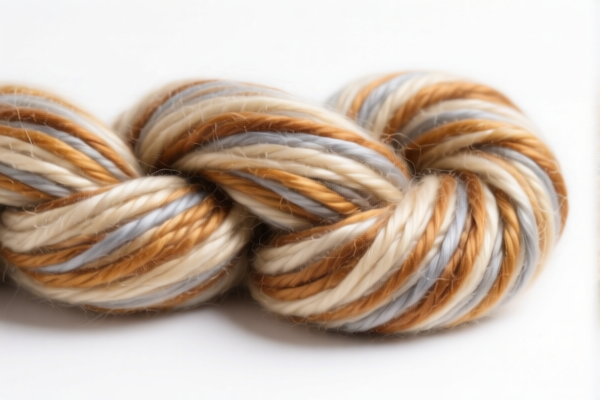
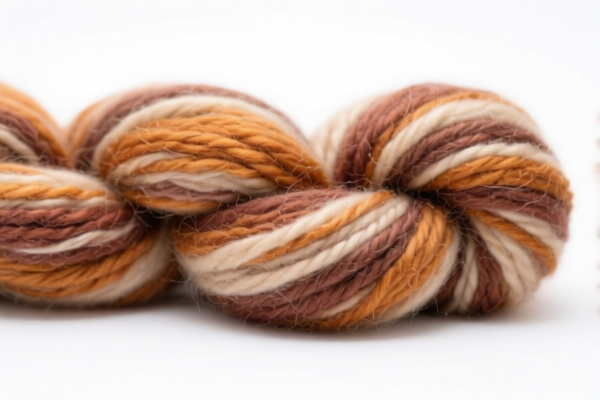
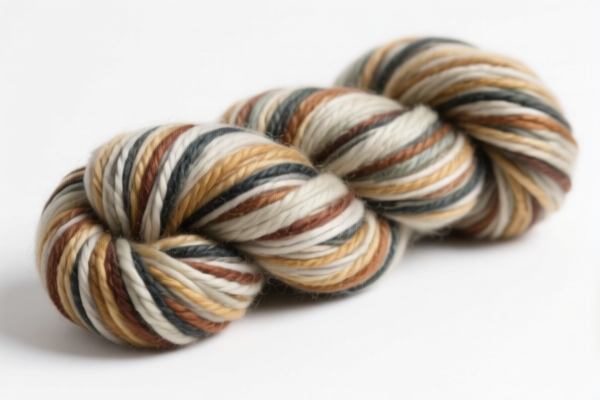
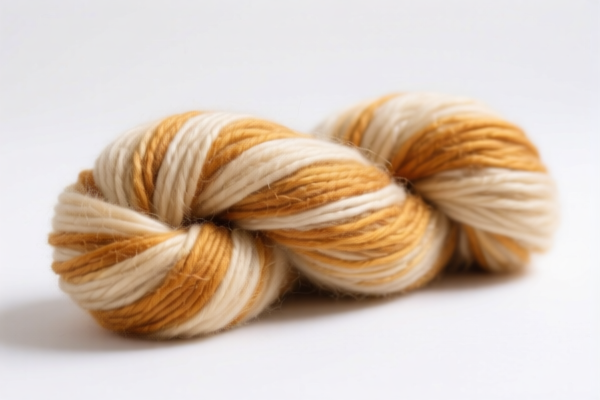
AI Analysis
🧵 Modified Acrylic Short Fiber Blended Yarn (Roving)
🌐 HS Code Reference & Customs Clearance Guide | 2026 Latest Tariff Analysis | Professional Clearance Strategy
📌 I. Product Definition & Classification: Do You Really Understand "Acrylic Roving"?
Modified Acrylic Short Fiber Blended Yarn (Roving), often referred to as "Roving" in textile manufacturing, is a loose strand of fibers that has been drafted but not yet twisted. It serves as the intermediate stage between spinning and weaving/knitting. In international trade, these products are classified based on their fiber composition (Synthetic/Man-made) and form (Short fiber vs. Continuous filament).
⚠️ Key Distinction Point:
- If the product is short fibers (staples) blended with other fibers → Classified under Chapter 55 (Man-made Staple Fibers) or Chapter 59 (Impregnated/Coated Fabrics if processed further).
- If the product is continuous filaments → Classified under Chapter 54 (Man-made Filaments).
- Crucial Note: The term "Modified Acrylic" implies a chemical modification of the polyacrylonitrile fiber, but for HS Code purposes, it generally falls under "Acrylic Modacrylic" or "Other Synthetic Staple Fibers."
📦 II. HS Code Classification Details (2026 Latest Tariff Authority Comparison)
Based on the provided data, the following HS Codes are relevant for Modified Acrylic Short Fiber/Blended products. Note that HS Codes 5516 and 5903 refer to Fabrics/Materials, not pure Yarn/Roving, suggesting that this product might be declared as a semi-finished textile material or the data provided reflects related end-products. We will analyze the provided codes strictly as per the input.
| HS Code | Product Description | Application Scenario | Fiber Form |
|---|---|---|---|
5516.24.00.95 |
Woven fabrics of acrylic modacrylic staple fibers mixed mainly or only with synthetic staple fibers, other, other, other | Blended woven textile materials; likely includes non-decorative woven fabrics derived from short fibers | ✅ Short Fiber |
5903.90.25.00 |
Textile fabrics impregnated, coated, covered or laminated with plastics, other, of synthetic fibers, other, other | Modified acrylic fabrics treated with plastic/resin for durability or water resistance | ✅ Processed Fabric |
5903.90.20.00 |
Textile fabrics impregnated, coated, covered or laminated with plastics, of synthetic fibers, other, other | General industrial or decorative synthetic fabrics with plastic coating | ✅ Processed Fabric |
5407.94.20.10 |
Woven fabrics of synthetic filaments, other, of synthetic staple fibers mixed mainly or only with synthetic filaments, other, other | Misclassification Risk: This code is for Filament woven fabrics. If "Roving" is mistakenly declared as filament fabric, this code may appear in cross-reference systems. | ❌ Filament (Mismatch) |
🔍 Important Clarification:
- HS 5516.24.00.95 and 5407.94.20.10 refer to Woven Fabrics, not raw Roving/Yarn. If you are importing actual Roving, you must verify if your supplier is declaring it as a semi-finished fabric or if the "Roving" is pre-woven into a non-woven/bonded fabric.
- HS 5903 codes apply only if the acrylic material has been impregnated/coated/laminated. Plain acrylic yarn/roving does not qualify here.
- HS 5407 is for Filament woven fabrics. Acrylic is typically a staple fiber. Using this code for acrylic is highly risky unless the acrylic is blended with filament fibers in a specific woven form.
💰 III. 2026 Latest Tariff Rate Details (Including Additional Duties & Policy Add-ons)
✅ Applicable Country: United States (US)
✅ Origin: China (CN)
✅ Effective Time: From November 10, 2025 (including subsequent imports)
🎯 1. 5516.24.00.95 —— Woven Fabrics of Acrylic Staple Fibers (Blended)
| Item | Content |
|---|---|
| Base Duty Rate | 14.9% (ad valorem) |
| Section 301 Additional Duty | +25.0% (China-specific tariffs) |
| Section 122 Duty | +10.0% (Specific to certain textile categories under Section 122) |
| Total Effective Rate | 49.9% |
| Tax Calculation | CIF Value × 49.9% |
| De Minimis Exemption | ❌ Not Eligible (deny_de_minimis) |
| Legal Basis Path | Section 301: 5516.24.00.95 → Section 122: Textile Add-on → Base Tariff: 14.9% |
📌 Explanation:
- The 14.9% base rate reflects the standard Most Favored Nation (MFN) rate for blended acrylic woven fabrics.
- The 25% Section 301 duty is a significant barrier for Chinese-origin goods.
- The 10% Section 122 duty is a specialized textile surcharge often applied to certain cotton/synthetic blends.
- Total 49.9% is an extremely high duty rate, impacting profit margins significantly.
🎯 2. 5903.90.25.00 —— Impregnated/Coated Acrylic Textile Fabrics
| Item | Content |
|---|---|
| Base Duty Rate | 7.5% (ad valorem) |
| Section 301 Additional Duty | +25.0% (China-specific tariffs) |
| Section 122 Duty | +10.0% |
| Total Effective Rate | 42.5% |
| Tax Calculation | CIF Value × 42.5% |
| De Minimis Exemption | ❌ Not Eligible |
| Legal Basis Path | Section 301: 5903.90.25.00 → Section 122: Textile Add-on → Base Tariff: 7.5% |
📌 Explanation:
- The 7.5% base rate is lower than standard woven fabrics because the product is considered "processed" (impregnated/coated).
- However, the 25% + 10% additional duties still apply, bringing the total to 42.5%.
- Note: This code is only applicable if the acrylic fabric has been physically treated with plastic/resin. Plain acrylic yarn/roving does not qualify.
🎯 3. 5903.90.20.00 —— Other Impregnated/Coated Synthetic Textile Fabrics
| Item | Content |
|---|---|
| Base Duty Rate | 0.0% (ad valorem) |
| Section 301 Additional Duty | +25.0% (China-specific tariffs) |
| Section 122 Duty | +10.0% |
| Total Effective Rate | 35.0% |
| Tax Calculation | CIF Value × 35.0% |
| De Minimis Exemption | ❌ Not Eligible |
| Legal Basis Path | Section 301: 5903.90.20.00 → Section 122: Textile Add-on → Base Tariff: 0.0% |
📌 Explanation:
- The 0.0% base rate suggests a more favorable entry for certain coated synthetic fabrics.
- The 25% + 10% additional duties remain the same, resulting in a 35.0% total rate.
- Critical Risk: Misclassifying plain acrylic yarn as "impregnated fabric" to get 0% base duty will lead to severe penalties. Only use if the product is genuinely coated.
🎯 4. 5407.94.20.10 —— Woven Fabrics of Synthetic Filaments (Mixed)
| Item | Content |
|---|---|
| Base Duty Rate | 14.9% (ad valorem) |
| Section 301 Additional Duty | +25.0% (China-specific tariffs) |
| Section 122 Duty | +10.0% |
| Total Effective Rate | 49.9% |
| Tax Calculation | CIF Value × 49.9% |
| De Minimis Exemption | ❌ Not Eligible |
| Legal Basis Path | Section 301: 5407.94.20.10 → Section 122: Textile Add-on → Base Tariff: 14.9% |
📌 Explanation:
- This code is for filament woven fabrics. Acrylic is typically a staple fiber.
- If your "Roving" is made of continuous acrylic filaments (rare, usually polyester/nylon), this code might apply, but for standard acrylic, it is a misclassification.
- The rate is identical to5516.24.00.95due to the same additional duties.
🛠️ IV. Customs Clearance Practical Advice (Battle-Tested Pitfall Guide)
✅ 1. Required Documentation Checklist (Non-negotiable)
| Document | Mandatory | Description |
|---|---|---|
| ✅ Product Specification Sheet | ✔️ | Must specify: Fiber content (e.g., 100% Modified Acrylic), Form (Roving/Yarn), Denier, Twist, Length |
| ✅ Material Safety Data Sheet (MSDS) | ✔️ | If the acrylic is impregnated/coated, MSDS is required for chemical content verification |
| ✅ Product Photos (Label/Packaging) | ✔️ | Clear images showing "Roving," "Acrylic," and "China Origin" |
| ✅ Commercial Invoice | ✔️ | Must explicitly state: "Modified Acrylic Short Fiber Blended Yarn/Roving" — Do NOT use vague terms like "Textile Material" |
| ✅ Certificate of Origin (CO) | ✔️ | Essential for proving Chinese origin (and applying Section 301 duties correctly) |
| ✅ Packing List | ✔️ | Detail net/gross weight, number of spools/bobbins |
✅ 2. Declaration Tips (Key Mnemonics)
🔥 "Form Determines Code, Origin Determines Tax, Description Determines Clarity!"
| Scenario | Correct Declaration Approach | Wrong Practice |
|---|---|---|
| Pure Roving/Yarn | Declare as Yarn/Roving under Chapter 54/55 (if applicable). If no direct yarn code in provided list, verify if it's actually a non-woven fabric. | Declaring "Roving" as "Impregnated Fabric" (5903) to get lower tax → High Risk of Audit |
| Blended Yarn | Specify blend ratio (e.g., "80% Acrylic, 20% Polyester"). Use 5516 if woven fabric; if yarn, check Chapter 54/55. | Vague description: "Synthetic Yarn" |
| Coated/Treated Fabric | Use 5903.90.20.00 or 5903.90.25.00 ONLY if coated. Provide proof of coating process. | Declaring plain yarn as coated to save base duty |
| Filament vs. Staple | Acrylic is usually staple. If you declare 5407 (filament), you must prove continuous filament structure. |
Misusing 5407 for staple acrylic |
✅ 3. Special Case Handling
| Situation | Handling Advice |
|---|---|
| OEM Roving for Weaving | Provide downstream weaving contract to prove end-use, but HS Code is based on physical form, not end-use. Stick to Chapter 54/55 yarn codes if possible. |
| Modified Acrylic Definition | Ensure "Modified" is documented (e.g., fire-resistant, anti-static). Some modifications may qualify for different subheadings, but base duty structure remains similar. |
| Section 122 Duty Application | Section 122 duties are specific to certain textile categories. Verify if your specific blend qualifies. If not, the 10% may not apply, potentially lowering the rate to 25% (Section 301 only). |
| Transshipment | Do NOT transship through Vietnam/Malaysia to avoid Section 301. US Customs has strict anti-circumvention rules. Substantial transformation must occur. |
🌍 V. Global Market Clearance Comparison (2026 Latest)
| Country/Region | Recommended HS Code | Tariff Rate (China Origin) | Certification Requirements | Notes |
|---|---|---|---|---|
| 🇺🇸 USA | 5516.24.00.95 (if fabric) / Chapter 55 (if yarn) |
49.9% (Fabric) / Varies (Yarn) | None specific for acrylic | High Section 301 + Section 122 duties |
| 🇨🇳 China | 5510.21.00 (Acrylic Yarn) |
8.0% - 10.0% | None | Lower import tariff than US |
| 🇪🇺 EU | 5509.21.00 (Acrylic Yarn) |
0% - 4.5% | REACH Compliance | No Section 301; Lower base rate |
| 🇬🇧 UK | 5509.21.00 |
0% - 4.5% | UKCA/REACH | Post-Brexit, similar to EU |
| 🇯🇵 Japan | 5509.21.00 |
3.9% - 6.0% | JIS Standards | No major anti-dumping on acrylic |
📌 Conclusion:
- USA is the most expensive market due to Section 301 (25%) and Section 122 (10%) duties.
- Acrylic Roving in the US faces effective rates of 49.9% if classified as blended woven fabric. If classified as pure yarn, rates may differ, but Section 301 still applies.
- Diversify sourcing to non-China origins (e.g., India, Vietnam) if possible to mitigate Section 301 tariffs.
📌 VI. Common Errors & Pitfalls (Lessons Learned)
❌ Error 1: Declaring "Roving" as "Impregnated Fabric" (5903) to get 0% base duty
👉 Consequence: Customs audit reveals no coating → Back taxes + 25% penalty
❌ Error 2: Misclassifying Acrylic (Staple) as Filament (5407)
👉 Consequence: Classification error → Delay in clearance + Re-inspection fees
❌ Error 3: Ignoring Section 122 Duties
👉 Consequence: Underpayment of 10% duty → Lien on goods or fines
❌ Error 4: Vague Product Description: "Synthetic Yarn"
👉 Consequence: Customs assigns highest possible duty rate → 49.9% or higher
✅ Correct Practice:
"Modified Acrylic Short Fiber Blended Yarn (Roving), 100% Modified Acrylic, Staple Fiber Form, Spooled, China Origin, for Textile Weaving Only"
🎯 VII. Conclusion: Professional Declaration, Save Costs, Ensure Smooth Clearance!
🎯 Remember the Mnemonic:
🔹 "Form First, Origin Second, Description Precise!"
🔹 "Roving is Yarn, Not Fabric! Don't use 5903 unless Coated!"
🔹 "Section 301 + 122 = 35%~50% Extra Cost in USA!"
📌 Pro Tip:
If your "Roving" is actually a non-woven fabric or pre-pelleted, the HS Code may change. Consult a licensed customs broker to determine if your product qualifies for a lower duty rate under Chapter 56 (Non-wovens) or Chapter 55 (Staple Fibers) for yarn.
📣 Immediate Action:
📞 Contact a licensed Customs Broker + Provide Product Samples + Request Binding Tariff Information (BTI) or Pre-Ruling
🚀 Ensure your Commercial Invoice explicitly states "Modified Acrylic Short Fiber Blended Yarn/Roving" and NOT "Fabric" unless it is woven.
✨ Professional Clearance Starts with Accurate Classification!
💼 Every Percentage Point Matters in the Age of Trade Wars!
Customer Reviews
About HS Code Classification
The Harmonized System (HS) is an internationally standardized nomenclature developed by the World Customs Organization (WCO) to classify traded products. Over 200 countries use the HS system as the basis for customs tariffs, trade statistics, and import/export regulations.
Each HS code follows a hierarchical structure:
- Chapter (2 digits) — Broad category of goods (e.g., Chapter 84: Machinery and Mechanical Appliances)
- Heading (4 digits) — More specific grouping within the chapter
- Subheading (6 digits) — Internationally standardized breakdown, used by all WCO member countries
- National subdivisions (8-10 digits) — Country-specific extensions for further classification, such as US HTSUS 10-digit codes
Correct HS code classification is essential for smooth customs clearance, accurate duty payment, and compliance with trade regulations. Misclassification can lead to customs delays, overpayment of duties, or penalties.
When importing from CN to US, the applicable tariff rates may include:
- Most-Favored-Nation (MFN) rate — The standard duty rate applied to WTO members
- General rate — Applied to countries without trade agreements
- Trade remedy duties — Additional tariffs such as Section 301 (anti-dumping), Section 232 (national security), or countervailing duties
The information provided on this page is for reference purposes only. For official classification, please consult with your local customs authority or a licensed customs broker.