Modified Acrylic Short Fiber Woven Fabric
CN → US| HS编码 | 关税税率 | 原产国 | 目的国 | 文档 |
|---|---|---|---|---|
| 5516930090 | 43.5% | CN | US | 官方文档 |
| 5509620000 | 47.0% | CN | US | 官方文档 |
| 5509610000 | 48.2% | CN | US | 官方文档 |
| 5503300000 | 39.3% | CN | US | 官方文档 |
| 5402499140 | 43.0% | CN | US | 官方文档 |
商品图片
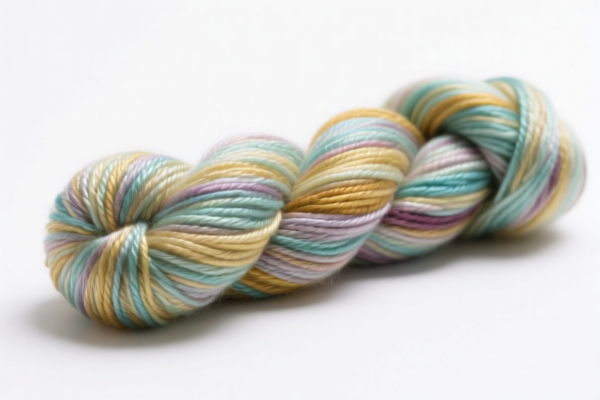
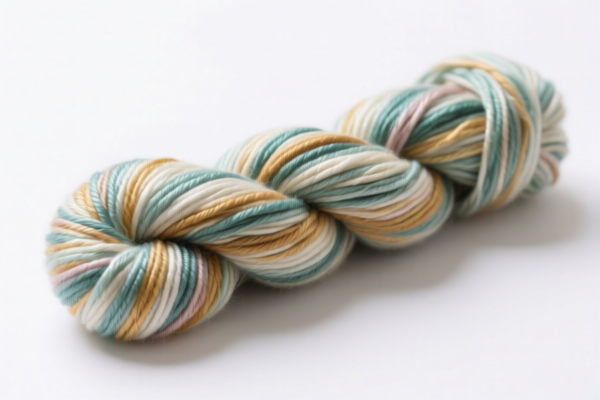
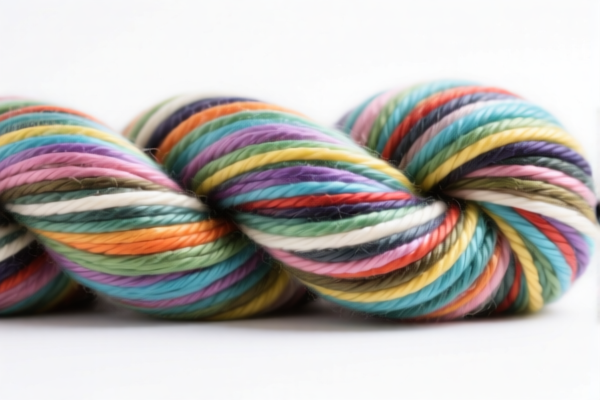
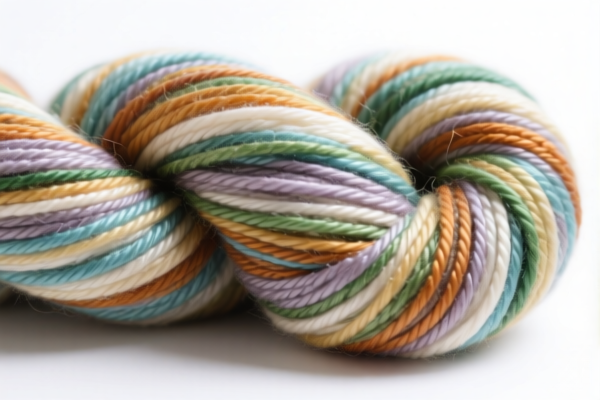
AI分析
🧵 Modified Acrylic Short Fiber Woven Fabric
🌐 HS Code Reference & Customs Clearance Guide | 2026 Latest Tariff Analysis | Professional Clearance Strategy
📌 I. Product Definition & Classification: Do You Really Understand "Modified Acrylic Short Fiber Fabric"?
Modified Acrylic Short Fiber Woven Fabric is a high-performance textile material made from man-made staple fibers (specifically modified acrylic/acrylonitrile) that have been spun, woven, and finished. In international trade, it is classified based on fiber content, form (staple vs. filament), and blending ratios.
⚠️ Key Classification Distinction:
- If the product is woven fabric made of modified acrylic short fibers →归入 5516.93.00.90
- If the product is yarn (not yet woven) →归入 5509 series
- If the product is raw fiber (not yet spun) →归入 5503.30.00.00
- If the product is filament yarn (not short fiber) →归入 5402.49.91.40
📦 II. HS Code Classification Details (2026 Latest Tariff Authority Reference)
| HS Code | Product Description | Application Scenario | Fiber Form | Blending? |
|---|---|---|---|---|
5516.93.00.90 |
Woven fabric of modified acrylic short fibers, not elsewhere specified | Apparel, upholstery, industrial fabrics | ✅ Short Fiber | Usually pure or minor blends |
5509.62.00.00 |
Yarn of modified acrylic short fibers, ≥85% by weight of acrylonitrile | Textile manufacturing, knitting, weaving prep | ✅ Short Fiber Yarn | ❌ Pure |
5509.61.00.00 |
Yarn of modified acrylic short fibers mixed with wool | Luxury textiles, wool-blend fabrics | ✅ Short Fiber Yarn | ✅ With Wool |
5503.30.00.00 |
Modified acrylic short fibers (staples) | Raw material for spinning mills | ✅ Raw Staple Fiber | ❌ Unspun |
5402.49.91.40 |
Modified acrylic filament yarn (monofilament <50 decitex) | High-strength industrial uses, specialty textiles | ❌ Filament (Not Short) | ❌ Pure |
🔍 Critical Reminder:
- "Short Fiber" (短纤) refers to fibers cut to staple lengths (typically 1–15 cm), spun into yarn before weaving.
- "Filament" (长丝) refers to continuous fibers, not spun from staples.
- Woven Fabric must be classified under Chapter 55 (if made from short fibers) or Chapter 54 (if made from filaments).
- Do not confuse yarn with fabric: Yarn (5509/5402) ≠ Fabric (5516).
💰 III. 2026 Latest Tariff Rate Breakdown (Including Additional Duties & Policy Surcharges)
✅ Applicable Country: United States (US)
✅ Origin: China (CN)
✅ Effective Date: From November 10, 2025 onwards (including subsequent imports)
🎯 1. 5516.93.00.90 —— Modified Acrylic Short Fiber Woven Fabric
| Item | Content |
|---|---|
| Base Tariff Rate | 8.5% (ad valorem) |
| Section 301 Additional Tariff | +25.0% |
| Section 122 Tariff | +10.0% |
| Total Tax Rate | 43.5% |
| Tax Calculation | CIF Value × 43.5% |
| De Minimis Exemption Eligible? | ❌ No (deny_de_minimis) |
| Legal Basis Path | USITC:5516.93.00.90 → FOOTNOTE:301 → FOOTNOTE:122 |
📌 Explanation:
- 8.5% base tariff is the standard MFN rate for modified acrylic woven fabric.
- 25% Section 301 tariff applies to all Chinese-origin textile products under specific headings.
- 10% Section 122 tariff is a recent national security-related surcharge on certain industrial materials.
- Total 43.5% is extremely high, requiring advance planning!
🎯 2. 5509.62.00.00 —— Modified Acrylic Short Fiber Yarn (Pure)
| Item | Content |
|---|---|
| Base Tariff Rate | 12.0% |
| Section 301 Additional Tariff | +25.0% |
| Section 122 Tariff | +10.0% |
| Total Tax Rate | 47.0% |
| Tax Calculation | CIF Value × 47.0% |
| De Minimis Exemption Eligible? | ❌ No |
| Legal Basis Path | USITC:5509.62.00.00 → FOOTNOTE:301 → FOOTNOTE:122 |
📌 Note:
- Higher base rate (12.0%) than woven fabric due to yarn being considered a semi-finished good.
- Same additional tariffs apply.
🎯 3. 5509.61.00.00 —— Modified Acrylic Short Fiber Yarn Mixed with Wool
| Item | Content |
|---|---|
| Base Tariff Rate | 13.2% |
| Section 301 Additional Tariff | +25.0% |
| Section 122 Tariff | +10.0% |
| Total Tax Rate | 48.2% |
| Tax Calculation | CIF Value × 48.2% |
| De Minimis Exemption Eligible? | ❌ No |
| Legal Basis Path | USITC:5509.61.00.00 → FOOTNOTE:301 → FOOTNOTE:122 |
📌 Note:
- Wool blends attract higher base tariffs due to protectionist policies for domestic wool industry.
- Highest total rate among the options.
🎯 4. 5503.30.00.00 —— Modified Acrylic Short Fibers (Raw Staples)
| Item | Content |
|---|---|
| Base Tariff Rate | 4.3% |
| Section 301 Additional Tariff | +25.0% |
| Section 122 Tariff | +10.0% |
| Total Tax Rate | 39.3% |
| Tax Calculation | CIF Value × 39.3% |
| De Minimis Exemption Eligible? | ❌ No |
| Legal Basis Path | USITC:5503.30.00.00 → FOOTNOTE:301 → FOOTNOTE:122 |
📌 Note:
- Lowest total rate because raw fibers have the lowest base tariff.
- Suitable if importing for further processing (spinning/weaving) domestically.
🎯 5. 5402.49.91.40 —— Modified Acrylic Filament Yarn (Monofilament)
| Item | Content |
|---|---|
| Base Tariff Rate | 8.0% |
| Section 301 Additional Tariff | +25.0% |
| Section 122 Tariff | +10.0% |
| Total Tax Rate | 43.0% |
| Tax Calculation | CIF Value × 43.0% |
| De Minimis Exemption Eligible? | ❌ No |
| Legal Basis Path | USITC:5402.49.91.40 → FOOTNOTE:301 → FOOTNOTE:122 |
📌 Note:
- Although classified under Chapter 54 (Filament), it is still subject to Section 301 and 122 surcharges.
- Not recommended for standard short fiber fabric production.
🛠️ IV. Customs Clearance Practical Advice (Battle-Tested Pitfall Avoidance Guide)
✅ 1. Required Documentation Checklist (None Can Be Omitted)
| Document | Mandatory? | Description |
|---|---|---|
| ✅ Product Specification Sheet | ✔️ | Includes fiber composition, weight, width, weave pattern, finish type |
| ✅ Fiber Test Report | ✔️ | Third-party lab report confirming "Modified Acrylic" composition |
| ✅ Product Photos (Including Label) | ✔️ | Clear shots of fabric roll, label, and any branding |
| ✅ Commercial Invoice | ✔️ | Must specify "Modified Acrylic Short Fiber Woven Fabric" |
| ✅ Packing List | ✔️ | Detail dimensions, weight, number of rolls/bales |
| ✅ Certificate of Origin (CO) | ✔️ | If not China-origin, may qualify for preferential treatment |
| ✅ Importer Security Filing (ISF) | ✔️ | Required for US imports 24 hours before loading |
✅ 2. Declaration Tips (Key Mantra)
🔥 "Fabric not yarn, fiber not filament, name precise, tax minimized!"
| Scenario | Correct Declaration | Wrong Practice |
|---|---|---|
| Woven fabric from short fibers | 5516.93.00.90 |
Misdeclare as yarn → 47%+ |
| Yarn from short fibers | 5509.62.00.00 |
Misdeclare as fabric → 43.5% |
| Raw short fibers | 5503.30.00.00 |
Misdeclare as yarn → 47% |
| Filament yarn | 5402.49.91.40 |
Misdeclare as short fiber → 43.5% |
✅ 3. Special Case Handling
| Scenario | Handling Advice |
|---|---|
| Custom-Dyed Fabric | Provide dye formula and color fastness test report to avoid misclassification as "plain" fabric |
| Blended Fabric (e.g., with Cotton) | If acrylic <85%, may fall under different subheading; provide blending ratio proof |
| OEM Orders | Provide customer PO and design specs to prevent "non-standard" classification issues |
| Industrial vs. Apparel Use | Use does not change HS Code, but may affect duty exemption applications (rare for textiles) |
🌍 V. Global Market Clearance Comparison (2026 Latest)
| Country/Region | Recommended HS Code | Tariff | Certification Requirements | Notes |
|---|---|---|---|---|
| 🇺🇸 United States | 5516.93.00.90 |
43.5% (China-origin) | N/A (Textiles generally no special certs) | Highest duty burden |
| 🇨🇳 China | 5516.93.00.90 |
8.5% | N/A | No additional surcharges |
| 🇪🇺 European Union | 5516.93.00.90 |
4.0–6.0% | REACH, OEKO-TEX | No Section 301/122 |
| 🇬🇧 United Kingdom | 5516.93.00.90 |
4.0–6.0% | UK REACH | Post-Brexit alignment with EU |
| 🇯🇵 Japan | 5516.93.00.90 |
3.5% | JIS Standards | Low base tariff |
| 🇦🇺 Australia | 5516.93.00.90 |
5.0% | ACCC Compliance | No surcharges |
📌 Conclusion:
- The US is the only major market imposing punitive surcharges (Section 301 + 122) on Chinese textiles.
- Chinese-origin modified acrylic fabric faces 43.5% total duty in the US, making supply chain diversification critical.
- Consider sourcing from Vietnam, Bangladesh, or India for US-bound shipments to avoid surcharges.
📌 VI. Common Errors & Pitfall Avoidance Guide (Lessons from Blood & Tears)
❌ Mistake 1: Declaring "Woven Fabric" when product is actually Yarn
👉 Consequence: Under-declaration → 47% vs 43.5% → Penalties + Back Taxes!
❌ Mistake 2: Declaring "Short Fiber" when product is Filament Yarn
👉 Consequence: Misclassification → 43.0% vs 43.5% → Possible audits + delays!
❌ Mistake 3: Failing to provide Fiber Composition Proof
👉 Consequence: Customs怀疑为棉或涤纶 → 误归类 → 补税+罚款!
❌ Mistake 4: Using vague terms like "Acrylic Fabric" without specifying "Modified" or "Short Fiber"
👉 Consequence: Customs may default to highest-duty category → Higher tax liability!
✅ Correct Declaration Example:
"Modified Acrylic Short Fiber Woven Fabric, 100% Modified Polyacrylonitrile, Weight: 200 GSM, Width: 150 cm, Plain Weave, For Apparel Use, Chinese Origin"
🎯 VII. Conclusion: Precise Classification Saves Costs!
🎯 Remember the Mantra:
🔹 "Fabric vs Yarn, Fiber vs Filament, Name Matters, Tax Changes!"
🔹 "HS Code Determines Destiny, 43.5% vs 8.5%, One Step Wrong, Bill Skyrockets!"
📌 Pro Tip:
If your product originates from Vietnam, Bangladesh, India, or Turkey, you may qualify for Section 301/122 Exemptions, reducing tariffs to 0–6%.
Recommendation: Apply for an Advance Ruling from US Customs and Border Protection (CBP) before shipment to mitigate classification risks.
📣 Take Action Now:
📞 Contact a Licensed Customs Broker + Provide Product Specs + Apply for HS Code Advance Ruling
🚀 Ensure Your Modified Acrylic Fabric Clears Customs Smoothly, Boosts Profits, and Stays Competitive!
✨ Professional Clearance Starts with Precise Classification!
💼 Every Penny of Cost Deserves Exact Calculation!
用户评价
关于 HS 编码归类
协调制度(HS)是由世界海关组织(WCO)制定的国际贸易商品分类标准。全球 200 多个国家采用 HS 系统作为海关关税、贸易统计和进出口监管的基础。
每个 HS 编码遵循以下层级结构:
- 章(2 位)——商品大类(例如:第 84 章:机器和机械设备)
- 品目(4 位)——章内的更具体分类
- 子目(6 位)——国际通用细分,所有 WCO 成员国统一使用
- 本国细分(8-10 位)——各国自行扩展的细分编码,如美国 HTSUS 10 位编码
正确的 HS 编码归类对于顺利通关、准确缴纳关税和遵守贸易法规至关重要。错误归类可能导致海关延误、多缴关税或罚款。
从CN进口到US时,适用的关税税率可能包括:
- 最惠国(MFN)税率——适用于 WTO 成员国的标准关税税率
- 普通税率——适用于无贸易协定国家
- 贸易救济关税——附加关税,如 301 条款(反倾销)、232 条款(国家安全)或反补贴税
本页内容仅供参考。如需正式归类,请咨询当地海关或持牌报关代理。