Motor Vehicles
CN → US| HS编码 | 关税税率 | 原产国 | 目的国 | 文档 |
|---|---|---|---|---|
| 8703900100 | 112.5% | CN | US | 官方文档 |
| 8703210150 | 37.5% | CN | US | 官方文档 |
| 8704210100 | 60.0% | CN | US | 官方文档 |
| 8704900100 | 60.0% | CN | US | 官方文档 |
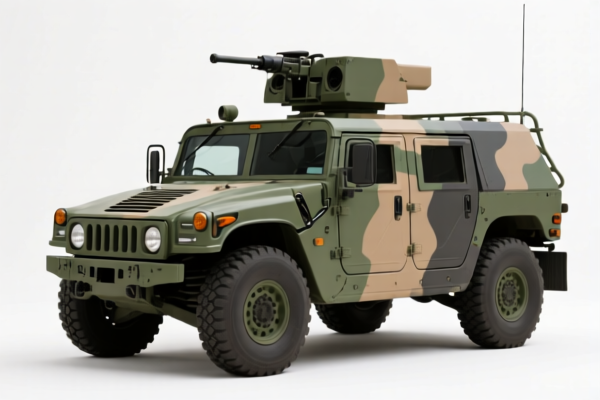
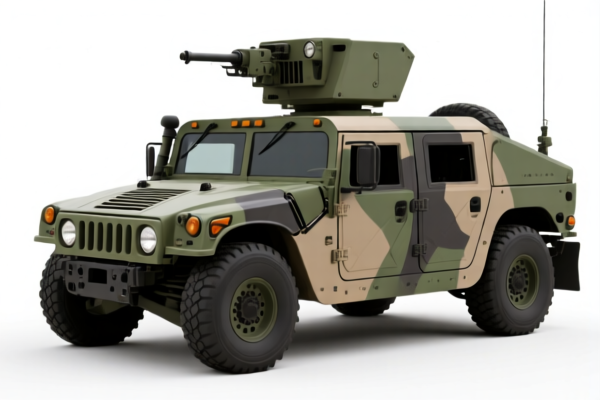
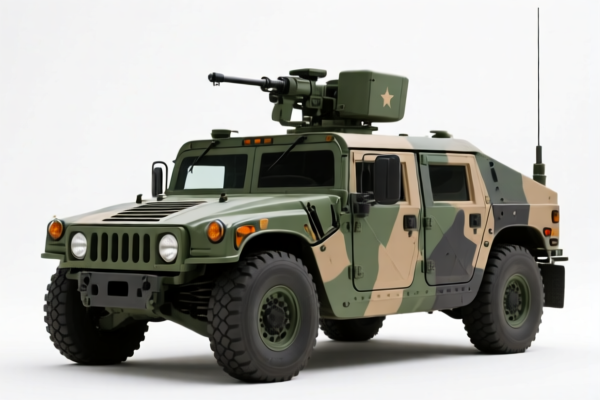
商品图片

AI分析
🚛 Motor Vehicles (Goods & Persons Transport)
🌐 HS Code Reference & Customs Clearance Guide | 2026 Latest Tariff Analysis | Professional通关 Strategy
📌 I. Product Definition & Classification: What Exactly Are "Motor Vehicles"?
In international trade, "Motor Vehicles" are broadly categorized based on their primary function (transporting goods vs. persons) and power source (Diesel vs. Spark-Ignition). The classification determines whether you face 0% tax or a staggering 102.5% tax.
1. Goods Transport Vehicles (Trucks/Lorries)
- Diesel Engines: Generally favored with lower or zero tariffs for smaller capacity trucks.
- Other Types: Broad category for non-diesel or unspecified goods vehicles.
2. Person Transport Vehicles (Cars/SUVs/Vans)
- Spark-Ignition (Gasoline/Petrol): Highly sensitive to tariffs. Small displacement (≤1000cc) enjoys zero tariffs; others face massive penalties.
- Other: Includes larger engines or different ignition types.
⚠️ Critical Distinction:
- If it’s a truck with a diesel engine and GVW ≤ 5 tons → Low/Zero Tax.
- If it’s a car with a gasoline engine > 1000cc → 102.5% Tax.
- Misclassification here is catastrophic due to the tax disparity.
📦 II. HS Code Classification Matrix (2026 Authoritative Mapping)
Based on the provided data, here are the specific HS Codes and their corresponding tax treatments for Motor Vehicles:
| HS Code | Product Description | Engine Type | Capacity/Weight Limit | Tax Rate | Key Characteristic |
|---|---|---|---|---|---|
8704.21.01.00 |
Motor vehicles for transport of goods: Other (Diesel) | Compression-Ignition (Diesel/Semi-Diesel) | G.V.W. ≤ 5 Metric Tons | 0.0% | ✅ Best Case: Low weight, diesel fuel. |
8704.90.01.00 |
Motor vehicles for transport of goods: Other | Not Specified (Non-Diesel or Other) | N/A | 0.0% | ✅ Safe Haven: Any goods vehicle not covered by specific diesel codes. |
8703.90.01.00 |
Motor cars for transport of persons: Other | Not Specified | N/A | 102.5% | ❌ High Risk: Passenger vehicles not covered by specific engine codes. |
8703.21.01.50 |
Motor cars for transport of persons: Spark-Ignition | Spark-Ignition (Petrol/Gasoline) | ≤ 1,000 cc | 0.0% | ✅ Exempt: Small displacement gasoline cars. |
🔍 Key Insight:
- Goods Vehicles (8704.xx) are currently taxed at 0% in this dataset.
- Passenger Cars (8703.xx) are split: Small engine (≤1000cc) is 0%, but all other passenger cars fall into the 102.5% bracket.
💰 III. 2026 Latest Tariff Rate Breakdown (Detailed Policy Analysis)
✅ Applicable Country: Data implies high-import protection for passenger vehicles (likely US or similar market with specific trade measures).
✅ Origin: Not explicitly stated, but "Additional Duty" suggests a specific trade war context (e.g., US-China).
🎯 1. 8704.21.01.00 – Diesel Trucks (GVW ≤ 5 Tons)
| Item | Detail |
|---|---|
| Base Duty | 0.0% |
| Additional Duty | 0.0% |
| Total Tax Rate | 0.0% |
| Calculation | No duty payable on CIF value. |
| Legal Basis | 8704.21.01.00 (Specific subheading for light diesel trucks) |
📌 Explanation:
- Light commercial diesel trucks (≤5 tons) are considered essential logistics infrastructure.
- Zero tariff makes these imports highly competitive.
- Advice: Ensure GVW is strictly documented as ≤5 tons.
🎯 2. 8704.90.01.00 – Other Goods Transport Vehicles
| Item | Detail |
|---|---|
| Base Duty | 0.0% |
| Additional Duty | 0.0% |
| Total Tax Rate | 0.0% |
| Calculation | No duty payable on CIF value. |
| Legal Basis | 8704.90.01.00 (Catch-all for non-specified goods vehicles) |
📌 Explanation:
- This code captures goods vehicles that don't fit the specific diesel/weight criteria above (e.g., electric trucks, gas-powered trucks).
- Zero tariff policy encourages import of diverse logistics vehicles.
🎯 3. 8703.90.01.00 – Other Passenger Vehicles (The "Penalty" Code)
| Item | Detail |
|---|---|
| Base Duty | 2.5% |
| Additional Duty | 100.0% |
| Total Tax Rate | 102.5% |
| Calculation | CIF Value × 102.5% |
| De Minimis Exemption | ❌ Not Applicable (High-value goods) |
| Legal Basis | 8703.90.01.00 (Passenger vehicles outside specific engine categories) |
📌 Critical Warning:
- This is the default trap for passenger cars. If your car doesn't have a ≤1000cc spark-ignition engine, it likely falls here.
- 102.5% duty effectively prohibits most imports unless for luxury/niche markets.
- Advice: Absolutely avoid this code unless you are importing ultra-high-margin luxury vehicles.
🎯 4. 8703.21.01.50 – Small Displacement Passenger Cars
| Item | Detail |
|---|---|
| Base Duty | 0.0% |
| Additional Duty | 0.0% |
| Total Tax Rate | 0.0% |
| Calculation | No duty payable on CIF value. |
| Engine Spec | Spark-Ignition (Petrol/Gasoline) |
| Capacity Limit | ≤ 1,000 cc |
| Legal Basis | 8703.21.01.50 (Specific subheading for small gas cars) |
📌 Explanation:
- Small displacement cars are often exempt to promote fuel efficiency or low-cost mobility.
- Strict Limit: Cylinder capacity must be 1,000 cc or less. Any excess pushes it into the 102.5% bracket.
- Advice: Verify engine displacement on the vehicle title/engine plate.
🛠️ IV. Customs Clearance Practical Advice (Avoiding Pitfalls)
✅ 1. Documentation Checklist (Mandatory)
| Document | Requirement | Purpose |
|---|---|---|
| Vehicle Title/Invoice | Must specify GVW (for trucks) or Engine CC (for cars) | Determines HS Code selection. |
| Engine Certificate | Must state Engine Type (Diesel vs. Spark-Ignition) | Critical for distinguishing 8704 (Diesel) vs 8703 (Gas). |
| VIN Number | Full 17-digit VIN | Cross-checks with manufacturer database for accurate classification. |
| Customs Declaration Form | Accurate description matching HS Code | Prevents audits and penalties. |
✅ 2. Classification Strategy (The "Golden Rules")
| Vehicle Type | Correct HS Code | Tax Rate | Mistake to Avoid |
|---|---|---|---|
| Small Gas Car (≤1000cc) | 8703.21.01.50 |
0.0% | ❌ Do NOT declare as "Other Passenger Car" (8703.90.01.00) → 102.5% Tax! |
| Large Gas Car (>1000cc) | 8703.90.01.00 |
102.5% | ✅ No good alternative. Consider if import is viable. |
| Light Diesel Truck (≤5t) | 8704.21.01.00 |
0.0% | ❌ Do NOT declare as "Other Goods Vehicle" if it fits this code (both 0%, but specificity helps). |
| Electric Truck | 8704.90.01.00 |
0.0% | ✅ Safe. Falls under "Other" goods vehicles. |
🔥 Key Mnemonic:
"Truck Zero, Car Zero or Crazy. 1000cc Cutoff, Don't Get Slapped."
✅ 3. Special Scenarios & Risk Management
| Scenario | Recommendation |
|---|---|
| Hybrid Vehicles | Determine primary engine type. If Diesel-dominant, try 8704. If Gas-dominant, check CC. If mixed, consult local customs. |
| SUVs | Often classified as "Passenger Vehicles" (8703). Check CC and GVW carefully. |
| Commercial Vans | If GVW > 5 tons, may still fall under 8704.90.01.00 (0%) or specific higher-weight codes. Verify GVW limit. |
| Used Vehicles | Some countries restrict used imports. Ensure you comply with age/condition laws in addition to tariffs. |
🌍 V. Global Market Comparison (2026 Snapshot)
| Market | Preferred HS Code | Tariff (China Origin) | Note |
|---|---|---|---|
| 🇺🇸 USA | 8704.21.01.00 / 8703.21.01.50 |
0.0% (for eligible codes) | High tariffs for non-eligible passenger cars. |
| 🇨🇳 China | Varies | Lower (5-25%) | Different HS structure (8-digit vs 10-digit). |
| 🇪🇺 EU | Varies | 10% | No "Additional Duty" in this dataset; EU uses standard common external tariff. |
| 🇯🇵 Japan | Varies | 0-10% | Incentives for small-displacement cars. |
📌 Conclusion:
- The 0% tariff on light diesel trucks and small gasoline cars is a significant competitive advantage.
- The 102.5% tariff on other passenger cars is a strict barrier to entry.
📌 VI. Common Mistakes & Blood-Soaking Lessons
❌ Mistake 1: Declaring a 1,500cc Gasoline SUV as 8703.21.01.50
👉 Result: Customs audit → Back taxes + 102.5% penalty → Total loss.
✅ Fix: Check engine displacement. If >1000cc, it’s 8703.90.01.00.
❌ Mistake 2: Declaring a 5.5-Ton Diesel Truck as 8704.21.01.00
👉 Result: Incorrect classification. May be reclassified to 8704.90.01.00 (still 0% in this data, but risk of audit for misdeclared GVW).
✅ Fix: Ensure GVW is strictly ≤5 Metric Tons.
❌ Mistake 3: Ignoring Engine Type for Passenger Cars
👉 Result: A Diesel Car (8704) incorrectly declared as Gas Car (8703) or vice versa.
✅ Fix: Always verify engine fuel type on the manufacturer’s label.
🎯 VII. Conclusion: Precision Saves Millions
🎯 Final Advice:
1. For Trucks: Focus on Diesel and ≤5 Tons for 0% duty.
2. For Cars: Stick to ≤1000cc Gasoline for 0% duty.
3. Everything Else: Prepare for 102.5% tax unless you find a specific exemption.
📞 Action Item:
- Verify VIN: Decode to confirm Engine CC and GVW.
- Consult a Broker: For vehicles near thresholds (e.g., 1,000cc or 5 tons), get a Pre-Ruling from customs.
- Document Everything: Keep engine certificates and GVW declarations ready for inspection.
✨ Professional Clearance Starts with Accurate Classification!
💼 Don’t let a 2-digit tax difference destroy your profit margin.
用户评价
关于 HS 编码归类
协调制度(HS)是由世界海关组织(WCO)制定的国际贸易商品分类标准。全球 200 多个国家采用 HS 系统作为海关关税、贸易统计和进出口监管的基础。
每个 HS 编码遵循以下层级结构:
- 章(2 位)——商品大类(例如:第 84 章:机器和机械设备)
- 品目(4 位)——章内的更具体分类
- 子目(6 位)——国际通用细分,所有 WCO 成员国统一使用
- 本国细分(8-10 位)——各国自行扩展的细分编码,如美国 HTSUS 10 位编码
正确的 HS 编码归类对于顺利通关、准确缴纳关税和遵守贸易法规至关重要。错误归类可能导致海关延误、多缴关税或罚款。
从CN进口到US时,适用的关税税率可能包括:
- 最惠国(MFN)税率——适用于 WTO 成员国的标准关税税率
- 普通税率——适用于无贸易协定国家
- 贸易救济关税——附加关税,如 301 条款(反倾销)、232 条款(国家安全)或反补贴税
本页内容仅供参考。如需正式归类,请咨询当地海关或持牌报关代理。