Motor Vehicles
CN → US| HS Code | Tariff Rate | Origin | Destination | Doc |
|---|---|---|---|---|
| 8703900100 | 112.5% | CN | US | Official Doc |
| 8703210150 | 37.5% | CN | US | Official Doc |
| 8704210100 | 60.0% | CN | US | Official Doc |
| 8704900100 | 60.0% | CN | US | Official Doc |
Product Images
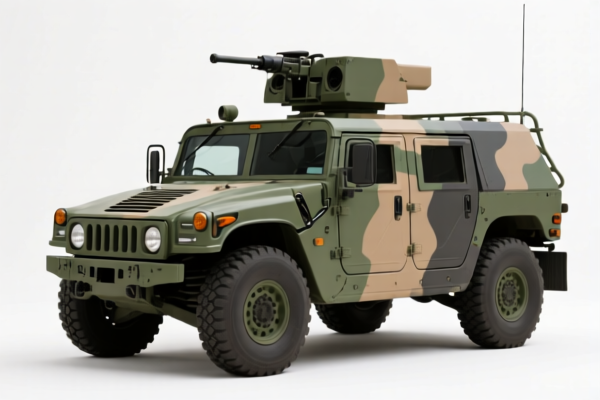
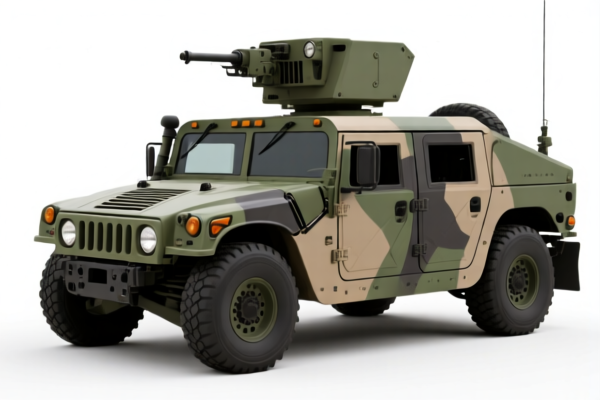
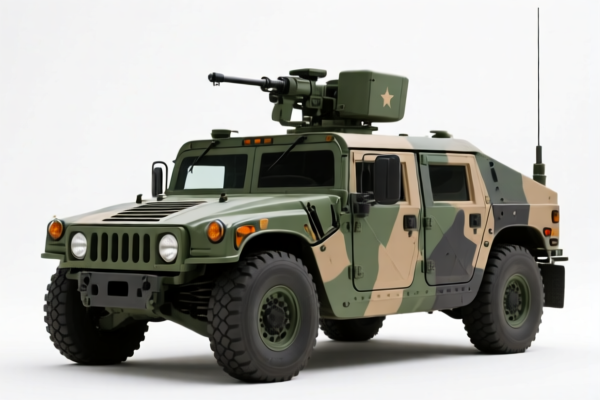

AI Analysis
🚛 Motor Vehicles (Goods & Persons Transport)
🌐 HS Code Reference & Customs Clearance Guide | 2026 Latest Tariff Analysis | Professional通关 Strategy
📌 I. Product Definition & Classification: What Exactly Are "Motor Vehicles"?
In international trade, "Motor Vehicles" are broadly categorized based on their primary function (transporting goods vs. persons) and power source (Diesel vs. Spark-Ignition). The classification determines whether you face 0% tax or a staggering 102.5% tax.
1. Goods Transport Vehicles (Trucks/Lorries)
- Diesel Engines: Generally favored with lower or zero tariffs for smaller capacity trucks.
- Other Types: Broad category for non-diesel or unspecified goods vehicles.
2. Person Transport Vehicles (Cars/SUVs/Vans)
- Spark-Ignition (Gasoline/Petrol): Highly sensitive to tariffs. Small displacement (≤1000cc) enjoys zero tariffs; others face massive penalties.
- Other: Includes larger engines or different ignition types.
⚠️ Critical Distinction:
- If it’s a truck with a diesel engine and GVW ≤ 5 tons → Low/Zero Tax.
- If it’s a car with a gasoline engine > 1000cc → 102.5% Tax.
- Misclassification here is catastrophic due to the tax disparity.
📦 II. HS Code Classification Matrix (2026 Authoritative Mapping)
Based on the provided data, here are the specific HS Codes and their corresponding tax treatments for Motor Vehicles:
| HS Code | Product Description | Engine Type | Capacity/Weight Limit | Tax Rate | Key Characteristic |
|---|---|---|---|---|---|
8704.21.01.00 |
Motor vehicles for transport of goods: Other (Diesel) | Compression-Ignition (Diesel/Semi-Diesel) | G.V.W. ≤ 5 Metric Tons | 0.0% | ✅ Best Case: Low weight, diesel fuel. |
8704.90.01.00 |
Motor vehicles for transport of goods: Other | Not Specified (Non-Diesel or Other) | N/A | 0.0% | ✅ Safe Haven: Any goods vehicle not covered by specific diesel codes. |
8703.90.01.00 |
Motor cars for transport of persons: Other | Not Specified | N/A | 102.5% | ❌ High Risk: Passenger vehicles not covered by specific engine codes. |
8703.21.01.50 |
Motor cars for transport of persons: Spark-Ignition | Spark-Ignition (Petrol/Gasoline) | ≤ 1,000 cc | 0.0% | ✅ Exempt: Small displacement gasoline cars. |
🔍 Key Insight:
- Goods Vehicles (8704.xx) are currently taxed at 0% in this dataset.
- Passenger Cars (8703.xx) are split: Small engine (≤1000cc) is 0%, but all other passenger cars fall into the 102.5% bracket.
💰 III. 2026 Latest Tariff Rate Breakdown (Detailed Policy Analysis)
✅ Applicable Country: Data implies high-import protection for passenger vehicles (likely US or similar market with specific trade measures).
✅ Origin: Not explicitly stated, but "Additional Duty" suggests a specific trade war context (e.g., US-China).
🎯 1. 8704.21.01.00 – Diesel Trucks (GVW ≤ 5 Tons)
| Item | Detail |
|---|---|
| Base Duty | 0.0% |
| Additional Duty | 0.0% |
| Total Tax Rate | 0.0% |
| Calculation | No duty payable on CIF value. |
| Legal Basis | 8704.21.01.00 (Specific subheading for light diesel trucks) |
📌 Explanation:
- Light commercial diesel trucks (≤5 tons) are considered essential logistics infrastructure.
- Zero tariff makes these imports highly competitive.
- Advice: Ensure GVW is strictly documented as ≤5 tons.
🎯 2. 8704.90.01.00 – Other Goods Transport Vehicles
| Item | Detail |
|---|---|
| Base Duty | 0.0% |
| Additional Duty | 0.0% |
| Total Tax Rate | 0.0% |
| Calculation | No duty payable on CIF value. |
| Legal Basis | 8704.90.01.00 (Catch-all for non-specified goods vehicles) |
📌 Explanation:
- This code captures goods vehicles that don't fit the specific diesel/weight criteria above (e.g., electric trucks, gas-powered trucks).
- Zero tariff policy encourages import of diverse logistics vehicles.
🎯 3. 8703.90.01.00 – Other Passenger Vehicles (The "Penalty" Code)
| Item | Detail |
|---|---|
| Base Duty | 2.5% |
| Additional Duty | 100.0% |
| Total Tax Rate | 102.5% |
| Calculation | CIF Value × 102.5% |
| De Minimis Exemption | ❌ Not Applicable (High-value goods) |
| Legal Basis | 8703.90.01.00 (Passenger vehicles outside specific engine categories) |
📌 Critical Warning:
- This is the default trap for passenger cars. If your car doesn't have a ≤1000cc spark-ignition engine, it likely falls here.
- 102.5% duty effectively prohibits most imports unless for luxury/niche markets.
- Advice: Absolutely avoid this code unless you are importing ultra-high-margin luxury vehicles.
🎯 4. 8703.21.01.50 – Small Displacement Passenger Cars
| Item | Detail |
|---|---|
| Base Duty | 0.0% |
| Additional Duty | 0.0% |
| Total Tax Rate | 0.0% |
| Calculation | No duty payable on CIF value. |
| Engine Spec | Spark-Ignition (Petrol/Gasoline) |
| Capacity Limit | ≤ 1,000 cc |
| Legal Basis | 8703.21.01.50 (Specific subheading for small gas cars) |
📌 Explanation:
- Small displacement cars are often exempt to promote fuel efficiency or low-cost mobility.
- Strict Limit: Cylinder capacity must be 1,000 cc or less. Any excess pushes it into the 102.5% bracket.
- Advice: Verify engine displacement on the vehicle title/engine plate.
🛠️ IV. Customs Clearance Practical Advice (Avoiding Pitfalls)
✅ 1. Documentation Checklist (Mandatory)
| Document | Requirement | Purpose |
|---|---|---|
| Vehicle Title/Invoice | Must specify GVW (for trucks) or Engine CC (for cars) | Determines HS Code selection. |
| Engine Certificate | Must state Engine Type (Diesel vs. Spark-Ignition) | Critical for distinguishing 8704 (Diesel) vs 8703 (Gas). |
| VIN Number | Full 17-digit VIN | Cross-checks with manufacturer database for accurate classification. |
| Customs Declaration Form | Accurate description matching HS Code | Prevents audits and penalties. |
✅ 2. Classification Strategy (The "Golden Rules")
| Vehicle Type | Correct HS Code | Tax Rate | Mistake to Avoid |
|---|---|---|---|
| Small Gas Car (≤1000cc) | 8703.21.01.50 |
0.0% | ❌ Do NOT declare as "Other Passenger Car" (8703.90.01.00) → 102.5% Tax! |
| Large Gas Car (>1000cc) | 8703.90.01.00 |
102.5% | ✅ No good alternative. Consider if import is viable. |
| Light Diesel Truck (≤5t) | 8704.21.01.00 |
0.0% | ❌ Do NOT declare as "Other Goods Vehicle" if it fits this code (both 0%, but specificity helps). |
| Electric Truck | 8704.90.01.00 |
0.0% | ✅ Safe. Falls under "Other" goods vehicles. |
🔥 Key Mnemonic:
"Truck Zero, Car Zero or Crazy. 1000cc Cutoff, Don't Get Slapped."
✅ 3. Special Scenarios & Risk Management
| Scenario | Recommendation |
|---|---|
| Hybrid Vehicles | Determine primary engine type. If Diesel-dominant, try 8704. If Gas-dominant, check CC. If mixed, consult local customs. |
| SUVs | Often classified as "Passenger Vehicles" (8703). Check CC and GVW carefully. |
| Commercial Vans | If GVW > 5 tons, may still fall under 8704.90.01.00 (0%) or specific higher-weight codes. Verify GVW limit. |
| Used Vehicles | Some countries restrict used imports. Ensure you comply with age/condition laws in addition to tariffs. |
🌍 V. Global Market Comparison (2026 Snapshot)
| Market | Preferred HS Code | Tariff (China Origin) | Note |
|---|---|---|---|
| 🇺🇸 USA | 8704.21.01.00 / 8703.21.01.50 |
0.0% (for eligible codes) | High tariffs for non-eligible passenger cars. |
| 🇨🇳 China | Varies | Lower (5-25%) | Different HS structure (8-digit vs 10-digit). |
| 🇪🇺 EU | Varies | 10% | No "Additional Duty" in this dataset; EU uses standard common external tariff. |
| 🇯🇵 Japan | Varies | 0-10% | Incentives for small-displacement cars. |
📌 Conclusion:
- The 0% tariff on light diesel trucks and small gasoline cars is a significant competitive advantage.
- The 102.5% tariff on other passenger cars is a strict barrier to entry.
📌 VI. Common Mistakes & Blood-Soaking Lessons
❌ Mistake 1: Declaring a 1,500cc Gasoline SUV as 8703.21.01.50
👉 Result: Customs audit → Back taxes + 102.5% penalty → Total loss.
✅ Fix: Check engine displacement. If >1000cc, it’s 8703.90.01.00.
❌ Mistake 2: Declaring a 5.5-Ton Diesel Truck as 8704.21.01.00
👉 Result: Incorrect classification. May be reclassified to 8704.90.01.00 (still 0% in this data, but risk of audit for misdeclared GVW).
✅ Fix: Ensure GVW is strictly ≤5 Metric Tons.
❌ Mistake 3: Ignoring Engine Type for Passenger Cars
👉 Result: A Diesel Car (8704) incorrectly declared as Gas Car (8703) or vice versa.
✅ Fix: Always verify engine fuel type on the manufacturer’s label.
🎯 VII. Conclusion: Precision Saves Millions
🎯 Final Advice:
1. For Trucks: Focus on Diesel and ≤5 Tons for 0% duty.
2. For Cars: Stick to ≤1000cc Gasoline for 0% duty.
3. Everything Else: Prepare for 102.5% tax unless you find a specific exemption.
📞 Action Item:
- Verify VIN: Decode to confirm Engine CC and GVW.
- Consult a Broker: For vehicles near thresholds (e.g., 1,000cc or 5 tons), get a Pre-Ruling from customs.
- Document Everything: Keep engine certificates and GVW declarations ready for inspection.
✨ Professional Clearance Starts with Accurate Classification!
💼 Don’t let a 2-digit tax difference destroy your profit margin.
Customer Reviews
About HS Code Classification
The Harmonized System (HS) is an internationally standardized nomenclature developed by the World Customs Organization (WCO) to classify traded products. Over 200 countries use the HS system as the basis for customs tariffs, trade statistics, and import/export regulations.
Each HS code follows a hierarchical structure:
- Chapter (2 digits) — Broad category of goods (e.g., Chapter 84: Machinery and Mechanical Appliances)
- Heading (4 digits) — More specific grouping within the chapter
- Subheading (6 digits) — Internationally standardized breakdown, used by all WCO member countries
- National subdivisions (8-10 digits) — Country-specific extensions for further classification, such as US HTSUS 10-digit codes
Correct HS code classification is essential for smooth customs clearance, accurate duty payment, and compliance with trade regulations. Misclassification can lead to customs delays, overpayment of duties, or penalties.
When importing from CN to US, the applicable tariff rates may include:
- Most-Favored-Nation (MFN) rate — The standard duty rate applied to WTO members
- General rate — Applied to countries without trade agreements
- Trade remedy duties — Additional tariffs such as Section 301 (anti-dumping), Section 232 (national security), or countervailing duties
The information provided on this page is for reference purposes only. For official classification, please consult with your local customs authority or a licensed customs broker.