NFC Tag
CN → US| HS编码 | 关税税率 | 原产国 | 目的国 | 文档 |
|---|---|---|---|---|
| 3926100000 | 15.3% | CN | US | 官方文档 |
| 8523510000 | 17.5% | CN | US | 官方文档 |
| 8523520090 | 17.5% | CN | US | 官方文档 |
| 3926904800 | 13.4% | CN | US | 官方文档 |
| 3919905060 | 40.8% | CN | US | 官方文档 |
商品图片
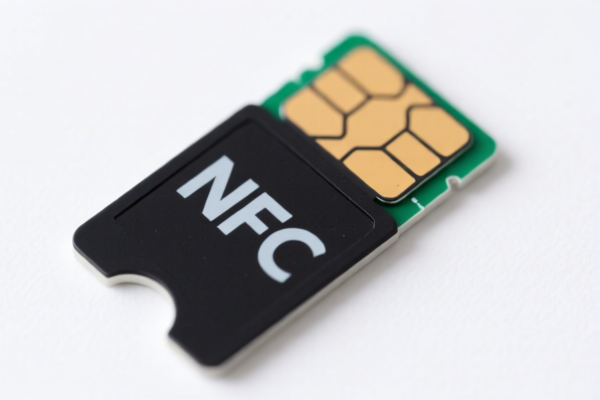
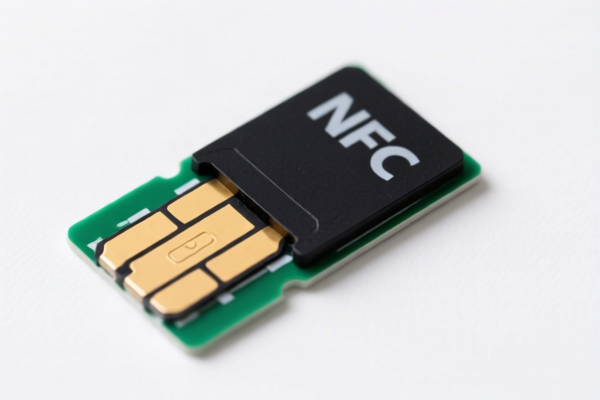
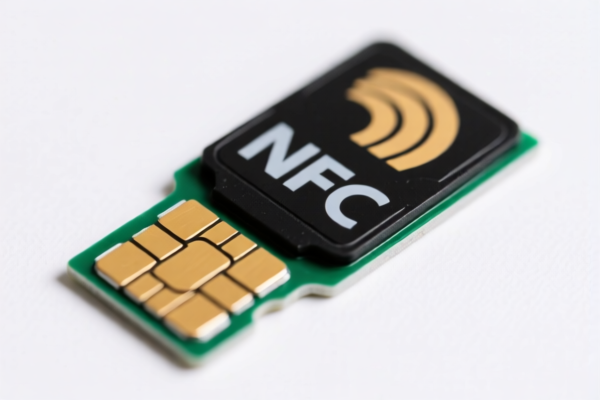
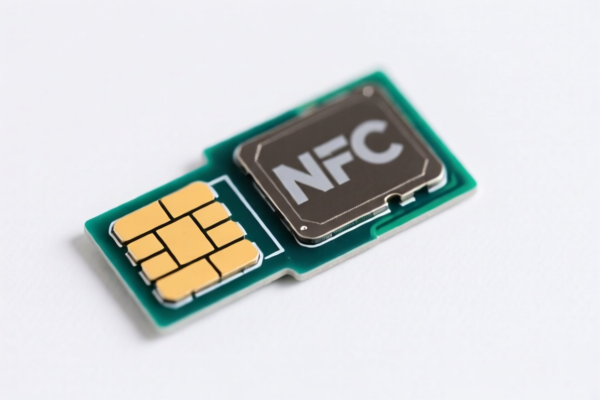
AI分析
🏷️ NFC Tag (Near Field Communication Tags)
🌐 HS Code Reference & Customs Clearance Guide | 2026 Latest Tariff Full Analysis | Professional Clearance Strategy
📌 I. Product Definition & Classification: What Exactly is an “NFC Tag”?
An NFC Tag is a tiny, passive radio-frequency identification (RFID) device that stores data and communicates with readers via near-field electromagnetic induction. In international trade, their classification often hinges on function vs. material:
Functional Classification (Electronic Media):
If the core value lies in the chip and antenna enabling data storage/transfer (smart card functionality), it falls under Chapter 85.
Material Classification (Plastic/Label):
If viewed primarily as a plastic label, sticker, or promotional item where the electronic component is incidental or negligible, it falls under Chapter 39.
⚠️ Key Distinction:
- If the product is marketed as a “Smart Card” or “Data Storage Medium” with active RF functionality → HS 8523
- If the product is marketed as a “Plastic Sticker” or “Label” for branding, with minimal technical specs → HS 3926 or 3919
📦 II. HS Code Classification Details (2026 Latest Tariff Authority Comparison)
| HS Code | Product Description | Applicable Scenario | Electronic Core? |
|---|---|---|---|
8523.51.00.00 |
Smart cards and other media for recording phenomena, containing a magnetic track or similar device | NFC stickers functioning as smart media; core function is wireless RF identification | ✅ Yes (Chip + Antenna) |
8523.52.00.90 |
Smart cards and other media (not specifically provided for); containing a semiconductor memory or similar device | NFC stickers categorized under broader electronic media; thin-film/medium structure | ✅ Yes (Chip + Antenna) |
3926.10.00.00 |
Office supplies and other articles of plastics | Plausible if viewed as plastic office/branding items; no material conflict with plastic/film | ❌ No (De-emphasized electronics) |
3926.90.48.00 |
Other articles of plastics; composite/plastic materials | Inferred as plastic/composite labels/stickers; fits "other plastic articles" | ❌ No (De-emphasized electronics) |
3919.90.50.60 |
Self-adhesive plates, sheets, film, etc. | Sticker form factor; flat shape, self-adhesive, plastic substrate | ❌ No (De-emphasized electronics) |
🔍 Critical Reminder:
- Functional Intent Matters: Customs officials will look at marketing materials, packaging, and declared purpose. If it says “Smart Label” or “Data Tag,” expect Chapter 85. If it says “Promotional Sticker,” expect Chapter 39.
- Misclassification Risk: Declaring an NFC tag as a simple plastic sticker (HS 3919) when it has a complex chip may trigger scrutiny for undervaluation of technical features.
💰 III. 2026 Latest Tariff Rate Breakdown (Including Surcharges, Policy Add-ons)
✅ Applicable Country: United States (US)
✅ Country of Origin: China (CN)
✅ Effective Date: From November 10, 2025 (including subsequent imports)
🎯 1. 8523.51.00.00 —— Smart Cards & Recording Media (NFC as Electronic Media)
| Item | Content |
|---|---|
| Basic Tariff | 0% (ad valorem) |
| Section 301 Surcharge | +7.5% |
| Section 122 Tariff | +10% (Specific policy surcharge) |
| Total Tariff Rate | 17.5% |
| Tax Calculation | CIF Value × 17.5% |
| De Minimis Eligibility | ❌ Not Eligible (Section 301 and 122 typically deny de minimis for China-origin goods) |
| Legal Basis Path | USITC:8523.51.00.00 → Section 301: 7.5% → Section 122: 10% |
📌 Explanation:
- The 7.5% comes from the USITC Section 301 list for specific electronic components/media.
- The 10% is a Section 122 tariff applied to certain imports from China.
- Total 17.5% is moderate but significant for low-cost items, impacting margins.
🎯 2. 8523.52.00.90 —— Other Smart Cards/Media (Broad Electronic Category)
| Item | Content |
|---|---|
| Basic Tariff | 0% |
| Section 301 Surcharge | +7.5% |
| Section 122 Tariff | +10% |
| Total Tariff Rate | 17.5% |
| Tax Calculation | CIF Value × 17.5% |
| De Minimis Eligibility | ❌ Not Eligible |
| Legal Basis Path | USITC:8523.52.00.90 → Section 301: 7.5% → Section 122: 10% |
📌 Note:
- Identical tariff structure to8523.51.00.00.
- Used when the specific recording medium description of 8523.51 doesn’t perfectly fit, but the electronic medium nature remains dominant.
🎯 3. 3926.10.00.00 —— Plastic Office Supplies/Other Plastic Articles
| Item | Content |
|---|---|
| Basic Tariff | 5.3% |
| Section 301 Surcharge | 0% |
| Section 122 Tariff | +10% |
| Total Tariff Rate | 15.3% |
| Tax Calculation | CIF Value × 15.3% |
| De Minimis Eligibility | ❌ Not Eligible (Section 122 applies) |
| Legal Basis Path | USITC:3926.10.00.00 → Section 122: 10% |
📌 Explanation:
- If cleared as a plastic item (office supply), the basic duty is higher (5.3%) but no Section 301 applies.
- Section 122 still adds 10%.
- Total 15.3% is lower than the electronic classification (17.5%).
- Risk: Customs may reclassify if they deem the electronic function primary.
🎯 4. 3926.90.48.00 —— Other Plastic Articles (Composite/Label)
| Item | Content |
|---|---|
| Basic Tariff | 3.4% |
| Section 301 Surcharge | 0% |
| Section 122 Tariff | +10% |
| Total Tariff Rate | 13.4% |
| Tax Calculation | CIF Value × 13.4% |
| De Minimis Eligibility | ❌ Not Eligible |
| Legal Basis Path | USITC:3926.90.48.00 → Section 122: 10% |
📌 Explanation:
- This is the lowest tariff among the options.
- Applicable if the NFC tag is treated as a composite plastic label without emphasizing its smart card function.
- High Risk: Requires strong justification that the item is primarily a plastic article.
🎯 5. 3919.90.50.60 —— Self-Adhesive Stickers (Plastic Substrate)
| Item | Content |
|---|---|
| Basic Tariff | 5.8% |
| Section 301 Surcharge | +25.0% |
| Section 122 Tariff | +10% |
| Total Tariff Rate | 40.8% |
| Tax Calculation | CIF Value × 40.8% |
| De Minimis Eligibility | ❌ Not Eligible |
| Legal Basis Path | USITC:3919.90.50.60 → Section 301: 25% → Section 122: 10% |
📌 Warning:
- This is the highest tariff.
- Self-adhesive products from China are heavily targeted by Section 301 (25%).
- Avoid this classification unless absolutely necessary; it is financially detrimental.
🛠️ IV. Customs Clearance Practical Advice (Real-World Pitfall Avoidance)
✅ 1. Documentation Checklist (Must-Haves)
| Document | Required | Description |
|---|---|---|
| ✅ Product Specification Sheet | ✔️ | Must detail dimensions, chip type (e.g., NTAG213), read/write range, and marketing purpose. |
| ✅ Product Photos (Labeled) | ✔️ | Clear images showing the sticker, any QR codes, branding, and backside adhesive layer. |
| ✅ Commercial Invoice | ✔️ | Crucial: Use consistent terminology. If using HS 3926, describe as “Plastic NFC Label” or “Promotional Sticker.” If using HS 8523, describe as “Smart NFC Tag” or “RFID Media.” |
| ✅ Certificate of Origin (CO) | ✔️ | For US imports, must clearly state “Made in China.” |
| ✅ Packing List | ✔️ | List quantity, weight, and dimensions. |
✅ 2. Declaration Strategy (Key Mantras)
🔥 “Function Dictates Code, Description Dictates Rate!”
| Scenario | Recommended HS Code | Declaration Language | Why? |
|---|---|---|---|
| Smart/Data Focus | 8523.51.00.00 |
“NFC Smart Tag, RF Media, Data Storage” | Justifies electronic function; avoids Section 301 if misclassified, but here 8523 has lower total rate than 3919. |
| Plastic/Brand Focus | 3926.90.48.00 |
“Plastic NFC Label, Self-Adhesive, Promotional” | Aims for lowest rate (13.4%); requires proving it’s primarily a plastic label. |
| Avoid | 3919.90.50.60 |
“Adhesive Sticker” | High Risk: 40.8% tariff. Only use if no other option and ready to pay premium. |
| Avoid | 3926.10.00.00 |
“Plastic Office Supply” | 15.3% rate; acceptable if office context, but less optimal than 3926.90.48.00. |
📌 Strategic Tip:
- Compare 8523 vs. 3926.90.48.00:
- 8523: 17.5% (Higher basic, no Section 301, but has Section 122).
- 3926.90.48.00: 13.4% (Lower basic, no Section 301, has Section 122).
- Winner: 3926.90.48.00 is cheaper IF customs accepts the “plastic label” interpretation.
- Risk: If customs reclassifies to 8523, you pay the difference + potential penalties.
✅ 3. Special Cases Handling
| Scenario | Handling Advice |
|---|---|
| NFC Tags with Custom Branding | Emphasize “Promotional Item” in invoice. Provide samples to customs if questioned. |
| Bulk Unbranded NFC Tags | Lean towards HS 8523 (Electronic Media) to avoid disputes over “plastic” vs. “electronic.” |
| NFC + QR Code Combo | Describe as “Hybrid Digital Marketing Tag.” Justify based on primary function (RF vs. Visual). |
| High-Volume Small Value | Consider Section 301 exemptions if eligible (e.g., specific ECCN codes), but generally denied for China origin. |
🌍 V. Global Market Comparison (2026 Latest)
| Country/Region | Recommended HS Code | Tariff (China Origin) | Certification Req. | Note |
|---|---|---|---|---|
| 🇺🇸 USA | 3926.90.48.00 (Aggressive) or 8523.51.00.00 (Conservative) |
13.4% - 17.5% | None specific | Highest scrutiny; Section 122 applies. |
| 🇨🇳 China | 8523.51.00.00 or 3926.90.48.00 |
0% - 5% | CCC (if applicable) | Domestic trade low tax. |
| 🇪🇺 EU | 8523.51.00.00 |
0% - 2.7% | CE (if radio equipment) | No Section 301/122. |
| 🇬🇧 UK | 8523.51.00.00 |
0% - 2.7% | UKCA | Post-Brexit rules apply. |
📌 Conclusion:
- USA is the most complex market due to Section 301 and Section 122.
- EU/UK offer much simpler, lower-tariff paths, usually around 0-2.7% for electronic media.
📌 VI. Common Errors & Pitfalls (Lessons Learned)
❌ Error 1: Declaring NFC tags as “Plastic Stickers” (HS 3919) to avoid electronic scrutiny
👉 Consequence: 40.8% Tariff due to Section 301. Avoid!
❌ Error 2: Using “NFC Tag” in description but classifying under “Office Supplies” (HS 3926.10)
👉 Consequence: Customs may reject the “office” justification and reclassify to 8523 (17.5%) or 3926.90 (13.4%), causing delays.
❌ Error 3: Ignoring Section 122
👉 Consequence: Underestimating duties. All listed US tariffs include a 10% Section 122 surcharge. Plan cash flow accordingly.
✅ Correct Practice:
“NFC Smart Label, Self-Adhesive, Plastic Substrate, for Promotional Use”
OR
“NFC Data Tag, RFID Medium, Chip Integrated”
Match description to HS Code intent!
🎯 VII. Conclusion: Professional Declaration, Cost Optimization!
🎯 Key Takeaway:
🔹 Lowest Risk/Lowest Cost:
3926.90.48.00(13.4%) — IF you can justify it as a plastic label.
🔹 Safest/Electronic:8523.51.00.00(17.5%) — IF the electronic function is primary.
🔹 Highest Cost:3919.90.50.60(40.8%) — AVOID.
📌 Pro Tip:
- Pre-Ruling: Apply for an Advance Ruling from US Customs (CBP) if importing large volumes.
- Documentation: Keep product datasheets and marketing brochures ready to prove the “primary purpose” (plastic vs. electronic).
- Supplier Communication: Ensure invoices do not contradict the declared HS Code (e.g., don’t declare “Plastic Sticker” while invoice says “Smart Chip”).
📣 Immediate Action:
📞 Consult a licensed customs broker to determine if your specific NFC tag design qualifies for HS 3926.90.48.00.
🚀 Optimize your tariff strategy, stay compliant, and maximize your profit margin!
✨ Precise Classification Starts Here!
💼 Every Percent Counts in International Trade!
用户评价
关于 HS 编码归类
协调制度(HS)是由世界海关组织(WCO)制定的国际贸易商品分类标准。全球 200 多个国家采用 HS 系统作为海关关税、贸易统计和进出口监管的基础。
每个 HS 编码遵循以下层级结构:
- 章(2 位)——商品大类(例如:第 84 章:机器和机械设备)
- 品目(4 位)——章内的更具体分类
- 子目(6 位)——国际通用细分,所有 WCO 成员国统一使用
- 本国细分(8-10 位)——各国自行扩展的细分编码,如美国 HTSUS 10 位编码
正确的 HS 编码归类对于顺利通关、准确缴纳关税和遵守贸易法规至关重要。错误归类可能导致海关延误、多缴关税或罚款。
从CN进口到US时,适用的关税税率可能包括:
- 最惠国(MFN)税率——适用于 WTO 成员国的标准关税税率
- 普通税率——适用于无贸易协定国家
- 贸易救济关税——附加关税,如 301 条款(反倾销)、232 条款(国家安全)或反补贴税
本页内容仅供参考。如需正式归类,请咨询当地海关或持牌报关代理。