Nanyang Cultured Pearls
CN → US| HS编码 | 关税税率 | 原产国 | 目的国 | 文档 |
|---|---|---|---|---|
| 7101210000 | 17.5% | CN | US | 官方文档 |
| 7101223000 | 17.5% | CN | US | 官方文档 |
| 7116102500 | 23.0% | CN | US | 官方文档 |
| 7116101000 | 13.3% | CN | US | 官方文档 |
| 9705290000 | 10.0% | CN | US | 官方文档 |
| 9705100090 | 10.0% | CN | US | 官方文档 |
商品图片
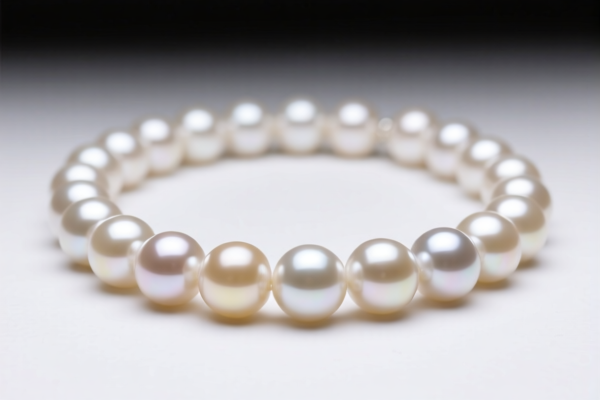
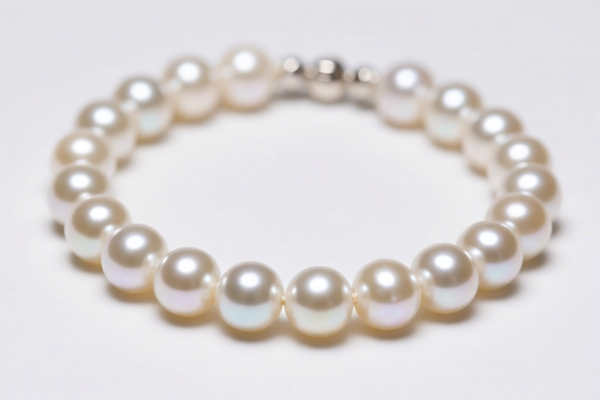
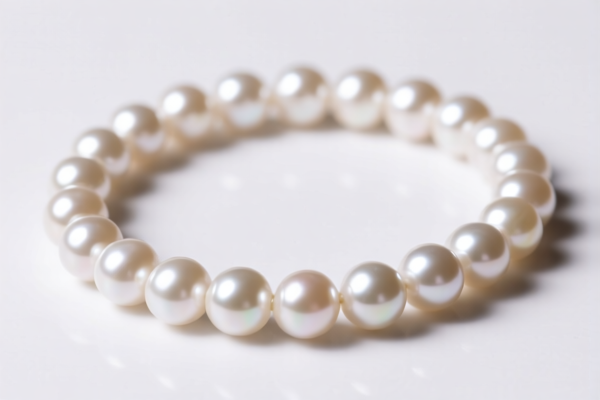
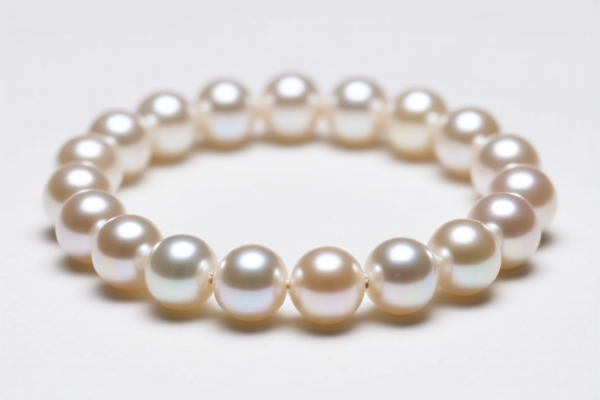
AI分析
🐚 Nanyang Cultured Pearls (South Sea Pearls)
🌐 HS Code Reference & Customs Clearance Guide | 2026 Latest Tariff Analysis | Professional Clearance Strategy
📌 I. Product Definition & Classification: Do You Really Understand "Nanyang Pearls"?
Nanyang Cultured Pearls, commonly known as South Sea Pearls, are among the most valuable gemstones in the world. In international trade, their classification depends entirely on their processing state and intended use. Misclassification leads to massive tariff penalties.
Raw/Naked Pearls (未加工/初加工): Loose pearls, strung but not set, not yet cut or shaped for final jewelry assembly.
Finished/Decorated Pearls (已加工/饰品): Pearls cut, drilled, or set into jewelry pieces, or classified as curiosities/collectibles.
⚠️ Key Distinction Point:
- If the pearls are loose, unprocessed, or merely strung for jewelry making → They are classified as Pearl Material (Chapter 71 primary).
- If the pearls are cut, shaped, or part of a decorative assembly → They may fall under Articles of Pearl (Chapter 71 secondary).
- If the pearls are rare specimens for collection → They may fall under Collectibles (Chapter 97).
📦 II. HS Code Classification Details (2026 Latest Tariff Authority Comparison)
| HS Code | Product Description | Application Scenario | Processing State |
|---|---|---|---|
7101.21.00.00 |
Cultured Nanyang Pearls, unprocessed form | Raw loose pearls, bulk trade | ✅ Unprocessed |
7101.22.30.00 |
Cultured Nanyang Pearls, standard attributes | Regular cultured pearls meeting category specs | ✅ Unprocessed/Standard |
7116.10.25.00 |
Cultured Nanyang Pearls, fully consistent with classification explanation | Processed pearls, possibly cut or shaped | ✅ Processed |
7116.10.10.00 |
Cultured Nanyang Pearls, natural/cultured material, meets variety requirements | High-end processed pearls, specific variety | ✅ Processed/Material Compliance |
9705.29.00.00 |
Nanyang Cultured Pearls, natural curiosities with zoological interest | Rare specimens, educational purposes | ✅ Collectible/Novelty |
9705.10.00.90 |
Nanyang Cultured Pearls, collectibles with historical/cultural significance | Antique pearl jewelry or rare historical specimens | ✅ Collectible/Historical |
🔍 Key Reminder:
- Loose, raw, or simply strung Nanyang pearls must be classified under 7101.xx.xx. Do NOT declare them as "jewelry" or "decorative articles" unless they are finished.
- Processed/Cut/Drilled pearls intended for jewelry manufacturing fall under 7116.xx.xx.
- Collectors/Rare Items: If the pearls are not for commercial jewelry but for zoological interest or historical collection, use 9705.xx.xx. This is rare and requires strong justification.
💰 III. 2026 Latest Tariff Rate Details (Including Surtaxes & Policy Add-ons)
✅ Applicable Country: USA (US)
✅ Origin: China (CN)
✅ Effective Date: From November 10, 2025 (including subsequent imports)
🎯 1. 7101.21.00.00 & 7101.22.30.00 —— Raw Nanyang Cultured Pearls (Unprocessed)
| Item | Content |
|---|---|
| Base Tariff | 0.0% (ad valorem) |
| Section 301 Surtax | +7.5% |
| Section 122 Tariff | +10.0% |
| Total Tariff | 17.5% |
| Tax Calculation | CIF Value × 17.5% |
| De Minimis Exemption | ❌ Not Applicable (deny_de_minimis) |
| Legal Basis Path | Section 301: 7101.xx.xx → Section 122: 7101.xx.xx |
📌 Explanation:
- "Base 0%": Raw pearls generally have a low or zero base duty.
- "Section 301 +7.5%": Standard US-China trade war surtax on many goods.
- "Section 122 +10%": Additional tariff specifically targeted at Chinese imports under Section 122 of the Trade Expansion Act.
- Total 17.5%: This is the standard commercial rate for raw pearls.
🎯 2. 7116.10.25.00 & 7116.10.10.00 —— Processed Nanyang Cultured Pearls (Articles/Decorative)
| Item | Content |
|---|---|
| Base Tariff | 5.5% (7116.10.25.00) / 3.3% (7116.10.10.00) |
| Section 301 Surtax | +7.5% |
| Section 122 Tariff | +10.0% |
| Total Tariff | 23.0% (7116.10.25.00) / 13.3% (7116.10.10.00) |
| Tax Calculation | CIF Value × Total Rate |
| De Minimis Exemption | ❌ Not Applicable (deny_de_minimis) |
| Legal Basis Path | Section 301: 7116.xx.xx → Section 122: 7116.xx.xx |
📌 Note:
-7116.10.25.00incurs a higher base duty (5.5%), resulting in a total of 23.0%. This is for pearls that are fully processed or fit specific decorative classifications.
-7116.10.10.00has a lower base duty (3.3%), resulting in a total of 13.3%. This applies to pearls that meet specific material/variety requirements but are still considered "articles" rather than raw materials.
- Critical: If you import cut or drilled pearls, you cannot use the 0% base rate of raw pearls. You must pay the higher base rate.
🎯 3. 9705.29.00.00 & 9705.10.00.90 —— Nanyang Pearls as Collectibles/Curiosities
| Item | Content |
|---|---|
| Base Tariff | 0.0% |
| Section 301 Surtax | 0.0% |
| Section 122 Tariff | +10.0% |
| Total Tariff | 10.0% |
| Tax Calculation | CIF Value × 10.0% |
| De Minimis Exemption | ❌ Not Applicable (deny_de_minimis) |
| Legal Basis Path | Section 122: 9705.xx.xx |
📌 Warning:
- This classification is high-risk. It requires proof that the pearls are not for commercial sale but for zoological interest or historical/cultural collection.
- Section 122 Tariff (+10%) still applies to Chinese goods.
- Section 301 Surtax is waived for collectibles in this specific subheading, offering a lower rate than processed pearls.
- Customs Scrutiny: Expect intense scrutiny. Provide museum-grade documentation, provenance, and a statement of non-commercial intent.
🛠️ IV. Customs Clearance Practical Advice (Battle-Tested Pitfall Guide)
✅ 1. Preparation Checklist (Non-negotiable)
| Document | Mandatory | Explanation |
|---|---|---|
| ✅ Product Specification Sheet | ✔️ | Must specify: Origin (Indonesia/Australia/etc.), Type (South Sea), Size, Shape, Luster, Treatment Status. |
| ✅ Commercial Invoice | ✔️ | Clearly state "Nanyang Cultured Pearls" and correct HS Code. Do NOT use vague terms like "Jewelry" for raw pearls. |
| ✅ Packing List | ✔️ | Detail weight, quantity, and packaging type. |
| ✅ Certificate of Origin (CO) | ✔️ | Essential for proving origin (China/Indonesia/Australia) to determine if Surtaxes apply. |
| ✅ Photos of Goods | ✔️ | Show raw state vs. processed state. If claiming Collectible status, show rarity/value proofs. |
| ✅ Value Declaration | ✔️ | Must be truthful. Undervaluation leads to seizures. |
✅ 2. Declaration Strategy (Key Mnemonics)
🔥 “Raw is 7101, Processed is 7116, Collectible is 9705, Never Guess!”
| Scenario | Correct Declaration | Wrong Action | Consequence |
|---|---|---|---|
| Loose Raw Pearls | 7101.21.00.00 |
Declare as 7116 |
Overpay tax (17.5% vs 23%) |
| Loose Raw Pearls | 7101.21.00.00 |
Declare as 9705 |
Risk of rejection (not a curiosity) |
| Cut/Drilled Pearls | 7116.10.10.00 or 7116.10.25.00 |
Declare as 7101 |
Customs Penalty + Back Taxes |
| Rare Collection Item | 9705.29.00.00 |
Declare as 7101 |
Missed optimization (10% vs 17.5%) but riskier audit |
✅ 3. Special Case Handling
| Scenario | Handling Advice |
|---|---|
| Mixed Shipments | Separate Raw (7101) and Processed (7116) on different invoices. Do not mix. |
| Pearls in Jewelry | If pearls are set in a necklace, the entire item may be classified as Jewelry (Chapter 71 or 97), not as loose pearls. |
| Claiming Collectible Status | Provide Expert Appraisal, Historical Provenance, and Non-Commercial Intent Statement. |
| Section 122 Tariff | Remember, all these HS codes under Chinese origin are subject to the 10% Section 122 tariff. No exemption. |
🌍 V. Global Major Market Clearance Comparison (2026 Latest)
| Country/Region | Recommended HS Code | Tariff (China Origin) | Certification | Notes |
|---|---|---|---|---|
| 🇺🇸 USA | 7101.21.00.00 |
17.5% (Raw) | N/A | High scrutiny on "Processing" status. |
| 🇨🇳 China | 7101.21.00.00 |
5.0% | N/A | Lower base duty, no Section 122. |
| 🇪🇺 EU | 7101.21.00.00 |
0.0% (If genuine) | N/A | No Section 122 equivalent. |
| 🇦🇺 Australia | 7101.21.00.00 |
5.0% | N/A | Major producer, preferential treaties. |
| 🇯🇵 Japan | 7101.21.00.00 |
0.0% | N/A | Low duty, high quality standards. |
📌 Conclusion:
- USA is the most expensive market due to Section 301 + Section 122.
- Raw vs. Processed is the biggest cost driver. A shift from 7101 to 7116 can increase taxes by 5.5%–15.5%.
- China Origin triggers all surtaxes. Non-China origin (e.g., Indonesian) may still face some tariffs but less than Chinese goods.
📌 VI. Common Errors & Pitfall Guide (Blood-Tested Lessons)
❌ Error 1: Declaring cut/drilled pearls as raw pearls (7101)
👉 Consequence: Customs detects processing → Back taxes + Penalty + Seizure.
❌ Error 2: Declaring loose raw pearls as collectibles (9705) without proof
👉 Consequence: Customs rejects collectible status → Retroactive application of 17.5% or 23% + audit.
❌ Error 3: Not separating Section 301 and Section 122 in cost analysis
👉 Consequence: Underestimating landed cost by 17.5% instead of just 7.5%.
❌ Error 4: Using vague descriptions like "Pearl Beads"
👉 Consequence: Customs classifies as worst-case scenario (often processed or high-duty item) → Higher tax.
✅ Correct Approach:
"100 Nanyang South Sea Cultured Pearls, Round, 10-12mm, White, UNPROCESSED, For Jewelry Manufacturing, Origin: Indonesia, HS Code: 7101.21.00.00"
🎯 VII. Conclusion: Professional Declaration, Save Money, Ensure Compliance!
🎯 Remember the Mnemonic:
🔹 "Raw is 7101 (17.5%), Processed is 7116 (13.3-23%), Collectible is 9705 (10%). Never Mix!"
🔹 "HS Code defines Tax. 7% difference changes profit margin. Declare Accurately!"
📌 Pro Tip:
If your pearls are genuinely for museum collection or zoological study, consider the 9705 route for a lower total tax (10%). However, this requires robust documentation. For 99% of commercial shipments, 7101 or 7116 is the correct path.
Always pre-classify with a US Customs broker if unsure about the "processing" status.
📣 Immediate Action:
📞 Contact a licensed Customs Broker + Provide High-Res Photos + Apply for HS Code Ruling if shipment value is high.
🚀 Let your Nanyang Pearls clear customs smoothly, efficiently, and profitably!
✨ Professional Clearance Starts with Accurate Classification!
💼 Your Cost, Every Penny, Deserves Precision!
用户评价
关于 HS 编码归类
协调制度(HS)是由世界海关组织(WCO)制定的国际贸易商品分类标准。全球 200 多个国家采用 HS 系统作为海关关税、贸易统计和进出口监管的基础。
每个 HS 编码遵循以下层级结构:
- 章(2 位)——商品大类(例如:第 84 章:机器和机械设备)
- 品目(4 位)——章内的更具体分类
- 子目(6 位)——国际通用细分,所有 WCO 成员国统一使用
- 本国细分(8-10 位)——各国自行扩展的细分编码,如美国 HTSUS 10 位编码
正确的 HS 编码归类对于顺利通关、准确缴纳关税和遵守贸易法规至关重要。错误归类可能导致海关延误、多缴关税或罚款。
从CN进口到US时,适用的关税税率可能包括:
- 最惠国(MFN)税率——适用于 WTO 成员国的标准关税税率
- 普通税率——适用于无贸易协定国家
- 贸易救济关税——附加关税,如 301 条款(反倾销)、232 条款(国家安全)或反补贴税
本页内容仅供参考。如需正式归类,请咨询当地海关或持牌报关代理。