Natural Grass Mat
CN → US| HS编码 | 关税税率 | 原产国 | 目的国 | 文档 |
|---|---|---|---|---|
| 4602198000 | 37.3% | CN | US | 官方文档 |
| 4602191800 | 39.5% | CN | US | 官方文档 |
| 5702201000 | 35.0% | CN | US | 官方文档 |
| 5702202000 | 35.0% | CN | US | 官方文档 |
| 6702906500 | 34.5% | CN | US | 官方文档 |
| 6702903500 | 19.0% | CN | US | 官方文档 |
商品图片
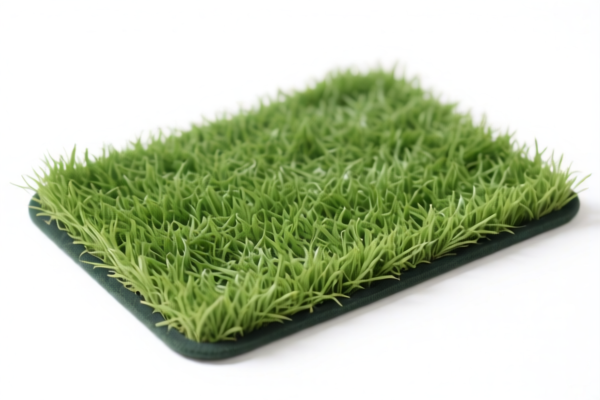
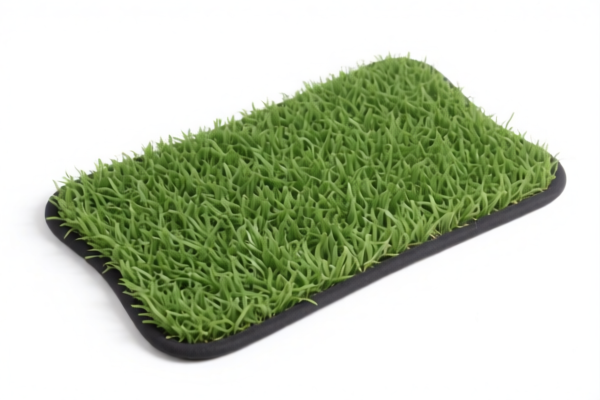
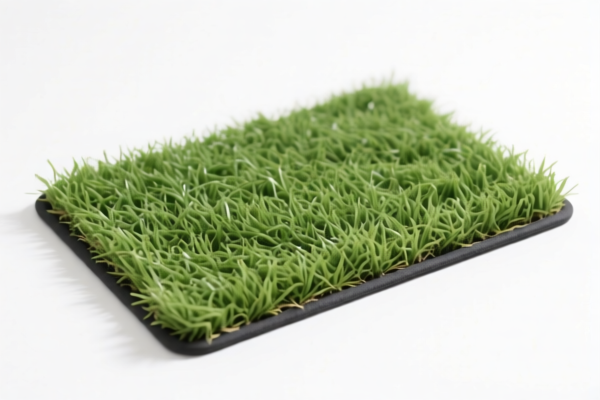
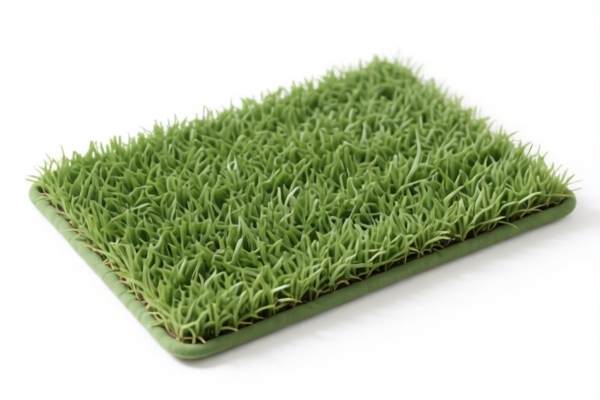
AI分析
🌿 Natural Grass Mat (Botanical & Woven Floor Coverings)
🌐 HS Code Reference & Customs Clearance Guide | 2026 Latest Tariff Analysis | Professional Clearance Strategy
📌 I. Product Definition & Classification: Do You Really Understand "Natural Grass Mats"?
"Natural Grass Mat" is a broad term in international trade. It rarely falls into a single HS Code because the classification depends entirely on the material source (vegetable vs. animal/plastic) and the manufacturing process (woven/plaited vs. tufted/flocked textile).
Based on the provided data, these products are primarily classified under two main categories: 1. Artificial/Vegetable Material Basketwork (Chapter 46): Made from plaiting materials like bamboo, rattan, straw, or reeds. 2. Textile Floor Coverings (Chapter 57): Specifically those made from coconut fibers (coir) or other vegetable fibers treated as textiles.
⚠️ Key Distinction Point:
- If the mat is made from plaited vegetable materials (straw, bamboo, rattan) directly shaped or made up from plaiting strips → HS 4602.19.xxxxxx
- If the mat is a woven textile floor covering made from coconut fibers (coir) → HS 5702.20.xxxxxx
- If the mat is made from artificial flowers/fruit parts (rare for "grass mats" but possible for decorative items) → HS 6702.90.xxxxxx
📦 II. HS Code Classification Details (2026 Latest Tariff Authoritative Mapping)
| HS Code | Product Description | Application Scenario | Tax Rate (US/China Origin) |
|---|---|---|---|
4602.19.80.00 |
Basketwork, wickerwork... of vegetable materials: Other baskets and bags... Other | Woven straw mats, bamboo floor mats, reed mats, decorative plaited items | 0.0% (Base 0% + Add. 0%) |
4602.19.18.00 |
Basketwork... Of vegetable materials: Other baskets and bags, whether or not lined: Other | Lined straw baskets, specific woven bags made of vegetable fibers | 0.0% (Base 0% + Add. 0%) |
5702.20.10.00 |
Carpets... of coconut fibers (coir): With pile | Coir doormats with a textured/piled surface, coconut fiber rugs | 25.0% (Base 0% + Add. 25%) |
5702.20.20.00 |
Carpets... of coconut fibers (coir): Other | Flat-weave coir mats, plain coconut fiber floor coverings | 25.0% (Base 0% + Add. 25%) |
6702.90.35.00 |
Artificial flowers... Of other materials: Of man-made fibers | Decorative artificial grass/foliage mats made of synthetic fibers | 9.0% (Base 9% + Add. 0%) |
6702.90.65.00 |
Artificial flowers... Of other materials: Other | Other artificial plant-based decorative items (not man-made fibers) | 24.5% (Base 17% + Add. 7.5%) |
🔍 Key Reminder:
- "Natural Grass" vs. "Coconut Fiber (Coir)": In US Customs terminology, "Coir" (from coconut husks) is explicitly classified under Chapter 57 (Textiles), not Chapter 46 (Vegetable Plaiting Materials). This is a critical distinction.
- "Artificial" vs. "Natural": If the "grass" is made of plastic or synthetic fibers to mimic nature, it falls under Chapter 67. Do not misdeclare artificial items as natural to avoid fraud penalties.
- Wickerwork: Traditional straw or bamboo mats fall under Chapter 46 if they are plaited.
💰 III. 2026 Latest Tariff Rate Breakdown (Including Additional Taxes & Policy Surcharges)
✅ Applicable Country: United States (US)
✅ Origin: China (CN) (Note: Rates vary by origin; this analysis assumes China origin for context of additional duties)
✅ Effective Date: Current applicable rates as per provided data
🎯 1. 4602.19.80.00 / 4602.19.18.00 —— Wickerwork & Basketwork (Vegetable Materials)
| Item | Content |
|---|---|
| Base Tariff | 0% (ad valorem) |
| Section 301 Additional Tariff | 0.0% |
| Total Tax Rate | 0.0% |
| Tax Calculation | CIF Value × 0% = $0 |
| De Minimis Eligibility | ✅ Yes (if under $800 and not subject to other restrictions) |
| Legal Basis | HTSUS Chapter 46 General Note |
📌 Explanation:
- These items are considered non-textile, natural material crafts.
- No additional tariffs apply under Section 301 or IEEPA for these specific HS codes from China.
- Cost Advantage: This is the most tariff-efficient classification for natural fiber mats.
🎯 2. 5702.20.10.00 / 5702.20.20.00 —— Coconut Fiber (Coir) Floor Coverings
| Item | Content |
|---|---|
| Base Tariff | 0% (ad valorem) |
| Section 301 Additional Tariff | 25.0% |
| IEEPA Additional Tariff | 0.0% (Not specified in data, assuming standard 301 only) |
| Total Tax Rate | 25.0% |
| Tax Calculation | CIF Value × 25% |
| De Minimis Eligibility | ❌ No (High tariff items often excluded from de minimis, or require duty payment) |
| Legal Basis | HTSUS Chapter 57 + USITC Footnote 9903.88.01 (Section 301) |
📌 Explanation:
- Coir mats are classified as textiles (Chapter 57).
- Subject to 25% Section 301 tariff if originating from China.
- Cost Impact: High. A $1,000 shipment incurs $250 in duties alone.
🎯 3. 6702.90.35.00 / 6702.90.65.00 —— Artificial Grass/Foliage Items
| Item | Content |
|---|---|
| Base Tariff | 9.0% (for Man-made fibers) / 17.0% (for Other) |
| Additional Tariff | 0.0% (for Man-made) / 7.5% (for Other) |
| Total Tax Rate | 9.0% (Man-made) / 24.5% (Other) |
| Tax Calculation | CIF Value × 9% or 24.5% |
| De Minimis Eligibility | ⚠️ Check Specific Rules |
| Legal Basis | HTSUS Chapter 67 |
📌 Explanation:
- If the "grass mat" is synthetic (plastic/grass-like), it is NOT a "natural" product.
- Misdeclaring synthetic mats as "natural" (HS 4602) is a major compliance risk.
🛠️ IV. Customs Clearance Practical Advice (Battle-Tested Pitfall Guide)
✅ 1. Preparation Checklist (Non-Negotiable)
| Document | Required | Explanation |
|---|---|---|
| ✅ Product Photos | ✔️ | Clear images showing texture (coir strands vs. woven straw vs. synthetic fibers). |
| ✅ Material Composition Statement | ✔️ | Must specify: 100% Natural Coconut Fiber, 100% Straw, or 100% Polypropylene. |
| ✅ Manufacturing Process Description | ✔️ | "Woven by hand," "Machine-plaited," "Tufted," etc. |
| ✅ Commercial Invoice | ✔️ | Description must match HS Code exactly. Avoid vague terms like "Grass Mat." Use "Coconut Fiber Doormat" or "Straw Woven Basket." |
| ✅ Origin Certificate (CO) | ✔️ | Crucial for determining Section 301 applicability. |
✅ 2. Declaration Strategy (Key Mantras)
🔥 "Material Defines HS, Process Defines Code, Name Must Match!"
| Scenario | Correct Declaration | Wrong Declaration | Risk |
|---|---|---|---|
| Coconut Doormat | "Coconut Fiber (Coir) Floor Covering, Woven" (HS 5702) | "Grass Mat" (Vague) | 海关 May Classify as "Other Textiles" → Higher Tax |
| Straw/Bamboo Mat | "Woven Basketry Item, Vegetable Material" (HS 4602) | "Coir Mat" | Wrong Code! Leads to 25% tariff instead of 0%. |
| Artificial Turf Mat | "Artificial Plastics Grass Mat" (HS 5702/6307) or "Artificial Flowers" (HS 6702) | "Natural Grass Mat" | Fraud! Severe penalties, seizure, and blacklisting. |
| Mixed Material | Separate by component or declare main material | Mixed description | Ambiguity → Delayed Clearance |
✅ 3. Special Handling Tips
| Situation | Recommendation |
|---|---|
| Coir vs. Straw | Coir = Chapter 57 (Textile, 25% tariff). Straw/Bamboo = Chapter 46 (Basketry, 0% tariff). Know your source! |
| "Artificial" Grass | If made of plastic, declare as Plastic Floor Covering (HS 5702.90 or 5905.80) or Artificial Plants (HS 6702). Do not call it "Natural." |
| Origin Tracing | Ensure the CO proves origin. If "Made in China," 25% applies to Coir (5702). If "Made in Vietnam," it may be 0%. |
| De Minimis (Section 321) | For shipments <$800, verify if the HS Code allows duty-free entry under de minimis. HS 4602 items are often eligible. HS 5702 items with 25% tax may not be eligible for de minimis exemption depending on current CBP enforcement. |
🌍 V. Global Market Clearance Comparison (2026 Latest)
| Country/Region | Recommended HS Code | Tariff (China Origin) | Certification | Notes |
|---|---|---|---|---|
| 🇺🇸 USA | 4602.19.80.00 (Basket) |
0% | N/A | Best for straw/bamboo. Avoid "Coir" unless you want 25%. |
| 🇺🇸 USA | 5702.20.xxxx (Coir) |
25% | N/A | Coir is taxed heavily. Check if origin is non-China. |
| 🇪🇺 EU | 4602.19 (Basket) |
0% | CE (if functional) | Low tariff for natural materials. |
| 🇪🇺 EU | 5702.20 (Coir) |
0% | N/A | EU often has 0% for natural fiber textiles. |
| 🇨🇳 China | 4602.19 |
5-10% | N/A | Import into China has moderate tariffs. |
📌 Conclusion:
- USA is the harshest market for Coir mats (25% tariff).
- Straw/Bamboo mats (HS 4602) are tariff-free in the US, making them highly competitive.
- Accuracy is key: Mislabeling Coir as "Straw" to avoid tariff is smuggling.
📌 VI. Common Errors & Pitfall Guide (Lessons from Blood & Tears)
❌ Error 1: Calling a Coir Mat a "Grass Mat" or "Straw Mat"
👉 Consequence: CBP reclassifies to 5702.20 → 25% Tax + Back Duties + Penalties.
❌ Error 2: Calling a Synthetic Plastic Mat a "Natural Grass Mat"
👉 Consequence: Fraud Alert. Seizure of goods, fines up to 2x value, and loss of import privileges.
❌ Error 3: Ignoring Section 301 for Coir Mats from China
👉 Consequence: Paying 0% when 25% is due. CBP audits will recover all unpaid duties.
❌ Error 4: Vague Description "Grass Mat" on Invoice
👉 Consequence: Customs examiners will choose the worst-case HS Code (highest tax) or delay shipment for further testing.
✅ Correct Practice:
"100% Natural Coconut Fiber (Coir) Floor Mat, Machine Woven, Brown, 18x30 inches, Model XYZ, Origin: China"
OR
"Hand-Woven Straw Basket Mat, 100% Vegetable Fiber, Natural Color, Model ABC, Origin: Vietnam"
🎯 VII. Conclusion: Professional Declaration, Cost Optimization, Risk Mitigation!
🎯 Remember the Mantras:
🔹 "Coir is Textile (25%), Straw is Basketry (0%)."
🔹 "Natural is Natural, Synthetic is Synthetic. Never Mix!"
🔹 "Vague Description = High Risk. Be Specific!"
📌 Pro Tip:
If you are shipping Coir Mats (HS 5702) from China, the 25% tariff is significant. Consider:
1. Supply Chain Shift: Sourcing from Vietnam or India (if eligible for 0%).
2. Product Redesign: Using Straw/Bamboo (HS 4602) instead of Coir to enjoy 0% duty.
3. Advanced Ruling: Apply for a CBP Advance Ruling to confirm your specific product classification.
📣 Immediate Action:
📞 Contact a Customs Broker + Provide Material Test Reports + Verify HS Code Pre-Ruling
🚀 Let Your Mats Clear Smoothly, Profitably, and Legally!
✨ Professional Clearance Starts with Precise Classification!
💼 Every Percent of Duty Saved is Profit Earned!
用户评价
关于 HS 编码归类
协调制度(HS)是由世界海关组织(WCO)制定的国际贸易商品分类标准。全球 200 多个国家采用 HS 系统作为海关关税、贸易统计和进出口监管的基础。
每个 HS 编码遵循以下层级结构:
- 章(2 位)——商品大类(例如:第 84 章:机器和机械设备)
- 品目(4 位)——章内的更具体分类
- 子目(6 位)——国际通用细分,所有 WCO 成员国统一使用
- 本国细分(8-10 位)——各国自行扩展的细分编码,如美国 HTSUS 10 位编码
正确的 HS 编码归类对于顺利通关、准确缴纳关税和遵守贸易法规至关重要。错误归类可能导致海关延误、多缴关税或罚款。
从CN进口到US时,适用的关税税率可能包括:
- 最惠国(MFN)税率——适用于 WTO 成员国的标准关税税率
- 普通税率——适用于无贸易协定国家
- 贸易救济关税——附加关税,如 301 条款(反倾销)、232 条款(国家安全)或反补贴税
本页内容仅供参考。如需正式归类,请咨询当地海关或持牌报关代理。