Natural Grass Mat
CN → US| HS Code | Tariff Rate | Origin | Destination | Doc |
|---|---|---|---|---|
| 4602198000 | 37.3% | CN | US | Official Doc |
| 4602191800 | 39.5% | CN | US | Official Doc |
| 5702201000 | 35.0% | CN | US | Official Doc |
| 5702202000 | 35.0% | CN | US | Official Doc |
| 6702906500 | 34.5% | CN | US | Official Doc |
| 6702903500 | 19.0% | CN | US | Official Doc |
Product Images
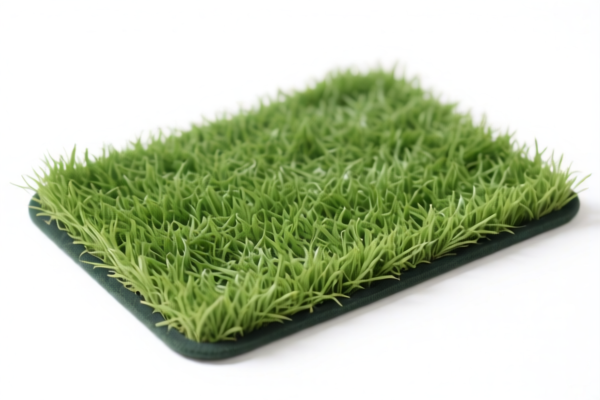
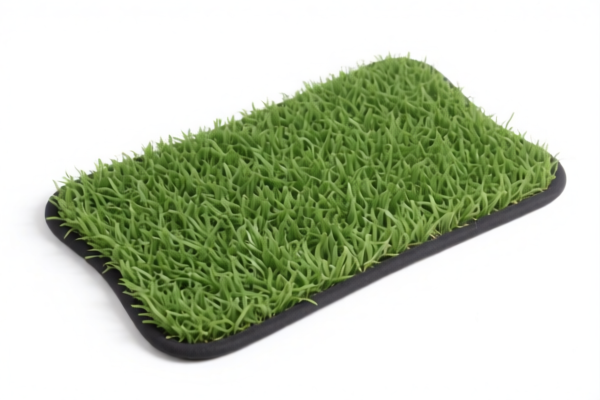
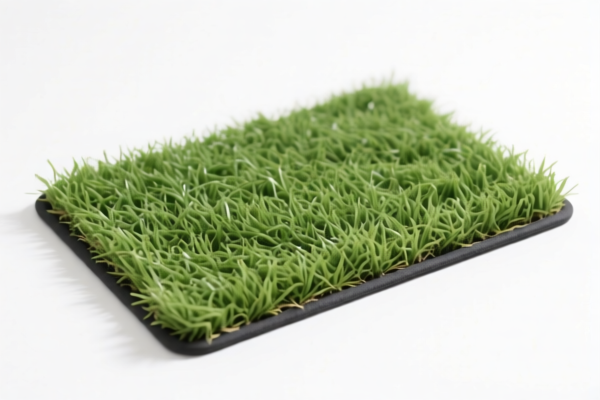
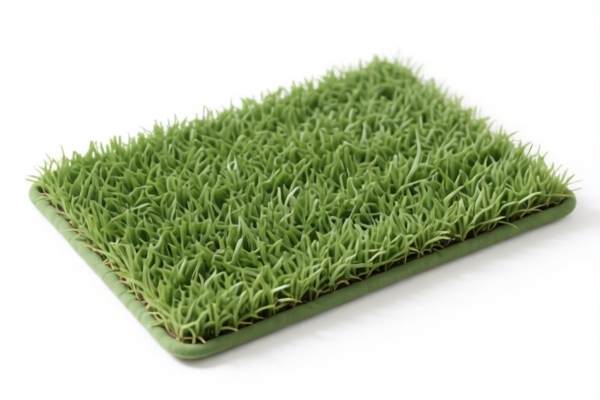
AI Analysis
🌿 Natural Grass Mat (Botanical & Woven Floor Coverings)
🌐 HS Code Reference & Customs Clearance Guide | 2026 Latest Tariff Analysis | Professional Clearance Strategy
📌 I. Product Definition & Classification: Do You Really Understand "Natural Grass Mats"?
"Natural Grass Mat" is a broad term in international trade. It rarely falls into a single HS Code because the classification depends entirely on the material source (vegetable vs. animal/plastic) and the manufacturing process (woven/plaited vs. tufted/flocked textile).
Based on the provided data, these products are primarily classified under two main categories: 1. Artificial/Vegetable Material Basketwork (Chapter 46): Made from plaiting materials like bamboo, rattan, straw, or reeds. 2. Textile Floor Coverings (Chapter 57): Specifically those made from coconut fibers (coir) or other vegetable fibers treated as textiles.
⚠️ Key Distinction Point:
- If the mat is made from plaited vegetable materials (straw, bamboo, rattan) directly shaped or made up from plaiting strips → HS 4602.19.xxxxxx
- If the mat is a woven textile floor covering made from coconut fibers (coir) → HS 5702.20.xxxxxx
- If the mat is made from artificial flowers/fruit parts (rare for "grass mats" but possible for decorative items) → HS 6702.90.xxxxxx
📦 II. HS Code Classification Details (2026 Latest Tariff Authoritative Mapping)
| HS Code | Product Description | Application Scenario | Tax Rate (US/China Origin) |
|---|---|---|---|
4602.19.80.00 |
Basketwork, wickerwork... of vegetable materials: Other baskets and bags... Other | Woven straw mats, bamboo floor mats, reed mats, decorative plaited items | 0.0% (Base 0% + Add. 0%) |
4602.19.18.00 |
Basketwork... Of vegetable materials: Other baskets and bags, whether or not lined: Other | Lined straw baskets, specific woven bags made of vegetable fibers | 0.0% (Base 0% + Add. 0%) |
5702.20.10.00 |
Carpets... of coconut fibers (coir): With pile | Coir doormats with a textured/piled surface, coconut fiber rugs | 25.0% (Base 0% + Add. 25%) |
5702.20.20.00 |
Carpets... of coconut fibers (coir): Other | Flat-weave coir mats, plain coconut fiber floor coverings | 25.0% (Base 0% + Add. 25%) |
6702.90.35.00 |
Artificial flowers... Of other materials: Of man-made fibers | Decorative artificial grass/foliage mats made of synthetic fibers | 9.0% (Base 9% + Add. 0%) |
6702.90.65.00 |
Artificial flowers... Of other materials: Other | Other artificial plant-based decorative items (not man-made fibers) | 24.5% (Base 17% + Add. 7.5%) |
🔍 Key Reminder:
- "Natural Grass" vs. "Coconut Fiber (Coir)": In US Customs terminology, "Coir" (from coconut husks) is explicitly classified under Chapter 57 (Textiles), not Chapter 46 (Vegetable Plaiting Materials). This is a critical distinction.
- "Artificial" vs. "Natural": If the "grass" is made of plastic or synthetic fibers to mimic nature, it falls under Chapter 67. Do not misdeclare artificial items as natural to avoid fraud penalties.
- Wickerwork: Traditional straw or bamboo mats fall under Chapter 46 if they are plaited.
💰 III. 2026 Latest Tariff Rate Breakdown (Including Additional Taxes & Policy Surcharges)
✅ Applicable Country: United States (US)
✅ Origin: China (CN) (Note: Rates vary by origin; this analysis assumes China origin for context of additional duties)
✅ Effective Date: Current applicable rates as per provided data
🎯 1. 4602.19.80.00 / 4602.19.18.00 —— Wickerwork & Basketwork (Vegetable Materials)
| Item | Content |
|---|---|
| Base Tariff | 0% (ad valorem) |
| Section 301 Additional Tariff | 0.0% |
| Total Tax Rate | 0.0% |
| Tax Calculation | CIF Value × 0% = $0 |
| De Minimis Eligibility | ✅ Yes (if under $800 and not subject to other restrictions) |
| Legal Basis | HTSUS Chapter 46 General Note |
📌 Explanation:
- These items are considered non-textile, natural material crafts.
- No additional tariffs apply under Section 301 or IEEPA for these specific HS codes from China.
- Cost Advantage: This is the most tariff-efficient classification for natural fiber mats.
🎯 2. 5702.20.10.00 / 5702.20.20.00 —— Coconut Fiber (Coir) Floor Coverings
| Item | Content |
|---|---|
| Base Tariff | 0% (ad valorem) |
| Section 301 Additional Tariff | 25.0% |
| IEEPA Additional Tariff | 0.0% (Not specified in data, assuming standard 301 only) |
| Total Tax Rate | 25.0% |
| Tax Calculation | CIF Value × 25% |
| De Minimis Eligibility | ❌ No (High tariff items often excluded from de minimis, or require duty payment) |
| Legal Basis | HTSUS Chapter 57 + USITC Footnote 9903.88.01 (Section 301) |
📌 Explanation:
- Coir mats are classified as textiles (Chapter 57).
- Subject to 25% Section 301 tariff if originating from China.
- Cost Impact: High. A $1,000 shipment incurs $250 in duties alone.
🎯 3. 6702.90.35.00 / 6702.90.65.00 —— Artificial Grass/Foliage Items
| Item | Content |
|---|---|
| Base Tariff | 9.0% (for Man-made fibers) / 17.0% (for Other) |
| Additional Tariff | 0.0% (for Man-made) / 7.5% (for Other) |
| Total Tax Rate | 9.0% (Man-made) / 24.5% (Other) |
| Tax Calculation | CIF Value × 9% or 24.5% |
| De Minimis Eligibility | ⚠️ Check Specific Rules |
| Legal Basis | HTSUS Chapter 67 |
📌 Explanation:
- If the "grass mat" is synthetic (plastic/grass-like), it is NOT a "natural" product.
- Misdeclaring synthetic mats as "natural" (HS 4602) is a major compliance risk.
🛠️ IV. Customs Clearance Practical Advice (Battle-Tested Pitfall Guide)
✅ 1. Preparation Checklist (Non-Negotiable)
| Document | Required | Explanation |
|---|---|---|
| ✅ Product Photos | ✔️ | Clear images showing texture (coir strands vs. woven straw vs. synthetic fibers). |
| ✅ Material Composition Statement | ✔️ | Must specify: 100% Natural Coconut Fiber, 100% Straw, or 100% Polypropylene. |
| ✅ Manufacturing Process Description | ✔️ | "Woven by hand," "Machine-plaited," "Tufted," etc. |
| ✅ Commercial Invoice | ✔️ | Description must match HS Code exactly. Avoid vague terms like "Grass Mat." Use "Coconut Fiber Doormat" or "Straw Woven Basket." |
| ✅ Origin Certificate (CO) | ✔️ | Crucial for determining Section 301 applicability. |
✅ 2. Declaration Strategy (Key Mantras)
🔥 "Material Defines HS, Process Defines Code, Name Must Match!"
| Scenario | Correct Declaration | Wrong Declaration | Risk |
|---|---|---|---|
| Coconut Doormat | "Coconut Fiber (Coir) Floor Covering, Woven" (HS 5702) | "Grass Mat" (Vague) | 海关 May Classify as "Other Textiles" → Higher Tax |
| Straw/Bamboo Mat | "Woven Basketry Item, Vegetable Material" (HS 4602) | "Coir Mat" | Wrong Code! Leads to 25% tariff instead of 0%. |
| Artificial Turf Mat | "Artificial Plastics Grass Mat" (HS 5702/6307) or "Artificial Flowers" (HS 6702) | "Natural Grass Mat" | Fraud! Severe penalties, seizure, and blacklisting. |
| Mixed Material | Separate by component or declare main material | Mixed description | Ambiguity → Delayed Clearance |
✅ 3. Special Handling Tips
| Situation | Recommendation |
|---|---|
| Coir vs. Straw | Coir = Chapter 57 (Textile, 25% tariff). Straw/Bamboo = Chapter 46 (Basketry, 0% tariff). Know your source! |
| "Artificial" Grass | If made of plastic, declare as Plastic Floor Covering (HS 5702.90 or 5905.80) or Artificial Plants (HS 6702). Do not call it "Natural." |
| Origin Tracing | Ensure the CO proves origin. If "Made in China," 25% applies to Coir (5702). If "Made in Vietnam," it may be 0%. |
| De Minimis (Section 321) | For shipments <$800, verify if the HS Code allows duty-free entry under de minimis. HS 4602 items are often eligible. HS 5702 items with 25% tax may not be eligible for de minimis exemption depending on current CBP enforcement. |
🌍 V. Global Market Clearance Comparison (2026 Latest)
| Country/Region | Recommended HS Code | Tariff (China Origin) | Certification | Notes |
|---|---|---|---|---|
| 🇺🇸 USA | 4602.19.80.00 (Basket) |
0% | N/A | Best for straw/bamboo. Avoid "Coir" unless you want 25%. |
| 🇺🇸 USA | 5702.20.xxxx (Coir) |
25% | N/A | Coir is taxed heavily. Check if origin is non-China. |
| 🇪🇺 EU | 4602.19 (Basket) |
0% | CE (if functional) | Low tariff for natural materials. |
| 🇪🇺 EU | 5702.20 (Coir) |
0% | N/A | EU often has 0% for natural fiber textiles. |
| 🇨🇳 China | 4602.19 |
5-10% | N/A | Import into China has moderate tariffs. |
📌 Conclusion:
- USA is the harshest market for Coir mats (25% tariff).
- Straw/Bamboo mats (HS 4602) are tariff-free in the US, making them highly competitive.
- Accuracy is key: Mislabeling Coir as "Straw" to avoid tariff is smuggling.
📌 VI. Common Errors & Pitfall Guide (Lessons from Blood & Tears)
❌ Error 1: Calling a Coir Mat a "Grass Mat" or "Straw Mat"
👉 Consequence: CBP reclassifies to 5702.20 → 25% Tax + Back Duties + Penalties.
❌ Error 2: Calling a Synthetic Plastic Mat a "Natural Grass Mat"
👉 Consequence: Fraud Alert. Seizure of goods, fines up to 2x value, and loss of import privileges.
❌ Error 3: Ignoring Section 301 for Coir Mats from China
👉 Consequence: Paying 0% when 25% is due. CBP audits will recover all unpaid duties.
❌ Error 4: Vague Description "Grass Mat" on Invoice
👉 Consequence: Customs examiners will choose the worst-case HS Code (highest tax) or delay shipment for further testing.
✅ Correct Practice:
"100% Natural Coconut Fiber (Coir) Floor Mat, Machine Woven, Brown, 18x30 inches, Model XYZ, Origin: China"
OR
"Hand-Woven Straw Basket Mat, 100% Vegetable Fiber, Natural Color, Model ABC, Origin: Vietnam"
🎯 VII. Conclusion: Professional Declaration, Cost Optimization, Risk Mitigation!
🎯 Remember the Mantras:
🔹 "Coir is Textile (25%), Straw is Basketry (0%)."
🔹 "Natural is Natural, Synthetic is Synthetic. Never Mix!"
🔹 "Vague Description = High Risk. Be Specific!"
📌 Pro Tip:
If you are shipping Coir Mats (HS 5702) from China, the 25% tariff is significant. Consider:
1. Supply Chain Shift: Sourcing from Vietnam or India (if eligible for 0%).
2. Product Redesign: Using Straw/Bamboo (HS 4602) instead of Coir to enjoy 0% duty.
3. Advanced Ruling: Apply for a CBP Advance Ruling to confirm your specific product classification.
📣 Immediate Action:
📞 Contact a Customs Broker + Provide Material Test Reports + Verify HS Code Pre-Ruling
🚀 Let Your Mats Clear Smoothly, Profitably, and Legally!
✨ Professional Clearance Starts with Precise Classification!
💼 Every Percent of Duty Saved is Profit Earned!
Customer Reviews
About HS Code Classification
The Harmonized System (HS) is an internationally standardized nomenclature developed by the World Customs Organization (WCO) to classify traded products. Over 200 countries use the HS system as the basis for customs tariffs, trade statistics, and import/export regulations.
Each HS code follows a hierarchical structure:
- Chapter (2 digits) — Broad category of goods (e.g., Chapter 84: Machinery and Mechanical Appliances)
- Heading (4 digits) — More specific grouping within the chapter
- Subheading (6 digits) — Internationally standardized breakdown, used by all WCO member countries
- National subdivisions (8-10 digits) — Country-specific extensions for further classification, such as US HTSUS 10-digit codes
Correct HS code classification is essential for smooth customs clearance, accurate duty payment, and compliance with trade regulations. Misclassification can lead to customs delays, overpayment of duties, or penalties.
When importing from CN to US, the applicable tariff rates may include:
- Most-Favored-Nation (MFN) rate — The standard duty rate applied to WTO members
- General rate — Applied to countries without trade agreements
- Trade remedy duties — Additional tariffs such as Section 301 (anti-dumping), Section 232 (national security), or countervailing duties
The information provided on this page is for reference purposes only. For official classification, please consult with your local customs authority or a licensed customs broker.