Natural Mink Fur
CN → US| HS编码 | 关税税率 | 原产国 | 目的国 | 文档 |
|---|---|---|---|---|
| 4302110020 | 37.1% | CN | US | 官方文档 |
| 4301100020 | 17.5% | CN | US | 官方文档 |
| 4302110010 | 37.1% | CN | US | 官方文档 |
| 4301100010 | 17.5% | CN | US | 官方文档 |
| 4303100030 | 39.0% | CN | US | 官方文档 |
| 4103901190 | 17.5% | CN | US | 官方文档 |
商品图片
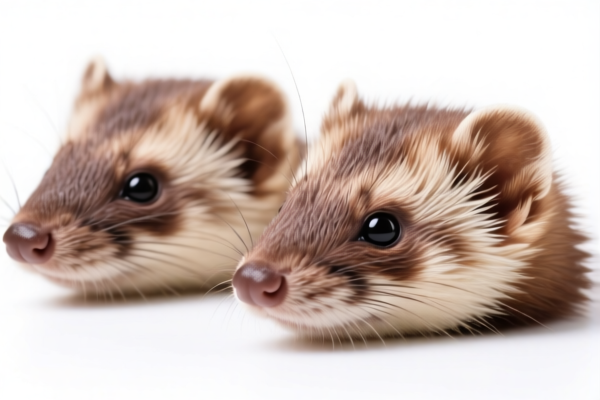
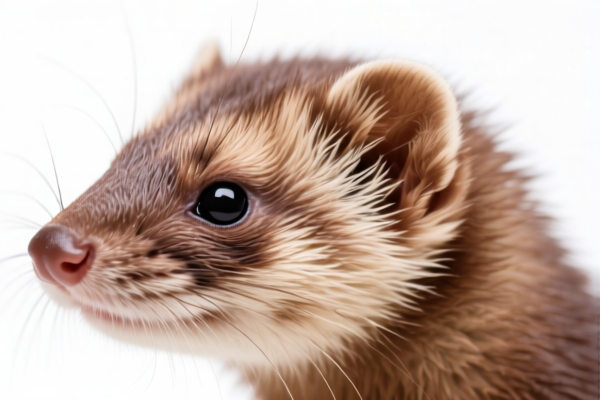
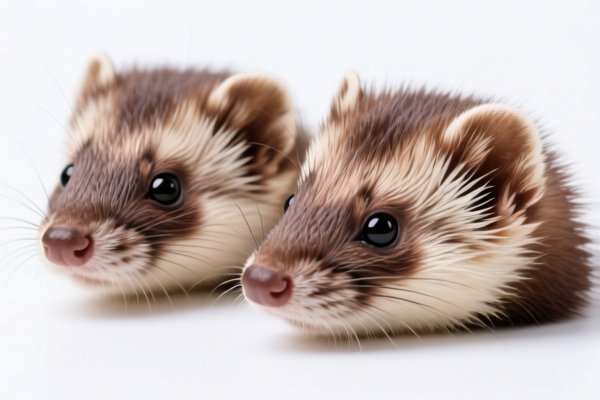
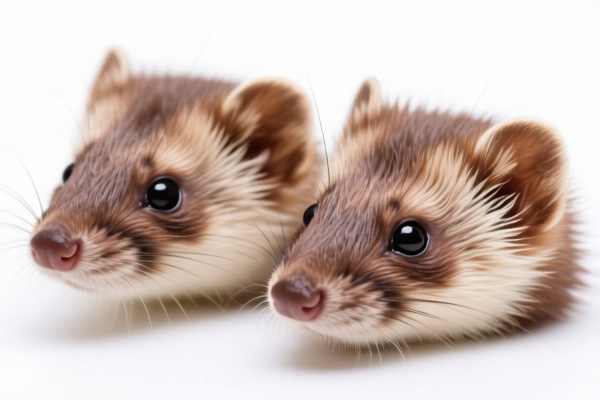
AI分析
🦊 Natural Mink Fur (Raw & Processed Pelts)
🌐 HS Code Reference & Customs Clearance Guide | 2026 Latest Tariff Analysis | Professional Compliance Strategy
📌 I. Product Definition & Classification: Understanding "Natural Mink Fur"
Mink fur is a premium luxury material used in high-end fashion, accessories, and trimmings. In international trade, it is strictly classified based on its processing state (raw vs. tanned/processed) and physical form (whole pelt vs. assembled parts).
The classification significantly impacts the tariff burden due to specific US trade policies (Section 301 and Section 122).
⚠️ Critical Distinction:
- Raw Pelts (4301 series): Un-tanned, unworked fur skins. Generally lower base duty.
- Processed/Assembled Pelts (4302/4303 series): Tanned, dyed, or sewn into garments/panels. Significantly higher base duty.
- Both Categories are subject to 25% Section 301 tariffs AND 10% Section 122 tariffs for goods originating from China.
📦 II. HS Code Classification Matrix (2026 Latest Tariff Data)
| HS Code | Product Description & Form | Processing State | Total Tax Rate* | Base Duty | Sec 301 Tariff | Sec 122 Tariff |
|---|---|---|---|---|---|---|
4301.10.00.10 |
Raw Mink Pelts (Original Fur) | Raw / Untanned | 17.5% | 0.0% | 7.5% | 10% |
4301.10.00.20 |
Premium Raw Mink Pelts | Raw / Untanned | 17.5% | 0.0% | 7.5% | 10% |
4103.90.11.90 |
Whole Natural Mink Skins (With Head, Tail, Claws) | Raw / Untanned | 17.5% | 0.0% | 7.5% | 10% |
4302.11.00.10 |
Tanned Mink Pelts (Processed) | Tanned / Dyed / Whole | 37.1% | 2.1% | 25.0% | 10% |
4302.11.00.20 |
Assembled Mink Furs (Parts/Segments) | Processed / Assembled | 37.1% | 2.1% | 25.0% | 10% |
4303.10.00.30 |
Mink Fur Garments/Articles (Core Material) | Finished Goods | 39.0% | 4.0% | 25.0% | 10% |
📌 Key Takeaway:
- Raw Pelts fall under HS 4301 or 4103 with a 17.5% total effective rate.
- Processed/Assembled Fur falls under HS 4302 or 4303 with a 37.1% - 39.0% total effective rate.
- Section 122 Tariff (10%) applies to ALL mink fur items from China, regardless of processing level.
💰 III. Detailed Tariff Breakdown & Legal Basis
✅ Applicable Region: United States (US)
✅ Origin: China (CN)
✅ Effective Date: Ongoing (Section 301 since 2018/2024 updates; Section 122 effective Nov 2024)
🎯 1. Raw Mink Pelts (4301.10.00.10 / 4301.10.00.20 / 4103.90.11.90)
| Item | Detail |
|---|---|
| Base Duty (MFN) | 0.0% |
| Section 301 Tariff | +7.5% (Note: Some processed goods are 25%, but raw pelts often qualify for lower specific rates under certain notes; however, data shows 7.5% for raw) |
| Section 122 Tariff | +10% (Bilateral trade remedy) |
| Total Effective Rate | 17.5% |
| De Minimis Exemption? | ❌ Denied (Section 122 specifically excludes de minimis for certain origins) |
| Legal Reference | HTSUS 4301.10, Section 301 Footnote, Section 122 Directive |
📌 Explanation:
Raw pelts are considered less value-added than tanned goods. However, the 10% Section 122 tariff is a significant add-on that does not apply to many other raw animal products, making this category uniquely sensitive to bilateral trade policies.
🎯 2. Processed/Assembled Mink Fur (4302.11.00.10 / 4302.11.00.20)
| Item | Detail |
|---|---|
| Base Duty (MFN) | 2.1% |
| Section 301 Tariff | +25% (Standard for processed leather/fur goods) |
| Section 122 Tariff | +10% |
| Total Effective Rate | 37.1% |
| De Minimis Exemption? | ❌ Denied |
| Legal Reference | HTSUS 4302.11, Section 301 Footnote 9903.88, Section 122 Directive |
📌 Explanation:
Once the fur is tanned, dyed, or cut into panels, the Section 301 tariff jumps to 25%. Combined with the base duty and Section 122, the cost burden nearly doubles compared to raw pelts.
🎯 3. Finished Mink Articles (4303.10.00.30)
| Item | Detail |
|---|---|
| Base Duty (MFN) | 4.0% |
| Section 301 Tariff | +25% |
| Section 122 Tariff | +10% |
| Total Effective Rate | 39.0% |
| De Minimis Exemption? | ❌ Denied |
| Legal Reference | HTSUS 4303.10, Section 301 Footnote, Section 122 Directive |
📌 Explanation:
Finished garments or accessories attract the highest base duty (4.0%) plus the full 25% Section 301 and 10% Section 122 tariffs. This is the most expensive category for importers.
🛠️ IV. Customs Clearance Practical Advice
✅ 1. Documentation Checklist (Mandatory)
| Document | Required? | Notes |
|---|---|---|
| Commercial Invoice | ✅ Yes | Must explicitly state "Mink Fur" and processing stage (Raw/Tanned) |
| Packing List | ✅ Yes | Detail number of pelts, dimensions, and weight |
| Customs Declaration Form | ✅ Yes | Accurate HS Code is critical for tariff calculation |
| Certificate of Origin | ✅ Yes | Proves Chinese origin to trigger correct Section 122/301 rates |
| Fur Identification Mark | ✅ Yes | Must comply with US Fur Products Labeling Act |
| CITES Permit | ⚠️ If Applicable | If mink is endangered species (rare for farmed mink, but check species) |
✅ 2. Classification Strategy (Avoid Over-Taxation)
| Scenario | Correct HS Code | Why? |
|---|---|---|
| Untanned, whole skin | 4301.10.00.10 |
Classified as "Raw" → Lower Section 301 rate (7.5%) |
| Tanned, dyed, whole skin | 4302.11.00.10 |
Classified as "Processed" → Higher base duty + 25% Sec 301 |
| Cut into panels/segments | 4302.11.00.20 |
Classified as "Assembled Parts" → Same as processed |
| Head/Tail/Claws attached | 4103.90.11.90 |
Specific classification for whole raw skins with limbs |
| Finished Coat/Jacket | 4303.10.00.30 |
Classified as "Article of Fur" → Highest total rate |
🔥 Pro Tip:
- If you are importing raw pelts to tan domestically, ensure your documentation clearly states "UNTANNED" to qualify for the 17.5% rate instead of 37.1%.
- Misclassifying tanned fur as raw to avoid the 25% Section 301 tariff is high-risk and can lead to penalties.
✅ 3. Special Considerations
| Issue | Advice |
|---|---|
| Section 122 Tariff | Applies to all mink fur from China. No loopholes. Budget for this 10% cost. |
| De Minimis (Section 321) | ❌ Not applicable for Section 122 goods. Even small shipments (under $800) are subject to full duties and inspections. |
| Labeling | Must include "Mink" and country of origin on all finished products (Fur Products Labeling Act). |
| Inspection | Expect heightened physical inspection at US ports due to trade tensions and Section 122 focus. |
🌍 V. Global Market Comparison (2026)
| Country/Region | HS Code | Base Duty | Section 301 | Section 122 | Total Rate (China Origin) | Notes |
|---|---|---|---|---|---|---|
| 🇺🇸 USA | 4301/4302 | 0-4% | 7.5-25% | 10% | 17.5% - 39.0% | Highest burden due to multiple tariffs |
| 🇨🇳 China | 4301/4302 | 2-5% | N/A | N/A | 2-5% | Low entry duty, but export taxes may apply |
| 🇪🇺 EU | 4301/4302 | 0-4% | N/A | N/A | 0-4% | No Section 301/122. Standard MFN rates apply |
| 🇬🇧 UK | 4301/4302 | 0-5% | N/A | N/A | 0-5% | Post-Brexit, standard tariffs apply |
📌 Conclusion:
The US market is the most expensive for Chinese mink fur imports due to the叠加 (stacking) of Section 301 (25%) and Section 122 (10%).
EU and UK markets offer significantly lower duty costs, making them more attractive for re-export or local sales.
📌 VI. Common Mistakes & Pitfalls (Blood Lessons)
❌ Mistake 1: Classifying tanned fur as "Raw" (4301) to save 20% tariff
👉 Consequence: Customs audit, seizure of goods, heavy fines for misdeclaration.
❌ Mistake 2: Assuming De Minimis ($800) applies to Section 122 goods
👉 Consequence: Small shipments (e.g., samples) are still taxed and held up at customs, causing delays.
❌ Mistake 3: Ignoring the "Head/Tail/Claws" requirement
👉 Consequence: If 4103.90.11.90 is claimed, pelts must have head/tails/claws. Missing parts → Re-classification to 4301 or 4302 → Potential duty adjustment.
❌ Mistake 4: Not accounting for Section 122 in cost modeling
👉 Consequence: Profit margins are wiped out by the unexpected 10% additional tariff.
✅ Correct Approach:
"Import Raw Mink Pelts (
4301.10.00.10) with full documentation of untanned state to secure 17.5% rate. Ensure final products meet US labeling laws. Budget for 10% Section 122 tariff in all cost projections."
🎯 VII. Conclusion: Professional Declaration for Cost Efficiency
🎯 Remember the Mantra:
🔹 "Raw is 17.5%, Tanned is 37.1%, Section 122 adds 10% to ALL."
🔹 "No De Minimis for Section 122. Declare accurately, avoid audits."
🔹 "Check HS Code: 4301 (Raw) vs. 4302 (Processed) – The difference is 20% in duty!"
📌 Pro Tip:
If you are importing finished mink garments, consider tariff engineering by importing tanned pelts (4302) and doing final assembly/trimming outside the US (if feasible) or in a non-China origin country to avoid the full Section 301 and 122 burden. However, this requires careful supply chain planning.
📞 Immediate Action:
📞 Consult a licensed US Customs Broker before shipping.
📄 Prepare detailed photos of pelts (raw vs. tanned) for classification verification.
🚀 Ensure your HS Code matches the physical state of the goods to avoid costly delays.
✨ Professional Customs Clearance Starts with Accurate Classification!
💼 Every percentage point matters in luxury fur trade!
用户评价
关于 HS 编码归类
协调制度(HS)是由世界海关组织(WCO)制定的国际贸易商品分类标准。全球 200 多个国家采用 HS 系统作为海关关税、贸易统计和进出口监管的基础。
每个 HS 编码遵循以下层级结构:
- 章(2 位)——商品大类(例如:第 84 章:机器和机械设备)
- 品目(4 位)——章内的更具体分类
- 子目(6 位)——国际通用细分,所有 WCO 成员国统一使用
- 本国细分(8-10 位)——各国自行扩展的细分编码,如美国 HTSUS 10 位编码
正确的 HS 编码归类对于顺利通关、准确缴纳关税和遵守贸易法规至关重要。错误归类可能导致海关延误、多缴关税或罚款。
从CN进口到US时,适用的关税税率可能包括:
- 最惠国(MFN)税率——适用于 WTO 成员国的标准关税税率
- 普通税率——适用于无贸易协定国家
- 贸易救济关税——附加关税,如 301 条款(反倾销)、232 条款(国家安全)或反补贴税
本页内容仅供参考。如需正式归类,请咨询当地海关或持牌报关代理。