Natural Mink Fur
CN → US| HS Code | Tariff Rate | Origin | Destination | Doc |
|---|---|---|---|---|
| 4302110020 | 37.1% | CN | US | Official Doc |
| 4301100020 | 17.5% | CN | US | Official Doc |
| 4302110010 | 37.1% | CN | US | Official Doc |
| 4301100010 | 17.5% | CN | US | Official Doc |
| 4303100030 | 39.0% | CN | US | Official Doc |
| 4103901190 | 17.5% | CN | US | Official Doc |
Product Images
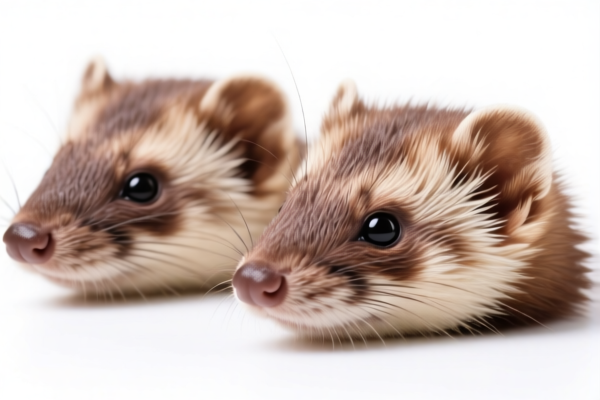
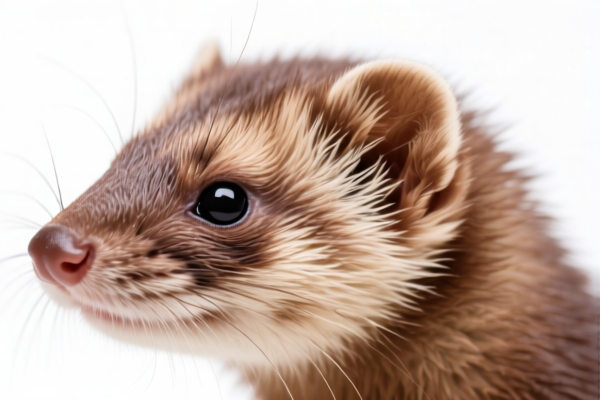
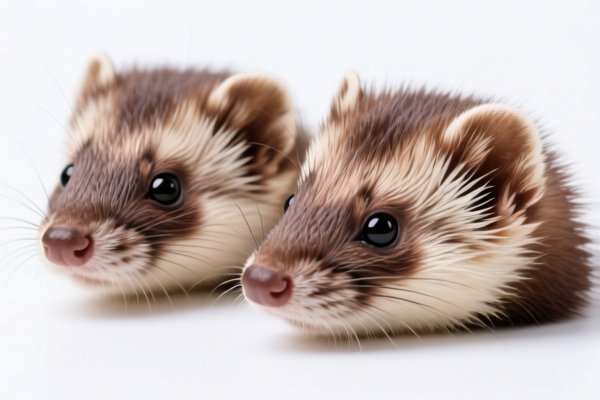
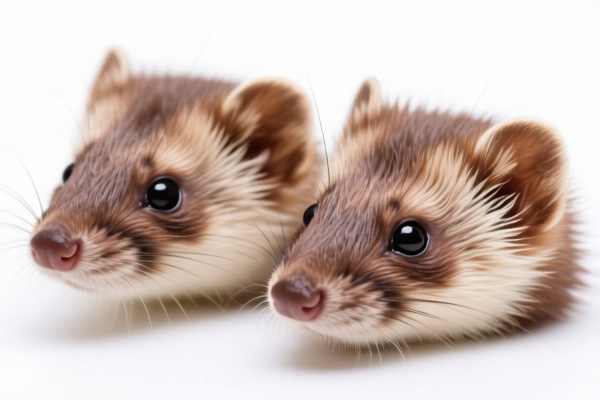
AI Analysis
🦊 Natural Mink Fur (Raw & Processed Pelts)
🌐 HS Code Reference & Customs Clearance Guide | 2026 Latest Tariff Analysis | Professional Compliance Strategy
📌 I. Product Definition & Classification: Understanding "Natural Mink Fur"
Mink fur is a premium luxury material used in high-end fashion, accessories, and trimmings. In international trade, it is strictly classified based on its processing state (raw vs. tanned/processed) and physical form (whole pelt vs. assembled parts).
The classification significantly impacts the tariff burden due to specific US trade policies (Section 301 and Section 122).
⚠️ Critical Distinction:
- Raw Pelts (4301 series): Un-tanned, unworked fur skins. Generally lower base duty.
- Processed/Assembled Pelts (4302/4303 series): Tanned, dyed, or sewn into garments/panels. Significantly higher base duty.
- Both Categories are subject to 25% Section 301 tariffs AND 10% Section 122 tariffs for goods originating from China.
📦 II. HS Code Classification Matrix (2026 Latest Tariff Data)
| HS Code | Product Description & Form | Processing State | Total Tax Rate* | Base Duty | Sec 301 Tariff | Sec 122 Tariff |
|---|---|---|---|---|---|---|
4301.10.00.10 |
Raw Mink Pelts (Original Fur) | Raw / Untanned | 17.5% | 0.0% | 7.5% | 10% |
4301.10.00.20 |
Premium Raw Mink Pelts | Raw / Untanned | 17.5% | 0.0% | 7.5% | 10% |
4103.90.11.90 |
Whole Natural Mink Skins (With Head, Tail, Claws) | Raw / Untanned | 17.5% | 0.0% | 7.5% | 10% |
4302.11.00.10 |
Tanned Mink Pelts (Processed) | Tanned / Dyed / Whole | 37.1% | 2.1% | 25.0% | 10% |
4302.11.00.20 |
Assembled Mink Furs (Parts/Segments) | Processed / Assembled | 37.1% | 2.1% | 25.0% | 10% |
4303.10.00.30 |
Mink Fur Garments/Articles (Core Material) | Finished Goods | 39.0% | 4.0% | 25.0% | 10% |
📌 Key Takeaway:
- Raw Pelts fall under HS 4301 or 4103 with a 17.5% total effective rate.
- Processed/Assembled Fur falls under HS 4302 or 4303 with a 37.1% - 39.0% total effective rate.
- Section 122 Tariff (10%) applies to ALL mink fur items from China, regardless of processing level.
💰 III. Detailed Tariff Breakdown & Legal Basis
✅ Applicable Region: United States (US)
✅ Origin: China (CN)
✅ Effective Date: Ongoing (Section 301 since 2018/2024 updates; Section 122 effective Nov 2024)
🎯 1. Raw Mink Pelts (4301.10.00.10 / 4301.10.00.20 / 4103.90.11.90)
| Item | Detail |
|---|---|
| Base Duty (MFN) | 0.0% |
| Section 301 Tariff | +7.5% (Note: Some processed goods are 25%, but raw pelts often qualify for lower specific rates under certain notes; however, data shows 7.5% for raw) |
| Section 122 Tariff | +10% (Bilateral trade remedy) |
| Total Effective Rate | 17.5% |
| De Minimis Exemption? | ❌ Denied (Section 122 specifically excludes de minimis for certain origins) |
| Legal Reference | HTSUS 4301.10, Section 301 Footnote, Section 122 Directive |
📌 Explanation:
Raw pelts are considered less value-added than tanned goods. However, the 10% Section 122 tariff is a significant add-on that does not apply to many other raw animal products, making this category uniquely sensitive to bilateral trade policies.
🎯 2. Processed/Assembled Mink Fur (4302.11.00.10 / 4302.11.00.20)
| Item | Detail |
|---|---|
| Base Duty (MFN) | 2.1% |
| Section 301 Tariff | +25% (Standard for processed leather/fur goods) |
| Section 122 Tariff | +10% |
| Total Effective Rate | 37.1% |
| De Minimis Exemption? | ❌ Denied |
| Legal Reference | HTSUS 4302.11, Section 301 Footnote 9903.88, Section 122 Directive |
📌 Explanation:
Once the fur is tanned, dyed, or cut into panels, the Section 301 tariff jumps to 25%. Combined with the base duty and Section 122, the cost burden nearly doubles compared to raw pelts.
🎯 3. Finished Mink Articles (4303.10.00.30)
| Item | Detail |
|---|---|
| Base Duty (MFN) | 4.0% |
| Section 301 Tariff | +25% |
| Section 122 Tariff | +10% |
| Total Effective Rate | 39.0% |
| De Minimis Exemption? | ❌ Denied |
| Legal Reference | HTSUS 4303.10, Section 301 Footnote, Section 122 Directive |
📌 Explanation:
Finished garments or accessories attract the highest base duty (4.0%) plus the full 25% Section 301 and 10% Section 122 tariffs. This is the most expensive category for importers.
🛠️ IV. Customs Clearance Practical Advice
✅ 1. Documentation Checklist (Mandatory)
| Document | Required? | Notes |
|---|---|---|
| Commercial Invoice | ✅ Yes | Must explicitly state "Mink Fur" and processing stage (Raw/Tanned) |
| Packing List | ✅ Yes | Detail number of pelts, dimensions, and weight |
| Customs Declaration Form | ✅ Yes | Accurate HS Code is critical for tariff calculation |
| Certificate of Origin | ✅ Yes | Proves Chinese origin to trigger correct Section 122/301 rates |
| Fur Identification Mark | ✅ Yes | Must comply with US Fur Products Labeling Act |
| CITES Permit | ⚠️ If Applicable | If mink is endangered species (rare for farmed mink, but check species) |
✅ 2. Classification Strategy (Avoid Over-Taxation)
| Scenario | Correct HS Code | Why? |
|---|---|---|
| Untanned, whole skin | 4301.10.00.10 |
Classified as "Raw" → Lower Section 301 rate (7.5%) |
| Tanned, dyed, whole skin | 4302.11.00.10 |
Classified as "Processed" → Higher base duty + 25% Sec 301 |
| Cut into panels/segments | 4302.11.00.20 |
Classified as "Assembled Parts" → Same as processed |
| Head/Tail/Claws attached | 4103.90.11.90 |
Specific classification for whole raw skins with limbs |
| Finished Coat/Jacket | 4303.10.00.30 |
Classified as "Article of Fur" → Highest total rate |
🔥 Pro Tip:
- If you are importing raw pelts to tan domestically, ensure your documentation clearly states "UNTANNED" to qualify for the 17.5% rate instead of 37.1%.
- Misclassifying tanned fur as raw to avoid the 25% Section 301 tariff is high-risk and can lead to penalties.
✅ 3. Special Considerations
| Issue | Advice |
|---|---|
| Section 122 Tariff | Applies to all mink fur from China. No loopholes. Budget for this 10% cost. |
| De Minimis (Section 321) | ❌ Not applicable for Section 122 goods. Even small shipments (under $800) are subject to full duties and inspections. |
| Labeling | Must include "Mink" and country of origin on all finished products (Fur Products Labeling Act). |
| Inspection | Expect heightened physical inspection at US ports due to trade tensions and Section 122 focus. |
🌍 V. Global Market Comparison (2026)
| Country/Region | HS Code | Base Duty | Section 301 | Section 122 | Total Rate (China Origin) | Notes |
|---|---|---|---|---|---|---|
| 🇺🇸 USA | 4301/4302 | 0-4% | 7.5-25% | 10% | 17.5% - 39.0% | Highest burden due to multiple tariffs |
| 🇨🇳 China | 4301/4302 | 2-5% | N/A | N/A | 2-5% | Low entry duty, but export taxes may apply |
| 🇪🇺 EU | 4301/4302 | 0-4% | N/A | N/A | 0-4% | No Section 301/122. Standard MFN rates apply |
| 🇬🇧 UK | 4301/4302 | 0-5% | N/A | N/A | 0-5% | Post-Brexit, standard tariffs apply |
📌 Conclusion:
The US market is the most expensive for Chinese mink fur imports due to the叠加 (stacking) of Section 301 (25%) and Section 122 (10%).
EU and UK markets offer significantly lower duty costs, making them more attractive for re-export or local sales.
📌 VI. Common Mistakes & Pitfalls (Blood Lessons)
❌ Mistake 1: Classifying tanned fur as "Raw" (4301) to save 20% tariff
👉 Consequence: Customs audit, seizure of goods, heavy fines for misdeclaration.
❌ Mistake 2: Assuming De Minimis ($800) applies to Section 122 goods
👉 Consequence: Small shipments (e.g., samples) are still taxed and held up at customs, causing delays.
❌ Mistake 3: Ignoring the "Head/Tail/Claws" requirement
👉 Consequence: If 4103.90.11.90 is claimed, pelts must have head/tails/claws. Missing parts → Re-classification to 4301 or 4302 → Potential duty adjustment.
❌ Mistake 4: Not accounting for Section 122 in cost modeling
👉 Consequence: Profit margins are wiped out by the unexpected 10% additional tariff.
✅ Correct Approach:
"Import Raw Mink Pelts (
4301.10.00.10) with full documentation of untanned state to secure 17.5% rate. Ensure final products meet US labeling laws. Budget for 10% Section 122 tariff in all cost projections."
🎯 VII. Conclusion: Professional Declaration for Cost Efficiency
🎯 Remember the Mantra:
🔹 "Raw is 17.5%, Tanned is 37.1%, Section 122 adds 10% to ALL."
🔹 "No De Minimis for Section 122. Declare accurately, avoid audits."
🔹 "Check HS Code: 4301 (Raw) vs. 4302 (Processed) – The difference is 20% in duty!"
📌 Pro Tip:
If you are importing finished mink garments, consider tariff engineering by importing tanned pelts (4302) and doing final assembly/trimming outside the US (if feasible) or in a non-China origin country to avoid the full Section 301 and 122 burden. However, this requires careful supply chain planning.
📞 Immediate Action:
📞 Consult a licensed US Customs Broker before shipping.
📄 Prepare detailed photos of pelts (raw vs. tanned) for classification verification.
🚀 Ensure your HS Code matches the physical state of the goods to avoid costly delays.
✨ Professional Customs Clearance Starts with Accurate Classification!
💼 Every percentage point matters in luxury fur trade!
Customer Reviews
About HS Code Classification
The Harmonized System (HS) is an internationally standardized nomenclature developed by the World Customs Organization (WCO) to classify traded products. Over 200 countries use the HS system as the basis for customs tariffs, trade statistics, and import/export regulations.
Each HS code follows a hierarchical structure:
- Chapter (2 digits) — Broad category of goods (e.g., Chapter 84: Machinery and Mechanical Appliances)
- Heading (4 digits) — More specific grouping within the chapter
- Subheading (6 digits) — Internationally standardized breakdown, used by all WCO member countries
- National subdivisions (8-10 digits) — Country-specific extensions for further classification, such as US HTSUS 10-digit codes
Correct HS code classification is essential for smooth customs clearance, accurate duty payment, and compliance with trade regulations. Misclassification can lead to customs delays, overpayment of duties, or penalties.
When importing from CN to US, the applicable tariff rates may include:
- Most-Favored-Nation (MFN) rate — The standard duty rate applied to WTO members
- General rate — Applied to countries without trade agreements
- Trade remedy duties — Additional tariffs such as Section 301 (anti-dumping), Section 232 (national security), or countervailing duties
The information provided on this page is for reference purposes only. For official classification, please consult with your local customs authority or a licensed customs broker.