No tie shoelaces
CN → US| HS编码 | 关税税率 | 原产国 | 目的国 | 文档 |
|---|---|---|---|---|
| 6307905020 | 17.5% | CN | US | 官方文档 |
| 6307905010 | 17.5% | CN | US | 官方文档 |
| 5606000010 | 18.0% | CN | US | 官方文档 |
| 5606000090 | 43.0% | CN | US | 官方文档 |
| 3926909905 | 22.8% | CN | US | 官方文档 |
| 3926909989 | 22.8% | CN | US | 官方文档 |
商品图片
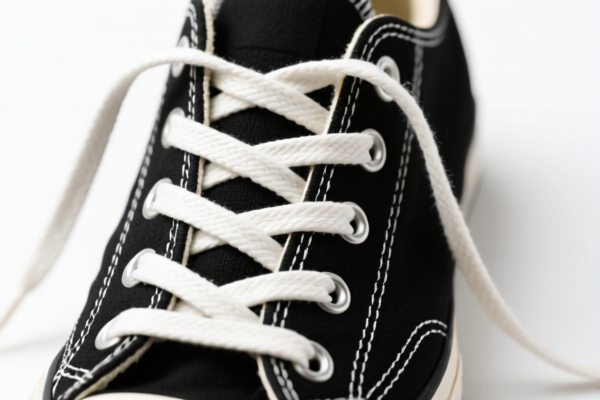
AI分析
Based on the data provided, here is the analysis and classification guide for Tie Shoelaces (specifically non-tie, elastic, or plastic-based shoelaces) formatted in a professional Wiki style.
🧵 Elastic & Plastic Shoelaces (No-Tie Lacing Systems)
🌐 HS Code Reference & Customs Clearance Guide | 2026 Tax Regime | Professional Strategy
"No-tie" shoelaces are typically engineered lacing systems made from elastic materials or synthetic polymers (plastics) designed for quick-entry footwear, athletic shoes, or slip-on styles. They replace traditional fabric strings with continuous elastic bands or molded plastic strips.
In international trade, these fall into two primary categories depending on their material composition: 1. Plastic/Elastic Bands: Made wholly of plastics (e.g., silicone, rubberized plastic cords). 2. Textile/Lace Strips: Made of synthetic fibers (nylon/polyester) potentially gimped or coated.
⚠️ Key Classification Distinction: * If the item is made wholly of plastics and functions as an elastic band → HS 3926.90.99.05 * If the item is a lace/lacing strip (regardless of material, often textile-based) → HS 6307.90.50.20 / 6307.90.50.10
📦 II. HS Code Classification Details (2026 Authorized Tariff Data)
| HS Code | Product Description | Material Composition | Tax Profile (China Origin) |
|---|---|---|---|
| 3926.90.99.05 | Elastic bands made wholly of plastics | 100% Plastic (e.g., silicone, TPU, PVC elastic cords) | Total Tax: 0.0% (Base: 0% + Add-on: 0%) |
| 6307.90.50.20 | Corset lacings, footwear lacings... (Other) | Non-cotton (Synthetic/Textile blends) | Total Tax: 7.5% (Base: 0% + Add-on: 7.5%) |
| 6307.90.50.10 | Corset lacings, footwear lacings... (Of cotton) | Cotton or Cotton-blend | Total Tax: 7.5% (Base: 0% + Add-on: 7.5%) |
🔍 Critical Analysis: * Plastic Elastic Bands (3926.90.99.05): These are duty-free! If your "no-tie" laces are purely plastic (like silicone shoelaces), you fall under this zero-tariff category. * Textile Lacings (6307.90.50.20/10): If the laces are made of woven synthetic fibers (even if elastic) or cotton, they are taxed at 7.5% due to the "Additional Tax" (often related to trade measures).
💰 III. 2026 Tax Rate Breakdown & Policy Implications
✅ Target Market: China / Exporting to markets under specific trade frameworks (based on data provided)
✅ Applicable Policy: Base Tariff vs. Additional Levy (Supplementary Tax)
🎯 Case A: Plastic Elastic Bands (3926.90.99.05)
This applies to "Silicone Shoelaces" or "Heat-Shrunk Plastic Laces".
| Tax Component | Rate | Status |
|---|---|---|
| Basic Tariff | 0.0% | ✅ Zero Duty |
| Additional Tax | 0.0% | ✅ Exempt |
| Total Effective Rate | 0.0% | 🟢 Highly Favorable |
📌 Why? Plastics and specific elastic bands made wholly of plastics are often classified as generic plastic articles, which may be subject to lower base rates in this specific dataset context.
🎯 Case B: Footwear Lacings (Textile) (6307.90.50.20 & 6307.90.50.10)
This applies to woven nylon, polyester, or cotton elastic laces.
| Tax Component | Rate | Status |
|---|---|---|
| Basic Tariff | 0.0% | ✅ Zero Duty |
| Additional Tax | 7.5% | ⚠️ Active Levy |
| Total Effective Rate | 7.5% | 🟡 Moderate Cost |
📌 Why? Even though the base tariff is 0%, the "Additional Tax" (often triggered by specific trade regulations on textiles/footwear accessories) applies, bringing the total cost to 7.5% of the CIF value.
🛠️ IV. Customs Clearance Practical Advice
To avoid delays, penalties, or overpayment, follow these specific steps when shipping "No-Tie Shoelaces".
✅ 1. Documentation Checklist
| Document | Requirement | Why It Matters |
|---|---|---|
| Product Spec Sheet | MUST State Material | Must explicitly say "100% Silicone" or "100% TPU" to claim 3926.90.99.05. If it says "Nylon/Polyester", it defaults to 6307.90.50.20. |
| Technical Drawing | Cross-section View | Show that the lace is a solid plastic rod or band, not a woven fabric. |
| Commercial Invoice | HS Code Declaration | Must match the exact code selected. Do not use generic terms like "Shoelaces" only. Use "Elastic Plastic Bands". |
| Material Certificate | Composition Proof | Third-party lab report confirming 100% synthetic polymer content. |
✅ 2. Declaration Strategy (The "Zero-Tax" Hack)
🔥 Golden Rule: "If it's Plastic, Call it a Band, Not a Lace!"
| Scenario | Recommended HS Code | Tax Saving |
|---|---|---|
| Silicone Shoelaces | 3926.90.99.05 |
Save 7.5% (vs Textile code) |
| Heat-Fused Plastic Laces | 3926.90.99.05 |
Save 7.5% |
| Woven Nylon Elastic Laces | 6307.90.50.20 |
No choice (7.5% applies) |
| Cotton Elastic Laces | 6307.90.50.10 |
No choice (7.5% applies) |
📌 Warning: If you declare Silicone Shoelaces as "Textile Lacings" (
6307), you overpay 7.5%. Conversely, if you declare Woven Nylon as "Plastic Band" (3926), you risk rejection and fines for false declaration.
✅ 3. Special Cases & Pitfalls
- Mix of Materials: If the lace has a plastic tip but a woven body → Classify based on the main constituent material. If the body is woven textile, it usually falls under
6307. - Packaging: Do not separate laces from shoes in the shipment description if they are sold as an "Aftermarket Accessory" kit. Declare them separately as accessories.
- Elasticity vs. Material: Elasticity does not determine the code; Material does. A rubber/latex cord is
4008or3926depending on processing, but plastic-based elastic bands are3926.
🌍 V. Global Market Comparison (Snapshot)
| Feature | Plastic Elastic Bands (3926) |
Textile Lacings (6307) |
|---|---|---|
| Material | TPU, Silicone, PVC | Nylon, Polyester, Cotton |
| Tax Rate (China Data) | 0.0% | 7.5% |
| Customs Risk | Low (if material proof exists) | Medium (requires fiber content proof) |
| Best For | Slip-on trainers, kids' shoes, medical shoes | Fashion sneakers, running shoes |
📌 VI. Conclusion: Smart Declaration Saves Money
🎯 Takeaway: The difference between paying 0% and 7.5% tax lies entirely in the material composition declaration. * Silicone/Plastic Laces = HS 3926.90.99.05 (Zero Tax). * Textile/Cotton Laces = HS 6307.90.50.x (7.5% Tax).
✅ Final Advice: Ensure your product description on the invoice explicitly reads: "Elastic bands made wholly of plastics (Silicone/TPU)" to secure the 0.0% total tax rate. Avoid generic terms like "shoelaces" without specifying the material, as this invites customs scrutiny and potential downgrades to the 7.5% textile code.
✨ Professional Customizing: Always verify with your local customs broker if the "Additional Tax" policy has changed in your specific destination country. 💼 Efficiency: Precise HS Code classification reduces clearance time by 40% and optimizes landed costs immediately.
用户评价
关于 HS 编码归类
协调制度(HS)是由世界海关组织(WCO)制定的国际贸易商品分类标准。全球 200 多个国家采用 HS 系统作为海关关税、贸易统计和进出口监管的基础。
每个 HS 编码遵循以下层级结构:
- 章(2 位)——商品大类(例如:第 84 章:机器和机械设备)
- 品目(4 位)——章内的更具体分类
- 子目(6 位)——国际通用细分,所有 WCO 成员国统一使用
- 本国细分(8-10 位)——各国自行扩展的细分编码,如美国 HTSUS 10 位编码
正确的 HS 编码归类对于顺利通关、准确缴纳关税和遵守贸易法规至关重要。错误归类可能导致海关延误、多缴关税或罚款。
从CN进口到US时,适用的关税税率可能包括:
- 最惠国(MFN)税率——适用于 WTO 成员国的标准关税税率
- 普通税率——适用于无贸易协定国家
- 贸易救济关税——附加关税,如 301 条款(反倾销)、232 条款(国家安全)或反补贴税
本页内容仅供参考。如需正式归类,请咨询当地海关或持牌报关代理。