Non cellular PVC Plastic Food Packaging Film
CN → US| HS编码 | 关税税率 | 原产国 | 目的国 | 文档 |
|---|---|---|---|---|
| 3920435000 | 39.2% | CN | US | 官方文档 |
| 3920490000 | 40.8% | CN | US | 官方文档 |
商品图片
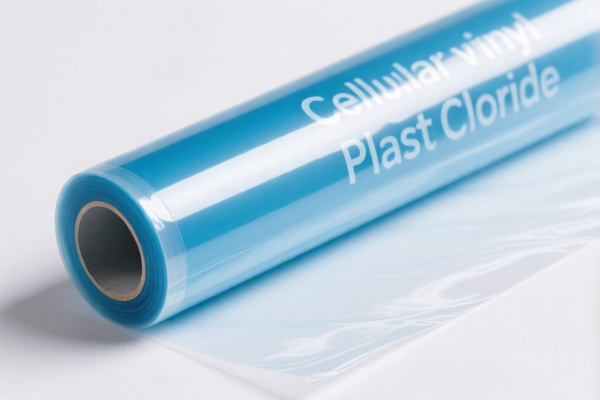
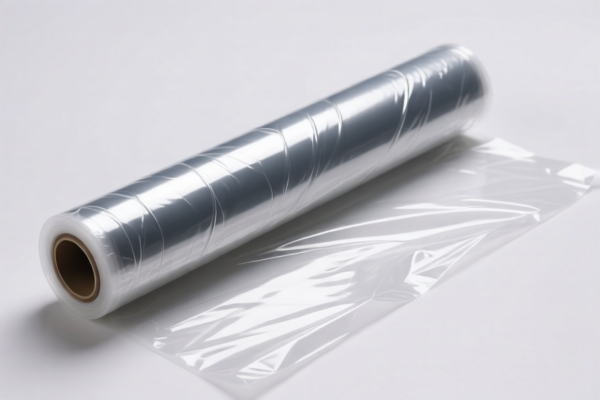
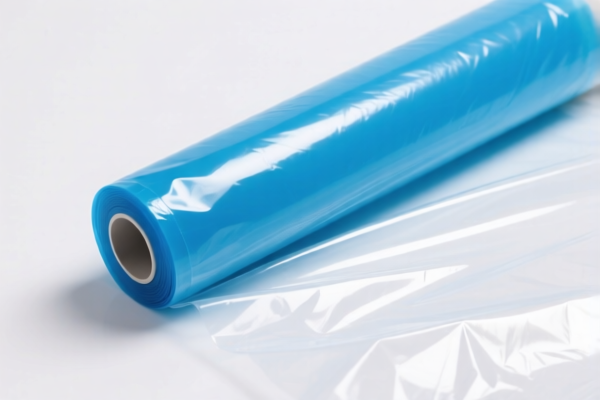
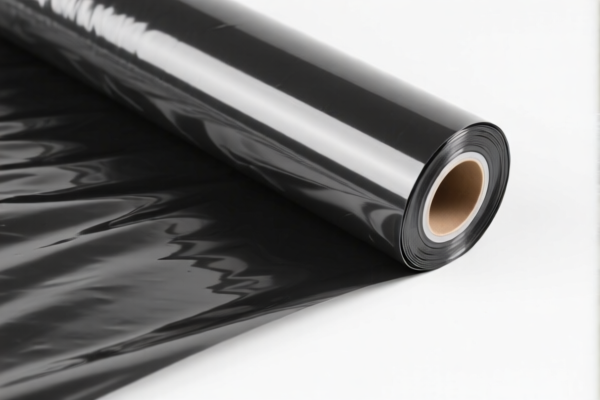
AI分析
🎬 Non-Cellular PVC Plastic Food Packaging Film (PVC Sheets/Film)
🌐 HS Code Reference & Clearance Guide | 2026 Latest Tariff Analysis | Professional Customs Strategy
📌 I. Product Definition & Classification: Do You Really Understand "PVC Film"?
Non-cellular PVC film is a transparent, flexible plastic material widely used in food packaging (e.g., blister packs, shrink wrap, cold-cut meat trays). In international trade, PVC films are classified based on two critical factors:
1. Presence of Plasticizers: Does it contain ≥6% plasticizers by weight?
2. Physical Form: Is it cellular (foamed) or non-cellular (solid)?
⚠️ Key Distinction Point:
- Flexible, Soft PVC Film: Typically contains plasticizers to make it pliable → HS 3920.43.50.00
- Rigid or Unplasticized PVC Sheets/Film: No or <6% plasticizers → HS 3920.49.00.00
📦 II. HS Code Classification Details (2026 Latest Tariff Authority Comparison)
| HS Code | Product Description | Application Scenario | Plasticizer Content |
|---|---|---|---|
3920.43.50.00 |
Other plates, sheets, film, foil and strip, of plastics, noncellular and not reinforced, laminated, supported or similarly combined with other materials: Of polymers of vinyl chloride: Containing by weight not less than 6 percent of plasticizers: Other | Flexible PVC food packaging film, blister packs, shrink wrap | ✅ ≥6% |
3920.49.00.00 |
Other plates, sheets, film, foil and strip, of plastics, noncellular and not reinforced, laminated, supported or similarly combined with other materials: Of polymers of vinyl chloride: Other | Rigid PVC sheets, unplasticized PVC film, construction-grade PVC | ❌ <6% or None |
🔍 Critical Reminder:
- Food Packaging PVC Film is usually flexible, meaning it must contain plasticizers → Falls under 3920.43.50.00.
- If the product is rigid PVC sheet (e.g., for signboards or construction), it may fall under 3920.49.00.00, but this is rare for food packaging films.
💰 III. 2026 Latest Tariff Rate Details (Including Additional Taxes)
✅ Applicable Country: United States (US)
✅ Origin: China (CN)
✅ Effective Date: November 10, 2025 (for subsequent imports)
🎯 1. 3920.43.50.00 —— Flexible PVC Film (≥6% Plasticizers)
| Item | Content |
|---|---|
| Base Tariff Rate | 4.2% (ad valorem) |
| Additional Tariff (USITC) | +25.0% (Section 301 Duties) |
| Total Tariff Rate | 29.2% |
| Tax Calculation | CIF Value × 29.2% |
| De Minimis Exemption Eligible? | ❌ No (deny_de_minimis) |
| Legal Basis Path | USITC:3920.43.50.00 → FOOTNOTE:3920.43.50.00 (Section 301) |
📌 Explanation:
- The base tariff of 4.2% applies to non-cellular PVC sheets/film under Chapter 39.
- The +25% additional tariff is imposed under Section 301 of the Trade Act of 1974 against Chinese goods.
- Total: 29.2% — This is a high tariff burden, requiring precise classification to avoid overpayment.
🎯 2. 3920.49.00.00 —— Rigid/Unplasticized PVC Sheets (Other PVC)
| Item | Content |
|---|---|
| Base Tariff Rate | 0.0% |
| Additional Tariff (USITC) | 0.0% |
| Total Tariff Rate | 0.0% |
| Tax Calculation | CIF Value × 0.0% |
| De Minimis Exemption Eligible? | ✅ Yes (if value < $800) |
| Legal Basis Path | USITC:3920.49.00.00 |
📌 Note:
- This code has 0% tariff because it is not classified as flexible PVC packaging film.
- However, misclassification is risky: If customs inspectors determine your "rigid" PVC is actually flexible food packaging film, they will reclassify it to 3920.43.50.00 and charge 29.2% + penalties.
🛠️ IV. Clearance Practical Advice (Real-World Pitfall Avoidance Guide)
✅ 1. Required Documentation Checklist (All Mandatory)
| Document | Must Provide | Explanation |
|---|---|---|
| ✅ Product Specification Sheet | ✔️ | Thickness, width, length, plasticizer content %, food-contact certification |
| ✅ Material Safety Data Sheet (MSDS) | ✔️ | Proves plasticizer content (<6% or ≥6%) |
| ✅ Product Photos | ✔️ | Clear images showing flexibility, packaging type, and label |
| ✅ Food Contact Certification | ✔️ | FDA 21 CFR, EU 10/2011, or equivalent |
| ✅ Commercial Invoice | ✔️ | Clearly state “Non-cellular PVC Film, Flexible, Food Grade” |
| ✅ Packing List | ✔️ | Show dimensions, weight, and whether rolls or sheets |
✅ 2. Declaration Strategy (Key Mantra)
🔥 “Flexible = 6%+, Rigid = 0%. Name it Right, Tax it Right!”
| Scenario | Correct Declaration | Wrong Approach |
|---|---|---|
| Flexible PVC Food Packaging Film | 3920.43.50.00 (29.2%) |
Misdeclare as “plastic sheet” → 0% → Audit Risk |
| Rigid PVC Signboard Sheet | 3920.49.00.00 (0%) |
Misdeclare as “packaging film” → 29.2% → Overpayment |
| Unplasticized PVC Film (<6% plasticizers) | 3920.49.00.00 (0%) |
Overdeclare plasticizer content → 29.2% → Overpayment |
✅ 3. Special Case Handling
| Situation | Handling Advice |
|---|---|
| OEM Custom PVC Film | Provide customer PO + technical specs to prove plasticizer content |
| Multi-layer Laminated PVC | If PVC is the essential character, classify under PVC code (3920.43.50.00) |
| Recycled PVC Film | Still classified under 3920.43.50.00 if flexible; recycling status doesn’t change HS |
| Sample vs. Bulk | Samples under $800 may qualify for de minimis if declared correctly, but bulk imports do not |
🌍 V. Global Market Clearance Comparison (2026 Latest)
| Country/Region | Recommended HS Code | Tariff | Certification Requirement | Notes |
|---|---|---|---|---|
| 🇺🇸 United States | 3920.43.50.00 |
29.2% (China origin) | FDA + Section 301 | High tariff for flexible PVC |
| 🇨🇳 China | 3920.43.50.00 |
5.5% | None | Low import duty |
| 🇪🇺 European Union | 3920.43.50.00 |
6.5% | REACH + Food Contact | No Section 301 equivalent |
| 🇯🇵 Japan | 3920.43.50.00 |
6.0% | JIS Food Safety | Moderate tariff |
| 🇦🇺 Australia | 3920.43.50.00 |
5.0% | Australian Food Standards | Low tariff |
📌 Conclusion:
- The US is the most challenging market for flexible PVC film due to 29.2% total tariff.
- EU, Japan, and Australia have moderate tariffs (5–6.5%) with no additional punitive duties.
- Diversify supply chains if targeting the US market to mitigate tariff impact.
📌 VI. Common Mistakes & Pitfall Avoidance (Blood Lessons)
❌ Mistake 1: Declaring flexible PVC film as “plastic sheet” to get 0% tariff
👉 Consequence: Customs audit → Reclassification to 3920.43.50.00 → 29.2% + Penalties
❌ Mistake 2: Ignoring plasticizer content declaration
👉 Consequence: Unclear classification → Delay in clearance or rejection
❌ Mistake 3: Using “PVC Packaging” as the only description
👉 Consequence: Vague description → Customs requests additional documentation → Delays
❌ Mistake 4: Assuming all PVC films are flexible
👉 Consequence: Misclassification → Overpayment of duties
✅ Correct Declaration Example:
“Non-cellular Flexible PVC Film, Food Grade, 0.05mm Thickness, Contains 12% Plasticizers, for Cold-Cut Meat Packaging, Roll Form, Made in China”
🎯 VII. Conclusion: Precise Classification Saves Cost!
🎯 Remember the Mantra:
🔹 “Flexible = 6%+ Plasticizers = 29.2% Tax”
🔹 “Rigid = <6% Plasticizers = 0% Tax”
🔹 “Misclassification = Penalties + Delays + Cost”
📌 Pro Tip:
- If your PVC film has <6% plasticizers, declare it as “Unplasticized PVC Sheet” under 3920.49.00.00 for 0% tariff.
- For flexible food packaging, prepare FDA certification and MSDS to prove plasticizer content.
- Consider pre-ruling application with US Customs to confirm classification before shipment.
📣 Immediate Action:
📞 Contact a licensed customs broker + Provide product specs + Apply for Binding Ruling
🚀 Ensure smooth clearance, accurate taxation, and maximized profit margins!
✨ Professional clearance starts with precise classification!
💼 Every penny saved is profit earned!
用户评价
关于 HS 编码归类
协调制度(HS)是由世界海关组织(WCO)制定的国际贸易商品分类标准。全球 200 多个国家采用 HS 系统作为海关关税、贸易统计和进出口监管的基础。
每个 HS 编码遵循以下层级结构:
- 章(2 位)——商品大类(例如:第 84 章:机器和机械设备)
- 品目(4 位)——章内的更具体分类
- 子目(6 位)——国际通用细分,所有 WCO 成员国统一使用
- 本国细分(8-10 位)——各国自行扩展的细分编码,如美国 HTSUS 10 位编码
正确的 HS 编码归类对于顺利通关、准确缴纳关税和遵守贸易法规至关重要。错误归类可能导致海关延误、多缴关税或罚款。
从CN进口到US时,适用的关税税率可能包括:
- 最惠国(MFN)税率——适用于 WTO 成员国的标准关税税率
- 普通税率——适用于无贸易协定国家
- 贸易救济关税——附加关税,如 301 条款(反倾销)、232 条款(国家安全)或反补贴税
本页内容仅供参考。如需正式归类,请咨询当地海关或持牌报关代理。