Non cellular PVC Plastic Food Packaging Film
CN → US| HS Code | Tariff Rate | Origin | Destination | Doc |
|---|---|---|---|---|
| 3920435000 | 39.2% | CN | US | Official Doc |
| 3920490000 | 40.8% | CN | US | Official Doc |
Product Images
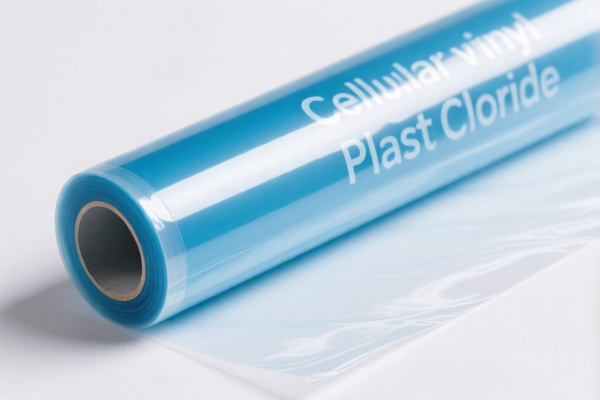
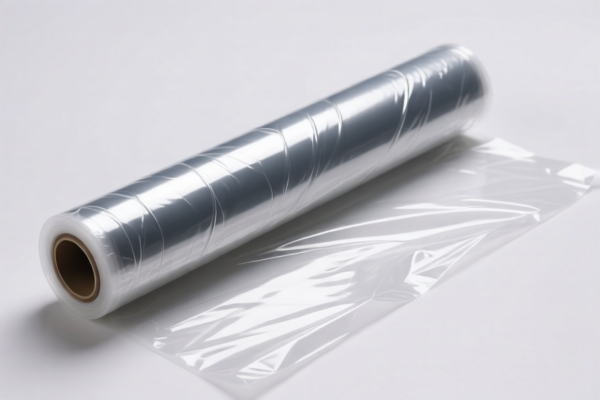
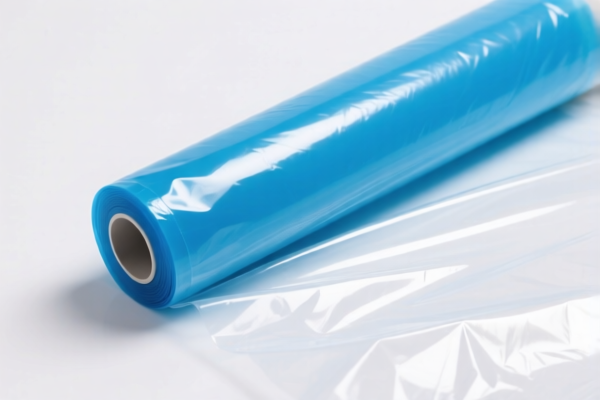
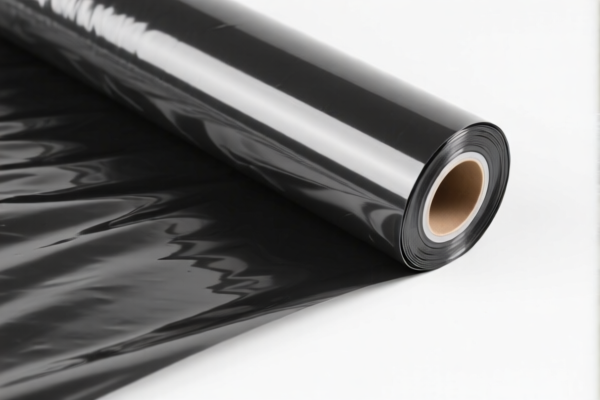
AI Analysis
🎬 Non-Cellular PVC Plastic Food Packaging Film (PVC Sheets/Film)
🌐 HS Code Reference & Clearance Guide | 2026 Latest Tariff Analysis | Professional Customs Strategy
📌 I. Product Definition & Classification: Do You Really Understand "PVC Film"?
Non-cellular PVC film is a transparent, flexible plastic material widely used in food packaging (e.g., blister packs, shrink wrap, cold-cut meat trays). In international trade, PVC films are classified based on two critical factors:
1. Presence of Plasticizers: Does it contain ≥6% plasticizers by weight?
2. Physical Form: Is it cellular (foamed) or non-cellular (solid)?
⚠️ Key Distinction Point:
- Flexible, Soft PVC Film: Typically contains plasticizers to make it pliable → HS 3920.43.50.00
- Rigid or Unplasticized PVC Sheets/Film: No or <6% plasticizers → HS 3920.49.00.00
📦 II. HS Code Classification Details (2026 Latest Tariff Authority Comparison)
| HS Code | Product Description | Application Scenario | Plasticizer Content |
|---|---|---|---|
3920.43.50.00 |
Other plates, sheets, film, foil and strip, of plastics, noncellular and not reinforced, laminated, supported or similarly combined with other materials: Of polymers of vinyl chloride: Containing by weight not less than 6 percent of plasticizers: Other | Flexible PVC food packaging film, blister packs, shrink wrap | ✅ ≥6% |
3920.49.00.00 |
Other plates, sheets, film, foil and strip, of plastics, noncellular and not reinforced, laminated, supported or similarly combined with other materials: Of polymers of vinyl chloride: Other | Rigid PVC sheets, unplasticized PVC film, construction-grade PVC | ❌ <6% or None |
🔍 Critical Reminder:
- Food Packaging PVC Film is usually flexible, meaning it must contain plasticizers → Falls under 3920.43.50.00.
- If the product is rigid PVC sheet (e.g., for signboards or construction), it may fall under 3920.49.00.00, but this is rare for food packaging films.
💰 III. 2026 Latest Tariff Rate Details (Including Additional Taxes)
✅ Applicable Country: United States (US)
✅ Origin: China (CN)
✅ Effective Date: November 10, 2025 (for subsequent imports)
🎯 1. 3920.43.50.00 —— Flexible PVC Film (≥6% Plasticizers)
| Item | Content |
|---|---|
| Base Tariff Rate | 4.2% (ad valorem) |
| Additional Tariff (USITC) | +25.0% (Section 301 Duties) |
| Total Tariff Rate | 29.2% |
| Tax Calculation | CIF Value × 29.2% |
| De Minimis Exemption Eligible? | ❌ No (deny_de_minimis) |
| Legal Basis Path | USITC:3920.43.50.00 → FOOTNOTE:3920.43.50.00 (Section 301) |
📌 Explanation:
- The base tariff of 4.2% applies to non-cellular PVC sheets/film under Chapter 39.
- The +25% additional tariff is imposed under Section 301 of the Trade Act of 1974 against Chinese goods.
- Total: 29.2% — This is a high tariff burden, requiring precise classification to avoid overpayment.
🎯 2. 3920.49.00.00 —— Rigid/Unplasticized PVC Sheets (Other PVC)
| Item | Content |
|---|---|
| Base Tariff Rate | 0.0% |
| Additional Tariff (USITC) | 0.0% |
| Total Tariff Rate | 0.0% |
| Tax Calculation | CIF Value × 0.0% |
| De Minimis Exemption Eligible? | ✅ Yes (if value < $800) |
| Legal Basis Path | USITC:3920.49.00.00 |
📌 Note:
- This code has 0% tariff because it is not classified as flexible PVC packaging film.
- However, misclassification is risky: If customs inspectors determine your "rigid" PVC is actually flexible food packaging film, they will reclassify it to 3920.43.50.00 and charge 29.2% + penalties.
🛠️ IV. Clearance Practical Advice (Real-World Pitfall Avoidance Guide)
✅ 1. Required Documentation Checklist (All Mandatory)
| Document | Must Provide | Explanation |
|---|---|---|
| ✅ Product Specification Sheet | ✔️ | Thickness, width, length, plasticizer content %, food-contact certification |
| ✅ Material Safety Data Sheet (MSDS) | ✔️ | Proves plasticizer content (<6% or ≥6%) |
| ✅ Product Photos | ✔️ | Clear images showing flexibility, packaging type, and label |
| ✅ Food Contact Certification | ✔️ | FDA 21 CFR, EU 10/2011, or equivalent |
| ✅ Commercial Invoice | ✔️ | Clearly state “Non-cellular PVC Film, Flexible, Food Grade” |
| ✅ Packing List | ✔️ | Show dimensions, weight, and whether rolls or sheets |
✅ 2. Declaration Strategy (Key Mantra)
🔥 “Flexible = 6%+, Rigid = 0%. Name it Right, Tax it Right!”
| Scenario | Correct Declaration | Wrong Approach |
|---|---|---|
| Flexible PVC Food Packaging Film | 3920.43.50.00 (29.2%) |
Misdeclare as “plastic sheet” → 0% → Audit Risk |
| Rigid PVC Signboard Sheet | 3920.49.00.00 (0%) |
Misdeclare as “packaging film” → 29.2% → Overpayment |
| Unplasticized PVC Film (<6% plasticizers) | 3920.49.00.00 (0%) |
Overdeclare plasticizer content → 29.2% → Overpayment |
✅ 3. Special Case Handling
| Situation | Handling Advice |
|---|---|
| OEM Custom PVC Film | Provide customer PO + technical specs to prove plasticizer content |
| Multi-layer Laminated PVC | If PVC is the essential character, classify under PVC code (3920.43.50.00) |
| Recycled PVC Film | Still classified under 3920.43.50.00 if flexible; recycling status doesn’t change HS |
| Sample vs. Bulk | Samples under $800 may qualify for de minimis if declared correctly, but bulk imports do not |
🌍 V. Global Market Clearance Comparison (2026 Latest)
| Country/Region | Recommended HS Code | Tariff | Certification Requirement | Notes |
|---|---|---|---|---|
| 🇺🇸 United States | 3920.43.50.00 |
29.2% (China origin) | FDA + Section 301 | High tariff for flexible PVC |
| 🇨🇳 China | 3920.43.50.00 |
5.5% | None | Low import duty |
| 🇪🇺 European Union | 3920.43.50.00 |
6.5% | REACH + Food Contact | No Section 301 equivalent |
| 🇯🇵 Japan | 3920.43.50.00 |
6.0% | JIS Food Safety | Moderate tariff |
| 🇦🇺 Australia | 3920.43.50.00 |
5.0% | Australian Food Standards | Low tariff |
📌 Conclusion:
- The US is the most challenging market for flexible PVC film due to 29.2% total tariff.
- EU, Japan, and Australia have moderate tariffs (5–6.5%) with no additional punitive duties.
- Diversify supply chains if targeting the US market to mitigate tariff impact.
📌 VI. Common Mistakes & Pitfall Avoidance (Blood Lessons)
❌ Mistake 1: Declaring flexible PVC film as “plastic sheet” to get 0% tariff
👉 Consequence: Customs audit → Reclassification to 3920.43.50.00 → 29.2% + Penalties
❌ Mistake 2: Ignoring plasticizer content declaration
👉 Consequence: Unclear classification → Delay in clearance or rejection
❌ Mistake 3: Using “PVC Packaging” as the only description
👉 Consequence: Vague description → Customs requests additional documentation → Delays
❌ Mistake 4: Assuming all PVC films are flexible
👉 Consequence: Misclassification → Overpayment of duties
✅ Correct Declaration Example:
“Non-cellular Flexible PVC Film, Food Grade, 0.05mm Thickness, Contains 12% Plasticizers, for Cold-Cut Meat Packaging, Roll Form, Made in China”
🎯 VII. Conclusion: Precise Classification Saves Cost!
🎯 Remember the Mantra:
🔹 “Flexible = 6%+ Plasticizers = 29.2% Tax”
🔹 “Rigid = <6% Plasticizers = 0% Tax”
🔹 “Misclassification = Penalties + Delays + Cost”
📌 Pro Tip:
- If your PVC film has <6% plasticizers, declare it as “Unplasticized PVC Sheet” under 3920.49.00.00 for 0% tariff.
- For flexible food packaging, prepare FDA certification and MSDS to prove plasticizer content.
- Consider pre-ruling application with US Customs to confirm classification before shipment.
📣 Immediate Action:
📞 Contact a licensed customs broker + Provide product specs + Apply for Binding Ruling
🚀 Ensure smooth clearance, accurate taxation, and maximized profit margins!
✨ Professional clearance starts with precise classification!
💼 Every penny saved is profit earned!
Customer Reviews
About HS Code Classification
The Harmonized System (HS) is an internationally standardized nomenclature developed by the World Customs Organization (WCO) to classify traded products. Over 200 countries use the HS system as the basis for customs tariffs, trade statistics, and import/export regulations.
Each HS code follows a hierarchical structure:
- Chapter (2 digits) — Broad category of goods (e.g., Chapter 84: Machinery and Mechanical Appliances)
- Heading (4 digits) — More specific grouping within the chapter
- Subheading (6 digits) — Internationally standardized breakdown, used by all WCO member countries
- National subdivisions (8-10 digits) — Country-specific extensions for further classification, such as US HTSUS 10-digit codes
Correct HS code classification is essential for smooth customs clearance, accurate duty payment, and compliance with trade regulations. Misclassification can lead to customs delays, overpayment of duties, or penalties.
When importing from CN to US, the applicable tariff rates may include:
- Most-Favored-Nation (MFN) rate — The standard duty rate applied to WTO members
- General rate — Applied to countries without trade agreements
- Trade remedy duties — Additional tariffs such as Section 301 (anti-dumping), Section 232 (national security), or countervailing duties
The information provided on this page is for reference purposes only. For official classification, please consult with your local customs authority or a licensed customs broker.