Non coniferous Fence Palings
CN → US| HS编码 | 关税税率 | 原产国 | 目的国 | 文档 |
|---|---|---|---|---|
| 4418999195 | 38.2% | CN | US | 官方文档 |
| 4407990295 | 35.0% | CN | US | 官方文档 |
| 4418999140 | 38.2% | CN | US | 官方文档 |
| 4407290296 | 35.0% | CN | US | 官方文档 |
| 4421997040 | 35.0% | CN | US | 官方文档 |
商品图片
AI分析
🌲 Non Coniferous Fence Palings: HS Code Classification & Tariff Breakdown (2026)
🌐 HS Code Reference & Customs Clearance Guide | 2026 Latest Tariff Rates | Professional Strategy
📌 I. Product Definition & Classification: What Exactly Are "Non Coniferous Fence Palings"?
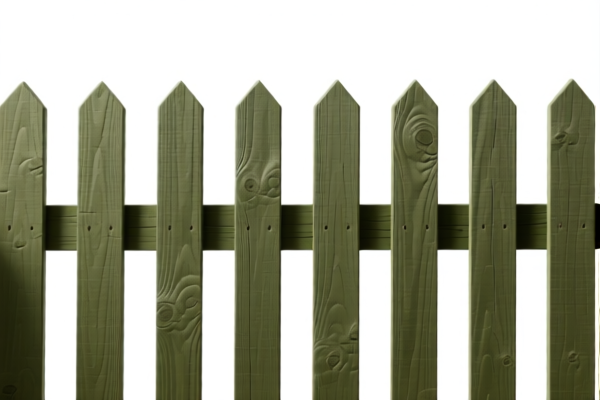
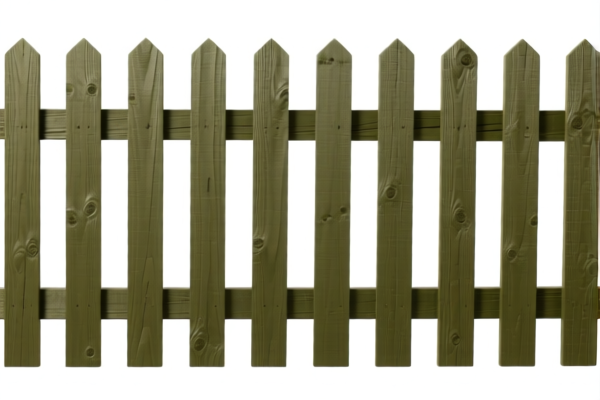
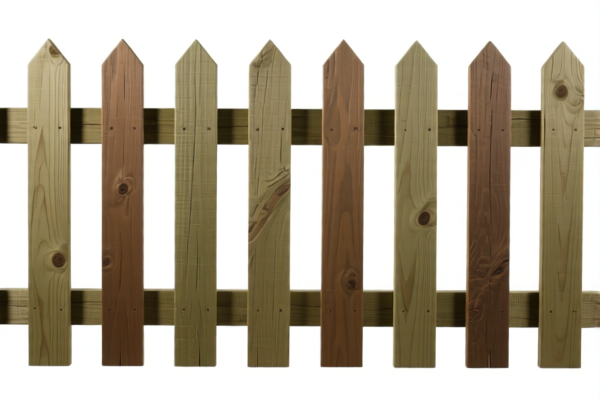
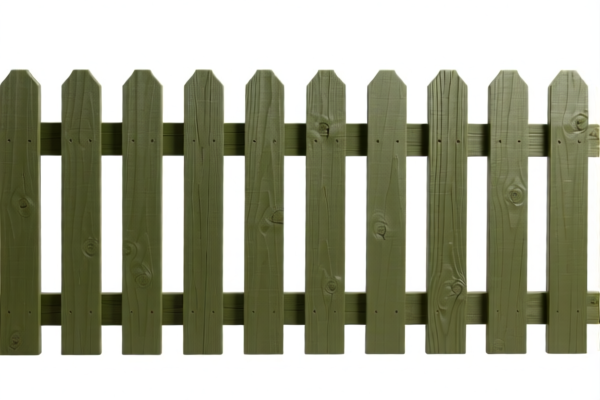
Non coniferous fence palings refer to wooden fencing components made from hardwoods (non-coniferous trees like Oak, Acacia, Ironwood, etc.), typically sliced, sawn, or planed into flat strips or posts used for constructing fences.
In international trade, these products are not treated as a single commodity. Their classification depends heavily on their physical form (raw timber vs. processed building material) and specific application (structural member vs. decorative slat).
⚠️ Critical Distinction:
- If the wood is processed into specific building components (like pre-fabricated structures or finished slats for fencing), it often falls under Chapter 44 "Articles of Wood" with higher附加 taxes due to being "manufactured goods."
- If the wood is in its primary processed state (sawn/sliced but not assembled into a structural unit), it may fall under Chapter 44 "Wood and Articles of Wood" (Sawn Wood) which might have different base duties.
📦 II. HS Code Classification Details (2026 Latest Tariff Authority Cross-Reference)
Based on the provided data, here are the 5 specific HS Codes applicable to Non Coniferous Fence Palings:
| HS Code | Product Description | Application Scenario | Processing State |
|---|---|---|---|
4418.99.91.95 |
Non-coniferous fence palings, classified as other building wood | Finished fence slats, pre-cut panels for immediate installation | ✅ Processed Building Component |
4407.99.02.95 |
Non-coniferous fence palings, in the form of sawn or chipped wood | Raw sawn timber, sliced wood ready for further manufacturing | ✅ Primary Processed Timber |
4418.99.91.40 |
Non-coniferous fence palings, classified as other pre-fabricated structural wooden components | Pre-assembled fence sections, structural fence elements | ✅ Pre-fabricated Structure |
4407.29.02.96 |
Non-coniferous fence palings, meeting the logic of other tropical woods | Tropical hardwood slats (e.g., Ipe, Teak) sliced for fencing | ✅ Tropical Sawn Wood |
4421.99.70.40 |
Non-coniferous fence posts, classified as sawn piles, rails, and posts | Vertical fence posts, sturdy wooden supports for fences | ✅ Sawn Structural Post |
🔍 Key Reminder:
-4418codes generally apply to finished or semi-finished building wood (like slats, panels, frames). These incur a 3.2% base duty + heavy tariffs.
-4407codes apply to sawn wood (raw timber processed by sawing/chipping). These often have a 0% base duty but still face heavy additional tariffs.
-4421code applies specifically to posts/piles, which are structural supports rather than flat slats.
💰 III. 2026 Latest Tariff Rate Breakdown (Including Surtaxes & Policy Add-ons)
✅ Applicable Country: United States (US)
✅ Country of Origin: China (CN)
✅ Effective Date: From November 10, 2025 (including subsequent imports)
🎯 1. 4418.99.91.95 & 4418.99.91.40 —— Building Wood Components
These codes cover processed fence palings and pre-fabricated structures.
| Item | Detail |
|---|---|
| Base Duty Rate | 3.2% (Ad Valorem) |
| Section 301 Surtax | +25.0% (Added tariff under US Trade Act Section 301) |
| Section 122 Tariff | +10.0% (Specific 122 Clause Tariff) |
| Total Tax Rate | 38.2% |
| Tax Calculation | CIF Value × 38.2% |
| De Minimis Exemption Eligible? | ❌ NO (Denied) |
| Legal Basis Path | Base: 3.2% → Section 301: +25% → Section 122: +10% |
📌 Explanation:
- The 3.2% base duty is the standard MFN rate for these building wood articles.
- The 25% surtax is the heavy Section 301 tariff on Chinese wooden products.
- The 10% Section 122 tariff is an additional penalty tariff applied to specific Chinese wood imports.
- Total 38.2% is extremely high. This classification is for finished or pre-fab items, which are heavily targeted by trade policies.
🎯 2. 4407.99.02.95, 4407.29.02.96, & 4421.99.70.40 —— Sawn/Tropical Wood & Posts
These codes cover sawn wood, tropical timber, and fence posts. They benefit from a lower base duty.
| Item | Detail |
|---|---|
| Base Duty Rate | 0.0% (Ad Valorem) |
| Section 301 Surtax | +25.0% |
| Section 122 Tariff | +10.0% |
| Total Tax Rate | 35.0% |
| Tax Calculation | CIF Value × 35.0% |
| De Minimis Exemption Eligible? | ❌ NO (Denied) |
| Legal Basis Path | Base: 0.0% → Section 301: +25% → Section 122: +10% |
📌 Note:
- Even though the base duty is 0%, the 35.0% total tax is still significant due to the added tariffs.
-4407.99.02.95and4407.29.02.96apply to sawn/sliced wood in its rawer state.
-4421.99.70.40applies specifically to fence posts (structural verticals), not flat slats.
- Tropical woods (4407.29.02.96) follow the same tax logic but are classified differently due to species origin.
🛠️ IV. Customs Clearance Practical Advice (Avoiding Pitfalls)
✅ 1. Document Checklist (Mandatory)
| Document | Required? | Description |
|---|---|---|
| ✅ Product Specification Sheet | ✔️ | Must detail wood species (e.g., Acacia, Oak), dimensions, moisture content, and treatment (heat-treated/fumigated). |
| ✅ Photographs | ✔️ | Clear photos showing the cross-section, end grain, and finished state (slat vs. post). Crucial for distinguishing 4407 (sawn) from 4418 (building wood). |
| ✅ Commercial Invoice | ✔️ | Must explicitly state "Non-coniferous Fence Palings" and specify if they are "Sawn Wood" or "Building Components." |
| ✅ Phytosanitary Certificate | ✔️ | Mandatory for all wood products to prove no pests/diseases. |
| ✅ ISPM 15 Marking | ✔️ | If pallets are used, they must be heat-treated and marked. |
| ✅ Country of Origin Certificate | ✔️ | To verify CN origin and apply correct surtaxes. |
✅ 2. Declaration Strategy (Key Tips)
🔥 “Define Form Clearly: Sawn vs. Building Wood!”
| Scenario | Correct HS Code | Wrong Declaration | Risk |
|---|---|---|---|
| Flat slats for fences | 4418.99.91.95 |
Declare as "Timber" → 4407 |
Misclassification penalty |
| Raw sawn wood strips | 4407.99.02.95 |
Declare as "Fence Panel" → 4418 |
Higher base duty (3.2% vs 0%) |
| Vertical Fence Posts | 4421.99.70.40 |
Declare as "Slats" → 4418 |
Incorrect duty calculation |
| Tropical Hardwood Slats | 4407.29.02.96 |
Declare as "Coniferous" → Error | Rejection due to species mismatch |
📌 Warning:
- Do not combine flat slats (4418) and posts (4421) in the same line item if possible. Customs may scrutinize mixed declarations.
- Ensure the wood species is clearly stated. "Non-coniferous" is broad; specifying "Acacia" or "Oak" helps avoid delays.
✅ 3. Special Handling Cases
| Case | Advice |
|---|---|
| Heat-Treated Wood | Ensure ISPM 15 compliance. Untreated wood will be refused entry. |
| Mixed Shipments | If a container has both palings and posts, declare separately on the customs entry. |
| Customs Valuation | CIF value must include cost, insurance, and freight. Under-declaring leads to severe penalties. |
| 122 Clause Impact | Remember the 10% Section 122 tariff is applied on top of the 25% Section 301. It is not discounted. |
🌍 V. Global Market Comparison (2026)
| Country/Region | Recommended HS Code | Total Tax (China Origin) | Certification | Notes |
|---|---|---|---|---|
| 🇺🇸 USA | 4418.99.91.95 / 4407.99.02.95 |
38.2% or 35.0% | Phytosanitary + ISPM 15 | High tariffs; no de minimis |
| 🇨🇳 China | 4418 / 4407 |
~5-10% (Import Duty) | N/A | Lower barriers for export |
| 🇪🇺 EU | 4418 / 4407 |
~0-5% | Fumigation Certificate | No Section 301/122 tariffs |
| 🇬🇧 UK | 4418 / 4407 |
~0-5% | Fumigation Certificate | Post-Brexit rules apply |
📌 Conclusion:
- USA is the most challenging market due to the combination of Base Duty + 25% Section 301 + 10% Section 122.
- Total cost impact is nearly 35-38% of the CIF value.
- Consider pricing strategies to absorb these costs or explore supply chain diversification if feasible.
📌 VI. Common Mistakes & Pitfalls (Lessons Learned)
❌ Mistake 1: Declaring "Fence Palings" without specifying if they are sawn wood (4407) or building components (4418).
👉 Result: Customs may select the higher-tax category (4418) by default → Higher duty + delays.
❌ Mistake 2: Ignoring the Section 122 10% tariff.
👉 Result: Underestimating total landed cost by 10%, leading to budget overruns.
❌ Mistake 3: Misidentifying wood species (e.g., claiming tropical wood but submitting non-tropical).
👉 Result: Flagged for inspection, possible seizure if species mismatch is found.
❌ Mistake 4: Forgetting Phytosanitary Certificate.
👉 Result: Goods held at port, demurrage charges accrue, possible return/destruction.
✅ Best Practice:
"Non-coniferous Sawhardwood Fence Palings, Heat-Treated, ISPM 15 Marked, HS Code: 4418.99.91.95, Origin: China, CIF Value: $X, Total Duty: 38.2%"
🎯 VII. Conclusion: Precision in Classification, Profit in Clearance!
🎯 Key Takeaways:
🔹 Base Duty Difference:
4418(3.2%) vs.4407(0%).
🔹 Added Tariffs: Both face +25% (301) and +10% (122).
🔹 Total Impact: 38.2% for building components, 35.0% for sawn wood.
🔹 No De Minimis: Even small shipments are taxed.
📌 Pro Tip:
If you are importing fence posts, use 4421.99.70.40. If you are importing flat slats, decide if they are raw sawn (4407) or pre-fab (4418) based on finishing level. Pre-fab items cost more in base duty.
📣 Action Required:
📞 Consult a licensed customs broker before shipment.
📄 Prepare accurate product descriptions and phytosanitary certificates.
💸 Budget for ~35-38% in total tariffs for US imports from China.
✨ Professional Customs Clearance Starts with Accurate Classification!
💼 Every dollar saved on misclassification is pure profit!
用户评价
关于 HS 编码归类
协调制度(HS)是由世界海关组织(WCO)制定的国际贸易商品分类标准。全球 200 多个国家采用 HS 系统作为海关关税、贸易统计和进出口监管的基础。
每个 HS 编码遵循以下层级结构:
- 章(2 位)——商品大类(例如:第 84 章:机器和机械设备)
- 品目(4 位)——章内的更具体分类
- 子目(6 位)——国际通用细分,所有 WCO 成员国统一使用
- 本国细分(8-10 位)——各国自行扩展的细分编码,如美国 HTSUS 10 位编码
正确的 HS 编码归类对于顺利通关、准确缴纳关税和遵守贸易法规至关重要。错误归类可能导致海关延误、多缴关税或罚款。
从CN进口到US时,适用的关税税率可能包括:
- 最惠国(MFN)税率——适用于 WTO 成员国的标准关税税率
- 普通税率——适用于无贸易协定国家
- 贸易救济关税——附加关税,如 301 条款(反倾销)、232 条款(国家安全)或反补贴税
本页内容仅供参考。如需正式归类,请咨询当地海关或持牌报关代理。