Non coniferous Fence Palings
CN → US| HS Code | Tariff Rate | Origin | Destination | Doc |
|---|---|---|---|---|
| 4418999195 | 38.2% | CN | US | Official Doc |
| 4407990295 | 35.0% | CN | US | Official Doc |
| 4418999140 | 38.2% | CN | US | Official Doc |
| 4407290296 | 35.0% | CN | US | Official Doc |
| 4421997040 | 35.0% | CN | US | Official Doc |
Product Images
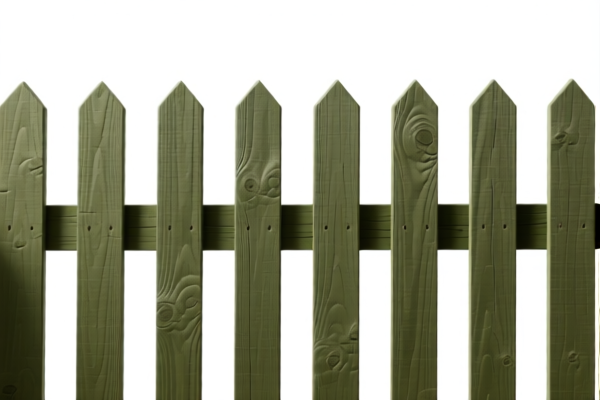
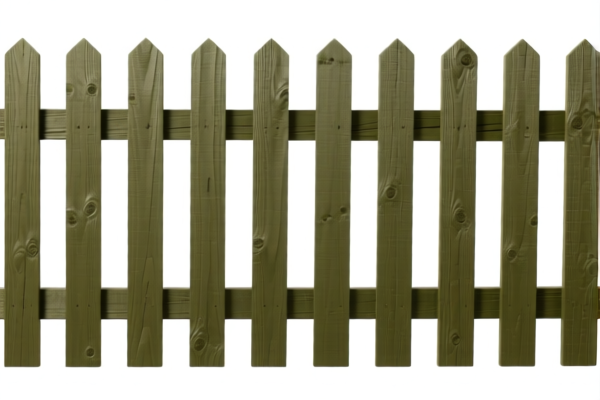
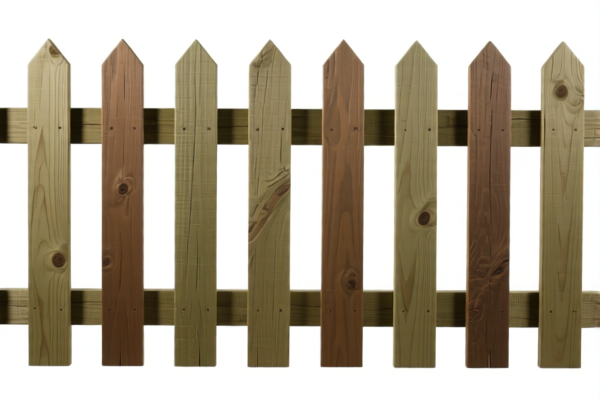
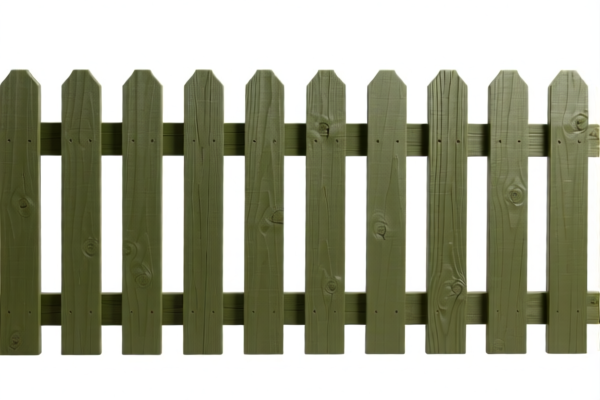
AI Analysis
🌲 Non Coniferous Fence Palings: HS Code Classification & Tariff Breakdown (2026)
🌐 HS Code Reference & Customs Clearance Guide | 2026 Latest Tariff Rates | Professional Strategy
📌 I. Product Definition & Classification: What Exactly Are "Non Coniferous Fence Palings"?
Non coniferous fence palings refer to wooden fencing components made from hardwoods (non-coniferous trees like Oak, Acacia, Ironwood, etc.), typically sliced, sawn, or planed into flat strips or posts used for constructing fences.
In international trade, these products are not treated as a single commodity. Their classification depends heavily on their physical form (raw timber vs. processed building material) and specific application (structural member vs. decorative slat).
⚠️ Critical Distinction:
- If the wood is processed into specific building components (like pre-fabricated structures or finished slats for fencing), it often falls under Chapter 44 "Articles of Wood" with higher附加 taxes due to being "manufactured goods."
- If the wood is in its primary processed state (sawn/sliced but not assembled into a structural unit), it may fall under Chapter 44 "Wood and Articles of Wood" (Sawn Wood) which might have different base duties.
📦 II. HS Code Classification Details (2026 Latest Tariff Authority Cross-Reference)
Based on the provided data, here are the 5 specific HS Codes applicable to Non Coniferous Fence Palings:
| HS Code | Product Description | Application Scenario | Processing State |
|---|---|---|---|
4418.99.91.95 |
Non-coniferous fence palings, classified as other building wood | Finished fence slats, pre-cut panels for immediate installation | ✅ Processed Building Component |
4407.99.02.95 |
Non-coniferous fence palings, in the form of sawn or chipped wood | Raw sawn timber, sliced wood ready for further manufacturing | ✅ Primary Processed Timber |
4418.99.91.40 |
Non-coniferous fence palings, classified as other pre-fabricated structural wooden components | Pre-assembled fence sections, structural fence elements | ✅ Pre-fabricated Structure |
4407.29.02.96 |
Non-coniferous fence palings, meeting the logic of other tropical woods | Tropical hardwood slats (e.g., Ipe, Teak) sliced for fencing | ✅ Tropical Sawn Wood |
4421.99.70.40 |
Non-coniferous fence posts, classified as sawn piles, rails, and posts | Vertical fence posts, sturdy wooden supports for fences | ✅ Sawn Structural Post |
🔍 Key Reminder:
-4418codes generally apply to finished or semi-finished building wood (like slats, panels, frames). These incur a 3.2% base duty + heavy tariffs.
-4407codes apply to sawn wood (raw timber processed by sawing/chipping). These often have a 0% base duty but still face heavy additional tariffs.
-4421code applies specifically to posts/piles, which are structural supports rather than flat slats.
💰 III. 2026 Latest Tariff Rate Breakdown (Including Surtaxes & Policy Add-ons)
✅ Applicable Country: United States (US)
✅ Country of Origin: China (CN)
✅ Effective Date: From November 10, 2025 (including subsequent imports)
🎯 1. 4418.99.91.95 & 4418.99.91.40 —— Building Wood Components
These codes cover processed fence palings and pre-fabricated structures.
| Item | Detail |
|---|---|
| Base Duty Rate | 3.2% (Ad Valorem) |
| Section 301 Surtax | +25.0% (Added tariff under US Trade Act Section 301) |
| Section 122 Tariff | +10.0% (Specific 122 Clause Tariff) |
| Total Tax Rate | 38.2% |
| Tax Calculation | CIF Value × 38.2% |
| De Minimis Exemption Eligible? | ❌ NO (Denied) |
| Legal Basis Path | Base: 3.2% → Section 301: +25% → Section 122: +10% |
📌 Explanation:
- The 3.2% base duty is the standard MFN rate for these building wood articles.
- The 25% surtax is the heavy Section 301 tariff on Chinese wooden products.
- The 10% Section 122 tariff is an additional penalty tariff applied to specific Chinese wood imports.
- Total 38.2% is extremely high. This classification is for finished or pre-fab items, which are heavily targeted by trade policies.
🎯 2. 4407.99.02.95, 4407.29.02.96, & 4421.99.70.40 —— Sawn/Tropical Wood & Posts
These codes cover sawn wood, tropical timber, and fence posts. They benefit from a lower base duty.
| Item | Detail |
|---|---|
| Base Duty Rate | 0.0% (Ad Valorem) |
| Section 301 Surtax | +25.0% |
| Section 122 Tariff | +10.0% |
| Total Tax Rate | 35.0% |
| Tax Calculation | CIF Value × 35.0% |
| De Minimis Exemption Eligible? | ❌ NO (Denied) |
| Legal Basis Path | Base: 0.0% → Section 301: +25% → Section 122: +10% |
📌 Note:
- Even though the base duty is 0%, the 35.0% total tax is still significant due to the added tariffs.
-4407.99.02.95and4407.29.02.96apply to sawn/sliced wood in its rawer state.
-4421.99.70.40applies specifically to fence posts (structural verticals), not flat slats.
- Tropical woods (4407.29.02.96) follow the same tax logic but are classified differently due to species origin.
🛠️ IV. Customs Clearance Practical Advice (Avoiding Pitfalls)
✅ 1. Document Checklist (Mandatory)
| Document | Required? | Description |
|---|---|---|
| ✅ Product Specification Sheet | ✔️ | Must detail wood species (e.g., Acacia, Oak), dimensions, moisture content, and treatment (heat-treated/fumigated). |
| ✅ Photographs | ✔️ | Clear photos showing the cross-section, end grain, and finished state (slat vs. post). Crucial for distinguishing 4407 (sawn) from 4418 (building wood). |
| ✅ Commercial Invoice | ✔️ | Must explicitly state "Non-coniferous Fence Palings" and specify if they are "Sawn Wood" or "Building Components." |
| ✅ Phytosanitary Certificate | ✔️ | Mandatory for all wood products to prove no pests/diseases. |
| ✅ ISPM 15 Marking | ✔️ | If pallets are used, they must be heat-treated and marked. |
| ✅ Country of Origin Certificate | ✔️ | To verify CN origin and apply correct surtaxes. |
✅ 2. Declaration Strategy (Key Tips)
🔥 “Define Form Clearly: Sawn vs. Building Wood!”
| Scenario | Correct HS Code | Wrong Declaration | Risk |
|---|---|---|---|
| Flat slats for fences | 4418.99.91.95 |
Declare as "Timber" → 4407 |
Misclassification penalty |
| Raw sawn wood strips | 4407.99.02.95 |
Declare as "Fence Panel" → 4418 |
Higher base duty (3.2% vs 0%) |
| Vertical Fence Posts | 4421.99.70.40 |
Declare as "Slats" → 4418 |
Incorrect duty calculation |
| Tropical Hardwood Slats | 4407.29.02.96 |
Declare as "Coniferous" → Error | Rejection due to species mismatch |
📌 Warning:
- Do not combine flat slats (4418) and posts (4421) in the same line item if possible. Customs may scrutinize mixed declarations.
- Ensure the wood species is clearly stated. "Non-coniferous" is broad; specifying "Acacia" or "Oak" helps avoid delays.
✅ 3. Special Handling Cases
| Case | Advice |
|---|---|
| Heat-Treated Wood | Ensure ISPM 15 compliance. Untreated wood will be refused entry. |
| Mixed Shipments | If a container has both palings and posts, declare separately on the customs entry. |
| Customs Valuation | CIF value must include cost, insurance, and freight. Under-declaring leads to severe penalties. |
| 122 Clause Impact | Remember the 10% Section 122 tariff is applied on top of the 25% Section 301. It is not discounted. |
🌍 V. Global Market Comparison (2026)
| Country/Region | Recommended HS Code | Total Tax (China Origin) | Certification | Notes |
|---|---|---|---|---|
| 🇺🇸 USA | 4418.99.91.95 / 4407.99.02.95 |
38.2% or 35.0% | Phytosanitary + ISPM 15 | High tariffs; no de minimis |
| 🇨🇳 China | 4418 / 4407 |
~5-10% (Import Duty) | N/A | Lower barriers for export |
| 🇪🇺 EU | 4418 / 4407 |
~0-5% | Fumigation Certificate | No Section 301/122 tariffs |
| 🇬🇧 UK | 4418 / 4407 |
~0-5% | Fumigation Certificate | Post-Brexit rules apply |
📌 Conclusion:
- USA is the most challenging market due to the combination of Base Duty + 25% Section 301 + 10% Section 122.
- Total cost impact is nearly 35-38% of the CIF value.
- Consider pricing strategies to absorb these costs or explore supply chain diversification if feasible.
📌 VI. Common Mistakes & Pitfalls (Lessons Learned)
❌ Mistake 1: Declaring "Fence Palings" without specifying if they are sawn wood (4407) or building components (4418).
👉 Result: Customs may select the higher-tax category (4418) by default → Higher duty + delays.
❌ Mistake 2: Ignoring the Section 122 10% tariff.
👉 Result: Underestimating total landed cost by 10%, leading to budget overruns.
❌ Mistake 3: Misidentifying wood species (e.g., claiming tropical wood but submitting non-tropical).
👉 Result: Flagged for inspection, possible seizure if species mismatch is found.
❌ Mistake 4: Forgetting Phytosanitary Certificate.
👉 Result: Goods held at port, demurrage charges accrue, possible return/destruction.
✅ Best Practice:
"Non-coniferous Sawhardwood Fence Palings, Heat-Treated, ISPM 15 Marked, HS Code: 4418.99.91.95, Origin: China, CIF Value: $X, Total Duty: 38.2%"
🎯 VII. Conclusion: Precision in Classification, Profit in Clearance!
🎯 Key Takeaways:
🔹 Base Duty Difference:
4418(3.2%) vs.4407(0%).
🔹 Added Tariffs: Both face +25% (301) and +10% (122).
🔹 Total Impact: 38.2% for building components, 35.0% for sawn wood.
🔹 No De Minimis: Even small shipments are taxed.
📌 Pro Tip:
If you are importing fence posts, use 4421.99.70.40. If you are importing flat slats, decide if they are raw sawn (4407) or pre-fab (4418) based on finishing level. Pre-fab items cost more in base duty.
📣 Action Required:
📞 Consult a licensed customs broker before shipment.
📄 Prepare accurate product descriptions and phytosanitary certificates.
💸 Budget for ~35-38% in total tariffs for US imports from China.
✨ Professional Customs Clearance Starts with Accurate Classification!
💼 Every dollar saved on misclassification is pure profit!
Customer Reviews
About HS Code Classification
The Harmonized System (HS) is an internationally standardized nomenclature developed by the World Customs Organization (WCO) to classify traded products. Over 200 countries use the HS system as the basis for customs tariffs, trade statistics, and import/export regulations.
Each HS code follows a hierarchical structure:
- Chapter (2 digits) — Broad category of goods (e.g., Chapter 84: Machinery and Mechanical Appliances)
- Heading (4 digits) — More specific grouping within the chapter
- Subheading (6 digits) — Internationally standardized breakdown, used by all WCO member countries
- National subdivisions (8-10 digits) — Country-specific extensions for further classification, such as US HTSUS 10-digit codes
Correct HS code classification is essential for smooth customs clearance, accurate duty payment, and compliance with trade regulations. Misclassification can lead to customs delays, overpayment of duties, or penalties.
When importing from CN to US, the applicable tariff rates may include:
- Most-Favored-Nation (MFN) rate — The standard duty rate applied to WTO members
- General rate — Applied to countries without trade agreements
- Trade remedy duties — Additional tariffs such as Section 301 (anti-dumping), Section 232 (national security), or countervailing duties
The information provided on this page is for reference purposes only. For official classification, please consult with your local customs authority or a licensed customs broker.