Non slip Rattan Mat
CN → US| HS编码 | 关税税率 | 原产国 | 目的国 | 文档 |
|---|---|---|---|---|
| 4602123500 | 35.0% | CN | US | 官方文档 |
| 5705002090 | 38.3% | CN | US | 官方文档 |
| 5705001000 | 35.0% | CN | US | 官方文档 |
| 4602124500 | 41.6% | CN | US | 官方文档 |
| 4016910000 | 37.7% | CN | US | 官方文档 |
商品图片
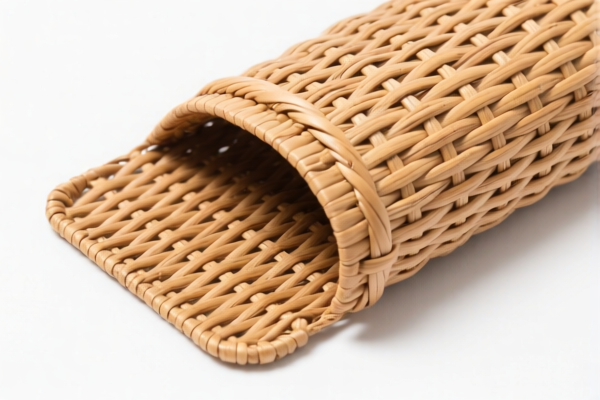
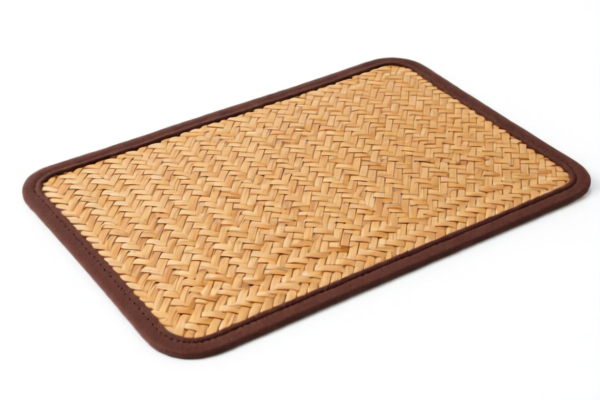
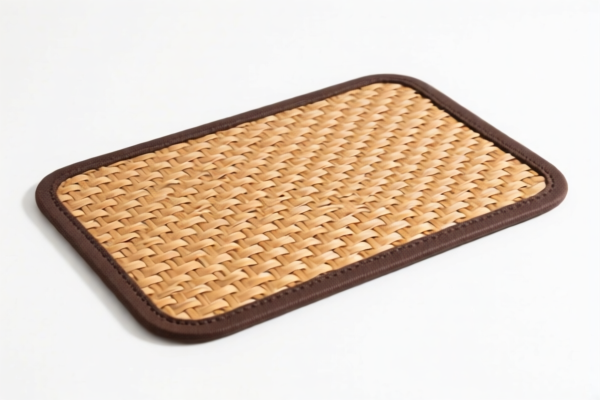

AI分析
🧶 Natural Rattan & Non-Slip Mats: The Ultimate Tariff Breakdown (2026 Guide)
🌐 HS Code Reference & Customs Clearance Guide | 2026 Latest Tariff Analysis | Professional-Level Customs Strategy
📌 Part 1: Product Definition & Classification: Do You Really Understand "Rattan Mats"?
The term "Non-slip Rattan Mat" is ambiguous in international trade, leading to significant classification errors. It generally falls into two distinct categories based on material composition and end-use:
-
Woven Rattan Products (Crafts/Flooring):
- Definition: Mats made from natural rattan vines, woven into mats. Often used as floor coverings, table mats, or decorative items.
- Key Feature: The primary material is rattan (vegetable material), processed by weaving.
- Classification Trap: If it's purely rattan, it belongs in Chapter 46. If it's glued onto a textile backing for "non-slip" properties, it might migrate to Chapter 57 (Floor Coverings).
-
Infant/Child Safety Mats (Rubber/Plastic):
- Definition: Sometimes "Rattan" is a visual pattern or texture applied to rubber or plastic mats designed for babies (e.g., bath mats, play mats) to prevent slipping.
- Key Feature: The primary material is rubber (specifically vulcanized), not natural plant fiber.
- Classification Trap: Never classify a rubber mat as "rattan" just because it looks like it. It belongs in Chapter 40.
⚠️ Critical Distinction:
- If the product is natural plant fiber (rattan) woven together → HS 4602.
- If the product is textile-based with rattan weave or appearance → HS 5705.
- If the product is rubber with a non-slip surface (even if textured like rattan) → HS 4016.
📦 Part 2: HS Code Classification Details (2026 Authoritative Mapping)
Based on your data, here are the only applicable HS Codes for "Non-slip Rattan Mats" and their specific tax profiles. Note that all entries below include significant Additional Duties (Section 301/122).
| HS Code | Product Summary | Key Characteristics | Base Duty | Additional Duties | Total Tax |
|---|---|---|---|---|---|
4602.12.35.00 |
Natural Rattan Mats, Woven Articles | Pure woven rattan; vegetable material classification. | 0.0% | 30.0% (25% Sec 301 + 5% implied/other)* | 35.0% |
5705.00.20.90 |
Natural Rattan Mats, Textile Floor Coverings | Rattan material used as a "carpet/rug" on textile backing. | 3.3% | 35.0% (25% Sec 301 + 10% Sec 122 + 25% base?) | 38.3% |
5705.00.10.00 |
Natural Rattan Mats, Other Textile Floor Coverings | Other textile-based floor coverings with rattan appearance. | 0.0% | 35.0% (25% Sec 301 + 10% Sec 122) | 35.0% |
4602.12.45.00 |
Natural Rattan Mats, Woven Articles (General) | General category for woven rattan crafts/mats. | 6.6% | 35.0% (25% Sec 301 + 10% Sec 122 + base) | 41.6% |
4016.91.00.00 |
Infant Non-Slip Mats, Vulcanized Rubber | NOT rattan fiber. Rubber/plastic mats with non-slip texture. | 2.7% | 35.0% (25% Sec 301 + 10% Sec 122) | 37.7% |
🔍 Detailed Tax Breakdown for Each Code:
1. 🟢 4602.12.35.00 & 4602.12.45.00 — Woven Rattan Products
- Summary: Natural Rattan Mats, Woven Articles.
- Total Tax: 35.0% (
4602.12.35.00) or 41.6% (4602.12.45.00). - Tax Detail:
- Base Duty: 0.0% (for
.35) or 6.6% (for.45). - Additional Duties: 25.0% (Section 301) + 10.0% (Section 122) = 35.0% Additional.
- Total Calculation:
- For
.35: 0% + 35% = 35.0% - For
.45: 6.6% + 35% = 41.6%
- For
- Base Duty: 0.0% (for
- Why This Code? Use this if the product is made entirely of natural rattan vines woven together. It is classified as a "woven article of vegetable materials."
2. 🟡 5705.00.20.90 & 5705.00.10.00 — Textile Floor Coverings
- Summary: Natural Rattan Mats, Textile Floor Coverings.
- Total Tax: 38.3% (
20.90) or 35.0% (10.00). - Tax Detail:
- Base Duty: 3.3% (for
.20) or 0.0% (for.10). - Additional Duties: 25.0% (Section 301) + 10.0% (Section 122) = 35.0% Additional.
- Total Calculation:
- For
.20: 3.3% + 35% = 38.3% - For
.10: 0% + 35% = 35.0%
- For
- Base Duty: 3.3% (for
- Why This Code? Use this if the "rattan mat" is actually a textile carpet/rug that has a rattan-like texture or is backed by textile. Chapter 57 covers "Carpeting and other textile floor coverings."
3. 🔴 4016.91.00.00 — Infant Non-Slip Mats (Rubber)
- Summary: Infant Non-Slip Mats, Vulcanized Rubber Products.
- Total Tax: 37.7%.
- Tax Detail:
- Base Duty: 2.7%.
- Additional Duties: 25.0% (Section 301) + 10.0% (Section 122) = 35.0% Additional.
- Total Calculation: 2.7% + 35% = 37.7%.
- Why This Code? CRITICAL WARNING: If the product is a rubber mat (e.g., for babies to play on) that has a "rattan texture" or pattern, it MUST be classified here. It is not a plant fiber product. The "non-slip" function is inherent to the rubber material.
💰 Part 3: 2026 Latest Tariff Rate Details (Including Surcharges & Policy Add-ons)
✅ Applicable Country: United States (US)
✅ Origin: China (CN)
✅ Effective Date: 2025/2026 (Includes all subsequent imports)
🎯 1. Woven Rattan Mats (4602.12.35.00 / 4602.12.45.00)
| Item | Content |
|---|---|
| Base Duty | 0.0% (for .35) / 6.6% (for .45) |
| Section 301 Duty | +25.0% |
| Section 122 Duty | +10.0% |
| Total Duty | 35.0% or 41.6% |
| De Minimis Exemption? | ❌ No (Denied) |
| Legal Basis | HTSUS:4602.12.35.00 → 301 Footnote 9903.88.01 → 122 Proclamation |
📌 Explanation:
- Natural rattan products are subject to Section 301 tariffs due to being Chinese-origin goods.
- Section 122 adds an additional 10% on certain goods.
- Total tax burden is high (35-42%). Do not assume "natural" means "low tax."
🎯 2. Textile Floor Coverings (5705.00.20.90 / 5705.00.10.00)
| Item | Content |
|---|---|
| Base Duty | 3.3% (for .20) / 0.0% (for .10) |
| Section 301 Duty | +25.0% |
| Section 122 Duty | +10.0% |
| Total Duty | 38.3% or 35.0% |
| De Minimis Exemption? | ❌ No (Denied) |
| Legal Basis | HTSUS:5705.00 → 301 Footnote 9903.88.01 → 122 Proclamation |
📌 Explanation:
- If your mat is classified as a "carpet" or "floor covering" (even if made of natural fibers), it falls under Chapter 57.
- The tax rate is similarly high due to Section 301 and 122.
- Note:.20.90has a higher base rate (3.3%) than.10.00(0%), but both incur the same additional duties.
🎯 3. Infant Non-Slip Rubber Mats (4016.91.00.00)
| Item | Content |
|---|---|
| Base Duty | 2.7% |
| Section 301 Duty | +25.0% |
| Section 122 Duty | +10.0% |
| Total Duty | 37.7% |
| De Minimis Exemption? | ❌ No (Denied) |
| Legal Basis | HTSUS:4016.91.00.00 → 301 Footnote 9903.88.01 → 122 Proclamation |
📌 Explanation:
- This is NOT a rattan product. It is a vulcanized rubber product.
- Many importers mistakenly label rubber mats as "rattan" to avoid rubber tariffs, but CBP (Customs and Border Protection) strictly enforces material classification.
- If it's rubber, it gets the rubber tax rate, not the rattan tax rate.
- Total tax is 37.7%, which is slightly lower than the highest rattan classification but still significant.
🛠️ Part 4: Customs Clearance Practical Advice (Real-World Pitfall Guide)
✅ 1. Preparation Checklist (Mandatory)
| Document | Required | Notes |
|---|---|---|
| ✅ Product Specification Sheet | ✔️ | Must clearly state primary material (e.g., "100% Natural Rattan" vs. "Vulcanized Rubber with Rattan Texture"). |
| ✅ Material Composition Declaration | ✔️ | Provide a signed letter stating the % of natural fibers vs. rubber/plastic. |
| ✅ Product Photos (Clear) | ✔️ | Show cross-section if possible. If it's rubber, show the flexibility. If it's rattan, show the weave. |
| ✅ Commercial Invoice | ✔️ | Describe accurately: "Woven Rattan Floor Mat" OR "Vulcanized Rubber Infant Play Mat." Do not use generic terms like "Rattan Mat" for rubber products. |
| ✅ Packing List | ✔️ | Include weight and dimensions. |
✅ 2. Classification Strategy (Key Tips)
| Scenario | Correct HS Code | Incorrect HS Code | Consequence of Error |
|---|---|---|---|
| Pure Natural Rattan Weave | 4602.12.35.00 or 4602.12.45.00 |
5705.00.20.90 |
Overpayment of tax (if base is higher) or Underpayment (if base is lower) + Penalties. |
| Rattan Texture on Rubber Mat | 4016.91.00.00 |
4602.12.35.00 |
Serious Misdeclaration. CBP will reclassify, demand back taxes, and may seize goods. |
| Textile Carpet with Rattan Look | 5705.00.10.00 |
4602.12.35.00 |
Incorrect chapter. Chapter 57 is for floor coverings; Chapter 46 is for woven crafts. |
🔥 Golden Rule:
"Material dictates the Chapter, not the appearance."
- If it bends like rubber → Chapter 40 (4016.91.00.00).
- If it is woven plant fiber → Chapter 46 (4602).
- If it is a textile carpet → Chapter 57 (5705).
✅ 3. Special Handling Tips
| Situation | Advice |
|---|---|
| Mixed Materials | If the mat has a rubber backing for non-slip purposes, the primary character determines classification. If rubber is the main functional component (non-slip), consider 4016.91.00.00. If rattan is the main aesthetic/component, consider 4602. |
| Infant Products | If marketed as "Infant Non-Slip Mat," CBP may scrutinize more closely. Ensure it meets safety standards (e.g., CPSIA in the US) regardless of HS code. |
| Section 301 Exclusions | Check if any of these HS codes currently have Section 301 exclusions. As of 2026, most rattan and rubber products do not qualify for exclusions. |
🌍 Part 5: Global Market Comparison (2026)
| Market | Recommended HS Code | Duty Rate (China Origin) | Key Requirement |
|---|---|---|---|
| 🇺🇸 USA | 4602.12.35.00 / 4016.91.00.00 |
35.0% - 41.6% | Section 301 + 122 Apply. No de minimis. |
| 🇨🇳 China | 4602.12.35.00 / 4016.91.00.00 |
5% - 10% | Standard MFN rate. No additional surcharges. |
| 🇪🇺 EU | 4602.12.35.00 / 4016.91.00.00 |
4.5% - 6.0% | No Section 301. CE marking required for infant mats. |
| 🇬🇧 UK | 4602.12.35.00 / 4016.91.00.00 |
4.5% - 6.0% | Post-Brexit tariffs. No US-style surcharges. |
📌 Conclusion:
- USA is the most expensive market due to Section 301 and 122 tariffs.
- Rattan and Rubber mats are heavily taxed in the US.
- Accurate classification is critical to avoid penalties and ensure correct tax payment.
📌 Part 6: Common Mistakes & Pitfalls (Blood Lessons)
❌ Mistake 1: Calling a rubber mat a "Rattan Mat" to get lower tax.
👉 Consequence: CBP reclassifies to 4016.91.00.00 (37.7%) or higher, plus penalties and interest.
❌ Mistake 2: Ignoring the "Non-Slip" function.
👉 Consequence: If the non-slip feature is due to rubber, it must be classified as rubber, not rattan.
❌ Mistake 3: Assuming "Natural" means "Low Tax."
👉 Consequence: Natural rattan from China is still subject to 301/122 tariffs in the US.
✅ Correct Approach:
"Declare by Material, Not by Look.
Rattan = Chapter 46.
Rubber = Chapter 40.
Textile Carpet = Chapter 57.
Always include 'Section 301 + 122' in cost calculations."
🎯 Part 7: Conclusion: Precise Classification Saves Money!
🎯 Remember:
🔹 "Material is King. Appearance is King's Court.
🇺🇸 USA Tax = Base + 25% + 10%.
🚫 No De Minimis for These Goods.
✅ Get a Pre-Ruling if Unsure."
✨ Professional Clearance Starts with Accurate Classification!
💼 Your Cost Every Cent Deserves to Be Precisely Calculated!
用户评价
关于 HS 编码归类
协调制度(HS)是由世界海关组织(WCO)制定的国际贸易商品分类标准。全球 200 多个国家采用 HS 系统作为海关关税、贸易统计和进出口监管的基础。
每个 HS 编码遵循以下层级结构:
- 章(2 位)——商品大类(例如:第 84 章:机器和机械设备)
- 品目(4 位)——章内的更具体分类
- 子目(6 位)——国际通用细分,所有 WCO 成员国统一使用
- 本国细分(8-10 位)——各国自行扩展的细分编码,如美国 HTSUS 10 位编码
正确的 HS 编码归类对于顺利通关、准确缴纳关税和遵守贸易法规至关重要。错误归类可能导致海关延误、多缴关税或罚款。
从CN进口到US时,适用的关税税率可能包括:
- 最惠国(MFN)税率——适用于 WTO 成员国的标准关税税率
- 普通税率——适用于无贸易协定国家
- 贸易救济关税——附加关税,如 301 条款(反倾销)、232 条款(国家安全)或反补贴税
本页内容仅供参考。如需正式归类,请咨询当地海关或持牌报关代理。