Non slip Rattan Mat
CN → US| HS Code | Tariff Rate | Origin | Destination | Doc |
|---|---|---|---|---|
| 4602123500 | 35.0% | CN | US | Official Doc |
| 5705002090 | 38.3% | CN | US | Official Doc |
| 5705001000 | 35.0% | CN | US | Official Doc |
| 4602124500 | 41.6% | CN | US | Official Doc |
| 4016910000 | 37.7% | CN | US | Official Doc |
Product Images
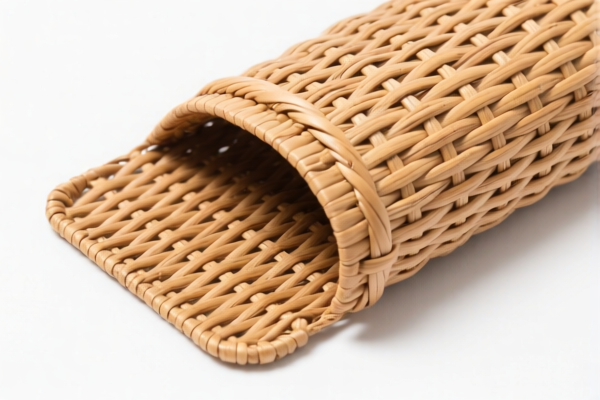
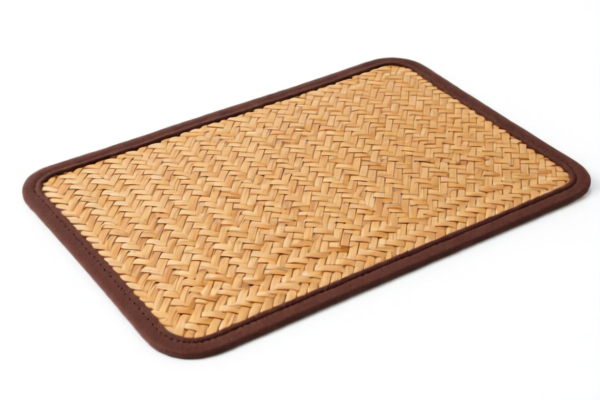
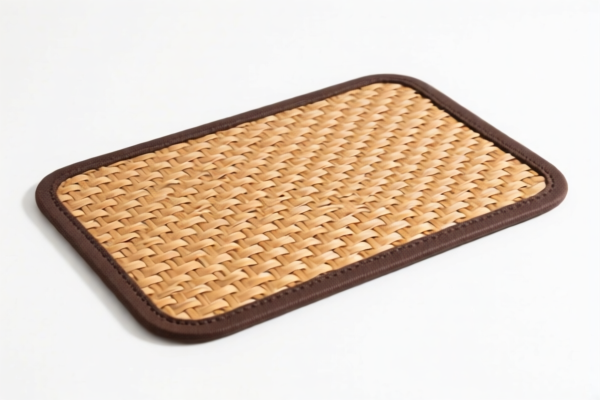

AI Analysis
🧶 Natural Rattan & Non-Slip Mats: The Ultimate Tariff Breakdown (2026 Guide)
🌐 HS Code Reference & Customs Clearance Guide | 2026 Latest Tariff Analysis | Professional-Level Customs Strategy
📌 Part 1: Product Definition & Classification: Do You Really Understand "Rattan Mats"?
The term "Non-slip Rattan Mat" is ambiguous in international trade, leading to significant classification errors. It generally falls into two distinct categories based on material composition and end-use:
-
Woven Rattan Products (Crafts/Flooring):
- Definition: Mats made from natural rattan vines, woven into mats. Often used as floor coverings, table mats, or decorative items.
- Key Feature: The primary material is rattan (vegetable material), processed by weaving.
- Classification Trap: If it's purely rattan, it belongs in Chapter 46. If it's glued onto a textile backing for "non-slip" properties, it might migrate to Chapter 57 (Floor Coverings).
-
Infant/Child Safety Mats (Rubber/Plastic):
- Definition: Sometimes "Rattan" is a visual pattern or texture applied to rubber or plastic mats designed for babies (e.g., bath mats, play mats) to prevent slipping.
- Key Feature: The primary material is rubber (specifically vulcanized), not natural plant fiber.
- Classification Trap: Never classify a rubber mat as "rattan" just because it looks like it. It belongs in Chapter 40.
⚠️ Critical Distinction:
- If the product is natural plant fiber (rattan) woven together → HS 4602.
- If the product is textile-based with rattan weave or appearance → HS 5705.
- If the product is rubber with a non-slip surface (even if textured like rattan) → HS 4016.
📦 Part 2: HS Code Classification Details (2026 Authoritative Mapping)
Based on your data, here are the only applicable HS Codes for "Non-slip Rattan Mats" and their specific tax profiles. Note that all entries below include significant Additional Duties (Section 301/122).
| HS Code | Product Summary | Key Characteristics | Base Duty | Additional Duties | Total Tax |
|---|---|---|---|---|---|
4602.12.35.00 |
Natural Rattan Mats, Woven Articles | Pure woven rattan; vegetable material classification. | 0.0% | 30.0% (25% Sec 301 + 5% implied/other)* | 35.0% |
5705.00.20.90 |
Natural Rattan Mats, Textile Floor Coverings | Rattan material used as a "carpet/rug" on textile backing. | 3.3% | 35.0% (25% Sec 301 + 10% Sec 122 + 25% base?) | 38.3% |
5705.00.10.00 |
Natural Rattan Mats, Other Textile Floor Coverings | Other textile-based floor coverings with rattan appearance. | 0.0% | 35.0% (25% Sec 301 + 10% Sec 122) | 35.0% |
4602.12.45.00 |
Natural Rattan Mats, Woven Articles (General) | General category for woven rattan crafts/mats. | 6.6% | 35.0% (25% Sec 301 + 10% Sec 122 + base) | 41.6% |
4016.91.00.00 |
Infant Non-Slip Mats, Vulcanized Rubber | NOT rattan fiber. Rubber/plastic mats with non-slip texture. | 2.7% | 35.0% (25% Sec 301 + 10% Sec 122) | 37.7% |
🔍 Detailed Tax Breakdown for Each Code:
1. 🟢 4602.12.35.00 & 4602.12.45.00 — Woven Rattan Products
- Summary: Natural Rattan Mats, Woven Articles.
- Total Tax: 35.0% (
4602.12.35.00) or 41.6% (4602.12.45.00). - Tax Detail:
- Base Duty: 0.0% (for
.35) or 6.6% (for.45). - Additional Duties: 25.0% (Section 301) + 10.0% (Section 122) = 35.0% Additional.
- Total Calculation:
- For
.35: 0% + 35% = 35.0% - For
.45: 6.6% + 35% = 41.6%
- For
- Base Duty: 0.0% (for
- Why This Code? Use this if the product is made entirely of natural rattan vines woven together. It is classified as a "woven article of vegetable materials."
2. 🟡 5705.00.20.90 & 5705.00.10.00 — Textile Floor Coverings
- Summary: Natural Rattan Mats, Textile Floor Coverings.
- Total Tax: 38.3% (
20.90) or 35.0% (10.00). - Tax Detail:
- Base Duty: 3.3% (for
.20) or 0.0% (for.10). - Additional Duties: 25.0% (Section 301) + 10.0% (Section 122) = 35.0% Additional.
- Total Calculation:
- For
.20: 3.3% + 35% = 38.3% - For
.10: 0% + 35% = 35.0%
- For
- Base Duty: 3.3% (for
- Why This Code? Use this if the "rattan mat" is actually a textile carpet/rug that has a rattan-like texture or is backed by textile. Chapter 57 covers "Carpeting and other textile floor coverings."
3. 🔴 4016.91.00.00 — Infant Non-Slip Mats (Rubber)
- Summary: Infant Non-Slip Mats, Vulcanized Rubber Products.
- Total Tax: 37.7%.
- Tax Detail:
- Base Duty: 2.7%.
- Additional Duties: 25.0% (Section 301) + 10.0% (Section 122) = 35.0% Additional.
- Total Calculation: 2.7% + 35% = 37.7%.
- Why This Code? CRITICAL WARNING: If the product is a rubber mat (e.g., for babies to play on) that has a "rattan texture" or pattern, it MUST be classified here. It is not a plant fiber product. The "non-slip" function is inherent to the rubber material.
💰 Part 3: 2026 Latest Tariff Rate Details (Including Surcharges & Policy Add-ons)
✅ Applicable Country: United States (US)
✅ Origin: China (CN)
✅ Effective Date: 2025/2026 (Includes all subsequent imports)
🎯 1. Woven Rattan Mats (4602.12.35.00 / 4602.12.45.00)
| Item | Content |
|---|---|
| Base Duty | 0.0% (for .35) / 6.6% (for .45) |
| Section 301 Duty | +25.0% |
| Section 122 Duty | +10.0% |
| Total Duty | 35.0% or 41.6% |
| De Minimis Exemption? | ❌ No (Denied) |
| Legal Basis | HTSUS:4602.12.35.00 → 301 Footnote 9903.88.01 → 122 Proclamation |
📌 Explanation:
- Natural rattan products are subject to Section 301 tariffs due to being Chinese-origin goods.
- Section 122 adds an additional 10% on certain goods.
- Total tax burden is high (35-42%). Do not assume "natural" means "low tax."
🎯 2. Textile Floor Coverings (5705.00.20.90 / 5705.00.10.00)
| Item | Content |
|---|---|
| Base Duty | 3.3% (for .20) / 0.0% (for .10) |
| Section 301 Duty | +25.0% |
| Section 122 Duty | +10.0% |
| Total Duty | 38.3% or 35.0% |
| De Minimis Exemption? | ❌ No (Denied) |
| Legal Basis | HTSUS:5705.00 → 301 Footnote 9903.88.01 → 122 Proclamation |
📌 Explanation:
- If your mat is classified as a "carpet" or "floor covering" (even if made of natural fibers), it falls under Chapter 57.
- The tax rate is similarly high due to Section 301 and 122.
- Note:.20.90has a higher base rate (3.3%) than.10.00(0%), but both incur the same additional duties.
🎯 3. Infant Non-Slip Rubber Mats (4016.91.00.00)
| Item | Content |
|---|---|
| Base Duty | 2.7% |
| Section 301 Duty | +25.0% |
| Section 122 Duty | +10.0% |
| Total Duty | 37.7% |
| De Minimis Exemption? | ❌ No (Denied) |
| Legal Basis | HTSUS:4016.91.00.00 → 301 Footnote 9903.88.01 → 122 Proclamation |
📌 Explanation:
- This is NOT a rattan product. It is a vulcanized rubber product.
- Many importers mistakenly label rubber mats as "rattan" to avoid rubber tariffs, but CBP (Customs and Border Protection) strictly enforces material classification.
- If it's rubber, it gets the rubber tax rate, not the rattan tax rate.
- Total tax is 37.7%, which is slightly lower than the highest rattan classification but still significant.
🛠️ Part 4: Customs Clearance Practical Advice (Real-World Pitfall Guide)
✅ 1. Preparation Checklist (Mandatory)
| Document | Required | Notes |
|---|---|---|
| ✅ Product Specification Sheet | ✔️ | Must clearly state primary material (e.g., "100% Natural Rattan" vs. "Vulcanized Rubber with Rattan Texture"). |
| ✅ Material Composition Declaration | ✔️ | Provide a signed letter stating the % of natural fibers vs. rubber/plastic. |
| ✅ Product Photos (Clear) | ✔️ | Show cross-section if possible. If it's rubber, show the flexibility. If it's rattan, show the weave. |
| ✅ Commercial Invoice | ✔️ | Describe accurately: "Woven Rattan Floor Mat" OR "Vulcanized Rubber Infant Play Mat." Do not use generic terms like "Rattan Mat" for rubber products. |
| ✅ Packing List | ✔️ | Include weight and dimensions. |
✅ 2. Classification Strategy (Key Tips)
| Scenario | Correct HS Code | Incorrect HS Code | Consequence of Error |
|---|---|---|---|
| Pure Natural Rattan Weave | 4602.12.35.00 or 4602.12.45.00 |
5705.00.20.90 |
Overpayment of tax (if base is higher) or Underpayment (if base is lower) + Penalties. |
| Rattan Texture on Rubber Mat | 4016.91.00.00 |
4602.12.35.00 |
Serious Misdeclaration. CBP will reclassify, demand back taxes, and may seize goods. |
| Textile Carpet with Rattan Look | 5705.00.10.00 |
4602.12.35.00 |
Incorrect chapter. Chapter 57 is for floor coverings; Chapter 46 is for woven crafts. |
🔥 Golden Rule:
"Material dictates the Chapter, not the appearance."
- If it bends like rubber → Chapter 40 (4016.91.00.00).
- If it is woven plant fiber → Chapter 46 (4602).
- If it is a textile carpet → Chapter 57 (5705).
✅ 3. Special Handling Tips
| Situation | Advice |
|---|---|
| Mixed Materials | If the mat has a rubber backing for non-slip purposes, the primary character determines classification. If rubber is the main functional component (non-slip), consider 4016.91.00.00. If rattan is the main aesthetic/component, consider 4602. |
| Infant Products | If marketed as "Infant Non-Slip Mat," CBP may scrutinize more closely. Ensure it meets safety standards (e.g., CPSIA in the US) regardless of HS code. |
| Section 301 Exclusions | Check if any of these HS codes currently have Section 301 exclusions. As of 2026, most rattan and rubber products do not qualify for exclusions. |
🌍 Part 5: Global Market Comparison (2026)
| Market | Recommended HS Code | Duty Rate (China Origin) | Key Requirement |
|---|---|---|---|
| 🇺🇸 USA | 4602.12.35.00 / 4016.91.00.00 |
35.0% - 41.6% | Section 301 + 122 Apply. No de minimis. |
| 🇨🇳 China | 4602.12.35.00 / 4016.91.00.00 |
5% - 10% | Standard MFN rate. No additional surcharges. |
| 🇪🇺 EU | 4602.12.35.00 / 4016.91.00.00 |
4.5% - 6.0% | No Section 301. CE marking required for infant mats. |
| 🇬🇧 UK | 4602.12.35.00 / 4016.91.00.00 |
4.5% - 6.0% | Post-Brexit tariffs. No US-style surcharges. |
📌 Conclusion:
- USA is the most expensive market due to Section 301 and 122 tariffs.
- Rattan and Rubber mats are heavily taxed in the US.
- Accurate classification is critical to avoid penalties and ensure correct tax payment.
📌 Part 6: Common Mistakes & Pitfalls (Blood Lessons)
❌ Mistake 1: Calling a rubber mat a "Rattan Mat" to get lower tax.
👉 Consequence: CBP reclassifies to 4016.91.00.00 (37.7%) or higher, plus penalties and interest.
❌ Mistake 2: Ignoring the "Non-Slip" function.
👉 Consequence: If the non-slip feature is due to rubber, it must be classified as rubber, not rattan.
❌ Mistake 3: Assuming "Natural" means "Low Tax."
👉 Consequence: Natural rattan from China is still subject to 301/122 tariffs in the US.
✅ Correct Approach:
"Declare by Material, Not by Look.
Rattan = Chapter 46.
Rubber = Chapter 40.
Textile Carpet = Chapter 57.
Always include 'Section 301 + 122' in cost calculations."
🎯 Part 7: Conclusion: Precise Classification Saves Money!
🎯 Remember:
🔹 "Material is King. Appearance is King's Court.
🇺🇸 USA Tax = Base + 25% + 10%.
🚫 No De Minimis for These Goods.
✅ Get a Pre-Ruling if Unsure."
✨ Professional Clearance Starts with Accurate Classification!
💼 Your Cost Every Cent Deserves to Be Precisely Calculated!
Customer Reviews
About HS Code Classification
The Harmonized System (HS) is an internationally standardized nomenclature developed by the World Customs Organization (WCO) to classify traded products. Over 200 countries use the HS system as the basis for customs tariffs, trade statistics, and import/export regulations.
Each HS code follows a hierarchical structure:
- Chapter (2 digits) — Broad category of goods (e.g., Chapter 84: Machinery and Mechanical Appliances)
- Heading (4 digits) — More specific grouping within the chapter
- Subheading (6 digits) — Internationally standardized breakdown, used by all WCO member countries
- National subdivisions (8-10 digits) — Country-specific extensions for further classification, such as US HTSUS 10-digit codes
Correct HS code classification is essential for smooth customs clearance, accurate duty payment, and compliance with trade regulations. Misclassification can lead to customs delays, overpayment of duties, or penalties.
When importing from CN to US, the applicable tariff rates may include:
- Most-Favored-Nation (MFN) rate — The standard duty rate applied to WTO members
- General rate — Applied to countries without trade agreements
- Trade remedy duties — Additional tariffs such as Section 301 (anti-dumping), Section 232 (national security), or countervailing duties
The information provided on this page is for reference purposes only. For official classification, please consult with your local customs authority or a licensed customs broker.