Non woven Storage Box
CN → US| HS编码 | 关税税率 | 原产国 | 目的国 | 文档 |
|---|---|---|---|---|
| 3923102000 | 35.0% | CN | US | 官方文档 |
| 4202999000 | 55.0% | CN | US | 官方文档 |
| 3923109000 | 38.0% | CN | US | 官方文档 |
| 3926901000 | 20.9% | CN | US | 官方文档 |
| 4202929315 | 52.6% | CN | US | 官方文档 |
| 3926909989 | 22.8% | CN | US | 官方文档 |
商品图片
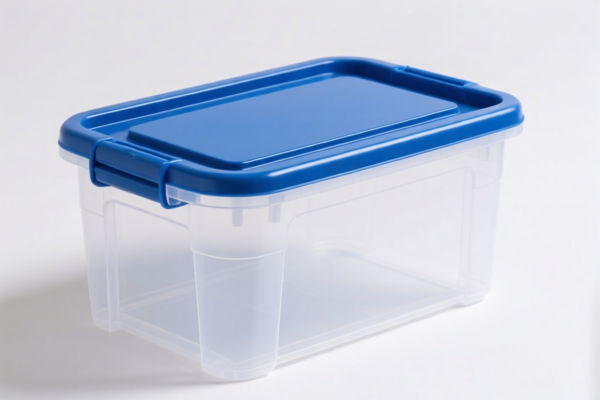
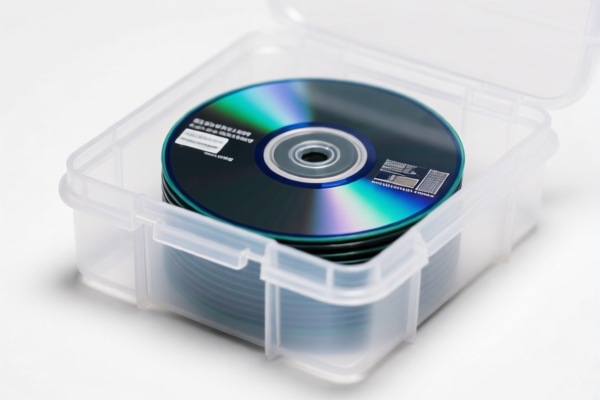


AI分析
📦 Non-Woven Storage Box: HS Code Classification & Clearance Strategy | 2026 Update
🌐 HS Code Reference & Clearance Guide | Latest Tariff Analysis for US Imports from China
📌 Part 1: Product Definition & Classification Logic: What is a "Non-Woven Storage Box"?
A Non-Woven Storage Box is a versatile container used for organizing household items, clothing, toys, or documents. In international trade, its classification hinges on two critical factors: 1. Material: Primarily non-woven fabric (often polypropylene), but may include plastic linings, cardboard inserts, or textile handles. 2. Function: It serves as a container/package (Chapter 39) or a bag/box of textile/non-woven materials (Chapter 42).
⚠️ Key Distinction:
- If the box is considered a "Packaging Material" (temporary, disposable, or primary packaging), it falls under Chapter 39 (Plastics) or Chapter 48 (Paper).
- If the box is considered a "Container/Bag" (durable, reusable, made of textile/non-woven fabrics), it falls under Chapter 42 (Articles of Leather, Travel Goods, etc.).
- Note: The provided data suggests plastic inference is common due to linings or stiffness, but "Non-Woven" explicitly points to textile-like materials.
📊 Part 2: HS Code Classification Details (Based on Provided Data)
The following HS Codes are derived from the provided dataset. Each code reflects a different interpretation of the product's material composition and functional classification.
| HS Code | Classification Logic & Summary | Total Tax Rate | Tax Breakdown |
|---|---|---|---|
| 3923.10.20.00 | Plastic Packaging Focus: Inferred as plastic due to lining/stiffness. Fits "Plastic Packaging Supplies" (boxes/bags). | 35.0% | Base: 0.0% Section 301: 25.0% Section 122: 10.0% |
| 4202.99.90.00 | General Container/Bags: Matches "Containers and Bags" category. Material inferred as plastic, textile, or cardboard. | 55.0% | Base: 20.0% Section 301: 25.0% Section 122: 10.0% |
| 3923.10.90.00 | Plastic Boxes/Containers: Fits "Boxes, Cases, Crates" made of plastic. Common for rigid storage boxes. | 38.0% | Base: 3.0% Section 301: 25.0% Section 122: 10.0% |
| 3926.90.10.00 | Plastic Articles (Other): Inferred as plastic due to common material usage. Classified as "Other Plastic Articles" (similar to buckets/pails). | 20.9% | Base: 3.4% Section 301: 7.5% Section 122: 10.0% |
| 4202.92.93.15 | Textile/Non-Woven Bags: Inferred to have an outer surface of textile/non-woven material. Fits "Bags of Textile Materials." | 52.6% | Base: 17.6% Section 301: 25.0% Section 122: 10.0% |
🔍 Critical Insight:
- Highest Tax Risk:4202.99.90.00(55%) and4202.92.93.15(52.6%) due to high base tariffs on textile-like goods.
- Lowest Tax Option:3926.90.10.00(20.9%) if the box can be legitimately classified as "Other Plastic Articles" (e.g., if heavily plastic-lined or molded).
- Middle Ground:3923.10.20.00(35%) and3923.10.90.00(38%) for plastic packaging interpretation.
💰 Part 3: Detailed Tariff Structure (US Imports from China)
✅ Applicable Country: United States (US)
✅ Origin: China (CN)
✅ Effective Date: Tariffs apply to goods imported on or after November 10, 2025.
🎯 1. HS Code 3923.10.20.00 – Plastic Packaging Supplies
| Item | Details |
|---|---|
| Base Tariff | 0.0% (Free) |
| Section 301 Tariff | +25.0% (USITC Footnote 9903.88.01) |
| Section 122 Tariff | +10.0% (IEEPA) |
| Total Effective Rate | 35.0% |
| De Minimis Eligibility | ❌ No (High value threshold not applicable for Section 301 goods) |
| Legal Reference | IEEPA:9903.01.25 → USITC:3923.10.20.00 → FOOTNOTE:9903.88.01 |
📌 Explanation:
- Classified as plastic packaging.
- While the base rate is 0%, the 35% combined surcharge makes it expensive.
- Suitable for rigid, plastic-lined boxes marketed as "packaging solutions."
🎯 2. HS Code 4202.99.90.00 – Other Bags/Containers (Textile/Plastic/Carton)
| Item | Details |
|---|---|
| Base Tariff | 20.0% |
| Section 301 Tariff | +25.0% |
| Section 122 Tariff | +10.0% |
| Total Effective Rate | 55.0% |
| De Minimis Eligibility | ❌ No |
| Legal Reference | IEEPA:9903.01.25 → USITC:4202.99.90.00 → FOOTNOTE:9903.88.01 |
📌 Explanation:
- Highest tariff rate.
- Applies if the box is viewed as a "bag" or "container" with significant textile/non-woven content.
- Avoid if possible due to cost impact.
🎯 3. HS Code 3923.10.90.00 – Other Plastic Boxes/Crates
| Item | Details |
|---|---|
| Base Tariff | 3.0% |
| Section 301 Tariff | +25.0% |
| Section 122 Tariff | +10.0% |
| Total Effective Rate | 38.0% |
| De Minimis Eligibility | ❌ No |
| Legal Reference | IEEPA:9903.01.25 → USITC:3923.10.90.00 → FOOTNOTE:9903.88.01 |
📌 Explanation:
- Slightly higher than3923.10.20.00due to base tariff.
- Fits "boxes/crates" made of plastic. Good for rigid storage boxes with plastic elements.
🎯 4. HS Code 3926.90.10.00 – Other Plastic Articles (e.g., Buckets/Pails)
| Item | Details |
|---|---|
| Base Tariff | 3.4% |
| Section 301 Tariff | +7.5% |
| Section 122 Tariff | +10.0% |
| Total Effective Rate | 20.9% |
| De Minimis Eligibility | ❌ No |
| Legal Reference | IEEPA:9901.25 → USITC:3926.90.10.00 → FOOTNOTE:9901.25 |
📌 Explanation:
- Lowest Total Tax Rate in the dataset.
- Classifies the box as an "other plastic article," potentially leveraging the lower Section 301 rate (7.5% vs. 25%).
- Requires convincing justification that the item is a "plastic article" rather than a "textile bag" or "packaging."
🎯 5. HS Code 4202.92.93.15 – Bags of Textile Materials
| Item | Details |
|---|---|
| Base Tariff | 17.6% |
| Section 301 Tariff | +25.0% |
| Section 122 Tariff | +10.0% |
| Total Effective Rate | 52.6% |
| De Minimis Eligibility | ❌ No |
| Legal Reference | IEEPA:9903.01.25 → USITC:4202.92.93.15 → FOOTNOTE:9903.88.01 |
📌 Explanation:
- High base tariff due to textile classification.
- Applies if the box is clearly identified as a "bag" made of non-woven fabric (textile).
- Avoid if seeking cost efficiency.
🛠️ Part 4: Clearance & Optimization Strategy
✅ 1. Document Preparation Checklist
| Document | Requirement | Purpose |
|---|---|---|
| Product Specifications | ✔️ Include material composition (e.g., "Non-woven fabric with PP lining") | Determines HS Code eligibility |
| Product Photos | ✔️ Show structure, handles, lining, and any plastic components | Proves "plastic article" vs. "textile bag" |
| Commercial Invoice | ✔️ Describe as "Plastic Storage Box" or "Non-woven Storage Container" | Aligns with HS Code description |
| Origin Certificate | ✔️ If applicable, for potential tariff exemptions | Verify country of origin |
| Third-Party Test Report | ✔️ RoHS, REACH, CPSIA (if for kids) | Ensure compliance |
✅ 2. Classification Strategy & Tax Optimization
| Strategy | Action | Expected Outcome |
|---|---|---|
| Maximize Plastic Content Claim | Emphasize plastic lining, rigid plastic base, or plastic handles | Classify under 3923 or 3926 → Lower tax (20.9%–38%) |
| Minimize Textile Claim | Avoid terms like "fabric bag" or "textile container" | Avoid 4202 → Lower tax (52.6%–55%) |
| Highlight Durability | Market as "Reusable Storage Container" rather than "Packaging" | Avoid 3923 (Packaging) if higher base tariff; use 3926 (Other Articles) |
| Precise Description | Use "Non-woven Storage Box with Plastic Lining" | Supports 3923.10.20.00 or 3923.10.90.00 |
🔥 Pro Tip:
- Best Case Scenario: Classify under 3926.90.10.00 (20.9% total tax) by arguing the box is primarily a "plastic article" due to its structure/lining.
- Worst Case Scenario: Classify under 4202.99.90.00 (55% total tax) if deemed a textile bag.
✅ 3. Common Pitfalls & Warnings
| Mistake | Consequence | Solution |
|---|---|---|
| Mislabeling as "Plastic Packaging" | If actually textile, customs may reclassify to 4202 → 55% tax | Ensure material description matches HS Code |
| Using Vague Terms | "Storage Box" alone is ambiguous | Specify: "Non-woven with PP lining" or "Plastic-based container" |
| Ignoring Section 301 | Assume 0% base tax = 0% total | Always add 25% Section 301 + 10% Section 122 |
| De Minimis Misunderstanding | Assume $800 de minimis applies | Section 301 goods are NOT eligible for de minimis → Full tax applies |
🌍 Part 5: Global Market Comparison (2026)
| Market | Recommended HS Code | Estimated Tax (China Origin) | Notes |
|---|---|---|---|
| 🇺🇸 USA | 3926.90.10.00 |
20.9% | Lowest tax via "Plastic Article" classification |
| 🇺🇸 USA | 4202.99.90.00 |
55.0% | Avoid if possible (Textile classification) |
| 🇨🇳 China | 4202.92.93.15 |
5%–10% | Import tax for non-woven bags |
| 🇪🇺 EU | 4202.92.93.15 |
0%–12% | Varies by material; CE compliance required |
| 🇬🇧 UK | 4202.92.93.15 |
0%–12% | Post-Brexit rules; check FTA benefits |
📌 Conclusion:
- USA imposes significant tariffs on Chinese goods.
- Optimization is critical: Push for 3926 classification to save ~34% in taxes vs. textile classification.
📌 Part 6: Final Recommendations & Action Plan
🎯 Key Takeaways:
- HS Code Choice Drives Cost:
3926.90.10.00(20.9%) vs.4202.99.90.00(55%) is a 34.1% difference. - Material Description is Crucial: Emphasize plastic components (lining, base, handles) to justify Chapter 39 classification.
- Avoid Textile Keywords: Do not use "fabric," "textile," or "bag" in primary descriptions. Use "container," "box," or "article."
- No De Minimis Exemption: All Section 301 goods are taxed fully, regardless of value.
✅ Immediate Actions:
- [ ] Update Product Descriptions: Use "Plastic-lined Non-woven Storage Box" instead of "Non-woven Bag."
- [ ] Consult Customs Broker: Confirm if
3926.90.10.00is acceptable for your specific product design. - [ ] Prepare Documentation: Ensure invoices and specs align with the chosen HS Code.
- [ ] Monitor Policy Changes: Section 301 and 122 tariffs are subject to change; stay updated.
📣 Final Note:
"In the world of customs, classification is everything. A few words can save you thousands."
Choose wisely, declare accurately, and optimize your supply chain!
✨ Professional Clearance Starts with Precise Classification
💼 Every Dollar Saved is a Dollar Earned!
用户评价
关于 HS 编码归类
协调制度(HS)是由世界海关组织(WCO)制定的国际贸易商品分类标准。全球 200 多个国家采用 HS 系统作为海关关税、贸易统计和进出口监管的基础。
每个 HS 编码遵循以下层级结构:
- 章(2 位)——商品大类(例如:第 84 章:机器和机械设备)
- 品目(4 位)——章内的更具体分类
- 子目(6 位)——国际通用细分,所有 WCO 成员国统一使用
- 本国细分(8-10 位)——各国自行扩展的细分编码,如美国 HTSUS 10 位编码
正确的 HS 编码归类对于顺利通关、准确缴纳关税和遵守贸易法规至关重要。错误归类可能导致海关延误、多缴关税或罚款。
从CN进口到US时,适用的关税税率可能包括:
- 最惠国(MFN)税率——适用于 WTO 成员国的标准关税税率
- 普通税率——适用于无贸易协定国家
- 贸易救济关税——附加关税,如 301 条款(反倾销)、232 条款(国家安全)或反补贴税
本页内容仅供参考。如需正式归类,请咨询当地海关或持牌报关代理。