Non woven Storage Box
CN → US| HS Code | Tariff Rate | Origin | Destination | Doc |
|---|---|---|---|---|
| 3923102000 | 35.0% | CN | US | Official Doc |
| 4202999000 | 55.0% | CN | US | Official Doc |
| 3923109000 | 38.0% | CN | US | Official Doc |
| 3926901000 | 20.9% | CN | US | Official Doc |
| 4202929315 | 52.6% | CN | US | Official Doc |
| 3926909989 | 22.8% | CN | US | Official Doc |
Product Images
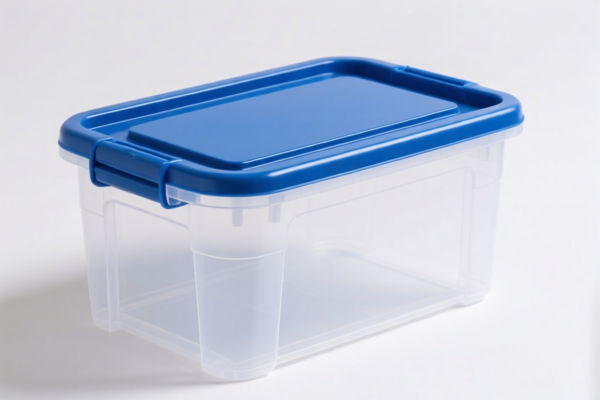
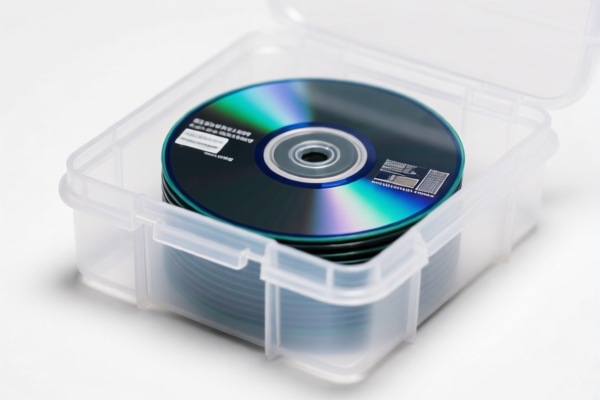


AI Analysis
📦 Non-Woven Storage Box: HS Code Classification & Clearance Strategy | 2026 Update
🌐 HS Code Reference & Clearance Guide | Latest Tariff Analysis for US Imports from China
📌 Part 1: Product Definition & Classification Logic: What is a "Non-Woven Storage Box"?
A Non-Woven Storage Box is a versatile container used for organizing household items, clothing, toys, or documents. In international trade, its classification hinges on two critical factors: 1. Material: Primarily non-woven fabric (often polypropylene), but may include plastic linings, cardboard inserts, or textile handles. 2. Function: It serves as a container/package (Chapter 39) or a bag/box of textile/non-woven materials (Chapter 42).
⚠️ Key Distinction:
- If the box is considered a "Packaging Material" (temporary, disposable, or primary packaging), it falls under Chapter 39 (Plastics) or Chapter 48 (Paper).
- If the box is considered a "Container/Bag" (durable, reusable, made of textile/non-woven fabrics), it falls under Chapter 42 (Articles of Leather, Travel Goods, etc.).
- Note: The provided data suggests plastic inference is common due to linings or stiffness, but "Non-Woven" explicitly points to textile-like materials.
📊 Part 2: HS Code Classification Details (Based on Provided Data)
The following HS Codes are derived from the provided dataset. Each code reflects a different interpretation of the product's material composition and functional classification.
| HS Code | Classification Logic & Summary | Total Tax Rate | Tax Breakdown |
|---|---|---|---|
| 3923.10.20.00 | Plastic Packaging Focus: Inferred as plastic due to lining/stiffness. Fits "Plastic Packaging Supplies" (boxes/bags). | 35.0% | Base: 0.0% Section 301: 25.0% Section 122: 10.0% |
| 4202.99.90.00 | General Container/Bags: Matches "Containers and Bags" category. Material inferred as plastic, textile, or cardboard. | 55.0% | Base: 20.0% Section 301: 25.0% Section 122: 10.0% |
| 3923.10.90.00 | Plastic Boxes/Containers: Fits "Boxes, Cases, Crates" made of plastic. Common for rigid storage boxes. | 38.0% | Base: 3.0% Section 301: 25.0% Section 122: 10.0% |
| 3926.90.10.00 | Plastic Articles (Other): Inferred as plastic due to common material usage. Classified as "Other Plastic Articles" (similar to buckets/pails). | 20.9% | Base: 3.4% Section 301: 7.5% Section 122: 10.0% |
| 4202.92.93.15 | Textile/Non-Woven Bags: Inferred to have an outer surface of textile/non-woven material. Fits "Bags of Textile Materials." | 52.6% | Base: 17.6% Section 301: 25.0% Section 122: 10.0% |
🔍 Critical Insight:
- Highest Tax Risk:4202.99.90.00(55%) and4202.92.93.15(52.6%) due to high base tariffs on textile-like goods.
- Lowest Tax Option:3926.90.10.00(20.9%) if the box can be legitimately classified as "Other Plastic Articles" (e.g., if heavily plastic-lined or molded).
- Middle Ground:3923.10.20.00(35%) and3923.10.90.00(38%) for plastic packaging interpretation.
💰 Part 3: Detailed Tariff Structure (US Imports from China)
✅ Applicable Country: United States (US)
✅ Origin: China (CN)
✅ Effective Date: Tariffs apply to goods imported on or after November 10, 2025.
🎯 1. HS Code 3923.10.20.00 – Plastic Packaging Supplies
| Item | Details |
|---|---|
| Base Tariff | 0.0% (Free) |
| Section 301 Tariff | +25.0% (USITC Footnote 9903.88.01) |
| Section 122 Tariff | +10.0% (IEEPA) |
| Total Effective Rate | 35.0% |
| De Minimis Eligibility | ❌ No (High value threshold not applicable for Section 301 goods) |
| Legal Reference | IEEPA:9903.01.25 → USITC:3923.10.20.00 → FOOTNOTE:9903.88.01 |
📌 Explanation:
- Classified as plastic packaging.
- While the base rate is 0%, the 35% combined surcharge makes it expensive.
- Suitable for rigid, plastic-lined boxes marketed as "packaging solutions."
🎯 2. HS Code 4202.99.90.00 – Other Bags/Containers (Textile/Plastic/Carton)
| Item | Details |
|---|---|
| Base Tariff | 20.0% |
| Section 301 Tariff | +25.0% |
| Section 122 Tariff | +10.0% |
| Total Effective Rate | 55.0% |
| De Minimis Eligibility | ❌ No |
| Legal Reference | IEEPA:9903.01.25 → USITC:4202.99.90.00 → FOOTNOTE:9903.88.01 |
📌 Explanation:
- Highest tariff rate.
- Applies if the box is viewed as a "bag" or "container" with significant textile/non-woven content.
- Avoid if possible due to cost impact.
🎯 3. HS Code 3923.10.90.00 – Other Plastic Boxes/Crates
| Item | Details |
|---|---|
| Base Tariff | 3.0% |
| Section 301 Tariff | +25.0% |
| Section 122 Tariff | +10.0% |
| Total Effective Rate | 38.0% |
| De Minimis Eligibility | ❌ No |
| Legal Reference | IEEPA:9903.01.25 → USITC:3923.10.90.00 → FOOTNOTE:9903.88.01 |
📌 Explanation:
- Slightly higher than3923.10.20.00due to base tariff.
- Fits "boxes/crates" made of plastic. Good for rigid storage boxes with plastic elements.
🎯 4. HS Code 3926.90.10.00 – Other Plastic Articles (e.g., Buckets/Pails)
| Item | Details |
|---|---|
| Base Tariff | 3.4% |
| Section 301 Tariff | +7.5% |
| Section 122 Tariff | +10.0% |
| Total Effective Rate | 20.9% |
| De Minimis Eligibility | ❌ No |
| Legal Reference | IEEPA:9901.25 → USITC:3926.90.10.00 → FOOTNOTE:9901.25 |
📌 Explanation:
- Lowest Total Tax Rate in the dataset.
- Classifies the box as an "other plastic article," potentially leveraging the lower Section 301 rate (7.5% vs. 25%).
- Requires convincing justification that the item is a "plastic article" rather than a "textile bag" or "packaging."
🎯 5. HS Code 4202.92.93.15 – Bags of Textile Materials
| Item | Details |
|---|---|
| Base Tariff | 17.6% |
| Section 301 Tariff | +25.0% |
| Section 122 Tariff | +10.0% |
| Total Effective Rate | 52.6% |
| De Minimis Eligibility | ❌ No |
| Legal Reference | IEEPA:9903.01.25 → USITC:4202.92.93.15 → FOOTNOTE:9903.88.01 |
📌 Explanation:
- High base tariff due to textile classification.
- Applies if the box is clearly identified as a "bag" made of non-woven fabric (textile).
- Avoid if seeking cost efficiency.
🛠️ Part 4: Clearance & Optimization Strategy
✅ 1. Document Preparation Checklist
| Document | Requirement | Purpose |
|---|---|---|
| Product Specifications | ✔️ Include material composition (e.g., "Non-woven fabric with PP lining") | Determines HS Code eligibility |
| Product Photos | ✔️ Show structure, handles, lining, and any plastic components | Proves "plastic article" vs. "textile bag" |
| Commercial Invoice | ✔️ Describe as "Plastic Storage Box" or "Non-woven Storage Container" | Aligns with HS Code description |
| Origin Certificate | ✔️ If applicable, for potential tariff exemptions | Verify country of origin |
| Third-Party Test Report | ✔️ RoHS, REACH, CPSIA (if for kids) | Ensure compliance |
✅ 2. Classification Strategy & Tax Optimization
| Strategy | Action | Expected Outcome |
|---|---|---|
| Maximize Plastic Content Claim | Emphasize plastic lining, rigid plastic base, or plastic handles | Classify under 3923 or 3926 → Lower tax (20.9%–38%) |
| Minimize Textile Claim | Avoid terms like "fabric bag" or "textile container" | Avoid 4202 → Lower tax (52.6%–55%) |
| Highlight Durability | Market as "Reusable Storage Container" rather than "Packaging" | Avoid 3923 (Packaging) if higher base tariff; use 3926 (Other Articles) |
| Precise Description | Use "Non-woven Storage Box with Plastic Lining" | Supports 3923.10.20.00 or 3923.10.90.00 |
🔥 Pro Tip:
- Best Case Scenario: Classify under 3926.90.10.00 (20.9% total tax) by arguing the box is primarily a "plastic article" due to its structure/lining.
- Worst Case Scenario: Classify under 4202.99.90.00 (55% total tax) if deemed a textile bag.
✅ 3. Common Pitfalls & Warnings
| Mistake | Consequence | Solution |
|---|---|---|
| Mislabeling as "Plastic Packaging" | If actually textile, customs may reclassify to 4202 → 55% tax | Ensure material description matches HS Code |
| Using Vague Terms | "Storage Box" alone is ambiguous | Specify: "Non-woven with PP lining" or "Plastic-based container" |
| Ignoring Section 301 | Assume 0% base tax = 0% total | Always add 25% Section 301 + 10% Section 122 |
| De Minimis Misunderstanding | Assume $800 de minimis applies | Section 301 goods are NOT eligible for de minimis → Full tax applies |
🌍 Part 5: Global Market Comparison (2026)
| Market | Recommended HS Code | Estimated Tax (China Origin) | Notes |
|---|---|---|---|
| 🇺🇸 USA | 3926.90.10.00 |
20.9% | Lowest tax via "Plastic Article" classification |
| 🇺🇸 USA | 4202.99.90.00 |
55.0% | Avoid if possible (Textile classification) |
| 🇨🇳 China | 4202.92.93.15 |
5%–10% | Import tax for non-woven bags |
| 🇪🇺 EU | 4202.92.93.15 |
0%–12% | Varies by material; CE compliance required |
| 🇬🇧 UK | 4202.92.93.15 |
0%–12% | Post-Brexit rules; check FTA benefits |
📌 Conclusion:
- USA imposes significant tariffs on Chinese goods.
- Optimization is critical: Push for 3926 classification to save ~34% in taxes vs. textile classification.
📌 Part 6: Final Recommendations & Action Plan
🎯 Key Takeaways:
- HS Code Choice Drives Cost:
3926.90.10.00(20.9%) vs.4202.99.90.00(55%) is a 34.1% difference. - Material Description is Crucial: Emphasize plastic components (lining, base, handles) to justify Chapter 39 classification.
- Avoid Textile Keywords: Do not use "fabric," "textile," or "bag" in primary descriptions. Use "container," "box," or "article."
- No De Minimis Exemption: All Section 301 goods are taxed fully, regardless of value.
✅ Immediate Actions:
- [ ] Update Product Descriptions: Use "Plastic-lined Non-woven Storage Box" instead of "Non-woven Bag."
- [ ] Consult Customs Broker: Confirm if
3926.90.10.00is acceptable for your specific product design. - [ ] Prepare Documentation: Ensure invoices and specs align with the chosen HS Code.
- [ ] Monitor Policy Changes: Section 301 and 122 tariffs are subject to change; stay updated.
📣 Final Note:
"In the world of customs, classification is everything. A few words can save you thousands."
Choose wisely, declare accurately, and optimize your supply chain!
✨ Professional Clearance Starts with Precise Classification
💼 Every Dollar Saved is a Dollar Earned!
Customer Reviews
About HS Code Classification
The Harmonized System (HS) is an internationally standardized nomenclature developed by the World Customs Organization (WCO) to classify traded products. Over 200 countries use the HS system as the basis for customs tariffs, trade statistics, and import/export regulations.
Each HS code follows a hierarchical structure:
- Chapter (2 digits) — Broad category of goods (e.g., Chapter 84: Machinery and Mechanical Appliances)
- Heading (4 digits) — More specific grouping within the chapter
- Subheading (6 digits) — Internationally standardized breakdown, used by all WCO member countries
- National subdivisions (8-10 digits) — Country-specific extensions for further classification, such as US HTSUS 10-digit codes
Correct HS code classification is essential for smooth customs clearance, accurate duty payment, and compliance with trade regulations. Misclassification can lead to customs delays, overpayment of duties, or penalties.
When importing from CN to US, the applicable tariff rates may include:
- Most-Favored-Nation (MFN) rate — The standard duty rate applied to WTO members
- General rate — Applied to countries without trade agreements
- Trade remedy duties — Additional tariffs such as Section 301 (anti-dumping), Section 232 (national security), or countervailing duties
The information provided on this page is for reference purposes only. For official classification, please consult with your local customs authority or a licensed customs broker.