Nylon Travel Bag
CN → US| HS编码 | 关税税率 | 原产国 | 目的国 | 文档 |
|---|---|---|---|---|
| 6305330080 | 25.9% | CN | US | 官方文档 |
| 3926903300 | 16.5% | CN | US | 官方文档 |
| 6305390000 | 25.9% | CN | US | 官方文档 |
| 4202923120 | 52.6% | CN | US | 官方文档 |
| 4202923131 | 52.6% | CN | US | 官方文档 |
商品图片
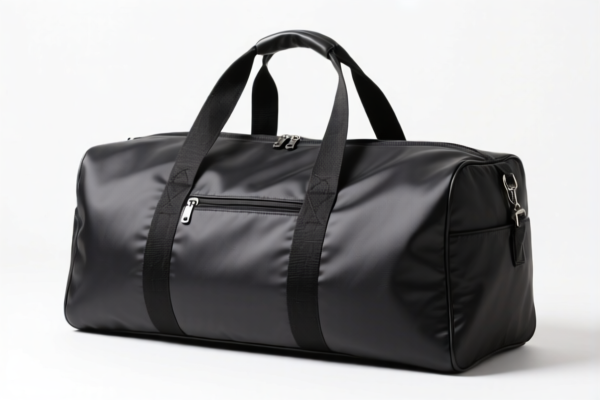
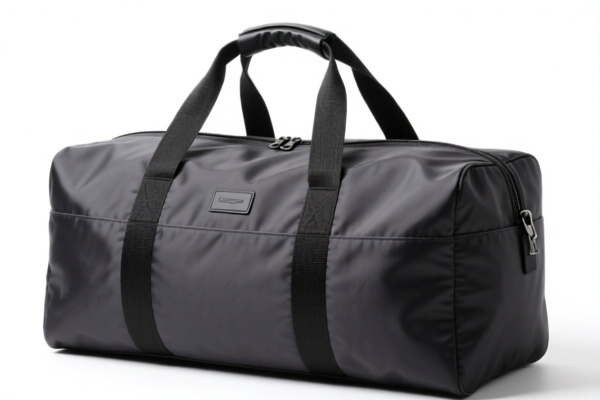
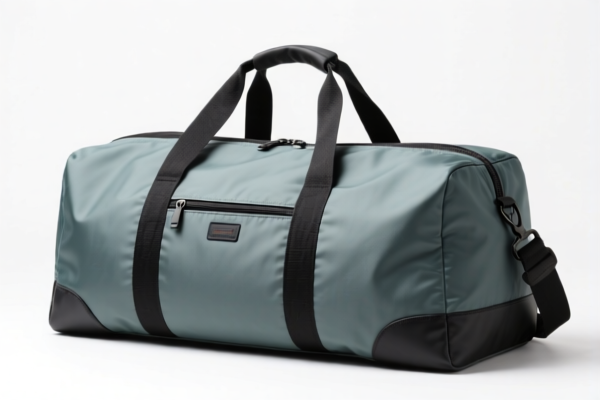
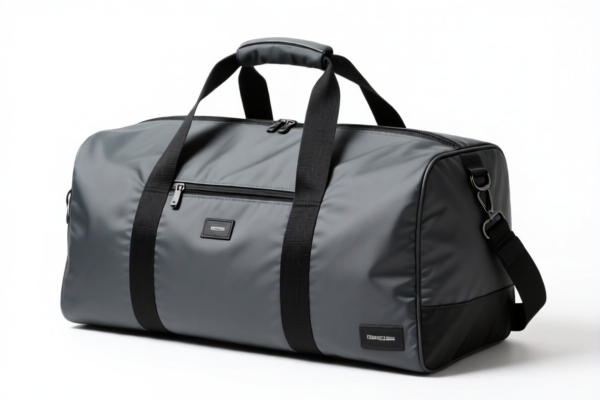
AI分析
👜 Nylon Travel Bags: The Ultimate HS Code & Tax Strategy Guide (2026 Edition)
🌐 HS Code Reference & Customs Clearance Guide | 2026 Latest Tariff Analysis | Professional-Level Compliance Strategy
📌 I. Product Definition & Classification: Do You Really Understand "Nylon Bags"?
Nylon travel bags are ubiquitous in global trade, used for luggage, duffel bags, school backpacks, and accessory pouches. However, in international trade, they are not a single homogeneous category. The Harmonized System (HS) classifies them based on Material Composition, Function, and Structural Features.
Misclassification is the #1 cause of customs delays and excessive tariffs for this product. Are you shipping a simple storage sack, a structured handbag, or a backpack? The difference can change your tax rate from 16.5% to 52.6%.
⚠️ Key Distinction Point:
- If the bag is made of Plastic/Synthetic Fiber that is water-resistant and has the characteristics of a plastic article (not woven textile in the traditional sense) → Chapter 39.
- If the bag is made of Man-made Textile Materials (woven/non-woven nylon fabric) → Chapter 63 (Miscellaneous manufactured articles).
- If the bag has the specific shape and structure of a Backpack, Handbag, or Luggage (even if made of nylon fabric) → Chapter 42 (Articles of leather, traveling sets, etc.).
📦 II. HS Code Classification Details (2026 Latest Tariff Authority Cross-Reference)
Based on the provided data, here are the four potential classifications for "Nylon Travel Bags" and their specific tax implications.
| HS Code | Product Description | Key Classification Criteria | Applicable Scenario |
|---|---|---|---|
3926.90.33.00 |
Nylon Bag, Material: Plastic/Synthetic Fiber | Plastic Category: Fits the definition of plastic articles. Often applies to waterproof, non-woven nylon bags or plastic-coated nylon that is classified as plastic rather than textile. | Simple storage sacks, waterproof covers, non-woven shopping bags, plastic-look nylon items. |
6305.33.00.80 |
Nylon Bag, Material: Man-made Textile | Sack Category: Specifically for sacks made of synthetic fibers, used for packaging or storing goods. Lacks the "carrying" structure of fashion bags. | Industrial sacks, bulk packaging bags, simple drawstring storage bags. |
6305.39.00.00 |
Nylon Bag, Material: Man-made Textile | Other Sacks: General category for man-made textile sacks not specified elsewhere. | Similar to above, but for other types of synthetic textile sacks/pouches. |
4202.92.31.20 |
Nylon Bag, Material: Synthetic Fiber | Backpack Category: Meets the specific structural requirements of a backpack (straps, compartments, ergonomic design). | School backpacks, hiking backpacks, daily commute bags with back panels. |
4202.92.31.31 |
Nylon Bag, Outer Surface: Man-made Fibers | Other Bags: Other bags made of man-made fiber textiles that do not fit the backpack or handbag specific subheadings. | Tote bags, messenger bags, duffel bags, cosmetic cases, shopping totes. |
🔍 Critical Warning:
- Do not confuse "Sacks" with "Bags": A simple sack for storage (HS 6305) is taxed differently than a fashion/functional bag (HS 4202).
- Plastic vs. Textile: If the nylon is coated significantly with plastic and behaves like a plastic sheet, it might fall under Chapter 39 (3926.90.33.00), which has a much lower tax rate (16.5%) compared to textile bags (25.9% - 52.6%). However, this classification is controversial and requires strong evidence that it is a "plastic article" and not a "textile product."
💰 III. 2026 Latest Tariff Rate Details (Including Surtaxes & Policy Add-ons)
✅ Applicable Country: USA (US)
✅ Country of Origin: China (CN)
✅ Effective Date: 2025/2026 (Current Trade Environment)
🎯 1. 3926.90.33.00 —— Nylon Bag (Plastic Category)
Best for: Simple, waterproof, non-structural nylon sacks.
| Item | Detail |
|---|---|
| Base Tariff | 6.5% |
| Section 301 Surtax (Retaliatory) | 0.0% |
| Section 301 Tariff (122 Clause) | 10.0% |
| Total Tax Rate | 16.5% |
| Tax Calculation | CIF Value × 16.5% |
| De Minimis Eligibility | ❌ No (Due to 301/122 clauses, low-value exemptions often do not apply to Chinese origin goods in this category) |
| Legal Basis | Section 301 → Section 122 → HS 3926.90.33.00 |
📌 Explanation:
- This is the lowest tax bracket among the options.
- The "0.0% Section 301 Surtax" indicates that for this specific plastic subheading, the higher 25% tariff from Section 301 may not apply, but the 10% "122 Clause" tariff still does.
- Strategy: If your product is a simple, non-structured nylon pouch, argue for this classification to save 9.4% - 36.1% in taxes.
🎯 2. 6305.33.00.80 & 6305.39.00.00 —— Nylon Sacks (Textile Category)
Best for: Industrial or simple storage sacks made of woven/non-woven nylon.
| Item | Detail |
|---|---|
| Base Tariff | 8.4% |
| Section 301 Surtax (Retaliatory) | 7.5% |
| Section 301 Tariff (122 Clause) | 10.0% |
| Total Tax Rate | 25.9% |
| Tax Calculation | CIF Value × 25.9% |
| De Minimis Eligibility | ❌ No |
| Legal Basis | Section 301 + Section 122 → HS 6305.33/39 |
📌 Explanation:
- These two codes share the same tax rate.
- The key is proving the item is a "Sack" (for storage/packaging) rather than a "Bag" (for carrying on body/shopping).
- Risk: Customs may reclassify fashion bags as "sacks" to apply this lower rate, OR reclassify simple sacks as "bags" to apply the higher Chapter 42 rate. Context is key.
🎯 3. 4202.92.31.20 & 4202.92.31.31 —— Nylon Bags (Backpacks & Other Bags)
Best for: Structured bags, backpacks, totes, handbags.
| Item | Detail |
|---|---|
| Base Tariff | 17.6% |
| Section 301 Surtax (Retaliatory) | 25.0% |
| Section 301 Tariff (122 Clause) | 10.0% |
| Total Tax Rate | 52.6% |
| Tax Calculation | CIF Value × 52.6% |
| De Minimis Eligibility | ❌ No |
| Legal Basis | Section 301 + Section 122 → HS 4202.92.31 |
📌 Explanation:
- This is the Highest Tax Bracket.
- Chapter 42 carries the highest base tariff (17.6%) and the highest Section 301 surtax (25%).
- This applies to any bag that has the form and function of a luggage item (backpacks, duffels, handbags).
- Warning: Do not under-declare a backpack as a "textile sack" to avoid this rate. Customs exams (physical inspections) can easily distinguish a structured backpack from a simple sack.
🛠️ IV. Customs Clearance Practical Advice (Expert Pitfall Guide)
✅ 1. Preparation Checklist (Non-negotiable)
| Document | Must Provide? | Purpose |
|---|---|---|
| ✅ Product Photos (Clear) | ✔️ | To show structure, straps, zippers, and material texture. |
| ✅ Bill of Materials (BOM) | ✔️ | To confirm material composition (e.g., "100% Polyester Nylon, 200D"). |
| ✅ Technical Specification Sheet | ✔️ | To describe function (e.g., "Waterproof Sack" vs. "Ergonomic Backpack"). |
| ✅ Commercial Invoice | ✔️ | Must accurately describe the item (e.g., "Nylon Storage Sack" vs. "Nylon Backpack"). |
| ✅ Packing List | ✔️ | To verify weight and dimensions. |
| ✅ Country of Origin Certificate | ✔️ | Required to calculate Section 301/122 tariffs. |
✅ 2. Classification Strategy & Declaration Tips
🔥 Golden Rule: "Structure Dictates Classification, Material Dictates Duty, Origin Dictates Surtax!"
| Scenario | Recommended HS Code | Declaration Description | Risk Level |
|---|---|---|---|
| Simple Waterproof Pouch (No straps, just a bag) | 3926.90.33.00 |
"Nylon Waterproof Storage Pouch, Plastic-like Material" | 🟢 Low Risk (if arguable as plastic) |
| Simple Drawstring Bag (For gym/sports) | 6305.33.00.80 |
"Synthetic Fiber Drawstring Storage Sack" | 🟡 Medium Risk (Customs may argue it's a bag) |
| Backpack (With shoulder straps, compartments) | 4202.92.31.20 |
"Nylon Backpack, Synthetic Fiber, For School/Travel" | 🟢 Safe (Correct classification) |
| Handbag/Tote (With handles) | 4202.92.31.31 |
"Nylon Tote Bag, Man-made Fiber, For Shopping" | 🟢 Safe (Correct classification) |
📌 Critical Warning:
- Do NOT misdeclare a Backpack (4202) as a Sack (6305) to save 26.7% in taxes. US Customs and Border Protection (CBP) frequently audits this. If caught, you face back taxes, penalties, and potential cargo seizure.
- Plastic vs. Textile Argument: If you choose3926.90.33.00(Plastic), be prepared to provide lab tests or manufacturer statements proving the nylon is treated/coated such that it is primarily a plastic article, not a textile.
✅ 3. Special Scenarios
| Situation | Handling Advice |
|---|---|
| OEM Custom Bags | Provide design sketches and tech packs. CBP looks at the finished product, not the design. |
| Mixed Materials | If the bag has leather trim, it may still be classified under 4202, but ensure the "principal character" is nylon. |
| Samples vs. Bulk | Samples are still subject to duty unless explicitly declared as "Advertising Samples" with minimal value, but 122/301 tariffs often still apply to CN origin. |
| De Minimis (Section 321) | ❌ Cannot use for Chinese-origin goods subject to 301/122 tariffs. Even under $800, duties apply. |
🌍 V. Global Market Comparison (2026 Snapshot)
| Region | Preferred HS Code | Base Duty | 301/122 Add-ons | Total Est. Duty | Notes |
|---|---|---|---|---|---|
| 🇺🇸 USA | 4202.92.31.x0 |
17.6% | +35% (25+10) | 52.6% | High tariff burden. |
| 🇺🇸 USA | 3926.90.33.00 |
6.5% | +10% | 16.5% | Best for non-structured/plastic-like items. |
| 🇨🇳 China | 4202.92.31.20 |
8.5% | 0% | 8.5% | Lower base duty. |
| 🇪🇺 EU | 4202.92.31.20 |
12.0% | 0% | 12.0% | No 301/122 equivalent, but VAT applies (19-25%). |
| 🇬🇧 UK | 4202.92.31.20 |
12.0% | 0% | 12.0% | Similar to EU. |
📌 Conclusion:
- The USA is the most expensive market for nylon bags due to Section 301 and Section 122 tariffs.
- Chapter 42 (Fashion Bags) is heavily penalized.
- Chapter 39 (Plastic/Non-woven) offers significant savings if the product structure allows.
📌 VI. Common Mistakes & Pitfalls (Lessons Learned)
❌ Mistake 1: Declaring a "Backpack" as "Fabric Sack" (6305)
👉 Consequence: CBP reclassifies to 4202 → Back taxes + 25% penalty.
❌ Mistake 2: Ignoring Section 122 (10% tariff)
👉 Consequence: Underpayment of duties. The 10% 122 tariff applies to almost all Chinese-origin goods regardless of HS code.
❌ Mistake 3: Claiming De Minimis (Section 321) for small orders
👉 Consequence: Seizure of goods. Section 321 is explicitly excluded for goods subject to Section 301/122 tariffs from China.
✅ Correct Action:
Use precise English descriptions:
- "Nylon Backpack with Multiple Compartments" →4202.92.31.20
- "Non-woven Polypropylene Shopping Bag" →6305.33.00.80
- "Waterproof PVC Coated Nylon Sack" →3926.90.33.00(if applicable)
🎯 VII. Conclusion: Professional Classification Saves Money!
🎯 Remember the Strategy:
🔹 "Structure First, Material Second, Origin Last."
🔹 "Backpacks are expensive (52.6%), Sacks are mid (25.9%), Plastic-like are cheap (16.5%)."
🔹 "Do not guess HS Codes. If in doubt, get a Binding Tariff Information (BTI) or Pre-Ruling from CBP."
📌 Pro Tip:
If you are selling to the US, optimize your product design. Can the bag be made to look like a "storage sack" (no rigid straps, no ergonomic back panel) to qualify for 6305 or 3926? This requires legal and design collaboration to ensure compliance while minimizing tax.
📣 Immediate Action:
📞 Consult a Licensed Customs Broker
📷 Provide High-Res Photos of the Finished Product
📄 Request an HS Code Pre-Ruling
🚀 Let your nylon bags cross borders smoothly, legally, and profitably!
✨ Precision in Classification. Power in Compliance.
💼 Every percentage point of tax saved is pure profit added.
用户评价
关于 HS 编码归类
协调制度(HS)是由世界海关组织(WCO)制定的国际贸易商品分类标准。全球 200 多个国家采用 HS 系统作为海关关税、贸易统计和进出口监管的基础。
每个 HS 编码遵循以下层级结构:
- 章(2 位)——商品大类(例如:第 84 章:机器和机械设备)
- 品目(4 位)——章内的更具体分类
- 子目(6 位)——国际通用细分,所有 WCO 成员国统一使用
- 本国细分(8-10 位)——各国自行扩展的细分编码,如美国 HTSUS 10 位编码
正确的 HS 编码归类对于顺利通关、准确缴纳关税和遵守贸易法规至关重要。错误归类可能导致海关延误、多缴关税或罚款。
从CN进口到US时,适用的关税税率可能包括:
- 最惠国(MFN)税率——适用于 WTO 成员国的标准关税税率
- 普通税率——适用于无贸易协定国家
- 贸易救济关税——附加关税,如 301 条款(反倾销)、232 条款(国家安全)或反补贴税
本页内容仅供参考。如需正式归类,请咨询当地海关或持牌报关代理。