Nylon Travel Bag
CN → US| HS Code | Tariff Rate | Origin | Destination | Doc |
|---|---|---|---|---|
| 6305330080 | 25.9% | CN | US | Official Doc |
| 3926903300 | 16.5% | CN | US | Official Doc |
| 6305390000 | 25.9% | CN | US | Official Doc |
| 4202923120 | 52.6% | CN | US | Official Doc |
| 4202923131 | 52.6% | CN | US | Official Doc |
Product Images
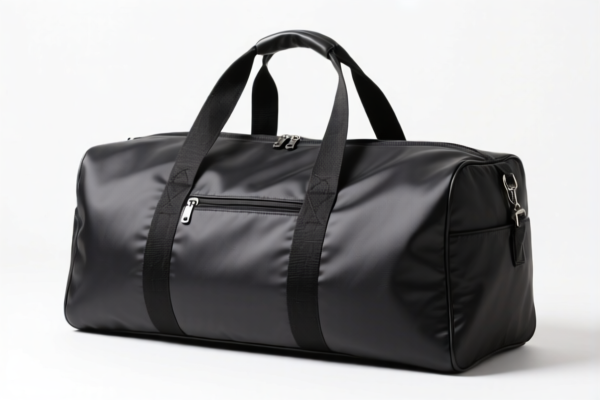
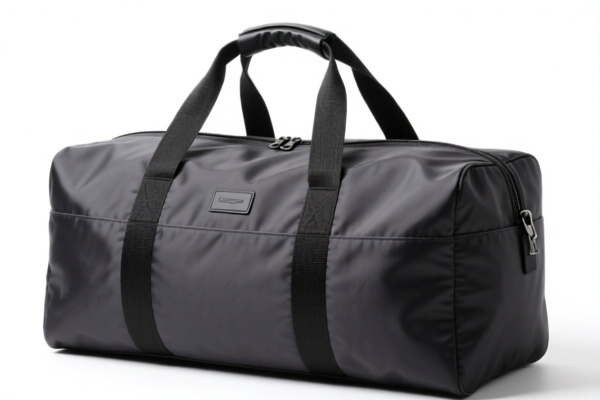
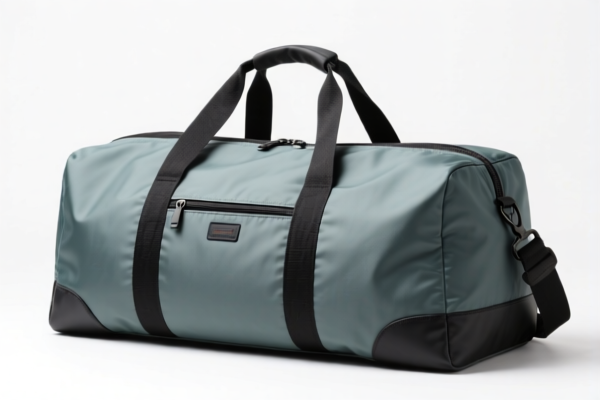
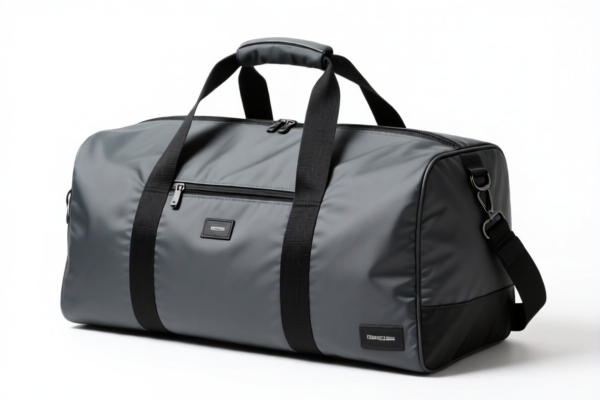
AI Analysis
👜 Nylon Travel Bags: The Ultimate HS Code & Tax Strategy Guide (2026 Edition)
🌐 HS Code Reference & Customs Clearance Guide | 2026 Latest Tariff Analysis | Professional-Level Compliance Strategy
📌 I. Product Definition & Classification: Do You Really Understand "Nylon Bags"?
Nylon travel bags are ubiquitous in global trade, used for luggage, duffel bags, school backpacks, and accessory pouches. However, in international trade, they are not a single homogeneous category. The Harmonized System (HS) classifies them based on Material Composition, Function, and Structural Features.
Misclassification is the #1 cause of customs delays and excessive tariffs for this product. Are you shipping a simple storage sack, a structured handbag, or a backpack? The difference can change your tax rate from 16.5% to 52.6%.
⚠️ Key Distinction Point:
- If the bag is made of Plastic/Synthetic Fiber that is water-resistant and has the characteristics of a plastic article (not woven textile in the traditional sense) → Chapter 39.
- If the bag is made of Man-made Textile Materials (woven/non-woven nylon fabric) → Chapter 63 (Miscellaneous manufactured articles).
- If the bag has the specific shape and structure of a Backpack, Handbag, or Luggage (even if made of nylon fabric) → Chapter 42 (Articles of leather, traveling sets, etc.).
📦 II. HS Code Classification Details (2026 Latest Tariff Authority Cross-Reference)
Based on the provided data, here are the four potential classifications for "Nylon Travel Bags" and their specific tax implications.
| HS Code | Product Description | Key Classification Criteria | Applicable Scenario |
|---|---|---|---|
3926.90.33.00 |
Nylon Bag, Material: Plastic/Synthetic Fiber | Plastic Category: Fits the definition of plastic articles. Often applies to waterproof, non-woven nylon bags or plastic-coated nylon that is classified as plastic rather than textile. | Simple storage sacks, waterproof covers, non-woven shopping bags, plastic-look nylon items. |
6305.33.00.80 |
Nylon Bag, Material: Man-made Textile | Sack Category: Specifically for sacks made of synthetic fibers, used for packaging or storing goods. Lacks the "carrying" structure of fashion bags. | Industrial sacks, bulk packaging bags, simple drawstring storage bags. |
6305.39.00.00 |
Nylon Bag, Material: Man-made Textile | Other Sacks: General category for man-made textile sacks not specified elsewhere. | Similar to above, but for other types of synthetic textile sacks/pouches. |
4202.92.31.20 |
Nylon Bag, Material: Synthetic Fiber | Backpack Category: Meets the specific structural requirements of a backpack (straps, compartments, ergonomic design). | School backpacks, hiking backpacks, daily commute bags with back panels. |
4202.92.31.31 |
Nylon Bag, Outer Surface: Man-made Fibers | Other Bags: Other bags made of man-made fiber textiles that do not fit the backpack or handbag specific subheadings. | Tote bags, messenger bags, duffel bags, cosmetic cases, shopping totes. |
🔍 Critical Warning:
- Do not confuse "Sacks" with "Bags": A simple sack for storage (HS 6305) is taxed differently than a fashion/functional bag (HS 4202).
- Plastic vs. Textile: If the nylon is coated significantly with plastic and behaves like a plastic sheet, it might fall under Chapter 39 (3926.90.33.00), which has a much lower tax rate (16.5%) compared to textile bags (25.9% - 52.6%). However, this classification is controversial and requires strong evidence that it is a "plastic article" and not a "textile product."
💰 III. 2026 Latest Tariff Rate Details (Including Surtaxes & Policy Add-ons)
✅ Applicable Country: USA (US)
✅ Country of Origin: China (CN)
✅ Effective Date: 2025/2026 (Current Trade Environment)
🎯 1. 3926.90.33.00 —— Nylon Bag (Plastic Category)
Best for: Simple, waterproof, non-structural nylon sacks.
| Item | Detail |
|---|---|
| Base Tariff | 6.5% |
| Section 301 Surtax (Retaliatory) | 0.0% |
| Section 301 Tariff (122 Clause) | 10.0% |
| Total Tax Rate | 16.5% |
| Tax Calculation | CIF Value × 16.5% |
| De Minimis Eligibility | ❌ No (Due to 301/122 clauses, low-value exemptions often do not apply to Chinese origin goods in this category) |
| Legal Basis | Section 301 → Section 122 → HS 3926.90.33.00 |
📌 Explanation:
- This is the lowest tax bracket among the options.
- The "0.0% Section 301 Surtax" indicates that for this specific plastic subheading, the higher 25% tariff from Section 301 may not apply, but the 10% "122 Clause" tariff still does.
- Strategy: If your product is a simple, non-structured nylon pouch, argue for this classification to save 9.4% - 36.1% in taxes.
🎯 2. 6305.33.00.80 & 6305.39.00.00 —— Nylon Sacks (Textile Category)
Best for: Industrial or simple storage sacks made of woven/non-woven nylon.
| Item | Detail |
|---|---|
| Base Tariff | 8.4% |
| Section 301 Surtax (Retaliatory) | 7.5% |
| Section 301 Tariff (122 Clause) | 10.0% |
| Total Tax Rate | 25.9% |
| Tax Calculation | CIF Value × 25.9% |
| De Minimis Eligibility | ❌ No |
| Legal Basis | Section 301 + Section 122 → HS 6305.33/39 |
📌 Explanation:
- These two codes share the same tax rate.
- The key is proving the item is a "Sack" (for storage/packaging) rather than a "Bag" (for carrying on body/shopping).
- Risk: Customs may reclassify fashion bags as "sacks" to apply this lower rate, OR reclassify simple sacks as "bags" to apply the higher Chapter 42 rate. Context is key.
🎯 3. 4202.92.31.20 & 4202.92.31.31 —— Nylon Bags (Backpacks & Other Bags)
Best for: Structured bags, backpacks, totes, handbags.
| Item | Detail |
|---|---|
| Base Tariff | 17.6% |
| Section 301 Surtax (Retaliatory) | 25.0% |
| Section 301 Tariff (122 Clause) | 10.0% |
| Total Tax Rate | 52.6% |
| Tax Calculation | CIF Value × 52.6% |
| De Minimis Eligibility | ❌ No |
| Legal Basis | Section 301 + Section 122 → HS 4202.92.31 |
📌 Explanation:
- This is the Highest Tax Bracket.
- Chapter 42 carries the highest base tariff (17.6%) and the highest Section 301 surtax (25%).
- This applies to any bag that has the form and function of a luggage item (backpacks, duffels, handbags).
- Warning: Do not under-declare a backpack as a "textile sack" to avoid this rate. Customs exams (physical inspections) can easily distinguish a structured backpack from a simple sack.
🛠️ IV. Customs Clearance Practical Advice (Expert Pitfall Guide)
✅ 1. Preparation Checklist (Non-negotiable)
| Document | Must Provide? | Purpose |
|---|---|---|
| ✅ Product Photos (Clear) | ✔️ | To show structure, straps, zippers, and material texture. |
| ✅ Bill of Materials (BOM) | ✔️ | To confirm material composition (e.g., "100% Polyester Nylon, 200D"). |
| ✅ Technical Specification Sheet | ✔️ | To describe function (e.g., "Waterproof Sack" vs. "Ergonomic Backpack"). |
| ✅ Commercial Invoice | ✔️ | Must accurately describe the item (e.g., "Nylon Storage Sack" vs. "Nylon Backpack"). |
| ✅ Packing List | ✔️ | To verify weight and dimensions. |
| ✅ Country of Origin Certificate | ✔️ | Required to calculate Section 301/122 tariffs. |
✅ 2. Classification Strategy & Declaration Tips
🔥 Golden Rule: "Structure Dictates Classification, Material Dictates Duty, Origin Dictates Surtax!"
| Scenario | Recommended HS Code | Declaration Description | Risk Level |
|---|---|---|---|
| Simple Waterproof Pouch (No straps, just a bag) | 3926.90.33.00 |
"Nylon Waterproof Storage Pouch, Plastic-like Material" | 🟢 Low Risk (if arguable as plastic) |
| Simple Drawstring Bag (For gym/sports) | 6305.33.00.80 |
"Synthetic Fiber Drawstring Storage Sack" | 🟡 Medium Risk (Customs may argue it's a bag) |
| Backpack (With shoulder straps, compartments) | 4202.92.31.20 |
"Nylon Backpack, Synthetic Fiber, For School/Travel" | 🟢 Safe (Correct classification) |
| Handbag/Tote (With handles) | 4202.92.31.31 |
"Nylon Tote Bag, Man-made Fiber, For Shopping" | 🟢 Safe (Correct classification) |
📌 Critical Warning:
- Do NOT misdeclare a Backpack (4202) as a Sack (6305) to save 26.7% in taxes. US Customs and Border Protection (CBP) frequently audits this. If caught, you face back taxes, penalties, and potential cargo seizure.
- Plastic vs. Textile Argument: If you choose3926.90.33.00(Plastic), be prepared to provide lab tests or manufacturer statements proving the nylon is treated/coated such that it is primarily a plastic article, not a textile.
✅ 3. Special Scenarios
| Situation | Handling Advice |
|---|---|
| OEM Custom Bags | Provide design sketches and tech packs. CBP looks at the finished product, not the design. |
| Mixed Materials | If the bag has leather trim, it may still be classified under 4202, but ensure the "principal character" is nylon. |
| Samples vs. Bulk | Samples are still subject to duty unless explicitly declared as "Advertising Samples" with minimal value, but 122/301 tariffs often still apply to CN origin. |
| De Minimis (Section 321) | ❌ Cannot use for Chinese-origin goods subject to 301/122 tariffs. Even under $800, duties apply. |
🌍 V. Global Market Comparison (2026 Snapshot)
| Region | Preferred HS Code | Base Duty | 301/122 Add-ons | Total Est. Duty | Notes |
|---|---|---|---|---|---|
| 🇺🇸 USA | 4202.92.31.x0 |
17.6% | +35% (25+10) | 52.6% | High tariff burden. |
| 🇺🇸 USA | 3926.90.33.00 |
6.5% | +10% | 16.5% | Best for non-structured/plastic-like items. |
| 🇨🇳 China | 4202.92.31.20 |
8.5% | 0% | 8.5% | Lower base duty. |
| 🇪🇺 EU | 4202.92.31.20 |
12.0% | 0% | 12.0% | No 301/122 equivalent, but VAT applies (19-25%). |
| 🇬🇧 UK | 4202.92.31.20 |
12.0% | 0% | 12.0% | Similar to EU. |
📌 Conclusion:
- The USA is the most expensive market for nylon bags due to Section 301 and Section 122 tariffs.
- Chapter 42 (Fashion Bags) is heavily penalized.
- Chapter 39 (Plastic/Non-woven) offers significant savings if the product structure allows.
📌 VI. Common Mistakes & Pitfalls (Lessons Learned)
❌ Mistake 1: Declaring a "Backpack" as "Fabric Sack" (6305)
👉 Consequence: CBP reclassifies to 4202 → Back taxes + 25% penalty.
❌ Mistake 2: Ignoring Section 122 (10% tariff)
👉 Consequence: Underpayment of duties. The 10% 122 tariff applies to almost all Chinese-origin goods regardless of HS code.
❌ Mistake 3: Claiming De Minimis (Section 321) for small orders
👉 Consequence: Seizure of goods. Section 321 is explicitly excluded for goods subject to Section 301/122 tariffs from China.
✅ Correct Action:
Use precise English descriptions:
- "Nylon Backpack with Multiple Compartments" →4202.92.31.20
- "Non-woven Polypropylene Shopping Bag" →6305.33.00.80
- "Waterproof PVC Coated Nylon Sack" →3926.90.33.00(if applicable)
🎯 VII. Conclusion: Professional Classification Saves Money!
🎯 Remember the Strategy:
🔹 "Structure First, Material Second, Origin Last."
🔹 "Backpacks are expensive (52.6%), Sacks are mid (25.9%), Plastic-like are cheap (16.5%)."
🔹 "Do not guess HS Codes. If in doubt, get a Binding Tariff Information (BTI) or Pre-Ruling from CBP."
📌 Pro Tip:
If you are selling to the US, optimize your product design. Can the bag be made to look like a "storage sack" (no rigid straps, no ergonomic back panel) to qualify for 6305 or 3926? This requires legal and design collaboration to ensure compliance while minimizing tax.
📣 Immediate Action:
📞 Consult a Licensed Customs Broker
📷 Provide High-Res Photos of the Finished Product
📄 Request an HS Code Pre-Ruling
🚀 Let your nylon bags cross borders smoothly, legally, and profitably!
✨ Precision in Classification. Power in Compliance.
💼 Every percentage point of tax saved is pure profit added.
Customer Reviews
About HS Code Classification
The Harmonized System (HS) is an internationally standardized nomenclature developed by the World Customs Organization (WCO) to classify traded products. Over 200 countries use the HS system as the basis for customs tariffs, trade statistics, and import/export regulations.
Each HS code follows a hierarchical structure:
- Chapter (2 digits) — Broad category of goods (e.g., Chapter 84: Machinery and Mechanical Appliances)
- Heading (4 digits) — More specific grouping within the chapter
- Subheading (6 digits) — Internationally standardized breakdown, used by all WCO member countries
- National subdivisions (8-10 digits) — Country-specific extensions for further classification, such as US HTSUS 10-digit codes
Correct HS code classification is essential for smooth customs clearance, accurate duty payment, and compliance with trade regulations. Misclassification can lead to customs delays, overpayment of duties, or penalties.
When importing from CN to US, the applicable tariff rates may include:
- Most-Favored-Nation (MFN) rate — The standard duty rate applied to WTO members
- General rate — Applied to countries without trade agreements
- Trade remedy duties — Additional tariffs such as Section 301 (anti-dumping), Section 232 (national security), or countervailing duties
The information provided on this page is for reference purposes only. For official classification, please consult with your local customs authority or a licensed customs broker.