Organizer Bag
CN → US| HS编码 | 关税税率 | 原产国 | 目的国 | 文档 |
|---|---|---|---|---|
| 4202929336 | 52.6% | CN | US | 官方文档 |
| 3923900080 | 38.0% | CN | US | 官方文档 |
| 3923290000 | 38.0% | CN | US | 官方文档 |
| 6307909891 | 24.5% | CN | US | 官方文档 |
| 4202929100 | 52.6% | CN | US | 官方文档 |
商品图片
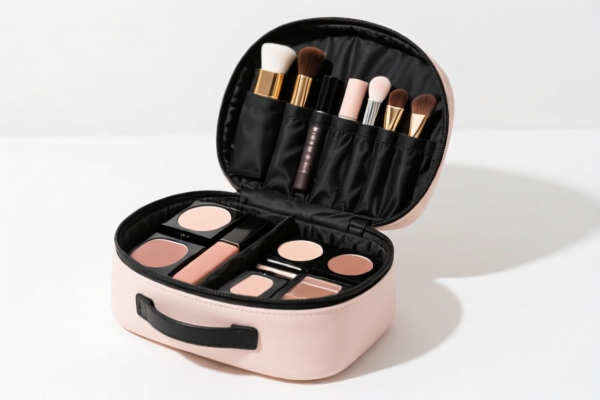
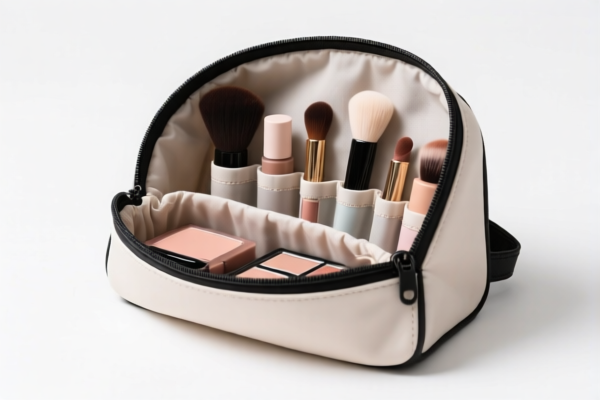
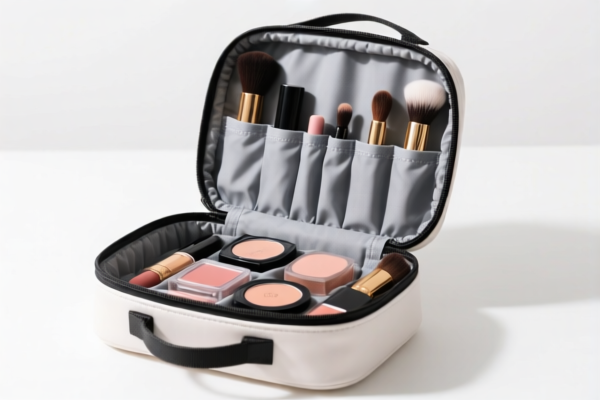

AI分析
👜 Organizer Bags (Storage Cases & Pouches)
🌐 HS Code Reference & Customs Clearance Guide | 2026 Latest Tariff Analysis | Professional Clearance Strategy
📌 1. Product Definition & Classification: What Exactly is an "Organizer Bag"?
In international trade, "Organizer Bags" are categorized based on their material composition and structural form. They are generally divided into two main logic groups:
Textile/Leather-based Containers: Bags made of fabric, artificial fiber, or leather, typically used for carrying personal items, cosmetics, or electronics. These fall under Chapter 42 (Articles of leather; saddlery and harness).
Plastic Packaging/Sheets: Bags or pouches made entirely of plastic sheets (e.g., PVC, PE), often used for bulk storage, waterproofing, or as disposable/semi-disposable packaging. These fall under Chapter 39 (Plastics and articles thereof) or Chapter 63 (Other made-up textile articles) if they don't fit specific container definitions.
⚠️ Key Distinction Point:
- If the bag has a textile surface (fabric lining, canvas exterior) → It is likely classified under Chapter 42 (Higher Tariff).
- If the bag is purely plastic (sheath, pouch, non-textile) → It is likely classified under Chapter 39 (Lower Base Tariff, but still subject to penalties).
- If it is a generic textile finished good (e.g., canvas tote without specific container structure) → It may fall under Chapter 63 (Lowest Base Tariff).
📦 2. HS Code Classification Details (2026 Latest Tariff Authority Comparison)
| HS Code | Product Description | Application Scenario | Material Logic |
|---|---|---|---|
4202.92.93.36 |
Articles of travel, sports, or office use, with outer surface of textile materials, other than those of subheading 4202.91 or 4202.92... | Cosmetic organizers, pencil cases, tech pouches with fabric exterior | ✅ Textile Outer Surface |
3923.90.00.80 |
Articles for the conveyance or packing of goods, of plastics, other than those of subheading 3923.10 to 3923.21 | Plastic storage pouches, non-woven plastic organizers, generic plastic sacks | ✅ Plastic Packaging Logic |
3923.29.00.00 |
Sacs and bags (including cones), of plastics, other than those of subheading 3923.10 to 3923.21 | Plastic sleeve bags, ziplock-style plastic organizers, flexible plastic containers | ✅ Plastic Sheet/Pouch Logic |
6307.90.98.91 |
Other made-up articles, other than those specified or included elsewhere | Generic fabric organizers, canvas storage bags (if not strictly "travel/sports/office" containers) | ✅ Textile Finished Good (General) |
4202.92.91.00 |
Articles of travel, sports, or office use, with outer surface of artificial textile materials | Synthetic leather organizers, PU-coated fabric cases, artificial fiber pouches | ✅ Artificial Fiber/Textile |
🔍 Critical Reminder:
- Chapter 42 codes (4202...) carry the HIGHEST tariffs due to the "Textile/Container" classification.
- Chapter 39 codes (3923...) are for Plastic Packaging. Even though the base duty is low (3%), the Section 301/122 tariffs make them expensive.
- Chapter 63 (6307...) is the "兜底" (Catch-all) for textile goods. It has the lowest base duty (7%), making it potentially the most cost-effective IF the product does not strictly fit "travel/sports/office" container definitions.
💰 3. 2026 Latest Tariff Rate Details (Including Additional Taxes, Policy Add-ons)
✅ Applicable Country: United States (US)
✅ Origin: China (CN)
✅ Effective Date: From November 10, 2025 onwards (for subsequent imports)
🎯 1. 4202.92.93.36 & 4202.92.91.00 —— Textile/Artificial Fiber Organizer Bags
| Item | Content |
|---|---|
| Base Tariff | 17.6% (Ad Valorem) |
| Section 301 Additional Tariff | +25.0% |
| Section 122 Tariff | +10.0% |
| Total Tax Rate | 52.6% |
| Tax Calculation | CIF Value × 52.6% |
| De Minimis Exemption | ❌ Not Eligible (deny_de_minimis) |
| Legal Basis Path | USITC:4202.92.93.36 → Section 301: Footnote 9903.88.01 → Section 122: IEPEA:9903.01.25 |
📌 Explanation:
- These HS codes classify the item as a "Travel/Sports/Office Container" with a textile surface.
- Base duty 17.6% is already high for textiles.
- Plus 25% (Section 301) and 10% (Section 122) are applied cumulatively.
- Total 52.6% is extremely high. This is the worst-case scenario for fabric organizers.
🎯 2. 3923.90.00.80 & 3923.29.00.00 —— Plastic Packaging/Storage Bags
| Item | Content |
|---|---|
| Base Tariff | 3.0% (Ad Valorem) |
| Section 301 Additional Tariff | +25.0% |
| Section 122 Tariff | +10.0% |
| Total Tax Rate | 38.0% |
| Tax Calculation | CIF Value × 38.0% |
| De Minimis Exemption | ❌ Not Eligible (deny_de_minimis) |
| Legal Basis Path | USITC:3923.90.00.80 → Section 301: Footnote 9903.88.01 → Section 122: IEPEA:9903.01.25 |
📌 Note:
- Base duty is only 3%, which is much lower than Chapter 42.
- However, the same 25% + 10% penalties apply.
- Total 38.0% is significantly lower than 52.6%, but still a heavy burden.
- This classification works if the bag is purely plastic and intended as a packaging/conveyance article.
🎯 3. 6307.90.98.91 —— Other Made-up Textile Articles (Generic Organizer)
| Item | Content |
|---|---|
| Base Tariff | 7.0% (Ad Valorem) |
| Section 301 Additional Tariff | +7.5% |
| Section 122 Tariff | +10.0% |
| Total Tax Rate | 24.5% |
| Tax Calculation | CIF Value × 24.5% |
| De Minimis Exemption | ❌ Not Eligible (deny_de_minimis) |
| Legal Basis Path | USITC:6307.90.98.91 → Section 301: Footnote 9903.88.01 → Section 122: IEPEA:9903.01.25 |
📌 Crucial Insight:
- This is the LOWEST TOTAL TAX RATE (24.5%) among all options.
- Base duty 7% is low.
- Section 301 penalty is only 7.5% (lower than the 25% for plastics/textiles containers).
- Strategy: If your organizer bag does not strictly fit "Travel/Sports/Office" definitions, or if it can be argued as a "General Made-up Textile Article" (e.g., a simple canvas storage bin), this code saves ~28% compared to the Chapter 42 codes.
🛠️ 4. Customs Clearance Practical Advice (实战避坑指南)
✅ 1. Document Checklist (Missing any will cause delays)
| Document | Required? | Explanation |
|---|---|---|
| ✅ Product Specification Sheet | ✔️ | Must detail material composition (e.g., "100% Polyester," "PVC Plastic"). |
| ✅ Product Photos (Labeled) | ✔️ | Clear shots of the bag, zippers, lining, and any brand tags. |
| ✅ Commercial Invoice | ✔️ | Must describe item accurately. Avoid vague terms like "Bag." Use "Fabric Storage Organizer." |
| ✅ Packing List | ✔️ | Include quantity, weight, and dimensions. |
| ✅ Material Declaration | ✔️ | Explicitly state: "Outer Surface: [Textile/Plastic/Artificial Fiber]." |
✅ 2. Declaration Tips (Key Mantra)
🔥 “Material Defines Code, Structure Defines Chapter, Description Defines Rate!”
| Scenario | Correct Declaration Strategy | Wrong Practice |
|---|---|---|
| Bag has fabric exterior | Use Chapter 42 (4202.92.93.36) if it's a "container" for office/travel. |
Misdeclare as plastic to save tax → High Risk of Audit/Fine. |
| Bag is pure plastic | Use Chapter 39 (3923.29.00.00). |
Misdeclare as textile → Base duty error. |
| Bag is generic canvas/storage | Argue for Chapter 63 (6307.90.98.91). |
Over-specifying as "Travel Bag" → Higher 52.6% tax. |
| OEM/Private Label | Provide design drawings showing material layers. | Claiming "Plastic" when it has fabric lining → Customs Rejection. |
✅ 3. Special Case Handling
| Situation | Handling Advice |
|---|---|
| Hybrid Materials (e.g., Plastic exterior, Fabric interior) | Classify based on the outer surface material. If plastic outer → Ch39. If fabric outer → Ch42. |
| Gift Sets (Bag + Items) | The bag may be classified based on the principal item. If the bag is accessory to electronics, it might follow the electronics' HS code (lower tax). |
| Promotional Bags (Free with purchase) | Value may be negligible, but HS Code still applies. Use lowest reasonable code (6307) if possible. |
| Custom Molded Plastic Bags | Must be 3923. Cannot be argued as textile. |
🌍 5. Global Market Comparison (2026 Latest)
| Country/Region | Recommended HS Code | Base Tariff | Additional Tariffs (China) | Total Est. Tax | Notes |
|---|---|---|---|---|---|
| 🇺🇸 USA | 6307.90.98.91 (Optimized) |
7.0% | 7.5% (301) + 10% (122) | 24.5% | Best Option if structure allows. |
| 🇺🇸 USA | 4202.92.93.36 (Standard) |
17.6% | 25.0% (301) + 10% (122) | 52.6% | Standard for fabric organizers. |
| 🇪🇺 EU | 6307.90.98.91 |
6.0% | 0% (No Section 301) | 6.0% | Significant Savings in EU. |
| 🇨🇳 China | 6307.90.98.91 |
7.0% | 0% | 7.0% | Low import duty for domestic sales. |
📌 Conclusion:
- USA: The choice between6307(24.5%) and4202(52.6%) is critical. Every effort should be made to justify6307if the bag is not a strict "travel/office container."
- EU/China: Tariffs are much lower, so the risk is minimized. Focus on accurate material declaration.
📌 6. Common Errors & Pitfalls (Lessons Learned)
❌ Error 1: Declaring a Fabric Bag as Plastic (3923) to avoid high textile duties.
👉 Consequence: Customs inspection reveals fabric lining → Seizure + Fine + Back Taxes.
❌ Error 2: Declaring a Plastic Bag as Textile (6307).
👉 Consequence: Base duty mismatch → Audit Delay + Possible Rejection.
❌ Error 3: Using vague terms like "Storage Bag" without material specification.
👉 Consequence: Customs assigns the highest possible tariff (usually Ch42) → Cost Increase.
✅ Correct Practice:
"Fabric Storage Organizer, Outer: 100% Polyester, Inner: Polyester Mesh, Non-Woven Base, Model XYZ"
🎯 7. Conclusion: Precise Classification Saves Money!
🎯 Remember the Mantra:
🔹 "Plastic Outer = Ch39 (38%); Fabric Outer = Ch42 (52.6%); Generic Textile = Ch63 (24.5%)."
🔹 "One Code Difference, $10,000 Savings on a $100k Shipment!"
📌 Pro Tip:
If your organizer bag is simple, non-rigid, and not specifically for travel/office, argue for 6307.90.98.91. This reduces your total tax from 52.6% to 24.5%, saving you 28.1% in duties.
Consult a customs broker to review your product photos and material specs before shipping.
📣 Immediate Action:
📞 Send product samples + material breakdown to your customs broker.
📝 Request Pre-Ruling if the shipment value is high.
🚀 Clearance Speed + Cost Efficiency = Profit Margin!
✨ Professional Clearance Starts with Accurate Classification!
💼 Your Every Dollar Should Be Calculated Precisely!
用户评价
关于 HS 编码归类
协调制度(HS)是由世界海关组织(WCO)制定的国际贸易商品分类标准。全球 200 多个国家采用 HS 系统作为海关关税、贸易统计和进出口监管的基础。
每个 HS 编码遵循以下层级结构:
- 章(2 位)——商品大类(例如:第 84 章:机器和机械设备)
- 品目(4 位)——章内的更具体分类
- 子目(6 位)——国际通用细分,所有 WCO 成员国统一使用
- 本国细分(8-10 位)——各国自行扩展的细分编码,如美国 HTSUS 10 位编码
正确的 HS 编码归类对于顺利通关、准确缴纳关税和遵守贸易法规至关重要。错误归类可能导致海关延误、多缴关税或罚款。
从CN进口到US时,适用的关税税率可能包括:
- 最惠国(MFN)税率——适用于 WTO 成员国的标准关税税率
- 普通税率——适用于无贸易协定国家
- 贸易救济关税——附加关税,如 301 条款(反倾销)、232 条款(国家安全)或反补贴税
本页内容仅供参考。如需正式归类,请咨询当地海关或持牌报关代理。