Other Agricultural Plastic Monofilament
CN → US| HS编码 | 关税税率 | 原产国 | 目的国 | 文档 |
|---|---|---|---|---|
| 3916903000 | 41.5% | CN | US | 官方文档 |
| 3916100000 | 40.8% | CN | US | 官方文档 |
| 5607413000 | 39.0% | CN | US | 官方文档 |
| 5607491000 | 37.7% | CN | US | 官方文档 |
| 3916905000 | 40.8% | CN | US | 官方文档 |
商品图片

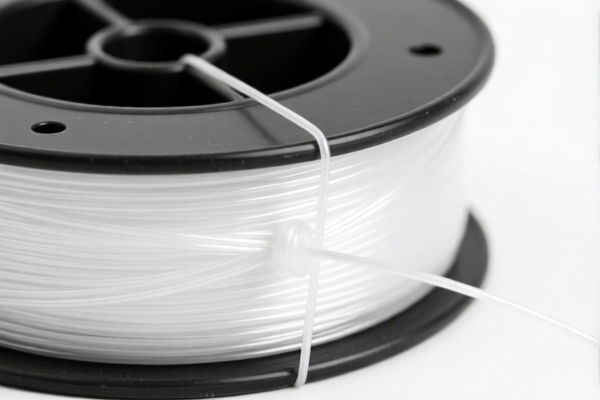

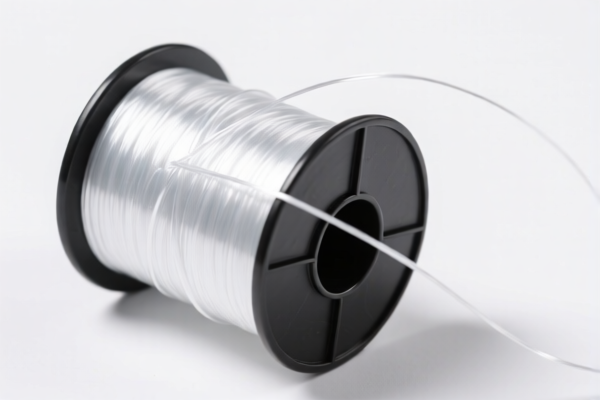
AI分析
🌾 Agricultural Plastic Monofilament (Binding Twine & Cordage)
🌐 HS Code Reference & Customs Clearance Guide | 2026 Latest Tariff Analysis | Strategic Clearance Strategy for Chinese-Origin Goods
📌 I. Product Definition & Classification: Do You Truly Understand "Plastic Monofilament"?
Plastic monofilament, widely used in agriculture for bundling crops, fencing, and general tying, is often mistakenly treated as a single commodity. However, under international trade laws, its classification depends strictly on its physical form and chemical composition.
There are two primary categories in global trade:
- Monofilament (Chapter 39): Single, continuous threads of plastic, not transformed into rope or cordage. These are typically stiff, transparent, or opaque strands used for precise tying or industrial screening.
- Cordage/Rope (Chapter 56): Monofilaments that have been twisted, plaited, or braided into ropes or cords. These are flexible and used for heavy-duty bundling or agricultural netting.
⚠️ Critical Distinction Point:
- If the product is a single, straight strand of plastic (even if cut to length) → It is Monofilament (HS 3916).
- If the product is twisted, braided, or woven into a rope-like structure → It is Cordage/Rope (HS 5607).
- Error Trap: Shipping "twisted plastic twine" under HS 3916 will result in reclassification, penalties, and delayed clearance!
📦 II. HS Code Classification Matrix (2026 Latest Tariff Authority Reference)
Based on the provided data for Chinese-origin goods entering the market (implied US trade context due to "Section 301" and "Section 122" references in tax details):
| HS Code | Product Description | Application Scenario | Physical State | Key Classification Basis |
|---|---|---|---|---|
3916.90.30.00 |
Other plastic monofilaments, for agricultural binding | General crop bundling, stake tying | Single strand, stiff/pliable | Non-sheath/cable; Fits "Plastic Monofilament" definition |
3916.10.00.00 |
Monofilaments of ethylene polymers | Agricultural binding using PE/PP materials | Single strand, ethylene-based | Chemical Composition: Ethylene polymers only |
3916.90.50.00 |
Other plastic monofilaments, fits general plastic/monofilament definition | General industrial/agricultural use | Single strand | Generic Plastic Monofilament |
5607.41.30.00 |
Plastic monofilaments in the form of ropes/cords | Heavy-duty bundling, netting | Twisted/Braided Rope | Form: Rope/Cordage category |
5607.49.10.00 |
Other plastic ropes/cords for agricultural binding | Lighter duty agricultural tying | Twisted/Braided Rope | Form: Other plastic ropes |
🔍 Priority Advice:
- If your product is straight plastic thread, choose from 3916 series.
- If your product is twisted twine, choose from 5607 series.
- Misclassification between Chapter 39 (Plastics) and Chapter 56 (Textiles/Cordage) is the #1 cause of customs delays for this product.
💰 III. 2026 Tariff Rate Breakdown (Detailed Tax Structure)
✅ Applicable Country: United States (US)
✅ Origin: China (CN)
✅ Effective Time: Current rates apply (Section 301 & Section 122 clauses active)
🎯 1. 3916.90.30.00 —— Other Plastic Monofilaments (Non-Ethylene)
| Item | Details |
|---|---|
| Base Tariff | 6.5% |
| Section 301 Surcharge | +25.0% |
| Section 122 Surcharge | +10.0% |
| Total Tax Rate | 41.5% |
| Calculation Basis | CIF Value × 41.5% |
| De Minimis Eligibility | ❌ Not Eligible (High rate exceeds $800 threshold exemption logic for high-duty goods) |
| Legal Path | HTSUS:3916.90.30 → Section 301 → Section 122 |
📌 Explanation:
- The 25% is the standard Section 301 tariff on Chinese plastics.
- The 10% is the Section 122 tariff (often applied to specific strategic or high-volume imports).
- Total Burden: 41.5% is extremely high. Profit margins must absorb this, or costs must be passed to buyers.
🎯 2. 3916.10.00.00 —— Ethylene Polymer Monofilaments
| Item | Details |
|---|---|
| Base Tariff | 5.8% |
| Section 301 Surcharge | +25.0% |
| Section 122 Surcharge | +10.0% |
| Total Tax Rate | 40.8% |
| Calculation Basis | CIF Value × 40.8% |
| De Minimis Eligibility | ❌ Not Eligible |
| Legal Path | HTSUS:3916.10.00 → Section 301 → Section 122 |
📌 Note:
- Slightly cheaper base rate (5.8% vs 6.5%) than3916.90.30.00, but still very high due to fixed surcharges.
- Only apply if the plastic is strictly ethylene-based (e.g., pure PE/PP without other major polymer blends).
🎯 3. 3916.90.50.00 —— General Plastic Monofilament
| Item | Details |
|---|---|
| Base Tariff | 5.8% |
| Section 301 Surcharge | +25.0% |
| Section 122 Surcharge | +10.0% |
| Total Tax Rate | 40.8% |
| Calculation Basis | CIF Value × 40.8% |
| De Minimis Eligibility | ❌ Not Eligible |
| Legal Path | HTSUS:3916.90.50 → Section 301 → Section 122 |
🎯 4. 5607.41.30.00 —— Plastic Monofilament in Rope/Cord Form (Specific)
| Item | Details |
|---|---|
| Base Tariff | 4.0% |
| Section 301 Surcharge | +25.0% |
| Section 122 Surcharge | +10.0% |
| Total Tax Rate | 39.0% |
| Calculation Basis | CIF Value × 39.0% |
| De Minimis Eligibility | ❌ Not Eligible |
| Legal Path | HTSUS:5607.41.30 → Section 301 → Section 122 |
📌 Key Insight:
- If your product is rope/twine, the base tariff is lower (4.0%), but the surcharges remain the same.
- Do not use this code for straight monofilament!
🎯 5. 5607.49.10.00 —— Other Plastic Ropes/Cords (Agri-Binding)
| Item | Details |
|---|---|
| Base Tariff | 2.7% |
| Section 301 Surcharge | +25.0% |
| Section 122 Surcharge | +10.0% |
| Total Tax Rate | 37.7% |
| Calculation Basis | CIF Value × 37.7% |
| De Minimis Eligibility | ❌ Not Eligible |
| Legal Path | HTSUS:5607.49.10 → Section 301 → Section 122 |
📌 Optimal Choice for Rope?
- If your product is twisted plastic twine,5607.49.10.00offers the lowest total tax rate (37.7%) among all options.
- Ensure the description matches "Rope/Cord" and not "Monofilament" to avoid reclassification penalties.
🛠️ IV. Customs Clearance Operational Advice (Practical Pitfall Guide)
✅ 1. Documentation Checklist (Mandatory)
| Document | Required | Description |
|---|---|---|
| ✅ Product Specification Sheet | ✔️ | Must clearly state: Material (e.g., PE, PP), Form (Strand vs. Twisted), Diameter, Tensile Strength. |
| ✅ Physical Photos | ✔️ | Show cross-section (for monofilament) or twist structure (for rope). Label clearly: "Straight Monofilament" or "Twisted Rope". |
| ✅ Commercial Invoice | ✔️ | Use precise HS Code descriptions. Do NOT use generic terms like "Plastic String". Use "Plastic Monofilament, Agricultural Binding, [Material]". |
| ✅ Country of Origin Certificate | ✔️ | Essential for determining Section 301 applicability. |
| ✅ Packing List | ✔️ | Detail weight, dimensions, and units (kg vs. meters vs. rolls). |
✅ 2. Declaration Tactics (Key Mantras)
🔥 "Form Defines Code: Strand is 39, Rope is 56. Wrong Code = 100% Inspection!"
| Scenario | Correct Declaration | Wrong Declaration | Consequence |
|---|---|---|---|
| Straight Plastic Thread | 3916.90.30.00 (or relevant 3916) |
5607.41.30.00 (Rope) |
Rejected: Not a rope. Penalty + Retax. |
| Twisted Plastic Twine | 5607.49.10.00 (or relevant 5607) |
3916.10.00.00 (Monofilament) |
Rejected: Not a single strand. Penalty + Retax. |
| Mixed Bundle (Strand + Rope) | Split Declaration | Single Line Item | Customs Seizure: Mixed classifications prohibited. |
✅ 3. Cost Optimization Strategies
| Strategy | Action | Benefit |
|---|---|---|
| Material Declaration | If possible, use Ethylene Polymers (PE/PP) → 3916.10.00.00 |
Saves 0.7% on base tariff vs. generic plastics. |
| Form Optimization | If product can be sold as twisted rope, use 5607.49.10.00 |
Base tariff is only 2.7% vs. 6.5% for straight monofilament. Total savings: 3.8%. |
| Pre-Ruling | Apply for CBP Advance Ruling | Locks in HS Code classification before shipment. Avoids unexpected 40%+ bills at border. |
🌍 V. Global Market Comparison (2026 Snapshot)
| Market | Recommended HS Code | Base Tariff | Additional Duties (China) | Total Effective Rate | Notes |
|---|---|---|---|---|---|
| 🇺🇸 USA | 3916.90.30.00 / 5607.49.10.00 |
2.7% - 6.5% | +35% (301 + 122) | 37.7% - 41.5% | Highest Risk Market. Must declare origin precisely. |
| 🇨🇳 China | 3916.90.30.00 |
6.5% | None | 6.5% | Low duty, high volume. |
| 🇪🇺 EU | 3916.90.90 |
6.5% | None (Usually) | 6.5% | No Section 301/122 equivalents. |
| 🇨🇦 Canada | 3916.90.00 |
5.0% | None (CUSMA) | 5.0% | Preferential if originating in US/Mexico. |
📌 Conclusion:
- The US market is significantly impacted by Section 301 (25%) and Section 122 (10%) tariffs.
- Total tax rates range from 37.7% to 41.5%.
- No De Minimis (Section 321) exemption applies due to the high duty rate and "Section 301" exclusions for these product types.
📌 VI. Common Errors & Pitfall Avoidance (Lessons Learned)
❌ Error 1: Calling "Twisted Twine" "Monofilament" to avoid Chapter 56 |
👉 Result: Customs reclassifies, adds penalty interest, delays shipment by 2+ weeks.
❌ Error 2: Using generic description "Plastic String" on Invoice |
👉 Result: CBP flags for missing material details. Requests additional info → Delay.
❌ Error 3: Assuming $800 De Minimis Applies |
👉 Result: Denial. Section 301 goods are explicitly excluded from De Minimis entry.
❌ Error 4: Mixing Straight and Twisted Products in One Shipment without Splitting |
👉 Result: One HS Code per line item. Mixed items require separate lines or face seizure.
✅ Correct Practice:
"Plastic Monofilament, Polyethylene, 2mm Diameter, for Agricultural Bundling, Non-Rope Form"
OR
"Plastic Twine, Polypropylene, Twisted, 3mm, for Crop Binding, Rope Form"
🎯 VII. Conclusion: Precision Clearance, Cost Control, Efficiency!
🎯 Key Takeaways:
🔹 "Strand = 39, Rope = 56. Get it wrong, pay for it twice!"
🔹 "Total Tax is ~40%. Budget accordingly. No De Minimis."
🔹 "Get a Pre-Ruling from CBP. It’s cheap insurance against 40% uncertainty."
📌 Pro Tip:
If your supply chain allows, consider shifting production to non-China origins (e.g., Vietnam, India) for US-bound goods to avoid Section 301/122 tariffs entirely, reducing total tax to Base Rate Only (2.7%-6.5%). This is a 35%+ savings.
📣 Immediate Action:
📞 Consult a Customs Broker: Provide product samples and photos.
📄 Request CBP Advance Ruling: Secure HS Code classification before shipment.
📦 Update Packaging: Clearly label "Made in China" and product form (Strand vs. Rope).
✨ Professional Customs Clearance Starts with Accurate Classification!
💼 Your Profit Margin Depends on Your HS Code Accuracy!
用户评价
关于 HS 编码归类
协调制度(HS)是由世界海关组织(WCO)制定的国际贸易商品分类标准。全球 200 多个国家采用 HS 系统作为海关关税、贸易统计和进出口监管的基础。
每个 HS 编码遵循以下层级结构:
- 章(2 位)——商品大类(例如:第 84 章:机器和机械设备)
- 品目(4 位)——章内的更具体分类
- 子目(6 位)——国际通用细分,所有 WCO 成员国统一使用
- 本国细分(8-10 位)——各国自行扩展的细分编码,如美国 HTSUS 10 位编码
正确的 HS 编码归类对于顺利通关、准确缴纳关税和遵守贸易法规至关重要。错误归类可能导致海关延误、多缴关税或罚款。
从CN进口到US时,适用的关税税率可能包括:
- 最惠国(MFN)税率——适用于 WTO 成员国的标准关税税率
- 普通税率——适用于无贸易协定国家
- 贸易救济关税——附加关税,如 301 条款(反倾销)、232 条款(国家安全)或反补贴税
本页内容仅供参考。如需正式归类,请咨询当地海关或持牌报关代理。