Other Agricultural Plastic Monofilament
CN → US| HS Code | Tariff Rate | Origin | Destination | Doc |
|---|---|---|---|---|
| 3916903000 | 41.5% | CN | US | Official Doc |
| 3916100000 | 40.8% | CN | US | Official Doc |
| 5607413000 | 39.0% | CN | US | Official Doc |
| 5607491000 | 37.7% | CN | US | Official Doc |
| 3916905000 | 40.8% | CN | US | Official Doc |
Product Images

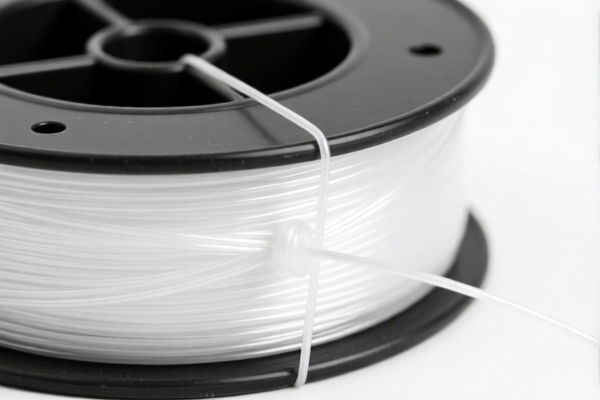

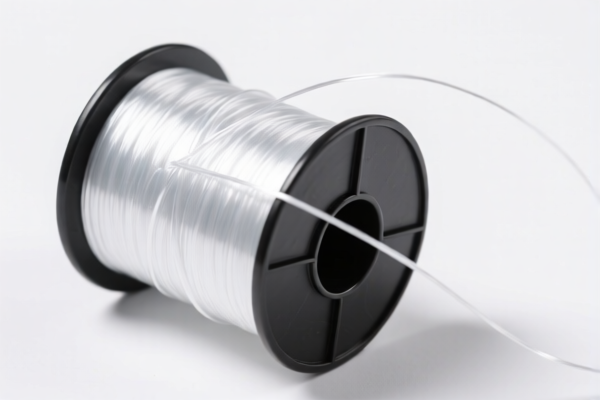
AI Analysis
🌾 Agricultural Plastic Monofilament (Binding Twine & Cordage)
🌐 HS Code Reference & Customs Clearance Guide | 2026 Latest Tariff Analysis | Strategic Clearance Strategy for Chinese-Origin Goods
📌 I. Product Definition & Classification: Do You Truly Understand "Plastic Monofilament"?
Plastic monofilament, widely used in agriculture for bundling crops, fencing, and general tying, is often mistakenly treated as a single commodity. However, under international trade laws, its classification depends strictly on its physical form and chemical composition.
There are two primary categories in global trade:
- Monofilament (Chapter 39): Single, continuous threads of plastic, not transformed into rope or cordage. These are typically stiff, transparent, or opaque strands used for precise tying or industrial screening.
- Cordage/Rope (Chapter 56): Monofilaments that have been twisted, plaited, or braided into ropes or cords. These are flexible and used for heavy-duty bundling or agricultural netting.
⚠️ Critical Distinction Point:
- If the product is a single, straight strand of plastic (even if cut to length) → It is Monofilament (HS 3916).
- If the product is twisted, braided, or woven into a rope-like structure → It is Cordage/Rope (HS 5607).
- Error Trap: Shipping "twisted plastic twine" under HS 3916 will result in reclassification, penalties, and delayed clearance!
📦 II. HS Code Classification Matrix (2026 Latest Tariff Authority Reference)
Based on the provided data for Chinese-origin goods entering the market (implied US trade context due to "Section 301" and "Section 122" references in tax details):
| HS Code | Product Description | Application Scenario | Physical State | Key Classification Basis |
|---|---|---|---|---|
3916.90.30.00 |
Other plastic monofilaments, for agricultural binding | General crop bundling, stake tying | Single strand, stiff/pliable | Non-sheath/cable; Fits "Plastic Monofilament" definition |
3916.10.00.00 |
Monofilaments of ethylene polymers | Agricultural binding using PE/PP materials | Single strand, ethylene-based | Chemical Composition: Ethylene polymers only |
3916.90.50.00 |
Other plastic monofilaments, fits general plastic/monofilament definition | General industrial/agricultural use | Single strand | Generic Plastic Monofilament |
5607.41.30.00 |
Plastic monofilaments in the form of ropes/cords | Heavy-duty bundling, netting | Twisted/Braided Rope | Form: Rope/Cordage category |
5607.49.10.00 |
Other plastic ropes/cords for agricultural binding | Lighter duty agricultural tying | Twisted/Braided Rope | Form: Other plastic ropes |
🔍 Priority Advice:
- If your product is straight plastic thread, choose from 3916 series.
- If your product is twisted twine, choose from 5607 series.
- Misclassification between Chapter 39 (Plastics) and Chapter 56 (Textiles/Cordage) is the #1 cause of customs delays for this product.
💰 III. 2026 Tariff Rate Breakdown (Detailed Tax Structure)
✅ Applicable Country: United States (US)
✅ Origin: China (CN)
✅ Effective Time: Current rates apply (Section 301 & Section 122 clauses active)
🎯 1. 3916.90.30.00 —— Other Plastic Monofilaments (Non-Ethylene)
| Item | Details |
|---|---|
| Base Tariff | 6.5% |
| Section 301 Surcharge | +25.0% |
| Section 122 Surcharge | +10.0% |
| Total Tax Rate | 41.5% |
| Calculation Basis | CIF Value × 41.5% |
| De Minimis Eligibility | ❌ Not Eligible (High rate exceeds $800 threshold exemption logic for high-duty goods) |
| Legal Path | HTSUS:3916.90.30 → Section 301 → Section 122 |
📌 Explanation:
- The 25% is the standard Section 301 tariff on Chinese plastics.
- The 10% is the Section 122 tariff (often applied to specific strategic or high-volume imports).
- Total Burden: 41.5% is extremely high. Profit margins must absorb this, or costs must be passed to buyers.
🎯 2. 3916.10.00.00 —— Ethylene Polymer Monofilaments
| Item | Details |
|---|---|
| Base Tariff | 5.8% |
| Section 301 Surcharge | +25.0% |
| Section 122 Surcharge | +10.0% |
| Total Tax Rate | 40.8% |
| Calculation Basis | CIF Value × 40.8% |
| De Minimis Eligibility | ❌ Not Eligible |
| Legal Path | HTSUS:3916.10.00 → Section 301 → Section 122 |
📌 Note:
- Slightly cheaper base rate (5.8% vs 6.5%) than3916.90.30.00, but still very high due to fixed surcharges.
- Only apply if the plastic is strictly ethylene-based (e.g., pure PE/PP without other major polymer blends).
🎯 3. 3916.90.50.00 —— General Plastic Monofilament
| Item | Details |
|---|---|
| Base Tariff | 5.8% |
| Section 301 Surcharge | +25.0% |
| Section 122 Surcharge | +10.0% |
| Total Tax Rate | 40.8% |
| Calculation Basis | CIF Value × 40.8% |
| De Minimis Eligibility | ❌ Not Eligible |
| Legal Path | HTSUS:3916.90.50 → Section 301 → Section 122 |
🎯 4. 5607.41.30.00 —— Plastic Monofilament in Rope/Cord Form (Specific)
| Item | Details |
|---|---|
| Base Tariff | 4.0% |
| Section 301 Surcharge | +25.0% |
| Section 122 Surcharge | +10.0% |
| Total Tax Rate | 39.0% |
| Calculation Basis | CIF Value × 39.0% |
| De Minimis Eligibility | ❌ Not Eligible |
| Legal Path | HTSUS:5607.41.30 → Section 301 → Section 122 |
📌 Key Insight:
- If your product is rope/twine, the base tariff is lower (4.0%), but the surcharges remain the same.
- Do not use this code for straight monofilament!
🎯 5. 5607.49.10.00 —— Other Plastic Ropes/Cords (Agri-Binding)
| Item | Details |
|---|---|
| Base Tariff | 2.7% |
| Section 301 Surcharge | +25.0% |
| Section 122 Surcharge | +10.0% |
| Total Tax Rate | 37.7% |
| Calculation Basis | CIF Value × 37.7% |
| De Minimis Eligibility | ❌ Not Eligible |
| Legal Path | HTSUS:5607.49.10 → Section 301 → Section 122 |
📌 Optimal Choice for Rope?
- If your product is twisted plastic twine,5607.49.10.00offers the lowest total tax rate (37.7%) among all options.
- Ensure the description matches "Rope/Cord" and not "Monofilament" to avoid reclassification penalties.
🛠️ IV. Customs Clearance Operational Advice (Practical Pitfall Guide)
✅ 1. Documentation Checklist (Mandatory)
| Document | Required | Description |
|---|---|---|
| ✅ Product Specification Sheet | ✔️ | Must clearly state: Material (e.g., PE, PP), Form (Strand vs. Twisted), Diameter, Tensile Strength. |
| ✅ Physical Photos | ✔️ | Show cross-section (for monofilament) or twist structure (for rope). Label clearly: "Straight Monofilament" or "Twisted Rope". |
| ✅ Commercial Invoice | ✔️ | Use precise HS Code descriptions. Do NOT use generic terms like "Plastic String". Use "Plastic Monofilament, Agricultural Binding, [Material]". |
| ✅ Country of Origin Certificate | ✔️ | Essential for determining Section 301 applicability. |
| ✅ Packing List | ✔️ | Detail weight, dimensions, and units (kg vs. meters vs. rolls). |
✅ 2. Declaration Tactics (Key Mantras)
🔥 "Form Defines Code: Strand is 39, Rope is 56. Wrong Code = 100% Inspection!"
| Scenario | Correct Declaration | Wrong Declaration | Consequence |
|---|---|---|---|
| Straight Plastic Thread | 3916.90.30.00 (or relevant 3916) |
5607.41.30.00 (Rope) |
Rejected: Not a rope. Penalty + Retax. |
| Twisted Plastic Twine | 5607.49.10.00 (or relevant 5607) |
3916.10.00.00 (Monofilament) |
Rejected: Not a single strand. Penalty + Retax. |
| Mixed Bundle (Strand + Rope) | Split Declaration | Single Line Item | Customs Seizure: Mixed classifications prohibited. |
✅ 3. Cost Optimization Strategies
| Strategy | Action | Benefit |
|---|---|---|
| Material Declaration | If possible, use Ethylene Polymers (PE/PP) → 3916.10.00.00 |
Saves 0.7% on base tariff vs. generic plastics. |
| Form Optimization | If product can be sold as twisted rope, use 5607.49.10.00 |
Base tariff is only 2.7% vs. 6.5% for straight monofilament. Total savings: 3.8%. |
| Pre-Ruling | Apply for CBP Advance Ruling | Locks in HS Code classification before shipment. Avoids unexpected 40%+ bills at border. |
🌍 V. Global Market Comparison (2026 Snapshot)
| Market | Recommended HS Code | Base Tariff | Additional Duties (China) | Total Effective Rate | Notes |
|---|---|---|---|---|---|
| 🇺🇸 USA | 3916.90.30.00 / 5607.49.10.00 |
2.7% - 6.5% | +35% (301 + 122) | 37.7% - 41.5% | Highest Risk Market. Must declare origin precisely. |
| 🇨🇳 China | 3916.90.30.00 |
6.5% | None | 6.5% | Low duty, high volume. |
| 🇪🇺 EU | 3916.90.90 |
6.5% | None (Usually) | 6.5% | No Section 301/122 equivalents. |
| 🇨🇦 Canada | 3916.90.00 |
5.0% | None (CUSMA) | 5.0% | Preferential if originating in US/Mexico. |
📌 Conclusion:
- The US market is significantly impacted by Section 301 (25%) and Section 122 (10%) tariffs.
- Total tax rates range from 37.7% to 41.5%.
- No De Minimis (Section 321) exemption applies due to the high duty rate and "Section 301" exclusions for these product types.
📌 VI. Common Errors & Pitfall Avoidance (Lessons Learned)
❌ Error 1: Calling "Twisted Twine" "Monofilament" to avoid Chapter 56 |
👉 Result: Customs reclassifies, adds penalty interest, delays shipment by 2+ weeks.
❌ Error 2: Using generic description "Plastic String" on Invoice |
👉 Result: CBP flags for missing material details. Requests additional info → Delay.
❌ Error 3: Assuming $800 De Minimis Applies |
👉 Result: Denial. Section 301 goods are explicitly excluded from De Minimis entry.
❌ Error 4: Mixing Straight and Twisted Products in One Shipment without Splitting |
👉 Result: One HS Code per line item. Mixed items require separate lines or face seizure.
✅ Correct Practice:
"Plastic Monofilament, Polyethylene, 2mm Diameter, for Agricultural Bundling, Non-Rope Form"
OR
"Plastic Twine, Polypropylene, Twisted, 3mm, for Crop Binding, Rope Form"
🎯 VII. Conclusion: Precision Clearance, Cost Control, Efficiency!
🎯 Key Takeaways:
🔹 "Strand = 39, Rope = 56. Get it wrong, pay for it twice!"
🔹 "Total Tax is ~40%. Budget accordingly. No De Minimis."
🔹 "Get a Pre-Ruling from CBP. It’s cheap insurance against 40% uncertainty."
📌 Pro Tip:
If your supply chain allows, consider shifting production to non-China origins (e.g., Vietnam, India) for US-bound goods to avoid Section 301/122 tariffs entirely, reducing total tax to Base Rate Only (2.7%-6.5%). This is a 35%+ savings.
📣 Immediate Action:
📞 Consult a Customs Broker: Provide product samples and photos.
📄 Request CBP Advance Ruling: Secure HS Code classification before shipment.
📦 Update Packaging: Clearly label "Made in China" and product form (Strand vs. Rope).
✨ Professional Customs Clearance Starts with Accurate Classification!
💼 Your Profit Margin Depends on Your HS Code Accuracy!
Customer Reviews
About HS Code Classification
The Harmonized System (HS) is an internationally standardized nomenclature developed by the World Customs Organization (WCO) to classify traded products. Over 200 countries use the HS system as the basis for customs tariffs, trade statistics, and import/export regulations.
Each HS code follows a hierarchical structure:
- Chapter (2 digits) — Broad category of goods (e.g., Chapter 84: Machinery and Mechanical Appliances)
- Heading (4 digits) — More specific grouping within the chapter
- Subheading (6 digits) — Internationally standardized breakdown, used by all WCO member countries
- National subdivisions (8-10 digits) — Country-specific extensions for further classification, such as US HTSUS 10-digit codes
Correct HS code classification is essential for smooth customs clearance, accurate duty payment, and compliance with trade regulations. Misclassification can lead to customs delays, overpayment of duties, or penalties.
When importing from CN to US, the applicable tariff rates may include:
- Most-Favored-Nation (MFN) rate — The standard duty rate applied to WTO members
- General rate — Applied to countries without trade agreements
- Trade remedy duties — Additional tariffs such as Section 301 (anti-dumping), Section 232 (national security), or countervailing duties
The information provided on this page is for reference purposes only. For official classification, please consult with your local customs authority or a licensed customs broker.