Other Medical Instruments and Equipment
CN → US| HS编码 | 关税税率 | 原产国 | 目的国 | 文档 |
|---|---|---|---|---|
| 9022140000 | 35.0% | CN | US | 官方文档 |
| 9022130000 | 35.0% | CN | US | 官方文档 |
| 9018908000 | 10.0% | CN | US | 官方文档 |
| 9021908100 | 10.0% | CN | US | 官方文档 |
| 9018195500 | 35.0% | CN | US | 官方文档 |
商品图片
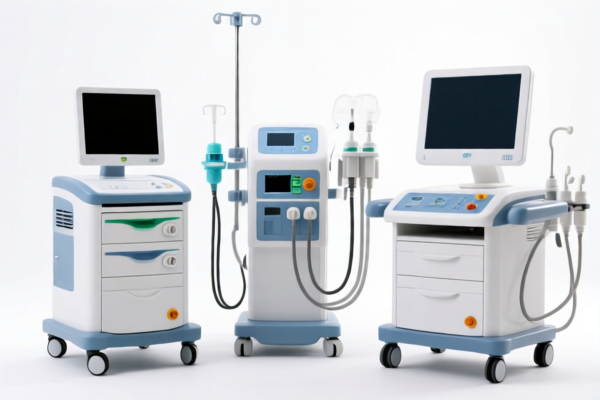
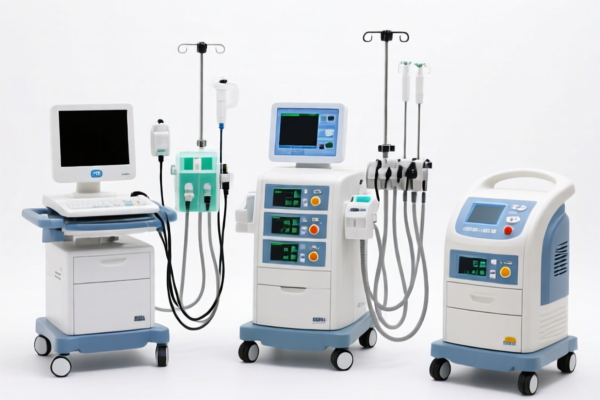
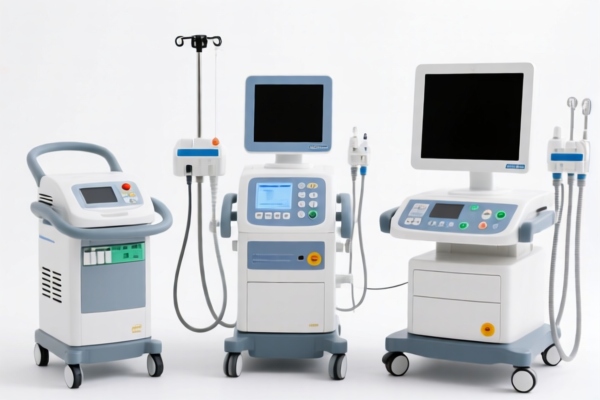
AI分析
🏥 Other Medical Instruments and Equipment (通用医疗仪器及设备)
🌐 HS Code Reference & Customs Clearance Guide | 2024 Tax Regime Analysis | Strategic Import Strategy
📌 Part 1: Product Definition & Classification: Do You Know Where Your "Medical Device" Fits?
"Other Medical Instruments and Equipment" is a broad category in international trade, covering everything from diagnostic imaging devices to dental X-rays and orthopedic supports. The key to accurate classification lies in specific function and technical configuration. Misclassification can lead to drastic tariff differences (from 10% to 35%).
⚠️ Critical Distinction Points: - X-ray Specificity: Is it a general-purpose X-ray machine or specifically for dentistry? This determines between
9022.14and9022.13. - General vs. Specialized: If it doesn't fit specific chapters (like surgical saws or imaging), it falls under the "Other" residual codes (9018.90). - Compensatory Devices: Orthopedic braces or artificial parts are often classified under9021(Orthopedic Appliances), not general medical instruments.
📦 Part 2: HS Code Classification Details (2024 Official Tariff Schedule)
Based on the provided data, here are the five potential classifications for "Other Medical Instruments and Equipment," ranked by tax efficiency.
| HS Code | Product Description | Application Scenario | Key Differentiator | Total Tax |
|---|---|---|---|---|
9018.90.80.00 |
Other Medical Instruments & Devices (Residual Category) | General surgical tools, diagnostic aids, non-imaging medical devices | Lowest Tax: Fits "Other" residual category; no specific high-tech exemption conflicts. | 10.0% |
9021.90.81.00 |
Orthopedic/Compensatory Appliances | Artificial joints, braces, corsets, orthopedic supports | Low Tax: Classified as compensatory medical devices; purpose aligns with 9021. |
10.0% |
9022.14.00.00 |
X-ray Equipment (General/Medical) | General purpose X-ray machines, CT scanners, radiographic units | High Tax: Specific X-ray classification; subject to Section 301 & 122 tariffs. | 35.0% |
9022.13.00.00 |
Dental X-ray Equipment | Intraoral/extraoral dental X-ray machines | High Tax: Specific to dental use; falls under residual X-ray category. | 35.0% |
9018.19.55.00 |
Other Medical Instruments (Surgical/Chemical) | Analytical instruments for medical labs, surgical tools | High Tax: Specific residual code for 9018 other instruments. |
35.0% |
🔍 Key Insight: -
9018.90.80.00and9021.90.81.00are the most cost-effective options with a total tax of 10%. -9022.14.00.00and9022.13.00.00are the most expensive at 35% due to being explicitly categorized as X-ray equipment, which faces additional retaliatory tariffs.
💰 Part 3: 2024 Latest Tariff Rate Breakdown (Detailed Tax Clauses)
✅ Applicable Country: United States (US)
✅ Origin: China (CN)
✅ Effective Time: Current Regime (Post-2024 Updates)
🎯 1. 9018.90.80.00 & 9021.90.81.00 —— Low-Tax Options (Recommended)
| Item | Content |
|---|---|
| Base Duty | 0.0% |
| Section 301 Additional Duty | 0.0% |
| Section 122 Duty | 10.0% |
| Total Tax Rate | 10.0% |
| Calculation Method | CIF Value × 10% |
| De Minimis Eligibility | ❌ No (Medical devices typically excluded from de minimis exemption) |
| Legal Basis Path | USITC:9018.90.80.00 → FOOTNOTE:122 |
| USITC Footnote | Subject to Section 122 duties (if applicable under current enforcement) |
📌 Explanation:
- These codes fall under "Other" or "Orthopedic" categories, which are exempt from the aggressive Section 301 (25%) tariffs that target high-tech manufacturing and heavy industry. - The 10% comes primarily from Section 122 tariffs (often related to specific trade remedies or national security provisions depending on the exact year's enforcement). - Savings: Compared to X-ray codes, you save 25% on Section 301 duties alone.
🎯 2. 9022.14.00.00 & 9022.13.00.00 —— High-Tax X-ray Options
| Item | Content |
|---|---|
| Base Duty | 0.0% |
| Section 301 Additional Duty | 25.0% |
| Section 122 Duty | 10.0% |
| Total Tax Rate | 35.0% |
| Calculation Method | CIF Value × 35% |
| De Minimis Eligibility | ❌ No |
| Legal Basis Path | USITC:9022.14.00.00 → FOOTNOTE:301 + FOOTNOTE:122 |
| USITC Footnote | Subject to both Section 301 (25%) and Section 122 (10%) |
📌 Explanation:
- X-ray equipment is explicitly listed in the Section 301 tariff schedule (25%) due to "Made in China 2025" retaliation policies. - In addition, Section 122 tariffs (10%) apply, leading to a cumulative 35%. - Dental vs. General: Both9022.13(Dental) and9022.14(General) face the same tax burden because both are classified under Chapter 90 specific imaging headings.
🎯 3. 9018.19.55.00 —— Specialized Instrument Option
| Item | Content |
|---|---|
| Base Duty | 0.0% |
| Section 301 Additional Duty | 25.0% |
| Section 122 Duty | 10.0% |
| Total Tax Rate | 35.0% |
| Calculation Method | CIF Value × 35% |
| De Minimis Eligibility | ❌ No |
📌 Explanation:
- This code is a residual category for medical instruments not elsewhere specified. Unlike9018.90, this specific subheading (9018.19.55) appears to be subject to Section 301 tariffs, making it as expensive as X-ray equipment.
🛠️ Part 4: Customs Clearance Practical Advice (Avoiding Pitfalls)
✅ 1. Documentation Checklist (Must-Have)
| Document | Required? | Notes |
|---|---|---|
| Product Specifications | ✅ Yes | Detail the exact function (e.g., "Diagnostic Imaging" vs. "Orthopedic Support"). |
| FDA Registration | ✅ Yes | If imported into the US, FDA registration number is often required for medical devices. |
| Intended Use Statement | ✅ Yes | Clearly state if it is for dental, surgical, or compensatory use to justify HS Code. |
| Commercial Invoice | ✅ Yes | Must match the HS Code description exactly (e.g., "X-ray Generator" vs. "Medical Monitor"). |
| Packing List | ✅ Yes | Include all accessories; ensure no "naked" panels are mixed with complete units. |
✅ 2. Strategic Classification Tips
🔥 Golden Rule:
"If it doesn't have X-ray tubes or radiation sources, do NOT use 9022. Use 9018 or 9021 to save 25%!"
| Scenario | Recommended HS Code | Tax Rate | Why? |
|---|---|---|---|
| General Medical Device (e.g., blood analyzer, surgical scalpel) | 9018.90.80.00 |
10% | Residual category; no Section 301. |
| Orthopedic Brace/Prosthetic | 9021.90.81.00 |
10% | Compensatory appliance; lower tax. |
| Dental X-ray Machine | 9022.13.00.00 |
35% | Specific imaging device; high tax unavoidable. |
| General X-ray Machine | 9022.14.00.00 |
35% | Specific imaging device; high tax unavoidable. |
| Lab Instrument (e.g., microscopes, analyzers) | 9018.19.55.00 |
35% | Specific residual; subject to Section 301. |
✅ 3. Common Mistakes & Warnings
❌ Mistake 1: Classifying a complete X-ray unit as a "General Medical Instrument" (9018).
👉 Consequence: Customs will reclassify it to 9022 and charge 35% + penalties + back taxes.
❌ Mistake 2: Classifying an orthopedic brace as a "Textile Product" or "Plastic Part."
👉 Consequence: Misdeclaration. Should be 9021.90.81.00 (10%) or potentially duty-free if eligible, but misclassification leads to audits.
❌ Mistake 3: Ignoring Section 122 Tariffs.
👉 Consequence: Even if Section 301 (25%) is avoided, Section 122 (10%) may still apply. Always verify current trade remedy status.
🌍 Part 5: Global Market Comparison (2024 Context)
| Country/Region | Recommended HS Code | Est. Duty (China Origin) | Key Certification | Notes |
|---|---|---|---|---|
| 🇺🇸 USA | 9018.90.80.00 |
10% | FDA + Section 122 Compliance | Avoid 9022 codes unless necessary. |
| 🇨🇳 China | 9018.90.80.00 |
0-5% | NMPA Registration | Lower base duties; no US-style retaliation. |
| 🇪🇺 EU | 9018.90.80.00 |
0% | CE Mark + MDR Compliance | Free trade under many agreements. |
| 🇦🇺 Australia | 9018.90.80.00 |
5% | TGA Registration | No Section 301 equivalent. |
📌 Conclusion:
- USA is the most costly market due to Section 301 and Section 122 tariffs. - Strategy: If possible, avoid X-ray classification (9022) unless the product is definitively an imaging device. Use9018.90or9021for other medical instruments to reduce tax burden by 25 percentage points.
📌 Part 6: Actionable Steps for Importers
- Product Audit: Determine if your device uses X-rays/radiation. If yes, expect 35% tax. If no, aim for
9018.90.80.00(10%). - Pre-Ruling: Apply for an Advance Ruling from US Customs (CBP) if the classification is ambiguous. This provides legal certainty.
- Documentation: Ensure FDA registration numbers are on the invoice.
- Supplier Communication: Ask suppliers for the original HS Code used in China, but validate it against US tariffs.
🎯 Final Tip:
"Classify by Function, Not by Name. A 'Scanner' might be9022(35%), but a 'Data Reader' might be9018(10%). Choose wisely!"
✨ Professional Clearance Starts with Accurate Classification!
💼 Every 1% saved in duty is 1% more profit in your pocket!
用户评价
关于 HS 编码归类
协调制度(HS)是由世界海关组织(WCO)制定的国际贸易商品分类标准。全球 200 多个国家采用 HS 系统作为海关关税、贸易统计和进出口监管的基础。
每个 HS 编码遵循以下层级结构:
- 章(2 位)——商品大类(例如:第 84 章:机器和机械设备)
- 品目(4 位)——章内的更具体分类
- 子目(6 位)——国际通用细分,所有 WCO 成员国统一使用
- 本国细分(8-10 位)——各国自行扩展的细分编码,如美国 HTSUS 10 位编码
正确的 HS 编码归类对于顺利通关、准确缴纳关税和遵守贸易法规至关重要。错误归类可能导致海关延误、多缴关税或罚款。
从CN进口到US时,适用的关税税率可能包括:
- 最惠国(MFN)税率——适用于 WTO 成员国的标准关税税率
- 普通税率——适用于无贸易协定国家
- 贸易救济关税——附加关税,如 301 条款(反倾销)、232 条款(国家安全)或反补贴税
本页内容仅供参考。如需正式归类,请咨询当地海关或持牌报关代理。