Other Natural Fiber Woven Belt
CN → US| HS编码 | 关税税率 | 原产国 | 目的国 | 文档 |
|---|---|---|---|---|
| 5308909000 | 17.5% | CN | US | 官方文档 |
| 4601999000 | 38.3% | CN | US | 官方文档 |
| 4601990500 | 37.7% | CN | US | 官方文档 |
| 5607909000 | 41.3% | CN | US | 官方文档 |
| 5607210000 | 35.0% | CN | US | 官方文档 |
商品图片
AI分析
🧶 Natural Fiber Woven Belts & Cordage | Global HS Code Classification & 2026 Tariff Analysis
🌐 HS Code Reference & Customs Clearance Guide | 2026 Latest Tariff Rules | Professional Import Strategy
📌 I. Product Definition & Classification: What Exactly Is a "Natural Fiber Woven Belt"?
In international trade, "Other Natural Fiber Woven Belt" is a broad term that requires precise classification based on material composition, structure, and end-use. These products typically include:
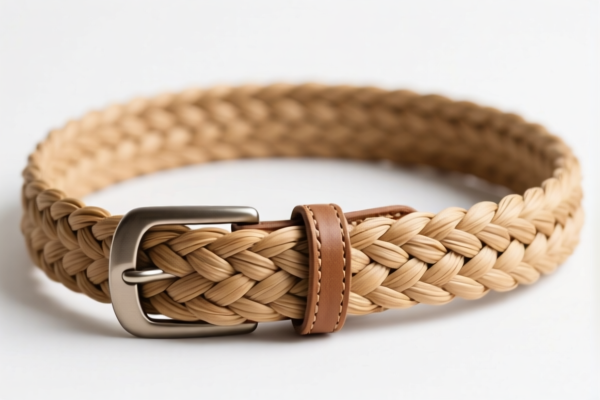
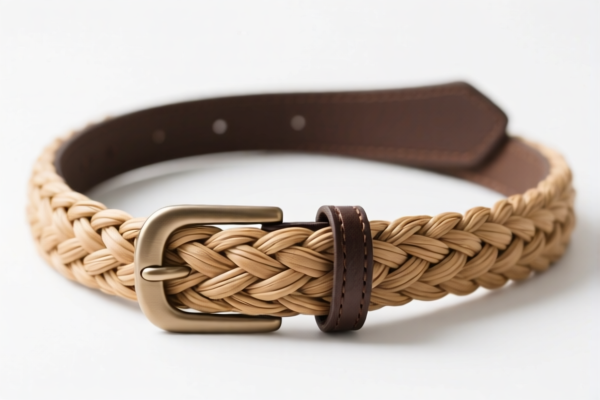
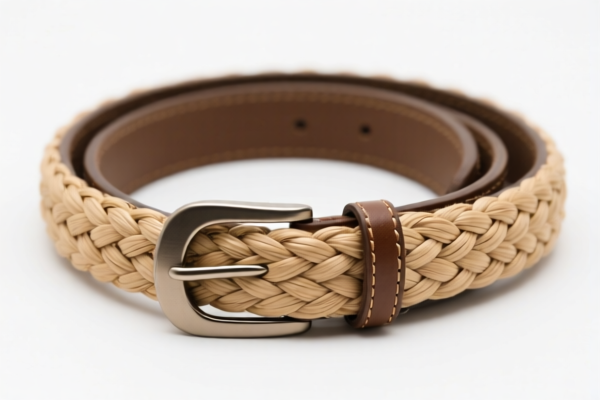
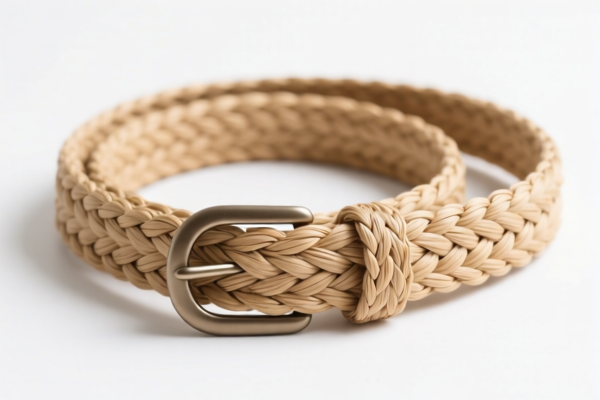
- Braided Belts/Cords: Made from plant fibers (e.g., sisal, abacá, jute, hemp) woven or braided into strips or ropes.
- Woven Fabric Belts: Flat, woven natural fiber bands used for packaging, industrial reinforcement, or decorative purposes.
- Cordage: Ropes made from natural fibers, excluding those impregnated, coated, or covered with rubber or plastic.
⚠️ Critical Distinction:
- If the product is a simple rope/cord without specific weaving patterns → May fall under Chapter 53 or 56.
- If the product is a woven fabric/belt with specific weaving structures → May fall under Chapter 46 (Vegetable Plaiting Materials).
- Do not confuse with leather belts (Chapter 42) or synthetic fiber belts (Chapter 54/55).
📦 II. HS Code Classification Matrix (2026 Latest Tariff Data)
Based on the provided dataset, here are the exact HS Codes, summaries, and tax details for Other Natural Fiber Woven Belts.
| HS Code | Product Description & Summary | Applicability Context | Total Tax Rate |
|---|---|---|---|
5308.90.90.00 |
Natural Fiber Cordage: Classification for natural fiber ropes, fitting plant fiber material and rope morphology. | Simple ropes/cords made from plant fibers (e.g., jute, sisal) without complex weaving. | 17.5% |
4601.99.90.00 |
Woven Belts (Natural Fiber): Natural fiber woven materials made into belts, fitting the category of woven materials. | Flat woven belts, braided bands, or plaited goods made from vegetable materials. | 38.3% |
4601.99.05.00 |
Braided Goods: Natural fiber woven materials made into braids and similar articles. | Specific braided products, decorative cords, or fine braids from natural fibers. | 37.7% |
5607.90.90.00 |
Natural Fiber Ropes: Ropes made of natural fibers, not impregnated or coated with rubber/plastic. | Industrial ropes, mooring lines, or general-purpose cords not treated with synthetic coatings. | 41.3% |
5607.21.00.00 |
Sisal/Agave Fiber Ropes: Natural fiber ropes made specifically from sisal or other Agave family plant fibers. | High-strength ropes made from sisal, abacá, or henequen. | 35.0% |
🔍 Key Differentiators:
- Chapter 53 vs. Chapter 46: If it’s a rope/cord, look to Chapter 53/56. If it’s a woven fabric/braid, look to Chapter 46.
- Material Specificity:5607.21.00.00is specific to Sisal/Agave. If the fiber is jute or hemp, use other codes.
- Coating Status:5607.90.90.00explicitly excludes rubber/plastic-coated ropes. If coated, a different code may apply.
💰 III. 2026 Detailed Tariff Breakdown (Import Duty & Surcharges)
✅ Applicable Market: United States (US)
✅ Origin: China (CN)
✅ Effective Date: Tariffs include Section 301 and IEEPA surcharges (as of 2025/2026 framework)
🎯 1. 5308.90.90.00 – Natural Fiber Cordage (General Plant Fibers)
| Item | Details |
|---|---|
| Base Tariff | 0.0% |
| Section 301 Surcharge | +7.5% |
| 122 Clause Tariff | +10.0% |
| Total Effective Rate | 17.5% |
| Calculation Basis | CIF Value × 17.5% |
| De Minimis Exemption | ❌ Not Eligible (Section 321 threshold excluded for Chinese goods under these surcharges) |
| Legal Reference | HTSUS 5308.90.90.00 + Section 301 Footnote + 122 Clause Directive |
📌 Note:
- This is the lowest tax rate among the options if the product qualifies as general plant fiber cordage.
- Ensure the product is not a woven braid (which would fall under Chapter 46 with higher rates).
🎯 2. 4601.99.90.00 – Woven Belts (Vegetable Plaiting Materials)
| Item | Details |
|---|---|
| Base Tariff | 3.3% |
| Section 301 Surcharge | +25.0% |
| 122 Clause Tariff | +10.0% |
| Total Effective Rate | 38.3% |
| Calculation Basis | CIF Value × 38.3% |
| De Minimis Exemption | ❌ Not Eligible |
| Legal Reference | HTSUS 4601.99.90.00 + Section 301 + 122 Clause |
📌 Note:
- This code applies to woven belts made from vegetable plaiting materials.
- The 25% Section 301 tariff significantly increases the cost. Misclassification as5308.90.90.00to avoid this is high-risk and subject to penalty.
🎯 3. 4601.99.05.00 – Braided Articles (Sisal/Agave Not Included Here)
| Item | Details |
|---|---|
| Base Tariff | 2.7% |
| Section 301 Surcharge | +25.0% |
| 122 Clause Tariff | +10.0% |
| Total Effective Rate | 37.7% |
| Calculation Basis | CIF Value × 37.7% |
| De Minimis Exemption | ❌ Not Eligible |
| Legal Reference | HTSUS 4601.99.05.00 + Section 301 + 122 Clause |
📌 Note:
- Specific to braids and similar articles.
- Slightly lower total rate than4601.99.90.00due to lower base tariff, but still heavily impacted by Section 301.
🎯 4. 5607.90.90.00 – Natural Fiber Ropes (Non-Coated)
| Item | Details |
|---|---|
| Base Tariff | 6.3% |
| Section 301 Surcharge | +25.0% |
| 122 Clause Tariff | +10.0% |
| Total Effective Rate | 41.3% |
| Calculation Basis | CIF Value × 41.3% |
| De Minimis Exemption | ❌ Not Eligible |
| Legal Reference | HTSUS 5607.90.90.00 + Section 301 + 122 Clause |
📌 Note:
- This is the highest tax rate in the dataset.
- Applies only if the rope is not sisal/agave (which has its own code) and is not impregnated/coated.
🎯 5. 5607.21.00.00 – Sisal/Agave Fiber Ropes
| Item | Details |
|---|---|
| Base Tariff | 0.0% |
| Section 301 Surcharge | +25.0% |
| 122 Clause Tariff | +10.0% |
| Total Effective Rate | 35.0% |
| Calculation Basis | CIF Value × 35.0% |
| De Minimis Exemption | ❌ Not Eligible |
| Legal Reference | HTSUS 5607.21.00.00 + Section 301 + 122 Clause |
📌 Note:
- If your product is made from sisal, abacá, or henequen, this is the correct code.
- Base tariff is 0%, but Section 301 applies, bringing the total to 35%.
🛠️ IV. Customs Clearance Best Practices (Avoiding Pitfalls)
✅ 1. Documentation Checklist (Mandatory)
| Document | Required? | Purpose |
|---|---|---|
| Product Specification Sheet | ✔️ | Confirm fiber type (sisal, jute, hemp, etc.) and construction (woven, braided, twisted). |
| Material Composition Certificate | ✔️ | Prove 100% natural fiber content. No synthetic blends. |
| Commercial Invoice | ✔️ | Clearly state "Natural Fiber Woven Belt/Cordage" and HS Code. |
| Packing List | ✔️ | Detail weight, dimensions, and number of pieces. |
| Origin Certificate (Form A if applicable) | ✔️ | To claim any potential FTZ benefits (though limited for CN origin). |
| Photos of Product | ✔️ | Show texture, weave pattern, and end-use to support classification. |
✅ 2. Classification Strategy (How to Choose the Right HS Code)
| Product Feature | Recommended HS Code | Why? |
|---|---|---|
| Simple twisted rope (e.g., jute twine) | 5308.90.90.00 |
Lowest tax (17.5%). Fits "plant fiber rope" definition. |
| Sisal/Abacá rope | 5607.21.00.00 |
Specific to Agave family. Tax is 35%. |
| Flat woven belt (packaging/reinforcement) | 4601.99.90.00 |
Fits "woven materials" category. Tax is 38.3%. |
| Decorative braid | 4601.99.05.00 |
Specific to "braids and similar articles." Tax is 37.7%. |
| Industrial rope (non-coated, non-sisal) | 5607.90.90.00 |
Highest tax (41.3%). Use only if it doesn’t fit other categories. |
🚨 Warning:
- Misclassification Risk: Declaring a woven belt as "cordage" (5308.90.90.00) to save on taxes can lead to audits, penalties, and back-duty claims.
- Coating Check: If the rope is coated with latex or plastic, it cannot use5607.90.90.00. A different code (e.g., Chapter 39 or 40) may apply.
✅ 3. Customs Entry Strategy
| Step | Action |
|---|---|
| 1. Pre-Audit | Verify fiber type with supplier. Obtain material safety data sheet (MSDS) if chemical treatment is involved. |
| 2. Classification | Use HTSUS 2026 to confirm code. Cross-check with US CBP rulings if uncertain. |
| 3. Declaration | Use precise description: "Natural Fiber Rope, Sisal, 100% Natural, Uncoated, for Industrial Use." |
| 4. Duty Payment | Budget for total tax rate (17.5% – 41.3%). Factor in Section 301 and 122 Clause surcharges. |
| 5. Post-Clearance | Keep records for 5 years in case of CBP audit. |
🌍 V. Global Market Comparison (2026)
| Market | HS Code | Base Tariff | Additional Surcharges | Total Effective Rate | Notes |
|---|---|---|---|---|---|
| 🇺🇸 USA | 5308.90.90.00 |
0% | +7.5% (301) +10% (122) | 17.5% | Lowest rate for general cordage. |
| 🇺🇸 USA | 4601.99.90.00 |
3.3% | +25% (301) +10% (122) | 38.3% | High rate for woven belts. |
| 🇺🇸 USA | 5607.21.00.00 |
0% | +25% (301) +10% (122) | 35.0% | Specific to sisal/agave. |
| 🇪🇺 EU | Various | 0-6% | None | 0-6% | No Section 301 or 122 Clause. |
| 🇨🇳 China | Various | 5-15% | None | 5-15% | Lower base rates, no US surcharges. |
| 🇯🇵 Japan | Various | 0-6% | None | 0-6% | No surcharges. |
📌 Insight:
- US imports from China are significantly impacted by Section 301 and 122 Clause tariffs.
- European and Asian markets do not apply these surcharges, making them more cost-effective for export.
- Consider re-routing or processing in third countries (e.g., Vietnam, Thailand) to mitigate US tariffs, if legally compliant.
📌 VI. Common Errors & Avoidance Guide
❌ Error 1: Declaring all natural fiber products under 5308.90.90.00 to save taxes.
👉 Consequence: CBP may reclassify as 4601.99.90.00 or 5607.90.90.00, leading to back duties + penalties.
❌ Error 2: Ignoring the "coating" aspect.
👉 Consequence: If rope is coated with plastic, 5607.90.90.00 is incorrect. This may lead to misdeclaration penalties.
❌ Error 3: Not specifying fiber type (sisal vs. jute).
👉 Consequence: 5607.21.00.00 is specific to sisal/agave. Using it for jute rope is a classification error.
✅ Best Practice:
"Describe Precisely, Classify Accurately, Document Thoroughly!"
Example Declaration:
"Natural Fiber Woven Belt, 100% Sisal, 10mm Width, Uncoated, for Packaging, HS Code 5607.21.00.00"
🎯 VII. Conclusion & Action Plan
🎯 Key Takeaway:
- Lowest Tax (17.5%):
5308.90.90.00– General plant fiber cordage.- Sisal/Agave Specific (35.0%):
5607.21.00.00.- Woven/Braided (37.7%-38.3%):
4601.99.05.00/4601.99.90.00.- Highest Tax (41.3%):
5607.90.90.00– Non-sisal, non-coated ropes.
🚀 Immediate Action Steps:
1. Identify Fiber Type: Is it sisal, jute, hemp, or mixed?
2. Determine Structure: Is it a rope, braided braid, or woven belt?
3. Check Coating: Is it coated with rubber/plastic?
4. Select HS Code: Use the matrix above to choose the correct code.
5. Budget for Taxes: Include 17.5% – 41.3% in cost analysis.
6. Consult Customs Broker: For complex products, seek a CBP Advance Ruling.
📣 Pro Tip:
If your product is 100% natural and uncoated, strive for
5308.90.90.00if structurally applicable, as it offers the lowest tax burden under current US trade policies.
✨ Precision Classification Saves Money.
💼 Every percent of tariff matters in global trade.
📞 Contact a Licensed Customs Broker Today!
🌐 Ensure Compliance, Avoid Penalties, Maximize Profitability.
用户评价
关于 HS 编码归类
协调制度(HS)是由世界海关组织(WCO)制定的国际贸易商品分类标准。全球 200 多个国家采用 HS 系统作为海关关税、贸易统计和进出口监管的基础。
每个 HS 编码遵循以下层级结构:
- 章(2 位)——商品大类(例如:第 84 章:机器和机械设备)
- 品目(4 位)——章内的更具体分类
- 子目(6 位)——国际通用细分,所有 WCO 成员国统一使用
- 本国细分(8-10 位)——各国自行扩展的细分编码,如美国 HTSUS 10 位编码
正确的 HS 编码归类对于顺利通关、准确缴纳关税和遵守贸易法规至关重要。错误归类可能导致海关延误、多缴关税或罚款。
从CN进口到US时,适用的关税税率可能包括:
- 最惠国(MFN)税率——适用于 WTO 成员国的标准关税税率
- 普通税率——适用于无贸易协定国家
- 贸易救济关税——附加关税,如 301 条款(反倾销)、232 条款(国家安全)或反补贴税
本页内容仅供参考。如需正式归类,请咨询当地海关或持牌报关代理。