Other Natural Fiber Woven Belt
CN → US| HS Code | Tariff Rate | Origin | Destination | Doc |
|---|---|---|---|---|
| 5308909000 | 17.5% | CN | US | Official Doc |
| 4601999000 | 38.3% | CN | US | Official Doc |
| 4601990500 | 37.7% | CN | US | Official Doc |
| 5607909000 | 41.3% | CN | US | Official Doc |
| 5607210000 | 35.0% | CN | US | Official Doc |
Product Images
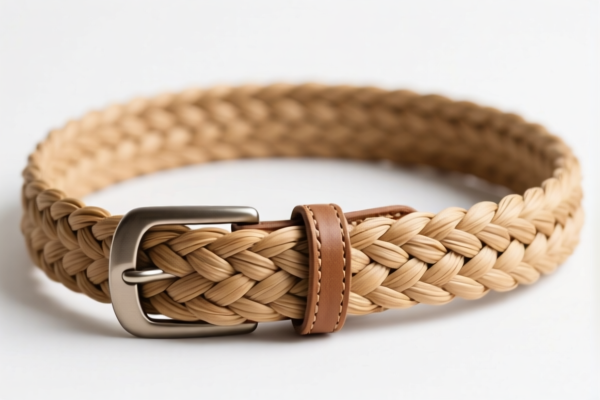
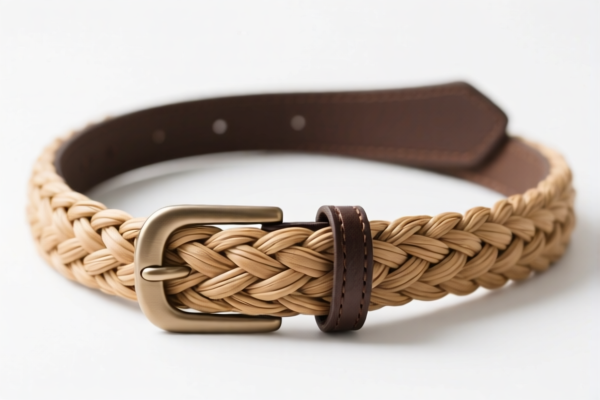
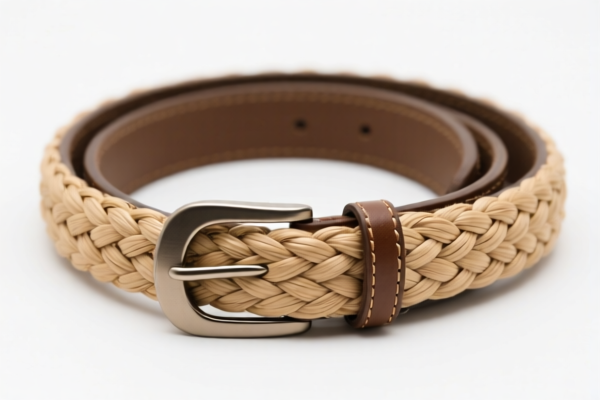
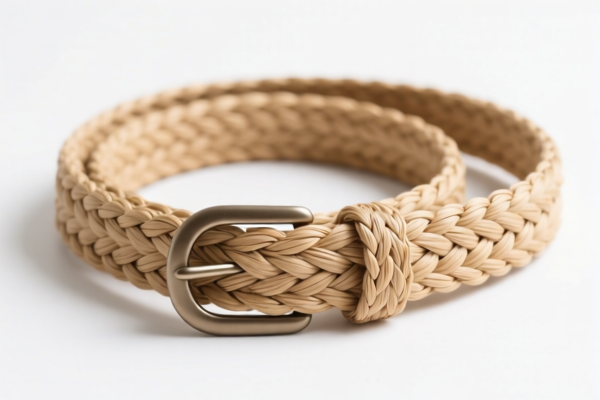
AI Analysis
🧶 Natural Fiber Woven Belts & Cordage | Global HS Code Classification & 2026 Tariff Analysis
🌐 HS Code Reference & Customs Clearance Guide | 2026 Latest Tariff Rules | Professional Import Strategy
📌 I. Product Definition & Classification: What Exactly Is a "Natural Fiber Woven Belt"?
In international trade, "Other Natural Fiber Woven Belt" is a broad term that requires precise classification based on material composition, structure, and end-use. These products typically include:
- Braided Belts/Cords: Made from plant fibers (e.g., sisal, abacá, jute, hemp) woven or braided into strips or ropes.
- Woven Fabric Belts: Flat, woven natural fiber bands used for packaging, industrial reinforcement, or decorative purposes.
- Cordage: Ropes made from natural fibers, excluding those impregnated, coated, or covered with rubber or plastic.
⚠️ Critical Distinction:
- If the product is a simple rope/cord without specific weaving patterns → May fall under Chapter 53 or 56.
- If the product is a woven fabric/belt with specific weaving structures → May fall under Chapter 46 (Vegetable Plaiting Materials).
- Do not confuse with leather belts (Chapter 42) or synthetic fiber belts (Chapter 54/55).
📦 II. HS Code Classification Matrix (2026 Latest Tariff Data)
Based on the provided dataset, here are the exact HS Codes, summaries, and tax details for Other Natural Fiber Woven Belts.
| HS Code | Product Description & Summary | Applicability Context | Total Tax Rate |
|---|---|---|---|
5308.90.90.00 |
Natural Fiber Cordage: Classification for natural fiber ropes, fitting plant fiber material and rope morphology. | Simple ropes/cords made from plant fibers (e.g., jute, sisal) without complex weaving. | 17.5% |
4601.99.90.00 |
Woven Belts (Natural Fiber): Natural fiber woven materials made into belts, fitting the category of woven materials. | Flat woven belts, braided bands, or plaited goods made from vegetable materials. | 38.3% |
4601.99.05.00 |
Braided Goods: Natural fiber woven materials made into braids and similar articles. | Specific braided products, decorative cords, or fine braids from natural fibers. | 37.7% |
5607.90.90.00 |
Natural Fiber Ropes: Ropes made of natural fibers, not impregnated or coated with rubber/plastic. | Industrial ropes, mooring lines, or general-purpose cords not treated with synthetic coatings. | 41.3% |
5607.21.00.00 |
Sisal/Agave Fiber Ropes: Natural fiber ropes made specifically from sisal or other Agave family plant fibers. | High-strength ropes made from sisal, abacá, or henequen. | 35.0% |
🔍 Key Differentiators:
- Chapter 53 vs. Chapter 46: If it’s a rope/cord, look to Chapter 53/56. If it’s a woven fabric/braid, look to Chapter 46.
- Material Specificity:5607.21.00.00is specific to Sisal/Agave. If the fiber is jute or hemp, use other codes.
- Coating Status:5607.90.90.00explicitly excludes rubber/plastic-coated ropes. If coated, a different code may apply.
💰 III. 2026 Detailed Tariff Breakdown (Import Duty & Surcharges)
✅ Applicable Market: United States (US)
✅ Origin: China (CN)
✅ Effective Date: Tariffs include Section 301 and IEEPA surcharges (as of 2025/2026 framework)
🎯 1. 5308.90.90.00 – Natural Fiber Cordage (General Plant Fibers)
| Item | Details |
|---|---|
| Base Tariff | 0.0% |
| Section 301 Surcharge | +7.5% |
| 122 Clause Tariff | +10.0% |
| Total Effective Rate | 17.5% |
| Calculation Basis | CIF Value × 17.5% |
| De Minimis Exemption | ❌ Not Eligible (Section 321 threshold excluded for Chinese goods under these surcharges) |
| Legal Reference | HTSUS 5308.90.90.00 + Section 301 Footnote + 122 Clause Directive |
📌 Note:
- This is the lowest tax rate among the options if the product qualifies as general plant fiber cordage.
- Ensure the product is not a woven braid (which would fall under Chapter 46 with higher rates).
🎯 2. 4601.99.90.00 – Woven Belts (Vegetable Plaiting Materials)
| Item | Details |
|---|---|
| Base Tariff | 3.3% |
| Section 301 Surcharge | +25.0% |
| 122 Clause Tariff | +10.0% |
| Total Effective Rate | 38.3% |
| Calculation Basis | CIF Value × 38.3% |
| De Minimis Exemption | ❌ Not Eligible |
| Legal Reference | HTSUS 4601.99.90.00 + Section 301 + 122 Clause |
📌 Note:
- This code applies to woven belts made from vegetable plaiting materials.
- The 25% Section 301 tariff significantly increases the cost. Misclassification as5308.90.90.00to avoid this is high-risk and subject to penalty.
🎯 3. 4601.99.05.00 – Braided Articles (Sisal/Agave Not Included Here)
| Item | Details |
|---|---|
| Base Tariff | 2.7% |
| Section 301 Surcharge | +25.0% |
| 122 Clause Tariff | +10.0% |
| Total Effective Rate | 37.7% |
| Calculation Basis | CIF Value × 37.7% |
| De Minimis Exemption | ❌ Not Eligible |
| Legal Reference | HTSUS 4601.99.05.00 + Section 301 + 122 Clause |
📌 Note:
- Specific to braids and similar articles.
- Slightly lower total rate than4601.99.90.00due to lower base tariff, but still heavily impacted by Section 301.
🎯 4. 5607.90.90.00 – Natural Fiber Ropes (Non-Coated)
| Item | Details |
|---|---|
| Base Tariff | 6.3% |
| Section 301 Surcharge | +25.0% |
| 122 Clause Tariff | +10.0% |
| Total Effective Rate | 41.3% |
| Calculation Basis | CIF Value × 41.3% |
| De Minimis Exemption | ❌ Not Eligible |
| Legal Reference | HTSUS 5607.90.90.00 + Section 301 + 122 Clause |
📌 Note:
- This is the highest tax rate in the dataset.
- Applies only if the rope is not sisal/agave (which has its own code) and is not impregnated/coated.
🎯 5. 5607.21.00.00 – Sisal/Agave Fiber Ropes
| Item | Details |
|---|---|
| Base Tariff | 0.0% |
| Section 301 Surcharge | +25.0% |
| 122 Clause Tariff | +10.0% |
| Total Effective Rate | 35.0% |
| Calculation Basis | CIF Value × 35.0% |
| De Minimis Exemption | ❌ Not Eligible |
| Legal Reference | HTSUS 5607.21.00.00 + Section 301 + 122 Clause |
📌 Note:
- If your product is made from sisal, abacá, or henequen, this is the correct code.
- Base tariff is 0%, but Section 301 applies, bringing the total to 35%.
🛠️ IV. Customs Clearance Best Practices (Avoiding Pitfalls)
✅ 1. Documentation Checklist (Mandatory)
| Document | Required? | Purpose |
|---|---|---|
| Product Specification Sheet | ✔️ | Confirm fiber type (sisal, jute, hemp, etc.) and construction (woven, braided, twisted). |
| Material Composition Certificate | ✔️ | Prove 100% natural fiber content. No synthetic blends. |
| Commercial Invoice | ✔️ | Clearly state "Natural Fiber Woven Belt/Cordage" and HS Code. |
| Packing List | ✔️ | Detail weight, dimensions, and number of pieces. |
| Origin Certificate (Form A if applicable) | ✔️ | To claim any potential FTZ benefits (though limited for CN origin). |
| Photos of Product | ✔️ | Show texture, weave pattern, and end-use to support classification. |
✅ 2. Classification Strategy (How to Choose the Right HS Code)
| Product Feature | Recommended HS Code | Why? |
|---|---|---|
| Simple twisted rope (e.g., jute twine) | 5308.90.90.00 |
Lowest tax (17.5%). Fits "plant fiber rope" definition. |
| Sisal/Abacá rope | 5607.21.00.00 |
Specific to Agave family. Tax is 35%. |
| Flat woven belt (packaging/reinforcement) | 4601.99.90.00 |
Fits "woven materials" category. Tax is 38.3%. |
| Decorative braid | 4601.99.05.00 |
Specific to "braids and similar articles." Tax is 37.7%. |
| Industrial rope (non-coated, non-sisal) | 5607.90.90.00 |
Highest tax (41.3%). Use only if it doesn’t fit other categories. |
🚨 Warning:
- Misclassification Risk: Declaring a woven belt as "cordage" (5308.90.90.00) to save on taxes can lead to audits, penalties, and back-duty claims.
- Coating Check: If the rope is coated with latex or plastic, it cannot use5607.90.90.00. A different code (e.g., Chapter 39 or 40) may apply.
✅ 3. Customs Entry Strategy
| Step | Action |
|---|---|
| 1. Pre-Audit | Verify fiber type with supplier. Obtain material safety data sheet (MSDS) if chemical treatment is involved. |
| 2. Classification | Use HTSUS 2026 to confirm code. Cross-check with US CBP rulings if uncertain. |
| 3. Declaration | Use precise description: "Natural Fiber Rope, Sisal, 100% Natural, Uncoated, for Industrial Use." |
| 4. Duty Payment | Budget for total tax rate (17.5% – 41.3%). Factor in Section 301 and 122 Clause surcharges. |
| 5. Post-Clearance | Keep records for 5 years in case of CBP audit. |
🌍 V. Global Market Comparison (2026)
| Market | HS Code | Base Tariff | Additional Surcharges | Total Effective Rate | Notes |
|---|---|---|---|---|---|
| 🇺🇸 USA | 5308.90.90.00 |
0% | +7.5% (301) +10% (122) | 17.5% | Lowest rate for general cordage. |
| 🇺🇸 USA | 4601.99.90.00 |
3.3% | +25% (301) +10% (122) | 38.3% | High rate for woven belts. |
| 🇺🇸 USA | 5607.21.00.00 |
0% | +25% (301) +10% (122) | 35.0% | Specific to sisal/agave. |
| 🇪🇺 EU | Various | 0-6% | None | 0-6% | No Section 301 or 122 Clause. |
| 🇨🇳 China | Various | 5-15% | None | 5-15% | Lower base rates, no US surcharges. |
| 🇯🇵 Japan | Various | 0-6% | None | 0-6% | No surcharges. |
📌 Insight:
- US imports from China are significantly impacted by Section 301 and 122 Clause tariffs.
- European and Asian markets do not apply these surcharges, making them more cost-effective for export.
- Consider re-routing or processing in third countries (e.g., Vietnam, Thailand) to mitigate US tariffs, if legally compliant.
📌 VI. Common Errors & Avoidance Guide
❌ Error 1: Declaring all natural fiber products under 5308.90.90.00 to save taxes.
👉 Consequence: CBP may reclassify as 4601.99.90.00 or 5607.90.90.00, leading to back duties + penalties.
❌ Error 2: Ignoring the "coating" aspect.
👉 Consequence: If rope is coated with plastic, 5607.90.90.00 is incorrect. This may lead to misdeclaration penalties.
❌ Error 3: Not specifying fiber type (sisal vs. jute).
👉 Consequence: 5607.21.00.00 is specific to sisal/agave. Using it for jute rope is a classification error.
✅ Best Practice:
"Describe Precisely, Classify Accurately, Document Thoroughly!"
Example Declaration:
"Natural Fiber Woven Belt, 100% Sisal, 10mm Width, Uncoated, for Packaging, HS Code 5607.21.00.00"
🎯 VII. Conclusion & Action Plan
🎯 Key Takeaway:
- Lowest Tax (17.5%):
5308.90.90.00– General plant fiber cordage.- Sisal/Agave Specific (35.0%):
5607.21.00.00.- Woven/Braided (37.7%-38.3%):
4601.99.05.00/4601.99.90.00.- Highest Tax (41.3%):
5607.90.90.00– Non-sisal, non-coated ropes.
🚀 Immediate Action Steps:
1. Identify Fiber Type: Is it sisal, jute, hemp, or mixed?
2. Determine Structure: Is it a rope, braided braid, or woven belt?
3. Check Coating: Is it coated with rubber/plastic?
4. Select HS Code: Use the matrix above to choose the correct code.
5. Budget for Taxes: Include 17.5% – 41.3% in cost analysis.
6. Consult Customs Broker: For complex products, seek a CBP Advance Ruling.
📣 Pro Tip:
If your product is 100% natural and uncoated, strive for
5308.90.90.00if structurally applicable, as it offers the lowest tax burden under current US trade policies.
✨ Precision Classification Saves Money.
💼 Every percent of tariff matters in global trade.
📞 Contact a Licensed Customs Broker Today!
🌐 Ensure Compliance, Avoid Penalties, Maximize Profitability.
Customer Reviews
About HS Code Classification
The Harmonized System (HS) is an internationally standardized nomenclature developed by the World Customs Organization (WCO) to classify traded products. Over 200 countries use the HS system as the basis for customs tariffs, trade statistics, and import/export regulations.
Each HS code follows a hierarchical structure:
- Chapter (2 digits) — Broad category of goods (e.g., Chapter 84: Machinery and Mechanical Appliances)
- Heading (4 digits) — More specific grouping within the chapter
- Subheading (6 digits) — Internationally standardized breakdown, used by all WCO member countries
- National subdivisions (8-10 digits) — Country-specific extensions for further classification, such as US HTSUS 10-digit codes
Correct HS code classification is essential for smooth customs clearance, accurate duty payment, and compliance with trade regulations. Misclassification can lead to customs delays, overpayment of duties, or penalties.
When importing from CN to US, the applicable tariff rates may include:
- Most-Favored-Nation (MFN) rate — The standard duty rate applied to WTO members
- General rate — Applied to countries without trade agreements
- Trade remedy duties — Additional tariffs such as Section 301 (anti-dumping), Section 232 (national security), or countervailing duties
The information provided on this page is for reference purposes only. For official classification, please consult with your local customs authority or a licensed customs broker.