Other Synthetic Fiber Woven Fabric
CN → US| HS编码 | 关税税率 | 原产国 | 目的国 | 文档 |
|---|---|---|---|---|
| 5407200000 | 35.0% | CN | US | 官方文档 |
| 5407912090 | 49.9% | CN | US | 官方文档 |
| 5512110090 | 24.0% | CN | US | 官方文档 |
| 5513130090 | 49.9% | CN | US | 官方文档 |
| 5311004010 | 35.0% | CN | US | 官方文档 |
商品图片
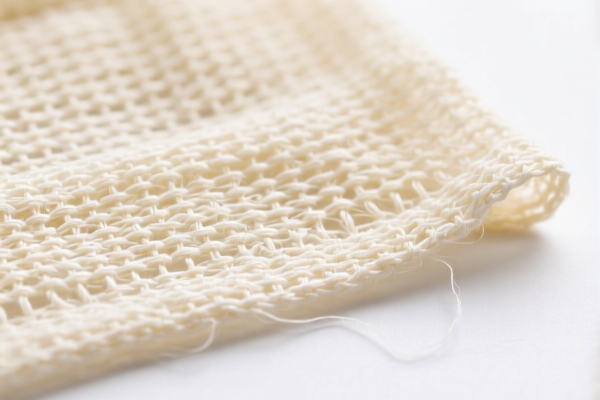
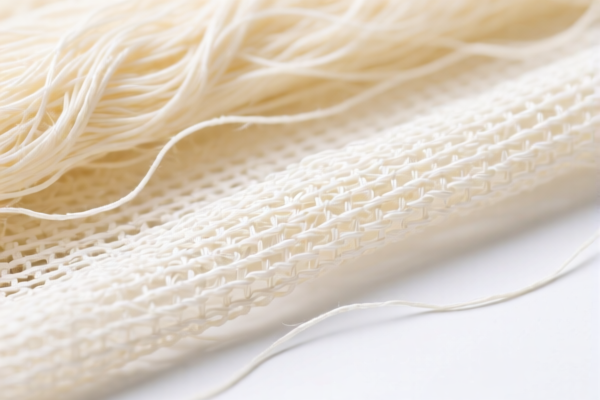
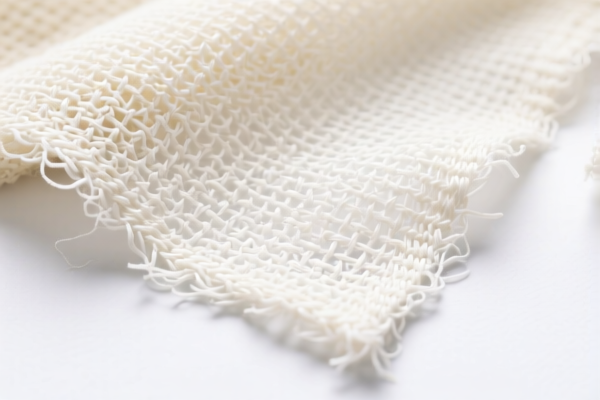
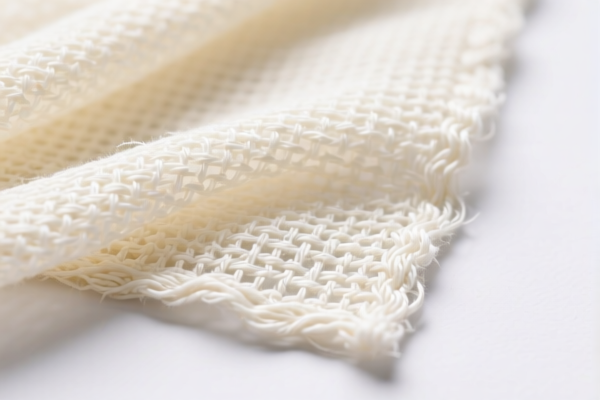
AI分析
🧵 Other Synthetic Fiber Woven Fabric (Synthetic Fabrics)
🌐 HS Code Reference & Customs Clearance Guide | 2026 Latest Tariff Analysis | Professional Compliance Strategy
📌 1. Product Definition & Classification: Do You Really Know "Other Synthetic Woven Fabric"?
"Other Synthetic Fiber Woven Fabric" is a broad category in international trade, covering various textiles made from man-made fibers (excluding silk). In customs classification, these fabrics are primarily distinguished by fiber type (long filament vs. short staple), weave structure (plain, twill, satin), and weight/density.
Key Distinctions: * Filament Fabrics (5407/5513 series): Made from continuous filaments (like polyester or nylon threads). Often smoother, stronger, and used for shirts, linings, or technical textiles. * Staple Fiber Fabrics (5512 series): Made from cut fibers spun into yarn (like cotton-like polyester). Often softer, used for suiting, upholstery, or heavy-duty workwear. * Vegetable Fiber Confusion (5311): Sometimes "natural" fabrics like Ramie or Hemp are grouped nearby but are not synthetic. Misclassification here leads to severe penalties.
⚠️ Critical Identification Point:
- If the fabric is made from continuous synthetic filaments (e.g., Polyester, Nylon) → Look at Chapter 54 (5407,5513).
- If the fabric is made from synthetic staple fibers (spun into yarn) → Look at Chapter 55 (5512).
- If the fabric is made from plant fibers (e.g., Ramie, Jute) → It is NOT synthetic. It belongs to Chapter 53 (5311).
📦 2. HS Code Classification Details (2026 Authoritative Reference)
| HS Code | Product Description | Application Scenario | Material Type | Total Tax Rate |
|---|---|---|---|---|
5407.20.00.00 |
Synthetic filament woven fabric, matched material & form | Lightweight shirts, linings, technical textiles | ✅ Synthetic Filament | 35.0% |
5407.91.20.90 |
Other synthetic filament woven fabric (no conflict) | Specialty industrial fabrics, heavy-duty synthetics | ✅ Synthetic Filament | 49.9% |
5512.11.00.90 |
Synthetic staple fiber woven fabric (other subtype) | Suiting, upholstery, heavy workwear fabrics | ✅ Synthetic Staple | 24.0% |
5513.13.00.90 |
Synthetic filament woven fabric, other categories | General apparel fabrics, casual wear materials | ✅ Synthetic Filament | 49.9% |
5311.00.40.10 |
Other vegetable fiber woven fabric (Ramie/Hemp etc.) | Non-Synthetic! Summer wear, eco-friendly textiles | ❌ Vegetable Fiber | 35.0% |
🔍 Key Warning:
-5311.00.40.10is often mistaken for synthetic due to its "woven" nature. However, it is a vegetable fiber (e.g., Ramie). While the tariff rate matches5407.20.00.00, the material declaration must be accurate. Declaring Ramie as "Synthetic" is fraud; declaring Synthetic as "Ramie" may trigger origin or quality inspections. -5407.91.20.90and5513.13.00.90carry the highest tax burden (49.9%) due to broader "other" classifications with higher base tariffs.
💰 3. 2026 Latest Tariff Rate Breakdown (Including Surcharges & Policy Add-ons)
✅ Applicable Country: USA (US)
✅ Origin: China (CN)
✅ Effective Date: November 10, 2025 onwards
🎯 1. 5407.20.00.00 – Synthetic Filament Woven Fabric (Matched Form)
| Item | Content |
|---|---|
| Base Tariff | 0.0% |
| USITC Surcharge (Section 301) | +25.0% |
| IEEPA Surcharge (Section 122) | +10.0% |
| Total Rate | 35.0% |
| Tax Calculation | CIF Value × 35% |
| De Minimis Exemption | ❌ Denied (deny_de_minimis) |
| Legal Basis | IEEPA:9903.01.25 → USITC:5407.20.00.00 → FOOTNOTE:9903.88.01 |
📌 Explanation:
- The 25% Section 301 tariff applies to almost all Chinese synthetic textiles.
- The 10% IEEPA tariff is a specific add-on for certain Chinese-origin goods under emergency powers.
- Total 35% is significant for low-margin textile businesses.
🎯 2. 5407.91.20.90 & 5513.13.00.90 – Other Synthetic Woven Fabrics
| Item | Content |
|---|---|
| Base Tariff | 14.9% |
| USITC Surcharge (Section 301) | +25.0% |
| IEEPA Surcharge (Section 122) | +10.0% |
| Total Rate | 49.9% |
| Tax Calculation | CIF Value × 49.9% |
| De Minimis Exemption | ❌ Denied |
| Legal Basis | IEEPA:9903.01.24 → USITC:5407.91.20.90 / 5513.13.00.90 |
📌 Warning:
- These "other" categories have a 14.9% base tariff, which is much higher than the 0% base for5407.20.
- Combined with surcharges, the total hits 49.9%. This is a critical cost driver.
🎯 3. 5512.11.00.90 – Synthetic Staple Fiber Woven Fabric
| Item | Content |
|---|---|
| Base Tariff | 12.0% |
| USITC Surcharge (Section 301) | +2.0% |
| IEEPA Surcharge (Section 122) | +10.0% |
| Total Rate | 24.0% |
| Tax Calculation | CIF Value × 24.0% |
| De Minimis Exemption | ❌ Denied |
| Legal Basis | IEEPA:9901.25 → USITC:5512.11.00.90 |
📌 Opportunity:
- This category has the lowest total tax rate (24.0%).
- Note the USITC surcharge is only 2.0% (not 25%!). This makes synthetic staple fiber fabrics significantly more competitive than filament fabrics in some subcategories.
🎯 4. 5311.00.40.10 – Other Vegetable Fiber Woven Fabric
| Item | Content |
|---|---|
| Base Tariff | 0.0% |
| USITC Surcharge (Section 301) | +25.0% |
| IEEPA Surcharge (Section 122) | +10.0% |
| Total Rate | 35.0% |
| Tax Calculation | CIF Value × 35.0% |
| De Minimis Exemption | ❌ Denied |
| Legal Basis | IEEPA:9903.01.25 → USITC:5311.00.40.10 |
📌 Clarification:
- Although labeled "vegetable fiber," the tariff structure mimics5407.20(35% total).
- Do not misdeclare Ramie as Synthetic to avoid 25% Section 301 if it were exempt (it is not). Accuracy is key to avoid customs audits.
🛠️ 4. Customs Clearance Practical Advice (Real-World Pitfall Guide)
✅ 1. Required Documentation Checklist
| Document | Mandatory? | Notes |
|---|---|---|
| ✅ Fabric Specification Sheet | ✔️ | Must state: Fiber content (e.g., 100% Polyester), Weight (gsm), Weave (Plain/Twill), Finish. |
| ✅ Material Test Report | ✔️ | Third-party lab report confirming "Synthetic" vs. "Vegetable" fiber. |
| ✅ Commercial Invoice | ✔️ | Must clearly state "Woven Fabric of Synthetic Fiber" or "Vegetable Fiber" – never vague terms like "Textile". |
| ✅ Bill of Lading | ✔️ | Ensure container weight matches declared weight. |
| ✅ Origin Certificate | ✔️ | For China-origin goods, prove origin to apply correct surcharges. |
✅ 2. Classification Strategy (Key Mantra)
🔥 "Staple vs. Filament, Vegetables vs. Synthetics – Get It Right or Pay Double!"
| Scenario | Correct HS Code | Common Mistake | Consequence |
|---|---|---|---|
| Polyester Shirt Fabric (Filament) | 5407.20.00.00 |
Misclassify as 5512 (Staple) |
Tax drops to 24% → Underpayment Penalty! |
| Polyester Suit Fabric (Staple) | 5512.11.00.90 |
Misclassify as 5407 (Filament) |
Tax rises to 35-50% → Overpayment Loss! |
| Ramie Fabric (Vegetable) | 5311.00.40.10 |
Declare as "Synthetic" | Fraud Alert! + Potential Seizure. |
| Heavy Industrial Synthetic Fabric | 5407.91.20.90 |
Miss the "Other" category | 49.9% tax applies automatically. |
✅ 3. Special Cases Handling
| Situation | Advice |
|---|---|
| Mixed Fibers | If blend > 50% synthetic, classify under Synthetic. If < 50%, may fall under Chapter 52 (Cotton) or 50/51 (Wool/Silk). Strict threshold! |
| Finished Garments vs. Fabric | If cut into shapes or sewn, it may be a garment (Chapter 61/62), not fabric. Different HS codes, different taxes. |
| Technical Textiles | Some high-tech synthetics may have special exemptions. Check for HTSUS subheadings for "geotextiles" or "medical fabrics". |
| Ramie vs. Synthetic | Ramie (5311) looks like linen but is plant-based. If you declare it as "Polyester," customs will test and penalize. |
🌍 5. Global Market Comparison (2026)
| Country/Region | Recommended HS Code | Total Tax (China Origin) | Certification | Notes |
|---|---|---|---|---|
| 🇺🇸 USA | 5512.11.00.90 |
24.0% (Lowest) | N/A | Best Tariff Option |
| 🇺🇸 USA | 5407.20.00.00 |
35.0% | N/A | Common for lightweight synthetics |
| 🇺🇸 USA | 5407.91.20.90 |
49.9% (Highest) | N/A | Avoid if possible; use "Other" codes sparingly |
| 🇪🇺 EU | 5407.20.00.00 |
~12-16% (MFN) | REACH, OEKO-TEX | No Section 301/IEEPA surcharges |
| 🇨🇳 China | 5407.20.00.00 |
0-5% | CCC (if applicable) | Low domestic import tariffs |
📌 Conclusion:
- USA is the most punitive market due to 301/122 surcharges.
-5512.11.00.90(Staple Fiber) offers the lowest US duty (24%) among the listed codes.
- EU/China have no such surcharges, making global supply chains more cost-effective outside the US.
📌 6. Common Errors & Pitfall Guide (Lessons Learned)
❌ Error 1: Declaring Ramie (5311) as Synthetic (5407)
👉 Result: Customs lab test reveals plant fibers → Seizure + Fine for false declaration.
❌ Error 2: Confusing Filament (5407) with Staple (5512)
👉 Result: Misclassification leads to over/underpayment. Staple fabrics (5512) have a lower USITC surcharge (2%) vs. Filament (25%).
❌ Error 3: Using vague descriptions like "Woven Fabric"
👉 Result: Customs cannot determine fiber type → Delayed Release + Inspection Costs.
❌ Error 4: Ignoring Section 122 (IEEPA) 10% Surcharge
👉 Result: Budgeting only for Section 301 (25%) but forgetting IEEPA (10%) → Margin Erosion.
✅ Correct Practice:
"100% Polyester Woven Fabric, 150 GSM, Plain Weave, Dyed, For Shirt Manufacturing"
HS Code:5407.20.00.00
Tax: 35.0%
🎯 7. Conclusion: Precision in Classification Saves Money!
🎯 Remember the Mantra:
🔹 "Staple is Cheaper (24%), Filament is Middle (35%), Other is Expensive (50%)!"
🔹 "Vegetable is NOT Synthetic! Don’t lie!"
🔹 "IEEPA 10% + 301 25% = 35%+ Tax in USA!"
📌 Pro Tip:
If your product is synthetic staple fiber (5512), you save 11-26% in US duties compared to synthetic filament (5407). Consider adjusting fabric choices if supply chain allows.
📣 Immediate Action:
📞 Consult a Customs Broker for Advance Ruling on fiber content.
📄 Provide Lab Test Reports for all fiber declarations.
🚀 Optimize HS Code selection to minimize total landed cost in the US market.
✨ Professional Customs Compliance Starts with Accurate Classification!
💼 Every percentage point in tax is your profit margin. Protect it!
用户评价
关于 HS 编码归类
协调制度(HS)是由世界海关组织(WCO)制定的国际贸易商品分类标准。全球 200 多个国家采用 HS 系统作为海关关税、贸易统计和进出口监管的基础。
每个 HS 编码遵循以下层级结构:
- 章(2 位)——商品大类(例如:第 84 章:机器和机械设备)
- 品目(4 位)——章内的更具体分类
- 子目(6 位)——国际通用细分,所有 WCO 成员国统一使用
- 本国细分(8-10 位)——各国自行扩展的细分编码,如美国 HTSUS 10 位编码
正确的 HS 编码归类对于顺利通关、准确缴纳关税和遵守贸易法规至关重要。错误归类可能导致海关延误、多缴关税或罚款。
从CN进口到US时,适用的关税税率可能包括:
- 最惠国(MFN)税率——适用于 WTO 成员国的标准关税税率
- 普通税率——适用于无贸易协定国家
- 贸易救济关税——附加关税,如 301 条款(反倾销)、232 条款(国家安全)或反补贴税
本页内容仅供参考。如需正式归类,请咨询当地海关或持牌报关代理。